

Key Takeaways
-
Hormone therapy replaces missing hormones based on diagnosed deficiencies confirmed by lab tests, while peptide therapy signals your body to produce more of its own hormones naturally—both require regular monitoring and personalized medical supervision.
-
Before starting treatment, comprehensive bloodwork testing hormone levels, thyroid function, and metabolic markers is essential to build a personalized plan rather than following a generic template.
-
Some peptides like sermorelin, tesamorelin, mecasermin, and macimorelin are FDA-approved for specific medical conditions, but many wellness peptides are compounded or off-label, making product quality and sourcing from reputable pharmacies critical for safety.
-
The most common side effects of growth hormone therapy are fluid retention-related symptoms (swelling, joint pain, carpal tunnel symptoms) occurring in 5-18% of patients, but these often improve with dose adjustments through ongoing monitoring.
-
Growth hormone therapy is not supported for general anti-aging or athletic performance enhancement without a documented deficiency; realistic expectations and professional guidance matter more than miracle claims.
-
Good candidates for hormone or peptide therapy typically have confirmed deficiencies shown through bloodwork and symptoms like persistent fatigue, slow recovery, or hormonal shifts—getting lab work done with a licensed provider is the essential first step.
If you’ve ever felt tired, foggy, or just not like yourself, you’ve probably typed “hormone therapy explained” into a search bar at 11 p.m. You’re not alone. Millions of people are asking the same questions about hormones, peptides, and what actually works. The good news? We’re going to break it all down together, in plain language, so you can feel confident about your next step.
Whether you’re a busy professional looking for convenient care, a biohacker who loves data, or someone simply trying to feel more like themselves again, this guide is for you. We’ll cover what hormone therapy really means, how peptide therapy fits into the picture, and what the science actually says. No confusing medical jargon, just honest answers.
What Does Hormone Therapy Actually Mean?
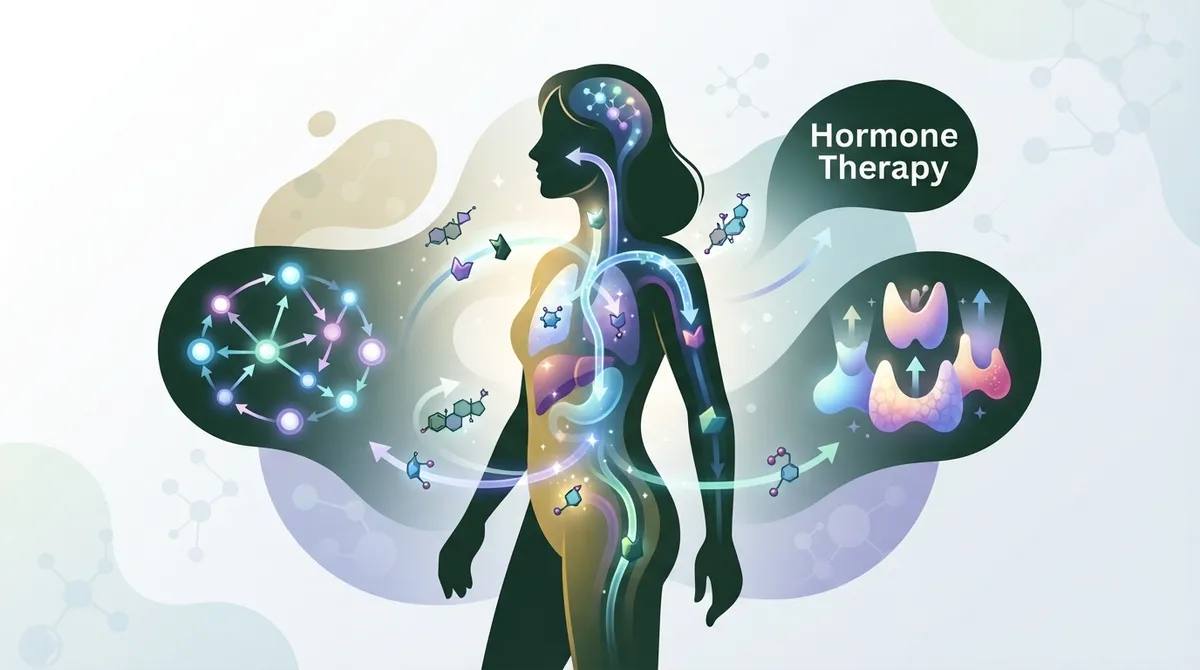
Hormone therapy is medical treatment that replaces, boosts, or adjusts hormones in your body. Doctors use it to treat a diagnosed problem, like low testosterone or menopause symptoms. It’s not a one-size-fits-all wellness trend. It’s a targeted treatment based on your actual lab numbers.
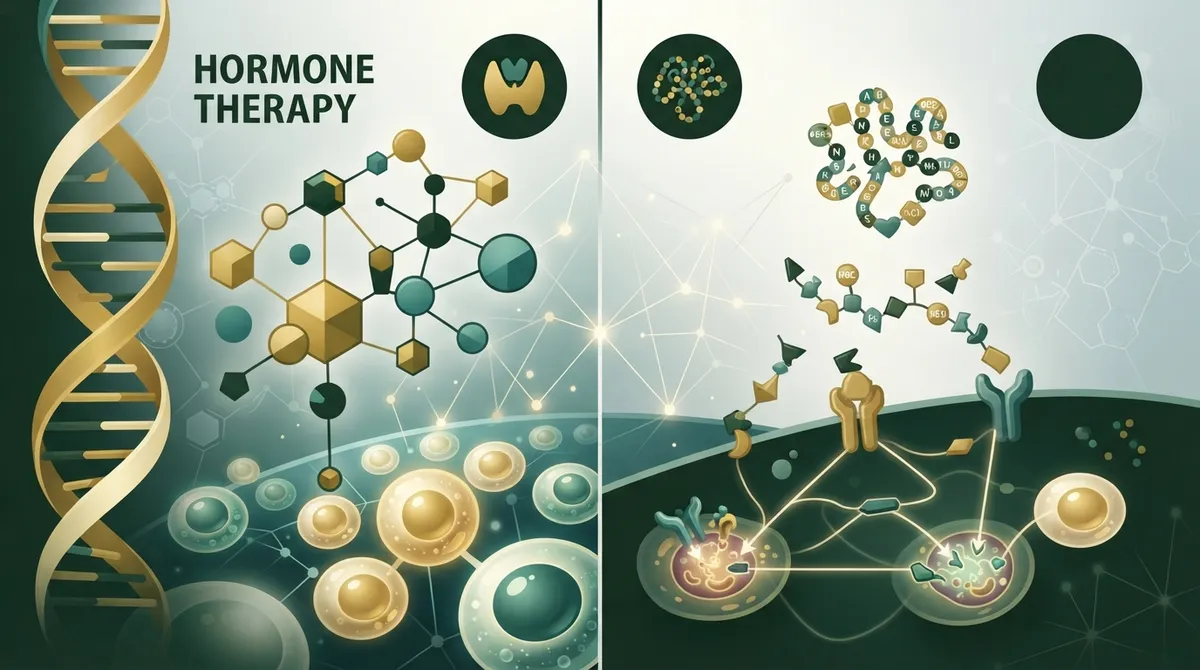
In the world of peptide therapy, things work a little differently. Instead of directly replacing a hormone, many peptides send signals that encourage your body to produce more of its own hormones naturally. Think of it like gently tapping your body on the shoulder and reminding it how to do its job well again.
This distinction matters a lot. If you want a deeper dive into how peptides work at a foundational level, check out this helpful guide on How Peptides Restore Cellular Function.
Hormone Replacement vs. Peptide Signaling
Here’s the simplest way to think about it. Hormone replacement therapy gives your body a hormone it’s missing. Peptide therapy often nudges your body to make more of that hormone on its own. Both approaches have their place, and the right one depends on your specific situation.
Growth hormone (GH) therapy is a great example. Recombinant human growth hormone directly supplies GH to your body. Growth hormone-releasing peptides, on the other hand, are designed to stimulate your pituitary gland to release more GH naturally. According to the National Library of Medicine, these two approaches have different indications, evidence levels, and regulatory approvals.
Hormone Therapy vs. Peptide Therapy: A Side-by-Side Look
Let’s make this even clearer with a simple comparison table.
| Feature | Traditional Hormone Therapy | Peptide Therapy |
|---|---|---|
| How it works | Directly replaces a missing hormone | Signals the body to produce more hormone naturally |
| Common uses | Menopause, low testosterone, thyroid issues | Energy, recovery, sleep, metabolism, GH support |
| Regulatory status | Many options FDA-approved | Some FDA-approved, others compounded or off-label |
| Monitoring needed | Yes, regular labs required | Yes, regular labs required |
| Personalization | Based on individual hormone levels | Based on individual goals and blood work |
Notice something important here? Both approaches require careful monitoring. Neither one is a “set it and forget it” situation. That’s exactly why working with licensed providers matters so much.
Are Growth Hormone Peptides FDA Approved?
This is one of the most common questions we hear, and the honest answer is: it depends on the specific peptide. Some peptide-related products have earned FDA approval for very specific medical conditions.
Here’s a quick rundown of approved peptide products and their original indications:
- Sermorelin was approved in 1991 for HIV-associated lipodystrophy.
- Mecasermin received approval in 2005 for severe primary IGF-1 deficiency or GH gene deletion.
- Tesamorelin was approved in 2010 for excess abdominal fat linked to HIV lipodystrophy.
- Macimorelin got the green light in 2017 as an oral diagnostic tool for adult growth hormone deficiency.
Many other peptides used in wellness settings are compounded or used off-label. This doesn’t automatically make them unsafe, but it does mean the evidence and oversight can vary. If you’re curious about the difference, this article on FDA-Approved vs. Compounded Peptides: What Wins? breaks it down clearly.
Who Is a Good Candidate for Hormone or Peptide Therapy?
Not everyone needs hormone therapy, and that’s okay! Guidelines are clear that growth hormone therapy should only be considered when there’s documented deficiency confirmed through proper testing. It’s not meant for normal aging or general performance boosts.
That said, many people do benefit from personalized peptide protocols once their labs show a genuine need. Common candidates include:
- Adults experiencing persistent fatigue despite good sleep habits
- People noticing slower recovery from workouts or injuries
- Those going through hormonal shifts related to aging or menopause
- Individuals with confirmed lab-based hormone deficiencies
- Anyone wanting a science-backed, monitored approach to vitality
If any of these sound like you, the next step is simple: get your labs checked. To learn more about who typically qualifies, take a look at Who Is a Candidate for Peptide Therapy in 2026?
What Tests Come Before Starting Treatment?
Before anyone starts hormone or peptide therapy, proper testing is a must. This usually includes bloodwork looking at hormone levels, thyroid function, and metabolic markers. At Allura Longevity, this process starts with a simple $50 virtual consultation followed by comprehensive labs through LabCorp.
This step isn’t just a formality. It’s what allows your provider to build a plan that’s actually right for your body, not a generic template. For a deeper look at the process, see 5 Blood Work Analysis Steps Before Peptides in 2026.
What Are the Real Benefits of Growth Hormone Therapy?
When growth hormone therapy is prescribed appropriately for confirmed deficiency, research shows some genuine benefits. According to Endocrine Society guidelines, these can include:
- Improved body composition, meaning more lean muscle and less fat
- Better exercise capacity and stamina
- Stronger bones and improved skeletal health
- Improved cholesterol and lipid-related heart health markers
- Better quality of life scores, especially in people who started with more severe symptoms
It’s worth noting that current evidence has not proven that GH therapy improves overall mortality, prevents fractures, or reliably lowers cancer or heart disease risk. Honest expectations matter here. If you want a realistic picture of the benefits and timeline, this resource on Growth Hormone Peptides: What They Are & How They Work is a great next read.
What Side Effects Should You Know About?
No treatment is completely risk-free, and it’s important to go in with your eyes open. Fluid retention is the most commonly reported side effect group, showing up in roughly 5% to 18% of patients on adult GH treatment.
Common side effects linked to fluid retention include:
- Swelling in the hands or feet (edema)
- Joint or muscle aches
- Numbness or tingling sensations
- Carpal tunnel-like symptoms
The reassuring part? These symptoms often improve once the dose is adjusted. GH-related treatment can also reduce insulin sensitivity and raise blood sugar, which is why ongoing monitoring is so important. People with active cancer, certain eye conditions related to diabetes, or poorly controlled blood sugar generally should not pursue this type of therapy without very careful medical oversight.
Why Product Quality Matters So Much
Here’s something people often overlook: peptide therapy is not automatically safer just because it sounds more “natural.” Effects depend heavily on the specific peptide, dose, and most importantly, the quality of the product.
The FDA has flagged safety concerns about certain compounded peptides, including potential for impurities and immune reactions. This is exactly why sourcing matters so much. Working with a licensed provider who uses reputable pharmacies protects you from the risks associated with unregulated products. Learn more about staying safe in Is Peptide Therapy Safe? What You Really Need to Know.
Can Peptide Therapy Reverse Aging or Boost Athletic Performance?
We wish we could say yes to everything, but honesty is more valuable than hype. Current guidelines do not support using growth hormone or peptide therapy for general anti-aging purposes or athletic performance enhancement in people without a diagnosed deficiency.
That doesn’t mean peptide therapy has no place in a longevity-focused lifestyle. Many people notice real improvements in energy, sleep quality, and recovery when their treatment is based on actual lab findings and monitored properly. The key difference is realistic expectations paired with professional guidance, not miracle claims. For more on separating fact from fiction, check out Anti Aging Peptide Treatment: What Really Works in 2026.
How Monitoring Keeps Your Treatment Safe
Ongoing monitoring is not optional; it’s essential. A responsible peptide or hormone therapy program should include regular check-ins on:
| What Gets Monitored | Why It Matters |
|---|---|
| IGF-1 levels | Tracks growth hormone activity in the body |
| Blood glucose or A1C | Watches for changes in insulin sensitivity |
| Thyroid function | Ensures overall hormone balance |
| Adrenal function (when relevant) | Rules out other hormone imbalances |
| Symptom tracking | Confirms the treatment is actually helping |
This is exactly the model Allura Longevity follows. Every client starts with a virtual consultation and LabCorp bloodwork, then receives a personalized six-month treatment plan. Ashley, a board-certified Family Nurse Practitioner, and her team provide ongoing monitoring and adjustments so your plan evolves as your body does.
Why Telehealth Makes This Process Easier
For busy professionals and anyone juggling a packed schedule, telehealth has changed the game. You no longer need to sit in a waiting room to get expert care. Everything from your consultation to lab review can happen from your couch.
Peptides are shipped directly to your home, making it simple to fit treatment into your routine. Allura Longevity currently serves clients in Florida, Georgia, Texas, Connecticut, Indiana, Maryland, New York, and California, with plans tailored to both peptides for women and peptides for men. If you’re wondering whether virtual care measures up to in-person visits, this comparison is worth a read: Local Clinic vs. Telehealth: Best Peptide Therapy Near You?
Getting Started the Right Way
Starting hormone or peptide therapy doesn’t have to feel overwhelming. Here’s a simple step-by-step process:
- Book a virtual consultation to discuss your symptoms and goals
- Complete bloodwork through LabCorp to get a full hormonal picture
- Review your results with a licensed provider who explains what they mean
- Receive a personalized six-month treatment plan shipped to your door
- Check in regularly so your provider can adjust your plan as needed
This process removes the guesswork and puts real data at the center of your care. For a more detailed walkthrough, see How to Start Peptide Therapy Safely and See Real Results.
Common Peptide Goals and What They Support
People come to peptide therapy for all sorts of reasons. Here’s a quick look at popular goals and the general category of support involved:
- Energy and mental clarity: Often explored through GH-pathway peptides and metabolic support
- Weight loss: GLP-1 based therapies are a leading option for many adults
- Muscle recovery: Peptides like BPC-157 are popular for supporting the body’s natural healing process
- Sleep quality: Certain peptides are studied for their role in supporting restful sleep
- Sexual wellness: Specific peptides are used to support libido and intimate health
If weight management is your main goal, this resource on Which Weight Loss Peptides Actually Work in 2026? dives deeper into the options. And if muscle recovery is more your focus, learn more in 13 Facts About TB-500 Peptide You Need in 2026. According to what are peptides, these short chains of amino acids play many roles in how our bodies function, which explains why so many different applications exist.
Bringing It All Together
Hormone therapy, in the true medical sense, means treating a diagnosed condition with careful monitoring and realistic goals. Peptide therapy offers a complementary, sometimes gentler approach by encouraging your body’s own systems to work better. Neither one is magic, and neither one should be treated casually.
What matters most is working with licensed professionals who base your plan on real bloodwork, not guesswork or trends. That’s the entire philosophy behind Allura Longevity’s approach: personalized, medically supervised care delivered conveniently to your home.
Feeling ready to understand your own hormone picture? Spots fill up each month, so don’t wait too long to explore your options. You can request a consultation today and take the first step toward feeling like yourself again. Have questions first? Give the team a call at (813) 510-6277, and they’ll walk you through exactly what to expect.
FAQs
Q: What is hormone therapy, and how does it relate to peptide therapy?
A: Hormone therapy is medically supervised treatment that replaces or adjusts hormones to fix a diagnosed problem. Peptide therapy often works alongside this by sending signals that encourage your body to produce hormones naturally, rather than replacing them directly. Both require proper labs and monitoring to work safely.
Q: What is the difference between hormone replacement therapy and peptide therapy?
A: Hormone replacement therapy supplies a hormone your body is missing, like testosterone or estrogen. Peptide therapy typically stimulates your body’s own systems, such as the growth hormone pathway, to work more efficiently. Think of one as giving, and the other as gently encouraging.
Q: Are growth hormone-releasing peptides FDA approved?
A: Some are, and some aren’t! Sermorelin, tesamorelin, mecasermin, and macimorelin all have FDA approval for specific medical conditions. Many other peptides used in wellness settings are compounded or used off-label, so it’s important to work with a provider who’s transparent about sourcing.
Q: Who is a candidate for growth hormone or peptide therapy?
A: Good candidates usually have confirmed hormone deficiencies shown through bloodwork, not just general aging or fatigue. That said, many people benefit from personalized peptide plans once labs reveal a genuine need. The best way to know for sure is to get tested with a licensed provider.
Q: What are the risks and side effects of growth hormone peptides?
A: The most common side effects relate to fluid retention, showing up in about 5% to 18% of patients, including swelling, joint pain, and carpal tunnel-like symptoms. These often improve with dose adjustments. Ongoing monitoring of blood sugar and other markers helps keep treatment safe.





