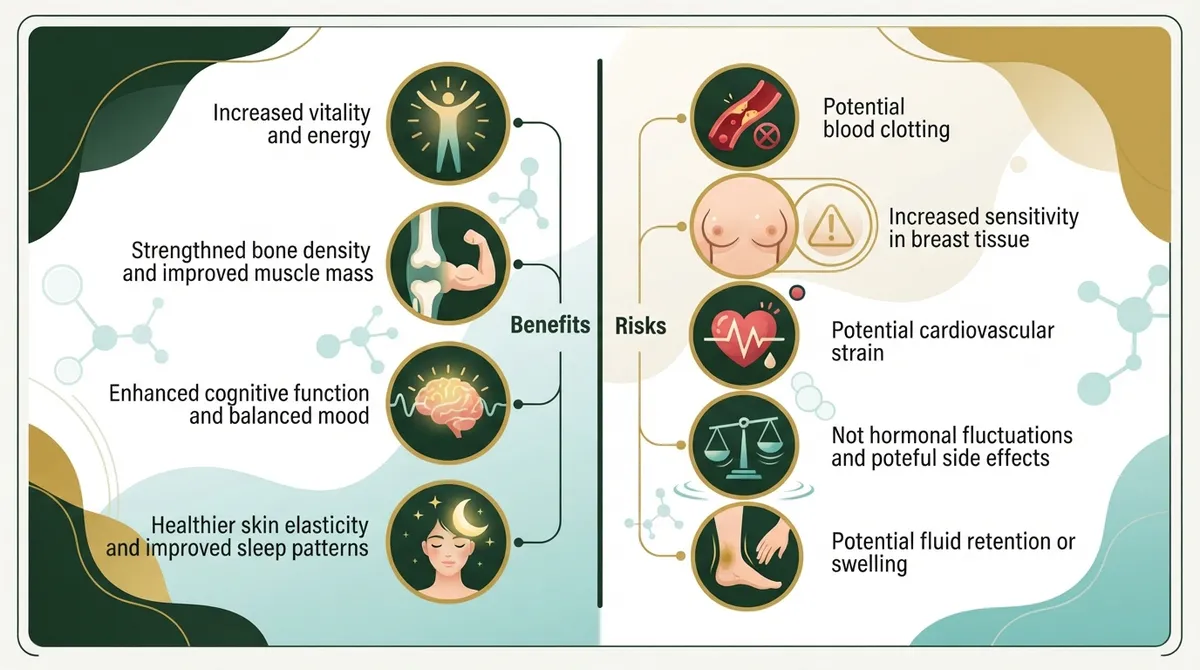
Thinking about hormone therapy or peptide therapy but not sure what’s real and what’s hype? You’re not alone. Every week, people ask us the same question: is this actually safe, and will it actually work for me? The honest answer is that hormone therapy benefits vs risks depend on your body, your labs, and the specific treatment you choose. There’s no one-size-fits-all answer here, and that’s actually good news.
This guide breaks down what the science really says about hormones and peptides. We’ll cover testosterone, menopausal hormone therapy, and popular peptides like BPC-157 and CJC-1295. You’ll learn who benefits most, who should be careful, and how to get monitored the right way. Whether you’re a busy professional short on time or a biohacker who loves the data, this article gives you the facts you need to make a smart choice.
1. Know the Difference Between Hormones and Peptides First
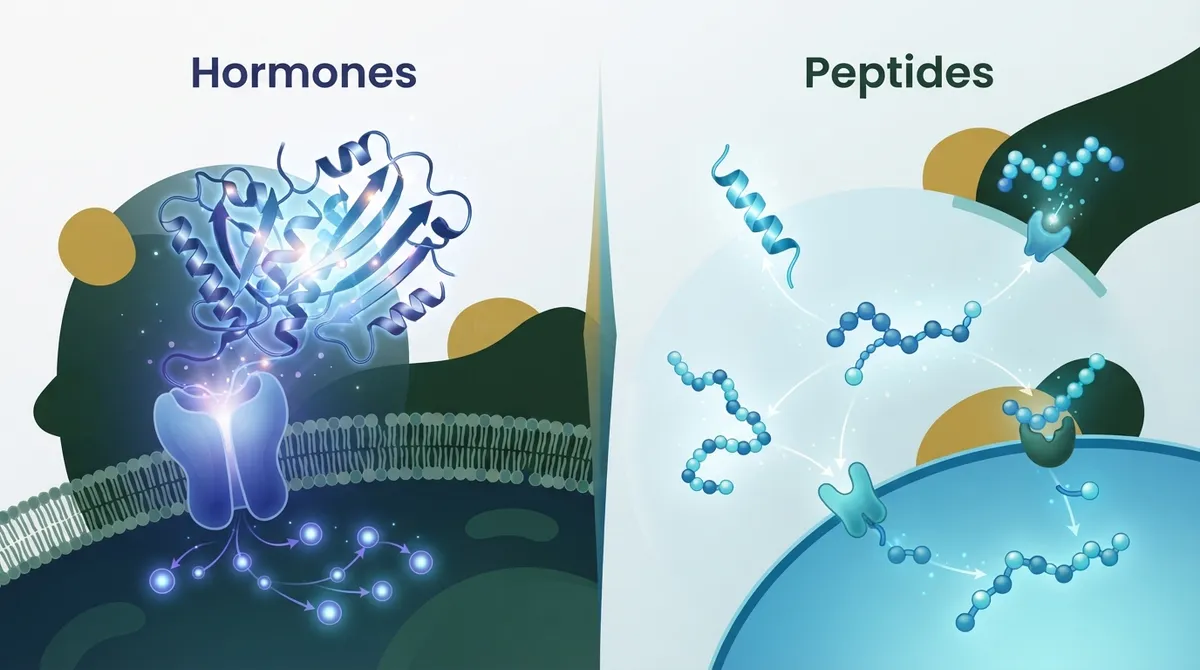
Hormones and peptides are cousins, not twins. Hormones like testosterone, estrogen, and progesterone directly replace what your body has stopped making enough of. Peptides such as sermorelin, ipamorelin, and BPC-157 work differently. They send signals to your body, encouraging it to produce more of its own hormones or repair tissue on its own.
This distinction matters a lot when weighing benefits against risks. According to what are peptides, these small protein chains can influence everything from growth hormone release to healing and immune function. But peptides are not automatically safer just because they sound more natural. Every compound has its own evidence base, dosing needs, and risk profile. If you want the full picture, check out our guide on 8 Facts That Explain What Are Peptides in 2026.

2. Testosterone Therapy Benefits Are Real, But Only for the Right Person
Testosterone replacement therapy isn’t meant for everyone who feels a little tired. The Endocrine Society recommends it only for men with low testosterone confirmed by blood work, plus symptoms that match. This isn’t a treatment for normal aging or a quick energy fix.
When used appropriately, though, the benefits can be meaningful. Here’s what the research shows:
- Improved libido and sexual function in men with confirmed low testosterone
- Increased lean muscle mass and strength
- Better bone mineral density over time
- Correction of certain types of anemia
Energy and mood improvements are less consistent across studies. So if your testosterone is normal but you’re exhausted, the fix probably lies elsewhere. Our article on What Are Low Testosterone Symptoms in Men Really can help you figure out if TRT is even the right conversation to have.
3. The Risks of Testosterone Therapy You Need to Know
No treatment is risk-free, and testosterone is no exception. The most common issue is erythrocytosis, which means your red blood cell count gets too high. Doctors define this as hematocrit above 54%, and it needs regular blood monitoring to catch early.
Other possible risks include:
- Acne and oily skin
- Fluid retention and swelling
- Breast tissue enlargement (gynecomastia)
- Worsening of sleep apnea
- Reduced sperm count and fertility issues
- Possible stimulation of existing prostate conditions
Higher doses and injectable forms that spike blood levels tend to carry more risk than steady, well-monitored dosing. Most placebo-controlled trials only run one to four years, so long-term heart and prostate safety data is still catching up. This is exactly why ongoing lab work matters so much. Learn more in our piece on 11 Facts That Answer Is TRT Safe in 2026.
4. Menopausal Hormone Therapy: Weighing the Upside
For women dealing with hot flashes, night sweats, or vaginal dryness during menopause, hormone therapy can genuinely change quality of life. It’s also effective at preventing bone loss when started at the right time.
| Benefit | Who It Helps Most |
|---|---|
| Reduced hot flashes and night sweats | Women under 60 or within 10 years of menopause |
| Improved genitourinary symptoms | Women with vaginal dryness or discomfort |
| Bone loss prevention | Women at risk for osteoporosis |
The North American Menopause Society’s updated guidance confirms this timing matters. Starting therapy earlier in menopause generally tips the scale toward more benefit and less risk. For a deeper dive, see our article on What Menopause Treatment Options Really Work in 2026.
5. When Menopausal Hormone Therapy Carries More Risk
Timing isn’t the only factor. Starting hormone therapy at age 60 or more than 10 years past menopause changes the risk-benefit math. Studies link late starts to higher concerns about heart disease, stroke, blood clots, and dementia.
There are also situations where hormone therapy should be avoided entirely or only used under specialist care:
- Unexplained vaginal bleeding
- History of estrogen-sensitive cancer
- Active or past blood clot conditions
- Significant heart disease
- Active liver disease
- Suspected pregnancy
Your personal risk depends on your age, the hormone dose, how it’s taken, and how long you use it. This is why a real conversation with a licensed provider matters so much more than a generic online quiz. Our resource on How to Know If You Need Hormone Therapy in 2026 walks through the key questions to ask.
6. Popular Peptides: What the Evidence Actually Supports
Peptides like BPC-157, TB-500, and thymosin alpha-1 get a lot of buzz online. But it’s important to separate marketing claims from actual clinical evidence. Some peptides have solid research behind specific uses, while others are still catching up.
Here’s a quick snapshot of common peptides and their general purpose:
| Peptide | Common Use | Evidence Level |
|---|---|---|
| Sermorelin | Growth hormone support | Moderate, dose-dependent |
| CJC-1295 / Ipamorelin | Recovery, sleep, body composition | Emerging, needs monitoring |
| BPC-157 | Tissue and gut healing | Promising, mostly preclinical |
| Thymosin Alpha-1 | Immune support | Growing clinical interest |
According to the National Library of Medicine, many peptide compounds show promise in early research but still need more long-term human trials. That doesn’t mean they’re useless. It means they should be used thoughtfully, under supervision, with realistic expectations. Curious about specific goals? Check out 13 Peptides for Fat Loss That Really Work in 2026 or 14 Peptides for Muscle Gain Worth Knowing (2026).
7. The Hidden Risks of Compounded and Unregulated Products
Here’s where things get tricky. Compounded peptides and hormones aren’t always held to the same quality standards as FDA-approved medications. This creates real uncertainty for anyone buying products without medical oversight.
Common concerns with unregulated products include:
- Inconsistent potency from batch to batch
- Contamination or sterility problems
- Unclear or unverified ingredient sourcing
- Limited long-term safety data
- No standardized dosing guidance
The 2025 menopause guidance specifically states that compounded bioidentical hormones lack sufficient evidence compared to approved products. This doesn’t mean compounding is always bad. It means you need a trusted source with proper testing and medical supervision. Learn how to spot the difference in our guide, FDA-Approved vs. Compounded Peptides: What Wins.
8. How Proper Monitoring Reduces Risk Significantly
The single biggest factor separating safe hormone therapy from risky hormone therapy is monitoring. Regular blood work catches problems early, before they become serious. This is true whether you’re on testosterone, estrogen, or a peptide protocol.
A responsible treatment plan typically includes these steps:
- Baseline blood work to confirm an actual deficiency or need
- A personalized dose based on your specific labs and goals
- Follow-up testing at regular intervals, usually every few months
- Dose adjustments based on how your body responds
- Ongoing check-ins with a licensed provider to catch side effects early
This is exactly the model Allura Longevity follows. Every client starts with a virtual consultation and comprehensive labs through LabCorp before any treatment begins. Ashley, our board-certified Family Nurse Practitioner, and our licensed medical team design six-month plans based on your actual results, not guesswork. We’re licensed to serve clients in Florida, Georgia, Texas, Connecticut, Indiana, Maryland, New York, and California. If you want to see how this looks for your own goals, explore our options for peptides for women or peptides for men.
9. How to Decide If Hormone or Peptide Therapy Is Right for You
So how do you actually weigh hormone therapy benefits vs risks for your own situation? Start by asking yourself a few honest questions. Do you have symptoms that match a real, testable deficiency? Are you working with a licensed provider who orders labs before prescribing anything? Is your treatment plan personalized, or is it a one-size-fits-all package?
Here’s a simple checklist to guide your decision:
- Get comprehensive blood work before starting any hormone or peptide protocol
- Choose a provider who explains both benefits and risks clearly
- Avoid products with no clear sourcing or quality testing
- Commit to follow-up labs, not just a one-time prescription
- Be wary of anti-aging claims that sound too good to be true
If you check these boxes, you’re in a much better position to see real benefits with manageable risk. Not sure where to start? Our article on How to Start Peptide Therapy Safely and See Real Results is a great next step. And if convenience matters most to you, see why so many busy professionals prefer Local Clinic vs. Telehealth: Best Peptide Therapy Near You.
Your Next Step Toward Safe, Personalized Care
Hormone therapy and peptide therapy can offer real, life-changing benefits when they’re matched to the right person and monitored properly. But they’re not magic, and they’re not risk-free. The science supports careful, individualized care, not one-size-fits-all shortcuts.
At Allura Longevity, we believe you deserve more than guesswork. That’s why we start with a simple $50 virtual consultation, run full LabCorp blood work, and build a six-month plan around your actual biology. Our licensed providers monitor your progress every step of the way, adjusting as needed so you get real results with real safety. Spots fill up fast each month, so if you’re ready to feel like yourself again, request a consultation today or call us at (813) 510-6277. We’re here, and we’re excited to help you get started.
FAQs
Q: What are the proven benefits of hormone therapy compared to peptide therapy?
A: Hormone therapy like testosterone replacement directly restores a confirmed deficiency, improving libido, muscle mass, and bone density. Peptides work more gently, signaling your body to produce hormones or heal tissue naturally, which can complement hormone therapy nicely for many of our clients.
Q: Is testosterone therapy safe if my levels are normal but I feel tired?
A: Not really, since testosterone therapy is meant for confirmed low levels with matching symptoms, not general fatigue. If your labs come back normal, your tiredness likely has another cause worth exploring with your provider first.
Q: What are the risks of compounded peptides like BPC-157 or CJC-1295?
A: Compounded peptides can vary in quality, and without proper testing, you risk contamination or inconsistent dosing. That’s why working with a licensed provider who sources carefully and monitors your progress makes such a big difference.
Q: What monitoring is needed during hormone or peptide therapy?
A: Regular blood work is key, usually starting with baseline labs and continuing every few months to track your response. This helps your provider catch any issues early and adjust your dose so you stay safe and see real results.
Q: Does hormone therapy increase the risk of cancer or blood clots?
A: Risk varies quite a bit based on your age, the specific hormone, dose, and how it’s taken, so there’s no single answer for everyone. This is exactly why personalized evaluation and honest conversations with your provider matter so much before starting treatment.