

Key Takeaways
-
Thymosin alpha-1 has the strongest clinical evidence among immune peptides, with 40+ years of research, but its benefits are specific to conditions like chronic hepatitis B—not proven for general immune boosting in healthy people.
-
No single peptide has been proven to universally 'boost' immunity in healthy adults; peptides like BPC-157, LL-37, and TB-500 lack sufficient human clinical evidence despite heavy marketing in wellness spaces.
-
Thymosin alpha-1 is approved in 30+ countries under brand name Zadaxin but is NOT FDA-approved in the United States, making it important to verify regulatory status before considering any peptide therapy.
-
Medical supervision is essential for immune peptides because they can worsen autoimmune conditions and interfere with immunosuppressive medications used for organ transplants or rheumatoid arthritis.
-
Peptide therapy works best when combined with evidence-based fundamentals: quality sleep, balanced nutrition, regular exercise, stress management, and current vaccinations—not as a replacement for them.
-
Only source peptides from licensed medical providers with quality-controlled sourcing and comprehensive blood work; unregulated online sellers often have unreliable purity, dosing, and sterility.
If you’ve been searching for the best peptides for immune support, you’ve probably noticed something frustrating. Every website seems to promise a magic peptide that will supercharge your immune system overnight. We get it. When you’re dealing with constant colds, slow recovery, or just want to feel more resilient, you want real answers, not hype.
Here’s the honest truth: no single peptide has been proven to universally “boost” immunity in healthy people. But that doesn’t mean the science is empty. Some peptides, especially thymosin alpha-1, have decades of clinical research behind them for specific immune-related conditions. Others, like BPC-157 and LL-37, get talked about a lot in wellness circles but have much thinner evidence. In this guide, we’ll walk through what the research actually shows, so you can have an informed conversation with a licensed provider. Whether you’re a busy professional trying to stay sharp, an aging adult focused on staying resilient, or a biohacker who wants the real data, this one’s for you.
Why “Best Peptides for Immune Support” Is a Tricky Phrase
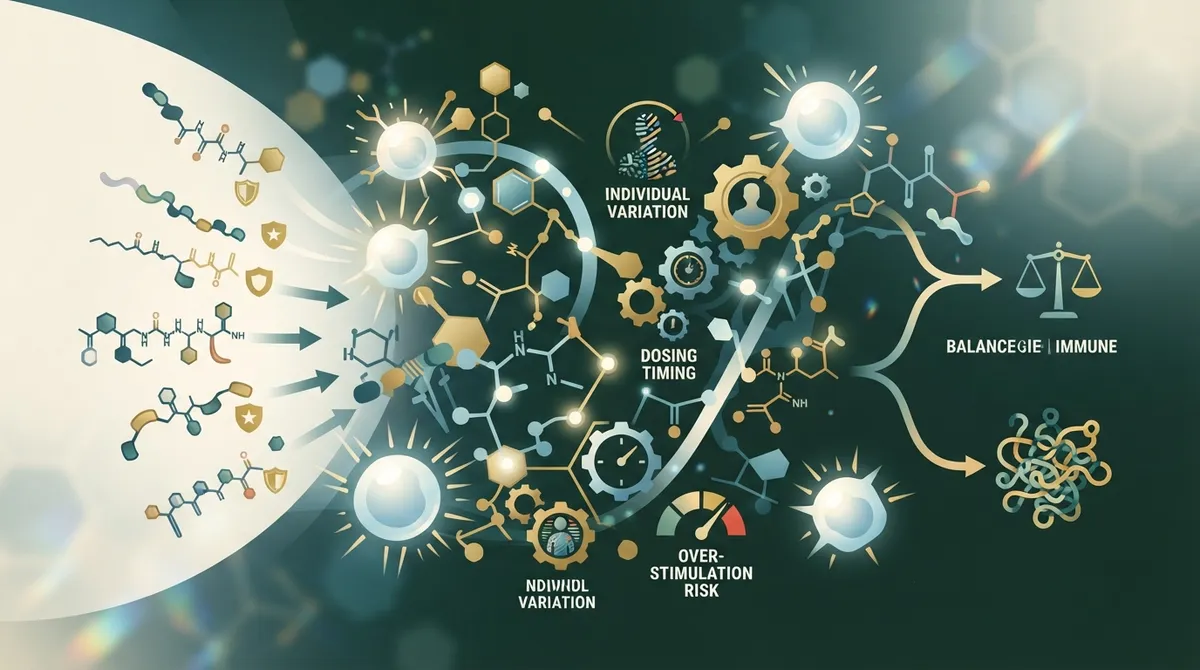
Before we dive into the list, let’s clear something up. The immune system is incredibly complex. It involves T cells, natural killer cells, dendritic cells, antibodies, and dozens of signaling pathways working together. No peptide flips a single switch that makes all of this stronger across the board.
Instead, the peptides getting attention in this space are immunomodulators. That means they may help regulate or fine-tune specific parts of immune function, often in people with a diagnosed condition. This is very different from a healthy person hoping to avoid the next cold. According to what are peptides, these small protein chains act as messengers in the body, and their effects depend heavily on which peptide, which dose, and which condition is being targeted.
If you’re new to this whole world, our guide on 8 Facts That Explain What Are Peptides in 2026 is a great place to start before going further.
1. Thymosin Alpha-1: The Most Studied Option
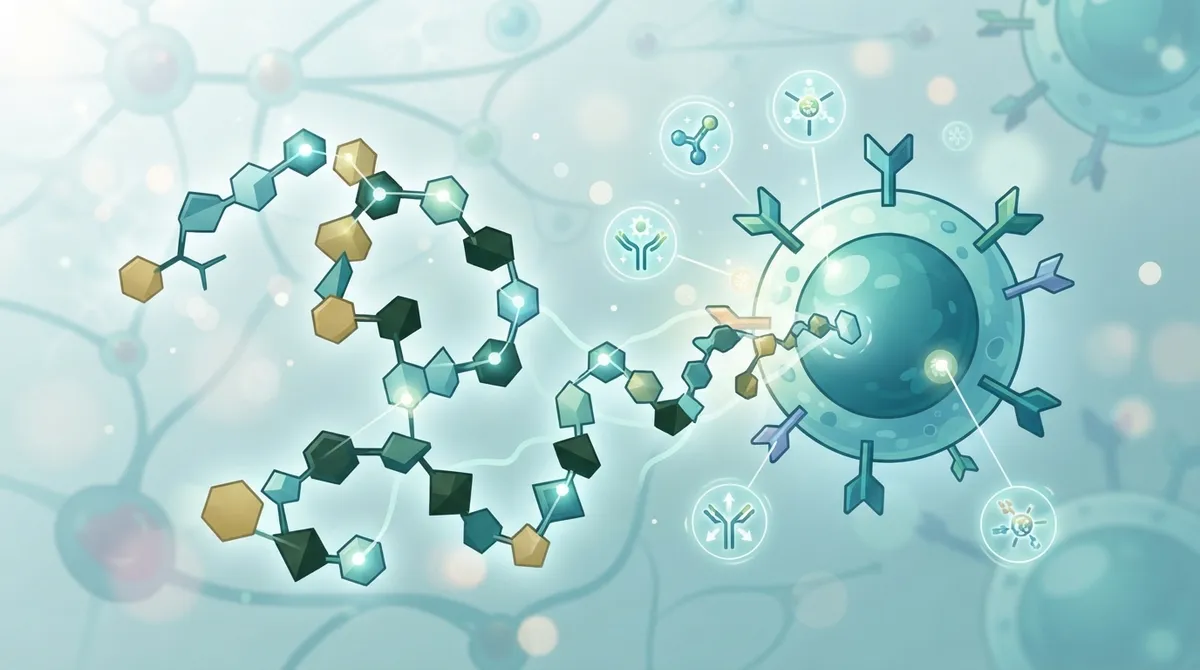
Thymosin alpha-1, often shortened to Tα1, is the clear frontrunner when people talk about immune-support peptides. It’s been studied for over four decades and has more human clinical data than any other peptide in this category.
Tα1 is sold under the brand name Zadaxin in more than 30 countries. It’s approved there mainly for chronic hepatitis B and as a support treatment alongside certain vaccines or cancer therapies. Here’s the catch: it is not FDA-approved for any use in the United States. The FDA has stated clearly that no FDA-approved drug product currently contains thymosin alpha-1.
What the Research Actually Shows
Studies on Tα1 have focused on specific, disease-related situations rather than general wellness. Some notable findings include:
- In controlled studies for chronic hepatitis B, Tα1 monotherapy showed HBeAg seroconversion rates of roughly 25% to 40% in certain trial groups.
- One clinical comparison reported a viral-clearance rate near 40.6% with Tα1, compared to 9.4% in a control group, at 26 weeks. This applies to a specific disease context, not general immunity.
- More than 100 registered human studies have examined Tα1 in infectious disease, oncology, and immune-related conditions, though results vary widely in quality and design.
- Research into severe illnesses like sepsis and COVID-19 has produced mixed results. Some smaller or observational studies hinted at benefit in critically ill patients, but larger randomized trials haven’t confirmed this consistently.
This is important: Tα1’s strongest evidence is disease-specific. It has not been shown to reliably enhance immunity in generally healthy adults who just want fewer sniffles. If you’re curious how this peptide fits into a broader wellness picture, check out our deeper dive on Why Is Thymosin Alpha 1 Peptide Trending for Immunity?
Thymosin Alpha-1 Quick Facts
| Category | Details |
|---|---|
| Brand Name | Zadaxin |
| International Approval | 30+ countries (some sources cite 35+) |
| US FDA Status | Not FDA-approved |
| Primary Studied Uses | Chronic hepatitis B, vaccine response, cancer-related immune support, sepsis (inconclusive) |
| Evidence for Healthy Adults | Not established |
2. BPC-157: Popular in Clinics, Thin on Immune Evidence
BPC-157 has become something of a celebrity peptide in wellness spaces. It’s frequently marketed for gut healing, tissue repair, and yes, immune support. The problem is that the immune claims are running way ahead of the science.
The FDA’s own briefing materials found insufficient evidence that BPC-157 works even for ulcerative colitis, a condition where it has the most research interest. It is not an FDA-approved drug, and rigorous human trials on its immune effects are lacking.
That doesn’t mean BPC-157 is useless. It has genuine interest for other applications, particularly around tissue and gut repair. If that’s more your focus, our articles on 9 BPC-157 Peptide Facts to Know Before You Start and What Are BPC-157 Benefits and Side Effects Really? break down what’s actually supported by research.
3. LL-37 and the Thymosin Beta-4/TB-500 Confusion
Two more names come up often in immune-support conversations: LL-37 and thymosin beta-4 (sometimes sold as TB-500). Let’s separate fact from marketing.
LL-37 is an antimicrobial peptide. It’s part of the body’s natural innate immune defenses and has drawn laboratory interest for its role in fighting bacteria and supporting wound healing. However, clinical evidence in humans is still limited. It’s an interesting research subject, not an established immune therapy.
Thymosin beta-4 and TB-500 get lumped in with thymosin alpha-1 constantly, but they are not the same molecule and don’t share the same evidence base. Their immune-related claims rest mostly on preclinical or animal studies. If you want the full picture on this often-confused peptide, take a look at 13 Facts About TB-500 Peptide You Need in 2026.
Comparing the Three Options
| Peptide | Human Evidence Level | Best-Known Use Case | FDA Status |
|---|---|---|---|
| Thymosin Alpha-1 | Moderate to strong (disease-specific) | Chronic hepatitis B, vaccine response | Not FDA-approved in US |
| BPC-157 | Weak for immune claims | Tissue/gut repair (preclinical focus) | Not FDA-approved |
| LL-37 / TB-500 | Early/preclinical | Antimicrobial activity, wound healing (lab studies) | Not FDA-approved |
How to Evaluate Any Immune-Support Peptide
Before you consider any peptide for immune purposes, it helps to ask a few smart questions. Here’s a simple checklist:
- What specific condition or goal is this peptide meant to address?
- Is there human clinical evidence, or just lab and animal studies?
- What is the regulatory status in the United States?
- Could this interact with medications you’re already taking, especially immunosuppressants?
- Is the product coming from a licensed provider with quality-controlled sourcing?
This last point matters more than people realize. Peptides sold as “research chemicals” or through unregulated online sellers may have unreliable purity, dosing, and sterility. A study published through the National Library of Medicine highlights how important proper sourcing and clinical oversight are when using peptide-based therapies.
What Actually Supports a Healthy Immune System
Here’s something that doesn’t get said enough: the biggest wins for immune health often come from the basics. Peptide therapy can be one piece of a bigger picture, but it works best alongside these foundations:
- Consistent, quality sleep (your immune system does major repair work at night)
- Balanced nutrition with enough protein, vitamins, and minerals
- Regular movement and stress management
- Staying current on recommended vaccinations
- Managing underlying conditions like diabetes or autoimmune disease with your care team
If you’re already doing all this and still feel like something’s missing, that’s exactly the kind of situation where personalized, blood-work-based peptide therapy can help identify gaps. To learn how this process works from the ground up, read How to Support Immune Health With Peptide Therapy.
Why Medical Supervision Matters So Much Here
We know it’s tempting to order peptides online and experiment on your own. But immune-related peptides carry real risks if used without guidance. Some conditions, like autoimmune disorders, could actually get worse with the wrong immunomodulator. And if you’re on immunosuppressive medication for something like an organ transplant or rheumatoid arthritis, certain peptides could interfere with your treatment plan entirely.
This is exactly why working with licensed medical providers matters. At Allura Longevity, every treatment plan starts with real blood work through LabCorp and a full review of your health history. Ashley, our board-certified Family Nurse Practitioner, and our clinical team design plans based on your actual biology, not guesswork. If you’re wondering whether your current health picture calls for immune support, weight management, or another type of peptide protocol, our piece on How to Start Peptide Therapy Safely and See Real Results walks through what that process looks like.
Steps to Get Started the Right Way
- Schedule a virtual consultation to discuss your goals and health history.
- Complete comprehensive blood work to identify what your body actually needs.
- Review your personalized six-month treatment plan with a licensed provider.
- Receive your peptides shipped directly to your home.
- Check in regularly so your provider can adjust your plan as your body responds.
This approach takes the guesswork out of peptide therapy. Instead of chasing trendy compounds with weak evidence, you get a plan built around your labs, symptoms, and goals.
A Quick Word on Regulatory Status
Peptide regulation is a moving target, and it’s worth staying current. As of now, thymosin alpha-1 remains unapproved by the FDA for any indication in the United States, even though it holds approval in dozens of other countries. BPC-157 and TB-500 fall into a similar unapproved category. Regulatory guidance around compounded peptides has also been shifting, so anyone considering these therapies should look for a provider who stays on top of these changes and sources responsibly.
The Bottom Line
So, what’s the real answer to “best peptides for immune support”? Thymosin alpha-1 has the strongest human evidence, but even that evidence is specific to certain conditions, not general immune enhancement. BPC-157, LL-37, and TB-500 are interesting research subjects, but they aren’t proven immune therapies yet.
The smartest path forward isn’t chasing the newest peptide trend. It’s getting real lab work, talking to a licensed provider, and building a plan around your actual body. We know that’s not as flashy as a miracle-peptide headline, but it’s the approach that actually protects your health long-term.
Ready to find out what your body really needs? Request a consultation with our team today and let’s build a personalized plan together. Spots are limited each month, so don’t wait to get started on feeling like your best self.
FAQs
Q: What is the best peptide for immune support?
A: Thymosin alpha-1 currently has the most human clinical research behind it among peptides marketed for immune support. That said, its strongest evidence applies to specific conditions like chronic hepatitis B, not general immune boosting in healthy people. We always recommend chatting with a licensed provider before deciding what, if anything, makes sense for you.
Q: Is thymosin alpha-1 FDA-approved in the United States?
A: No, it’s not. Thymosin alpha-1 is approved in more than 30 countries under the brand name Zadaxin, but the FDA has not approved any drug product containing it here in the US. That’s an important detail to know before considering this peptide.
Q: Can thymosin alpha-1 prevent colds, flu, or COVID-19?
A: There just isn’t solid evidence to support that claim. Research on Tα1 for severe COVID-19 and sepsis has been mixed and inconclusive, so it shouldn’t be viewed as a preventive tool for everyday illnesses. Good sleep, nutrition, and vaccination still do the heavy lifting for most healthy people.
Q: Is BPC-157 effective for immune support?
A: Right now, no. FDA briefing materials found insufficient evidence even for its most-studied use in ulcerative colitis, let alone broader immune claims. It’s an interesting peptide for other purposes, but immune support isn’t where its evidence is strongest.
Q: What’s the difference between thymosin alpha-1, thymosin beta-4, and TB-500?
A: They sound similar, but they’re different molecules with different research backgrounds. Thymosin alpha-1 has real clinical trial history for specific immune conditions, while thymosin beta-4 and TB-500 rely mostly on preclinical and animal data. Mixing them up is a common mistake we try to help people avoid.





