
Key Takeaways
-
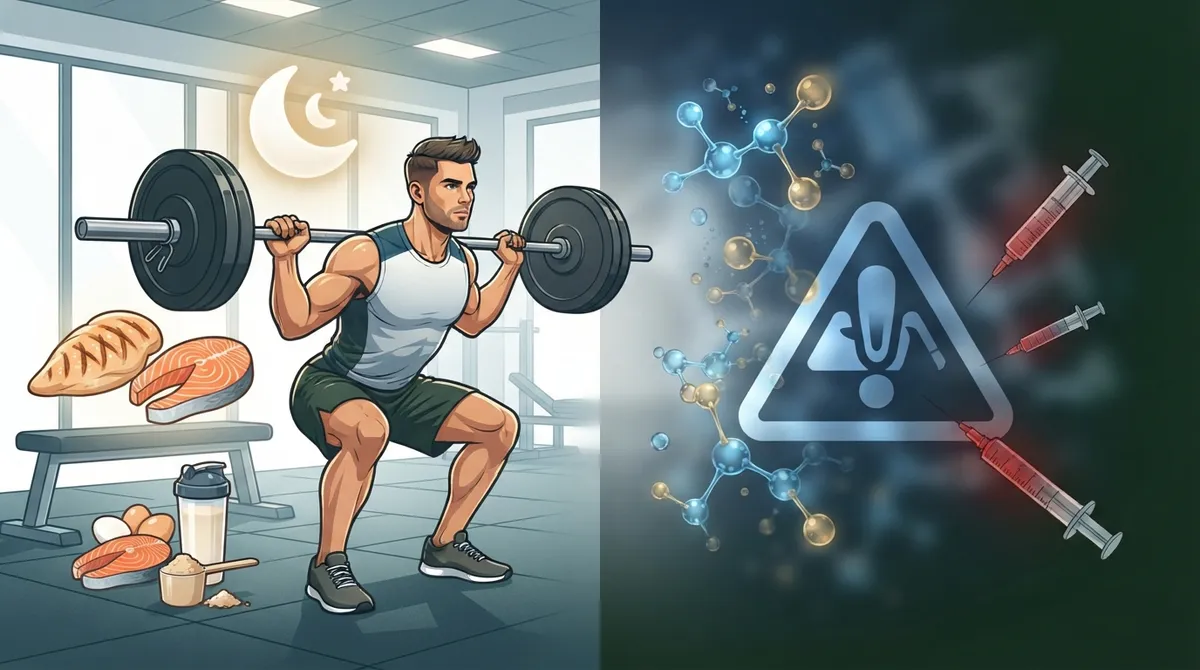
Collagen peptides combined with resistance training show real strength benefits in clinical trials, unlike most injectable growth-hormone peptides which have limited evidence in healthy adults.
-
Growth-hormone-axis peptides like CJC-1295 and ipamorelin are banned by WADA for competitive athletes at all times, and modern drug testing can detect them even at low doses.
-
Most injectable peptides carry significant endocrine risks including blood sugar changes, fluid retention, and unknown long-term effects on cardiovascular health and cancer risk that require medical supervision.
-
BPC-157 and TB-500 are tissue-repair peptides for injury recovery, not strength building, and neither is FDA-approved for human use with products from unregulated sellers varying wildly in purity.
-
The strongest evidence for strength gains still comes from progressive resistance training, adequate protein, quality sleep, and creatine—peptides should only play a supporting role, not replace fundamentals.
-
Tesamorelin is FDA-approved only for HIV-related abdominal fat reduction, not for general strength training, so verify with your provider whether any peptide is approved for your specific goal.
If you spend time in the gym, you’ve probably heard whispers about peptides for strength training. Maybe a friend mentioned CJC-1295. Maybe your favorite fitness account posted about BPC-157 for a nagging shoulder. It’s exciting territory, but it’s also confusing. Which peptides actually help? Which ones are just hype? And which ones could get you in trouble if you compete?
We wrote this guide to cut through the noise. Whether you’re a busy professional squeezing in workouts before work, a biohacker who loves tracking every metric, or someone simply trying to stay strong as you age, you deserve clear answers. We’ll walk through the most talked-about peptides, what real research actually shows, and how to think about safety. And if you decide peptide therapy might fit your goals, Allura Longevity offers personalized, physician-guided plans built around your own blood work.
Let’s get into it.
What Do People Mean by Peptides for Strength Training?
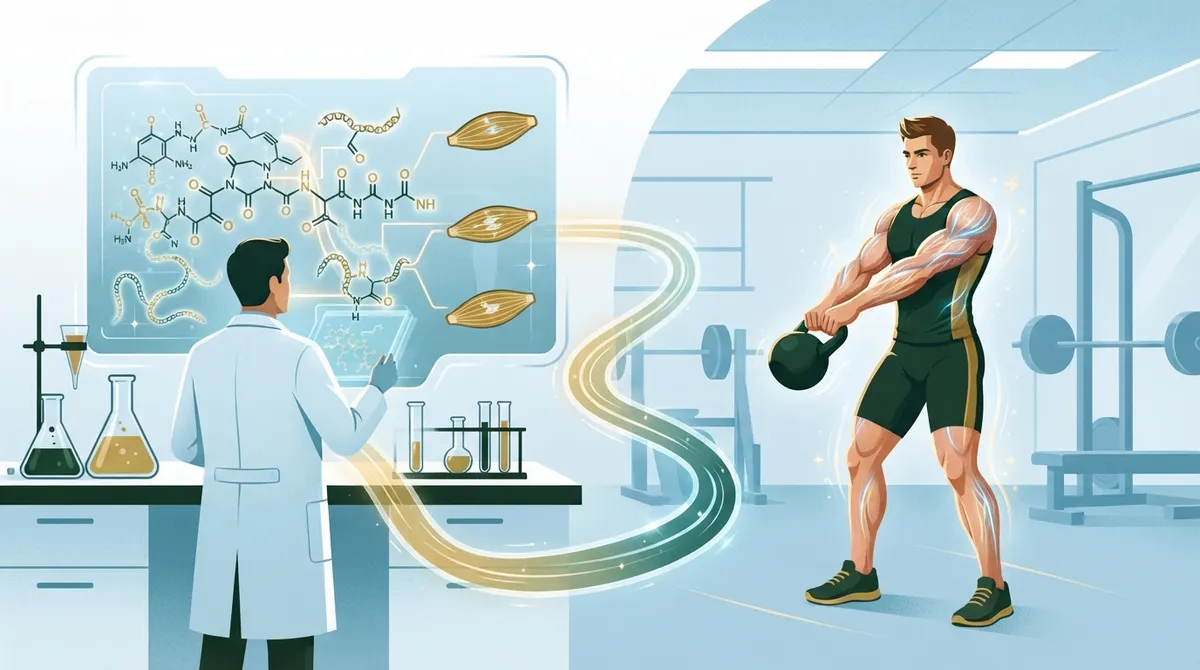
The term covers a lot of ground. It’s not just one product or one mechanism. Understanding the categories helps you make smarter decisions and ask better questions during a consultation.
In the peptide therapy world, “peptides for strength training” usually falls into three buckets:
- Growth-hormone-axis peptides: These include CJC-1295, sermorelin, ipamorelin, GHRP-2, GHRP-6, hexarelin, tesamorelin, and ibutamoren (MK-677). They work by encouraging your body to release more natural growth hormone.
- Tissue-repair peptides: BPC-157 and TB-500 fall here. People use these for recovery support after training injuries, not for building raw strength.
- Collagen peptides: These are nutritional supplements, not injectable medications. They support connective tissue and may help with strength gains when paired with resistance training.
These three categories work in very different ways. They also carry very different levels of evidence and regulatory oversight. Lumping them together is where most confusion starts.
1. CJC-1295 and Sermorelin: The Growth Hormone Releasers
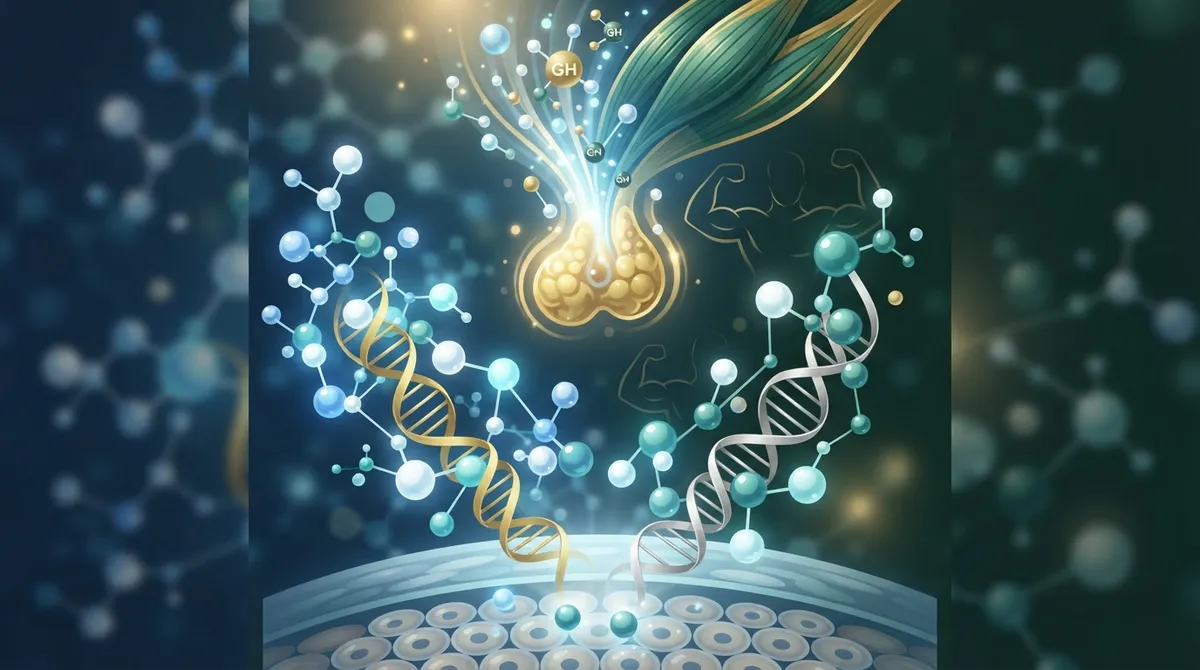
CJC-1295 and sermorelin are growth-hormone-releasing hormone (GHRH) analogues. In simple terms, they signal your pituitary gland to release more growth hormone naturally. This is different from injecting synthetic growth hormone directly.
People interested in strength training sometimes use these peptides hoping for better recovery, improved sleep, and support for lean muscle. Some clients pair them with a broader plan that includes protein intake and consistent training. If you want to understand dosing and safety basics, our guide on how to use CJC-1295 peptide safely for real results breaks it down step by step.
Here’s the honest truth: human evidence for meaningful strength or muscle gains from these peptides in healthy, resistance-trained adults remains limited. Most studies are small, short, or focused on specific patient groups rather than gym-goers chasing personal records.
2. Ipamorelin and GHRP-2/GHRP-6: The Growth Hormone Secretagogues
Ipamorelin, GHRP-2, and GHRP-6 belong to a class called growth hormone secretagogues. They stimulate the pituitary gland in a slightly different way than GHRH analogues, often with fewer effects on appetite and cortisol (particularly with ipamorelin).
Many people ask about combining these with resistance training for recovery support. Our detailed breakdown on ipamorelin peptide therapy benefits, dosing, and safety covers what to expect realistically.
It’s worth repeating: these compounds can shift your growth-hormone and IGF-1 levels. That’s a big deal for your endocrine system. Possible side effects include fluid retention, joint discomfort, headaches, and changes in blood sugar regulation. This is exactly why medical supervision matters so much.
3. Tesamorelin: Approved for One Thing, Marketed for Another
Tesamorelin has actual FDA approval, but only for reducing excess abdominal fat in adults with HIV-associated lipodystrophy. That’s a very specific, narrow use.
Despite that approval, tesamorelin gets marketed widely for general fat loss, muscle definition, and athletic performance. Here’s the problem: FDA approval for one condition doesn’t mean it’s proven safe or effective for building strength in a healthy adult. Learn more about the real data in our piece on tesamorelin for weight loss facts.
This is a good reminder to ask your provider: “Is this peptide approved for what I actually want to use it for?” A trustworthy clinic will give you a straight answer.
4. BPC-157 and TB-500: Recovery Support, Not Strength Builders
BPC-157 and TB-500 get talked about constantly in strength training circles, especially among people recovering from injuries. These are tissue-repair peptides, not muscle-building compounds. They’re thought to support tendon, ligament, and soft tissue healing.
If you’re dealing with a nagging injury slowing down your training, it’s worth learning the difference between hope and evidence. Our article on BPC-157 peptide facts to know before you start lays out what research actually supports.
Neither BPC-157 nor TB-500 is FDA-approved for human use. Products from unregulated online sellers can vary wildly in purity, sterility, and even actual peptide content. That’s a real risk, especially with anything you’re injecting.
5. Collagen Peptides: The Underrated Nutrition Player
Here’s where the science actually looks encouraging. Collagen peptides are completely different from the injectable compounds above. They’re a nutritional supplement, usually taken as a powder, and they’re not regulated the same way as prescription peptides.
A 2025 review of peptide nutrition looked at eight randomized clinical trials meeting strict criteria. It found that collagen peptides, when combined with resistance training, showed real potential benefits for strength and body composition. One trial gave untrained middle-aged men 15 grams of collagen peptides daily for 12 weeks. Result? Improved strength across participants and a meaningful drop in fat mass compared to placebo.
That’s a solid, simple takeaway: collagen peptides paired with consistent lifting may help, especially for people who are newer to training or a bit older. But don’t confuse this with growth-hormone secretagogues. They’re not interchangeable, and collagen peptides won’t produce the same hormonal effects (for better or worse).
Comparing the Peptide Categories
| Peptide Category | Examples | Primary Use | Evidence Strength |
|---|---|---|---|
| GH-Releasing Peptides | CJC-1295, Sermorelin | Growth hormone support, recovery | Limited in healthy adults |
| GH Secretagogues | Ipamorelin, GHRP-2, GHRP-6, Hexarelin | GH stimulation, appetite/recovery | Limited, mostly short-term studies |
| Approved Metabolic Peptide | Tesamorelin | Fat reduction (specific condition) | Approved for narrow indication only |
| Tissue Repair Peptides | BPC-157, TB-500 | Injury recovery support | Early-stage, not FDA-approved |
| Nutritional Collagen | Collagen peptides | Strength, body composition | Moderate, supported by RCTs |
Understanding the Real Risks
Before you consider any strength-related peptide, it helps to know what you’re actually signing up for. Growth-hormone-axis peptides can affect much more than your muscles.
- Endocrine disruption: These peptides alter your natural GH/IGF-1 axis, which controls more than muscle growth. Long-term effects on cardiovascular health and cancer risk aren’t fully studied for many compounds.
- Blood sugar changes: Some secretagogues can worsen insulin sensitivity, a concern especially for anyone with metabolic risk factors.
- Product quality issues: Peptides from unregulated or overseas vendors may not contain what the label claims. Sterility and dosing accuracy can’t be guaranteed.
- Fluid retention and joint discomfort: Common early side effects that some people find bothersome enough to stop treatment.
- Unknown long-term safety: Many of these compounds haven’t been studied over years of continuous use in healthy adults.
This is why working with a licensed medical provider matters so much. A good provider reviews your blood work, discusses your specific health history, and monitors you along the way rather than just handing you a vial and wishing you luck.
A Note for Competitive Athletes
If you compete in any sport governed by anti-doping rules, please pay close attention here. The World Anti-Doping Agency’s 2026 Prohibited List places growth hormone, GHRH analogues like CJC-1295 and sermorelin, and secretagogues like ipamorelin, ibutamoren, GHRP-2, GHRP-6, and hexarelin firmly in the prohibited category. This applies at all times, in and out of competition, unless you have an approved therapeutic-use exemption.
Testing has also gotten more sophisticated. Modern drug testing can detect many of these peptides, even at low doses. If you’re a competitive athlete, always confirm current prohibited-substance status with your governing body before starting anything. Our resource on best peptides for athletes worth knowing covers this topic in more depth, including which options are considered safer for competitive use.
What Actually Works Best for Strength Gains?
Let’s be real with each other for a second. The strongest, most consistent evidence for building strength still comes from the basics:
- Progressive resistance training (lifting weights consistently, increasing load over time)
- Adequate protein intake spread throughout the day
- Quality sleep, which supports natural hormone production
- Creatine monohydrate, one of the most researched supplements for strength
- Collagen peptides, which show modest but real benefits when paired with training
Peptide therapy, when used thoughtfully, can play a supporting role. It might help with recovery, sleep quality, or general vitality that makes consistent training easier. But it’s not a replacement for the fundamentals. Anyone promising instant muscle gains from an injection alone isn’t giving you the full picture.
How Allura Longevity Approaches Peptide Therapy Differently
At Allura Longevity, we believe honesty comes before hype. Our process starts with a simple $50 virtual consultation. From there, we order comprehensive blood work through LabCorp so we understand your actual hormone levels, not just guesses.
Based on those results and your personal goals, our licensed providers, led by board-certified Family Nurse Practitioner Ashley, build a customized six-month treatment plan. Everything ships straight to your door, and we monitor your progress with ongoing check-ins and adjustments along the way. To learn more about what this whole process looks like, check out how to start peptide therapy safely and see real results.
We’re proud to offer telehealth care nationwide, with licensing in Florida, Georgia, Texas, Connecticut, Indiana, Maryland, New York, and California. If you’re comparing options, our comparison guide on local clinic vs. telehealth peptide therapy can help you decide what fits your lifestyle best.
Questions to Ask Before Starting Any Peptide Protocol
Feeling ready to explore your options? Here’s a simple checklist to bring to any consultation:
- Is this peptide approved for my specific goal, or is it being used off-label?
- What does current research actually show for someone with my health profile?
- Where does this peptide come from, and how is quality verified?
- What side effects should I watch for, and how will we monitor them?
- Am I subject to any anti-doping rules I need to consider first?
A good provider won’t dodge these questions. They’ll welcome them, because informed patients make better long-term partners in their own care.
Bringing It All Together
Peptides for strength training aren’t a magic shortcut, and honestly, that’s okay. What matters most is understanding which category you’re dealing with, what the evidence actually supports, and whether a compound fits safely into your life and goals. Growth-hormone secretagogues carry real endocrine risks and doping concerns. Tissue-repair peptides remain unapproved and understudied. Collagen peptides offer modest, real support when paired with resistance training.
The most reliable path forward combines smart training, solid nutrition, and if appropriate, a personalized peptide plan built around your actual blood work rather than internet trends. You deserve a plan that’s built for your body, not a one-size-fits-all approach copied from a forum post.
Ready to see what a customized, medically supervised approach could look like for you? Request a consultation with Allura Longevity today. Spots for new clients are limited each month, and our team is here to answer your questions honestly, every step of the way. You can also call us directly at (813) 510-6277 to get started.
FAQs
Q: Do peptides actually increase strength or muscle mass?
A: The honest answer is: it depends on the peptide. Most injectable growth-hormone peptides have limited human evidence for real strength gains in healthy adults, while collagen peptides paired with resistance training show more promising results in recent research.
Q: Are CJC-1295 and ipamorelin legal for athletes?
A: No, not for competitive athletes. The World Anti-Doping Agency’s 2026 Prohibited List classifies these as banned substances at all times, so always check with your governing body before use.
Q: Is BPC-157 approved for human use or strength training?
A: Not yet. BPC-157 is not FDA-approved for any human use, including strength training or recovery, so it’s important to understand the research gaps before considering it.
Q: What is the difference between collagen peptides and injectable performance peptides?
A: Collagen peptides are nutritional supplements you take orally, while performance peptides like CJC-1295 or ipamorelin are injectable compounds that affect your hormone system. They work completely differently and carry very different risk profiles.
Q: Can peptide therapy be combined with resistance training, protein, and creatine?
A: Yes, many people combine a personalized peptide plan with solid training and nutrition habits. In fact, peptides work best as a supporting piece of a bigger picture that includes lifting, protein, sleep, and consistency.





