
Key Takeaways
-
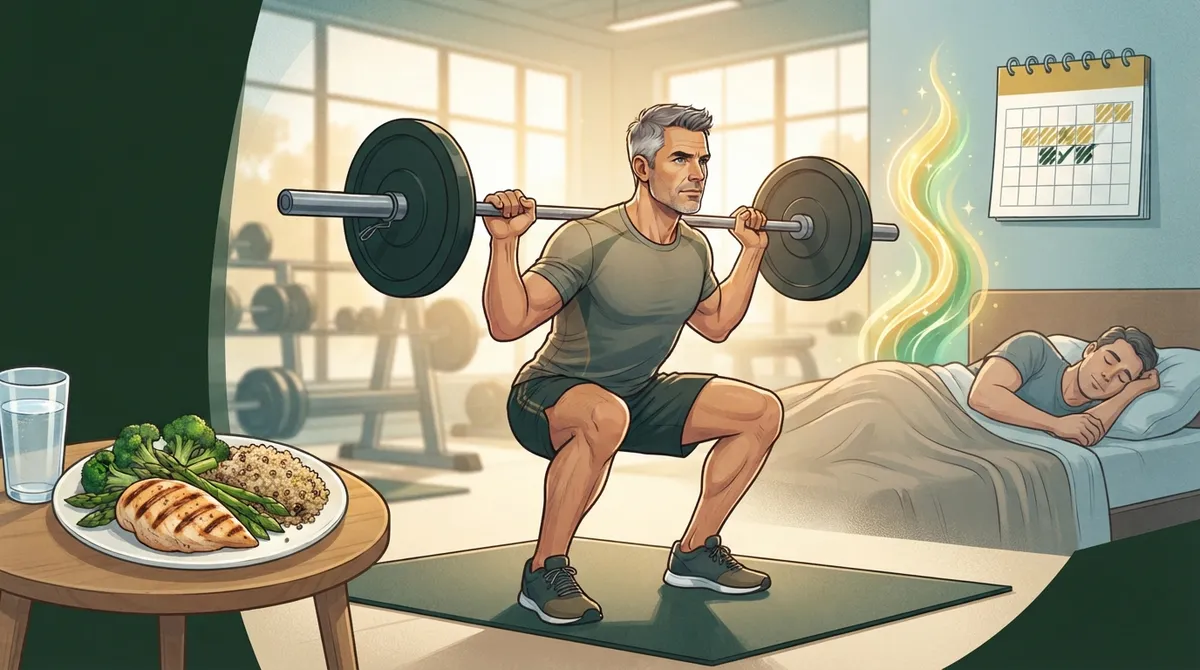
Progressive resistance training 2-3 times weekly targeting major movement patterns is the single most important habit for building muscle after 40, outperforming sporadic intense workouts.
-
Increase daily protein intake to 1.0-1.6 grams per kilogram of body weight, spread across 3-4 meals with 25-40 grams per meal to keep muscle-building signals active throughout the day.
-
Prioritize 7-9 hours of sleep nightly and allow at least 48 hours recovery between sessions targeting the same muscles, as muscle is built during rest, not in the gym.
-
Get comprehensive blood work including glucose, cardiovascular, kidney/liver function, and hormone panels before starting any new therapy to identify underlying conditions affecting muscle growth.
-
Creatine monohydrate (3-5g daily) has stronger scientific evidence for muscle support than peptides like CJC-1295 and ipamorelin, which remain unproven in human studies for muscle building.
-
Track multiple progress markers over 8-12 weeks including strength gains, body composition, and waist circumference rather than relying on scale weight alone to measure real results.
Forty hits different. You lift the same weights, eat the same meals, and somehow your muscles just don’t respond the way they used to. If that sounds familiar, take a breath. You’re not broken, and you’re definitely not alone. Building muscle after 40 is completely possible, it just asks a little more strategy than it did at 25.
The good news? Science gives us clear answers. Resistance training, smart protein intake, quality sleep, and medical support can all work together to help you build real, lasting strength. Some people also explore peptides for muscle gain as a supervised addition to their routine, but let’s be clear from the start: nothing replaces the fundamentals. This guide will walk you through what actually works, what the research says about peptide therapy, and how to build a plan that fits your real life.
Why Muscle Gets Harder to Build After 40
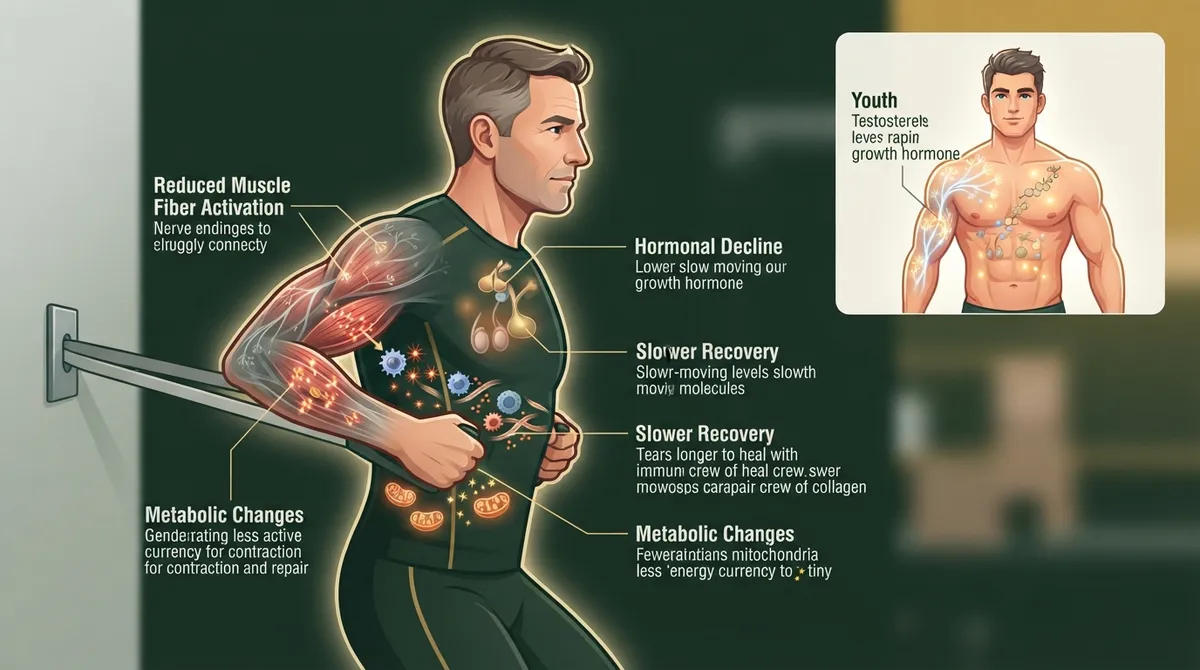
Your body doesn’t stop building muscle after 40. It just gets a little more stubborn about it. Several things happen behind the scenes that slow things down.
- Anabolic resistance: your muscles need more stimulus and protein to trigger the same growth response
- Slower recovery: workouts take longer to bounce back from
- Hormonal shifts: testosterone and growth hormone levels naturally decline with age
- Less daily activity: busy careers and family life often mean less movement overall
- Underlying health issues: things like thyroid problems or insulin resistance can quietly get in the way
Sarcopenia, the medical term for age-related muscle loss, is more common than most people realize. Estimates suggest it affects roughly 10% to 40% of older adults, depending on how it’s measured, according to a 2024 umbrella review of systematic reviews. Another 2025 review in the Journal of Cachexia, Sarcopenia and Muscle found prevalence rates between 10% and 27% in adults 60 and older. The takeaway? Muscle loss is common, but it’s not inevitable, and it’s very manageable with the right approach.
The Real Foundation: Resistance Training
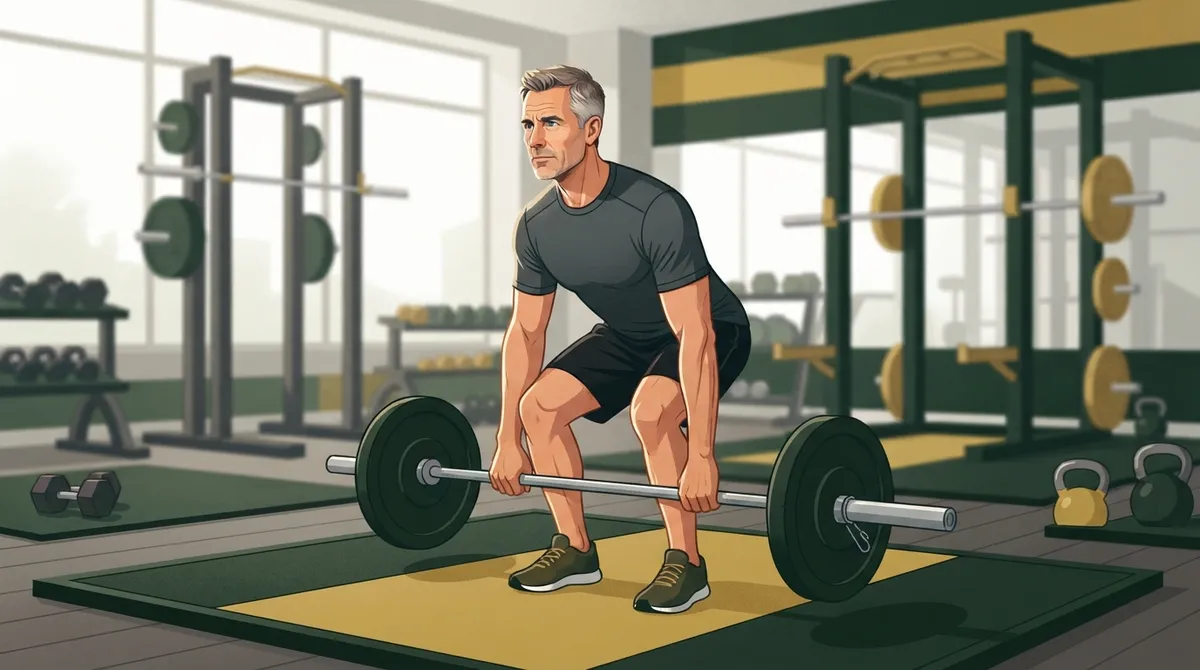
If you want to build muscle after 40, lifting weights isn’t optional. It’s the single most important habit you can build. Progressive resistance training means gradually asking your muscles to do a little more over time, whether that’s more weight, more reps, or more sets.
A Simple Weekly Starting Point
- Train your full body at least twice a week
- Cover major movement patterns: squat, hinge, push, pull, and carry
- Start with manageable weights and focus on good form
- Add small amounts of weight or reps every one to two weeks
- Rest at least 48 hours between sessions targeting the same muscles
You don’t need to spend two hours a day in the gym. Two or three focused sessions a week, done consistently, will outperform sporadic marathon workouts every time. Consistency beats intensity, especially after 40.
Protein: The Building Block You Can’t Skip
Protein needs actually go up as we age, not down. This surprises a lot of people. Research suggests many adults over 40 benefit from roughly 1.0 to 1.3 grams of protein per kilogram of body weight daily, while active individuals may need closer to 1.2 to 1.6 grams per kilogram, always under professional guidance.
| Protein Source | Approximate Protein per Serving | Why It Helps |
|---|---|---|
| Chicken breast (4 oz) | 26g | Lean, high in leucine |
| Greek yogurt (1 cup) | 20g | Easy to add to meals |
| Eggs (2 large) | 12g | Complete amino acid profile |
| Salmon (4 oz) | 25g | Protein plus omega-3s |
| Lentils (1 cup cooked) | 18g | Plant-based option with fiber |
A commonly cited target is 25 to 40 grams of protein per meal, spread across three or four meals a day rather than saved for dinner. This steady approach keeps muscle-building signals active throughout the day instead of one big spike.
Sleep and Recovery Matter More Than You Think
Muscle isn’t built in the gym. It’s built while you sleep and rest. After 40, recovery windows often need to stretch a little longer, and skipping this step can quietly undo your hard work.
- Aim for seven to nine hours of sleep most nights
- Take at least one full rest day between intense workouts
- Manage stress, since chronic stress raises cortisol and can interfere with muscle repair
- Stay hydrated, since even mild dehydration can hurt performance and recovery
If you’re constantly tired despite doing everything right, it may be worth exploring options like those discussed in how to pick peptides for energy that actually work, always alongside a conversation with a licensed provider.
Where Peptide Therapy Fits Into the Picture
You’ve probably heard about peptides like CJC-1295, ipamorelin, and BPC-157 in fitness and longevity circles. Here’s the honest truth: the science on these compounds for muscle building in humans is still developing.
CJC-1295 and ipamorelin are growth-hormone secretagogues, meaning they may encourage the body to release more natural growth hormone. But human research remains limited, and early clinical studies have mostly focused on safety and hormone response rather than proven muscle gains. Adverse effects reported in early studies included injection-site reactions, flushing, and headache.
BPC-157 has even less human evidence. Most of what we know comes from animal and lab studies, according to summaries referenced in FDA-related safety discussions. It has not been shown in robust human trials to build muscle, and it is not an FDA-approved treatment for this purpose.
| Peptide | Common Claim | Human Evidence Level | FDA-Approved for Muscle Growth? |
|---|---|---|---|
| CJC-1295 | Boosts growth hormone release | Limited | No |
| Ipamorelin | Supports GH pulses, recovery | Limited | No |
| BPC-157 | Tissue repair, recovery support | Very limited (mostly preclinical) | No |
This doesn’t mean these therapies have no place at all. It means they should be viewed as potential adjuncts, not replacements, for training, nutrition, and sleep. If you’re curious how these compounds actually work, resources like how to use CJC-1295 peptide safely for real results and ipamorelin peptide therapy benefits, dosing, and safety break things down in more detail. You can also learn more about what are peptides and how they function in the body from a general health perspective.
Creatine: The Underrated Muscle Ally
While peptides get a lot of buzz, creatine monohydrate has decades of solid research behind it. Typically taken at 3 to 5 grams daily, creatine has stronger evidence for supporting strength and lean mass than most experimental peptides currently marketed for muscle building.
That said, anyone with kidney disease or other relevant health conditions should still discuss creatine use with a clinician first. It’s a simple, well-studied tool, but it’s not automatically right for everyone.
Why Medical Screening Matters Before Starting Anything New
Before jumping into any new therapy, whether it’s a supplement, hormone support, or peptide protocol, a proper medical evaluation is essential. This is especially true after 40, when the odds of an undiagnosed condition affecting your progress go up.
A thorough screening may include:
- A full medical history and current medication review
- Blood glucose and diabetes risk assessment
- Cancer history screening
- Sleep apnea risk evaluation
- Cardiovascular health check
- Kidney and liver function tests
- Relevant hormone panels, including testosterone and thyroid markers
This kind of screening isn’t just a formality. Growth-hormone-related therapies, for example, carry potential concerns like fluid retention, joint discomfort, carpal-tunnel-like symptoms, and impaired glucose regulation. There’s also theoretical concern about stimulating existing malignancies, which is why cancer history matters so much. According to the National Library of Medicine, protein and resistance training research consistently emphasizes individualized assessment over one-size-fits-all approaches.
Tracking Progress the Smart Way
The scale lies. Or at least, it doesn’t tell the whole story. After 40, it’s smarter to track multiple markers over 8 to 12 weeks rather than obsessing over daily weight changes.
- Body weight (as one data point among many)
- Waist circumference
- Strength gains in key lifts
- Training volume over time
- Daily protein intake
- Sleep quality and duration
- Body composition, if available through your provider
Strength and function often matter more than the number on the scale. If you’re lifting heavier and moving better after three months, you’re winning, even if your weight hasn’t budged much.
Building a Plan That Actually Fits Your Life
Here’s a realistic approach for building muscle after 40, combining what actually works:
- Start resistance training two to three times weekly, focusing on compound movements
- Eat 25 to 40 grams of protein per meal, spread across the day
- Prioritize seven to nine hours of sleep each night
- Consider creatine monohydrate after checking with your provider
- Get blood work done to rule out hormone imbalances or other issues
- Discuss any interest in peptide therapy with a licensed clinician before starting
- Reassess progress every 8 to 12 weeks using multiple markers
If you’re wondering whether personalized, medically supervised care could help fill in the gaps, this is where working with an experienced telehealth provider can make a real difference. Allura Longevity offers personalized peptide therapy plans built around your actual blood work and health goals, not generic protocols pulled off the internet. Their process starts with a simple $50 virtual consultation and lab work through LabCorp, leading to a customized six-month plan delivered right to your door. Care is overseen by licensed providers, including board-certified Family Nurse Practitioner Ashley, with ongoing monitoring built in every step of the way.
Whether you’re focused on strength, recovery, or overall vitality, learning how to start peptide therapy safely and see real results can help you make informed decisions instead of guessing. And if muscle recovery is a bigger priority than muscle building itself, it’s worth reading about what peptides really do for muscle recovery before committing to anything.
Putting It All Together
Building muscle after 40 isn’t about chasing shortcuts. It’s about stacking proven habits, resistance training, adequate protein, quality sleep, and smart medical screening, then layering in additional support only when it makes sense for your body. Peptide therapies may eventually earn a bigger role in this story, but for now, they belong in the “promising but unproven” category, best used as a supervised addition rather than a primary strategy.
You have more control over this process than you might think. Every workout, every high-protein meal, and every good night’s sleep is a deposit into your future strength. Give it time, stay consistent, and don’t be afraid to ask for professional guidance along the way.
If you’re ready to build a personalized plan backed by real blood work and licensed medical guidance, request a consultation with Allura Longevity today and take the next step toward stronger, healthier years ahead. Spots are limited each month, so don’t wait too long to get started. You can also call (813) 510-6277 to speak with the team directly.
FAQs
Q: Can you still build significant muscle after 40?
A: Absolutely, yes! Your body still responds beautifully to resistance training and proper nutrition after 40. It may take a bit more patience and consistency compared to your 20s, but real, meaningful muscle gains are completely within reach.
Q: How much protein should a person over 40 eat to gain muscle?
A: Most research points to about 1.0 to 1.3 grams of protein per kilogram of body weight daily, with active adults sometimes needing up to 1.6 grams per kilogram. Spreading that across three or four meals, with 25 to 40 grams per meal, tends to work best.
Q: Do peptides like CJC-1295 or ipamorelin actually build muscle?
A: The honest answer is we don’t fully know yet. Human research on these peptides for muscle building is still quite limited, so they should be viewed as a possible supervised addition, never a replacement for training and nutrition.
Q: Is BPC-157 approved for muscle growth or recovery?
A: No, BPC-157 is not FDA-approved for muscle growth or recovery. Most of the current evidence comes from animal studies, so any interest in this peptide should involve a real conversation with a licensed medical provider first.
Q: What medical tests should be completed before starting peptide therapy?
A: A good starting point includes blood glucose testing, cardiovascular screening, kidney and liver function tests, and relevant hormone panels. This kind of thorough workup helps your provider create a plan that’s genuinely safe and personalized for you.





