
Key Takeaways
-
Oral hydrolyzed collagen peptides have the strongest clinical evidence for skin benefits, requiring 8-12 weeks of consistent use to see measurable improvements in hydration and elasticity based on 2023 meta-analysis of 967 participants.
-
Injectable or systemic peptide treatments require medical supervision from licensed providers and should never be sourced independently, as many lack rigorous clinical trials, proper testing, and quality control standards.
-
Topical, oral, and injectable peptides work completely differently with distinct risk profiles and costs; confusing them leads to unrealistic expectations like thinking a $30 cream will deliver medical-grade results.
-
Peptide therapy works best as a supporting addition to basic skincare routines including sunscreen, moisturizer, and proper nutrition, not as a replacement for these essential daily habits or dermatological treatments.
-
Before starting any peptide regimen, get baseline blood work done and consult a licensed provider about your health history, medications, and potential allergic reactions to specific collagen sources.
-
Choose verified telehealth providers offering transparent sourcing, professional blood work assessment, and personalized dosing plans rather than one-size-fits-all supplements from unregulated sellers making dramatic promises.
You’ve probably heard the buzz. Peptide therapy for skin is popping up everywhere, from skincare aisles to wellness clinics. But here’s the thing: most people jump in without knowing the basics, and that’s where things go sideways. Whether you’re chasing smoother skin, better hydration, or that healthy glow, it pays to know what actually works before you spend your hard-earned money.
We get it. You want real results, not empty promises. So let’s talk about the most common mistakes people make with what are peptides and skin care, and how to avoid them. This isn’t about scaring you away from peptide therapy. It’s about helping you use it the smart way, so your skin (and your wallet) actually benefit. By the end of this guide, you’ll know exactly what to look for, what to skip, and how to build a plan that fits your goals.
Mistake 1: Mixing Up Topical, Oral, and Injectable Peptides
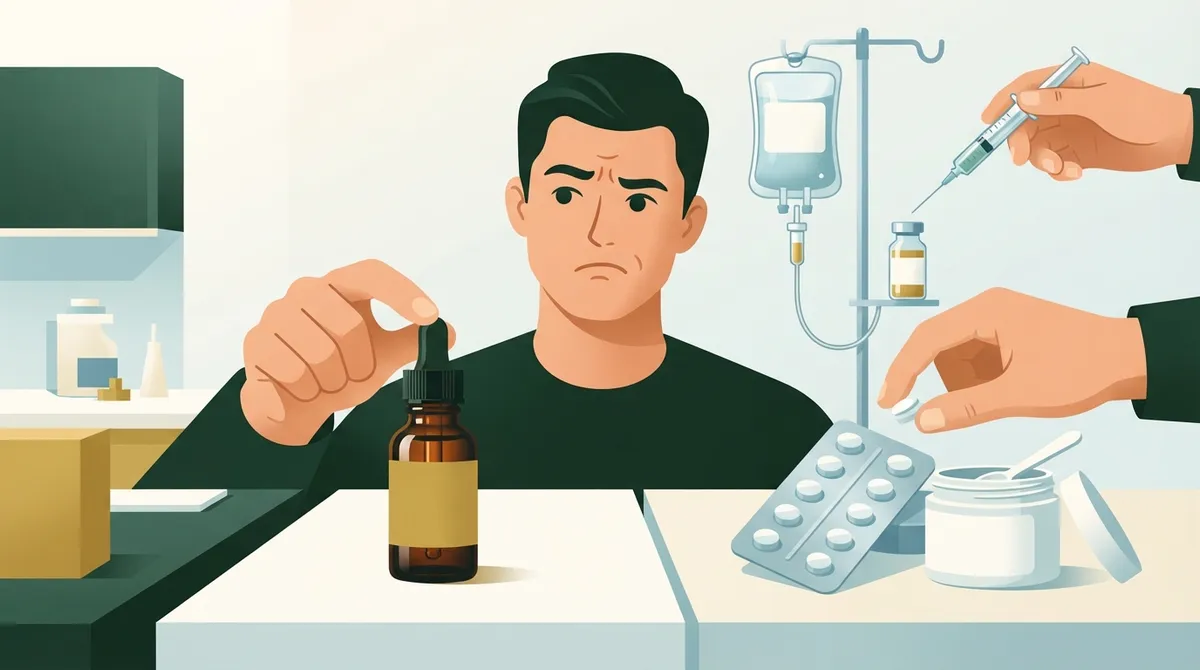
This is the biggest mix-up we see. People assume all peptide products for skin are the same. They’re not, and the differences matter a lot.
Topical peptides sit in creams and serums. They work on the surface layer of your skin. Oral collagen peptides get digested and absorbed into your bloodstream. Injectable or systemic peptide treatments work differently altogether, and they need medical supervision.
- Topical peptides: Applied directly to skin, results depend on formula quality and how well your skin absorbs them
- Oral collagen peptides: Swallowed as powders or capsules, backed by the most solid research for hydration and elasticity
- Injectable peptide protocols: Administered under medical guidance, less standardized evidence, requires a licensed provider
Each type has its own risk profile, cost, and level of scientific backing. Confusing them leads to unrealistic expectations, like thinking a $30 face cream will do what a supervised medical protocol might. If you want a clearer breakdown, this guide on 8 Facts That Explain What Are Peptides in 2026 covers the basics in plain language.

Mistake 2: Expecting Overnight Results
Patience is not always fun, but it’s necessary here. Peptide therapy for skin doesn’t work like a magic wand. It takes time for your body to respond.
Clinical research backs this up clearly. A 2023 meta-analysis reviewing 14 randomized controlled trials with 967 participants found that oral hydrolyzed collagen improved skin hydration and elasticity, but benefits were usually measured after 8 to 12 weeks of consistent use. Some studies ran as long as 24 weeks before seeing full results.
- Weeks 1-4: Your body starts absorbing and processing peptides
- Weeks 4-8: Early signs of hydration improvement may appear
- Weeks 8-12: Elasticity and skin texture changes become more noticeable
- Weeks 12-24: Continued use may support more consistent results
If you stop after two weeks because you didn’t see a transformation, you’re quitting right before the good stuff might happen. Consistency is everything with this kind of treatment.
Mistake 3: Ignoring the Research Gap Between Peptide Types
Not all peptide claims are created equal. Some have strong science behind them. Others? Not so much.
| Peptide Type | Evidence Level | Typical Benefit Reported |
|---|---|---|
| Oral hydrolyzed collagen | Strongest, multiple RCTs | Hydration, elasticity improvements |
| Topical signal peptides | Moderate, formulation-dependent | Localized cosmetic support |
| Collagen tripeptides | Growing evidence base | Hydration, some wrinkle reduction |
| Injectable cosmetic peptides | Limited, inconsistent | Varies, needs medical review |
A 2019 systematic review looked at 11 randomized controlled studies involving 805 participants. Most used hydrolyzed collagen doses between 2.5 and 10 grams daily for 8 to 24 weeks. A more recent 2024 review synthesized 31 publications and found generally positive results for hydration and elasticity, though the researchers noted gaps in the evidence.
The takeaway? Oral collagen peptides have the most consistent backing right now. Wrinkle reversal and deep dermal changes are less certain and vary by study design. Don’t assume every peptide product on the market has this same level of research behind it.
Mistake 4: Skipping Medical Guidance for Injectable or Systemic Peptides
This one’s important. Some people try to source injectable peptides on their own, without any medical oversight. That’s a risky move.
Injectable and systemic peptide protocols marketed for skin rejuvenation should never be treated the same as a topical cream or an oral supplement. According to the National Library of Medicine, many cosmetic peptide products lack the same rigorous clinical trials as approved medications, and some may be compounded or unapproved.
- Products may lack proper testing or labeling accuracy
- Dosing without professional guidance increases risk
- Interactions with existing medications or conditions may go unnoticed
- Quality control varies widely between sources
If you’re considering a systemic peptide approach, working with a licensed provider matters. This is exactly why platforms like Allura Longevity build custom plans based on real blood work, not guesswork. Learning How to Start Peptide Therapy Safely and See Real Results can help you avoid unnecessary risk.
Mistake 5: Treating Peptides as a Replacement for Basic Skin Care
Peptides are a helper, not a hero that works alone. Too many people think adding a peptide supplement means they can skip everything else.
That’s a mistake. Sunscreen, moisturizer, and good nutrition still matter. Peptide therapy for skin works best as an addition to your existing routine, not a substitute for it.
What Peptides Should Complement, Not Replace
- Daily broad-spectrum sunscreen use
- Regular moisturizing for barrier support
- Treatment of diagnosed skin conditions by a dermatologist
- Balanced nutrition with adequate protein intake
- Evidence-based treatments like retinoids when appropriate
Think of peptides as a supporting player on a team. They can help improve hydration and elasticity, but they won’t fix sun damage, cure acne, or replace medical treatment for skin disease. Claims that suggest otherwise deserve a healthy dose of skepticism.
Mistake 6: Overlooking Side Effects and Individual Suitability
Most oral collagen studies report good short-term tolerability. But that doesn’t mean zero risk for everyone.
Some people experience mild digestive discomfort. Others may have allergies related to the animal source of the collagen, such as bovine, marine, or poultry-derived peptides. Contamination and inaccurate labeling are also real concerns in an unregulated supplement market.
- Gastrointestinal symptoms like bloating or mild nausea
- Allergic reactions tied to collagen source material
- Product contamination or mislabeled ingredient amounts
- Possible interactions with existing medical conditions
Before starting any peptide regimen, it’s smart to talk with a licensed provider about your health history. This is where a personalized approach beats a one-size-fits-all supplement bottle. A tailored plan considers your blood work, current medications, and specific goals.
Mistake 7: Choosing Unverified Sources Over Licensed Providers
Where you get your peptides matters just as much as which peptides you choose. The wellness market is full of unregulated sellers making big promises.
Reputable telehealth peptide therapy providers should offer real blood work, licensed medical oversight, and transparent sourcing. Allura Longevity, for example, starts every client with a virtual consultation and lab work through LabCorp before building a customized six-month treatment plan. Care is guided by Ashley, a board-certified Family Nurse Practitioner, with ongoing monitoring along the way.
| Red Flags to Avoid | Signs of a Trustworthy Provider |
|---|---|
| No lab work required | Requires bloodwork before treatment |
| Vague sourcing information | Transparent about product origin and testing |
| No licensed medical staff | Licensed providers oversee your plan |
| One-size-fits-all dosing | Personalized dosing based on your health data |
| Promises of dramatic overnight change | Realistic timelines based on research |
This isn’t about scaring you off peptide therapy. It’s about steering you toward providers who actually protect your health while helping you reach your goals. If you’re curious how personalized plans come together, this piece on How to Pick the Best Peptides for Aging in 2026 walks through the process in more detail.
Common Peptides Used for Skin Support
Curious which specific peptides show up most often in skin-focused research and formulations? Here’s a quick rundown.
- Hydrolyzed collagen peptides: Most studied option, taken orally for hydration and elasticity support
- Collagen tripeptides: A more refined form showing promising results in newer research
- Signal peptides: Used topically to encourage collagen production at the surface level
- Carrier peptides: Help deliver trace minerals that support skin repair processes
- Copper peptides: Often included in topical formulas for their antioxidant properties
Every peptide type works differently, so matching the right one to your goals matters. This is why generic advice rarely fits everyone. A plan built around your actual lab results tends to perform better than guessing based on internet trends. You can learn more about peptides for women and peptides for men to see how goals differ by individual needs.
Building a Smarter Skin Peptide Routine
So how do you actually put this all together? Here’s a simple approach that avoids the mistakes above.
- Get baseline blood work done before starting any supplement or protocol
- Choose oral collagen peptides if you want the most evidence-backed option
- Pair peptides with sunscreen, moisturizer, and good nutrition daily
- Give it at least 8 to 12 weeks before judging results
- Work with a licensed provider if considering injectable or systemic options
- Reassess and adjust your plan based on how your body responds
This kind of structured approach takes the guesswork out of the process. It also protects you from wasting money on products that sound exciting but lack real evidence.
Why Personalized, Medically Supervised Plans Matter
Here’s the honest truth: what works for your friend might not work the same way for you. Skin type, age, hormone levels, and overall health all play a role in how you respond to peptide therapy.
That’s the whole idea behind personalized telehealth care. Allura Longevity builds treatment plans around your actual blood work, not a generic template. Clients start with a simple $50 virtual consultation, complete labs through LabCorp, and receive a customized six-month plan shipped right to their door. Licensed providers monitor progress and adjust as needed, so your plan evolves with you.
This approach is available nationwide through telehealth, with active state licensing in Florida, Georgia, Texas, Connecticut, Indiana, Maryland, New York, and California. Spots for new clients are limited each month, so if you’ve been thinking about giving your skin routine a real upgrade, now’s a good time to explore your options.
Final Thoughts on Peptide Therapy for Skin
Peptide therapy for skin isn’t a magic fix, but it can be a genuinely helpful tool when you use it the right way. Avoid these seven common mistakes, and you’ll set yourself up for a much smoother, more successful experience.
Remember to be patient, stick with proven options like oral collagen peptides, keep up your basic skin care habits, and always work with licensed professionals for anything beyond topical products. Your skin deserves care that’s backed by real science and real medical guidance, not just marketing hype.
Ready to build a plan that’s actually made for you? Request a consultation with Allura Longevity today and take the first step toward smarter, more personalized skin support. You can also call (813) 510-6277 to speak with our team and get your questions answered.
FAQs
Q: What is peptide therapy for skin?
A: Peptide therapy for skin covers a few different approaches, including topical creams, oral collagen supplements, and medically supervised injectable options. Each type works differently in the body, so it helps to know which one fits your goals before you start. Oral hydrolyzed collagen currently has the strongest research behind it for hydration and elasticity.
Q: Do collagen peptides really improve skin hydration and elasticity?
A: Yes, several studies back this up nicely. A 2023 meta-analysis of 14 randomized trials with 967 participants found real improvements in hydration and elasticity after about 8 to 12 weeks of consistent use. Just remember, results build gradually, so patience really is part of the process here.
Q: Are oral collagen peptides better than topical peptides for skin?
A: They work in different ways, so it’s not really an apples-to-apples comparison. Oral peptides have more consistent clinical evidence for hydration and elasticity, while topical peptides can offer localized support depending on the formula. Many people find combining both, alongside good sun protection, gives the best overall results.
Q: How long does peptide therapy take to show results on skin?
A: Most research points to somewhere between 8 and 12 weeks for noticeable changes in hydration and elasticity. Some studies extended to 24 weeks for more complete results. Sticking with your routine consistently matters more than expecting quick, overnight changes.
Q: Are injectable peptides safe for skin anti-aging?
A: This really depends on the product and, more importantly, who’s overseeing your care. Injectable peptide protocols need proper medical supervision since evidence varies and quality control isn’t always guaranteed. Working with a licensed provider who reviews your blood work first is always the safer, smarter path.





