

Key Takeaways
-
Depression is present in about 18.5% of people with persistent fatigue, showing how closely mental and physical health are connected; a proper medical evaluation should always assess mood and stress levels.
-
Nearly one in three women aged 15-49 are anemic globally, and low iron stores can cause tiredness even before meeting anemia diagnosis—ask your provider to check ferritin, especially if you have heavy periods.
-
Fatigue lasting six months or longer with post-exertional malaise (worsening symptoms after physical or mental effort) may indicate ME/CFS, and pushing through exercise can actually worsen this condition.
-
Women experience unique fatigue triggers from hormonal shifts including heavy menstrual bleeding, pregnancy, perimenopause, and PCOS that men don't face, requiring female-specific evaluation approaches.
-
There is no FDA-approved peptide therapy specifically proven to treat fatigue or chronic fatigue syndrome; focus first on targeted blood work (CBC, ferritin, TSH, glucose) guided by your symptoms rather than unproven supplements.
-
Track your sleep, mood, medications, and menstrual cycle for two weeks before seeing a provider to guide a focused, evidence-based evaluation that identifies fixable causes instead of relying on guesswork or trendy treatments.
If you’ve been asking yourself, “why am I so tired all the time,” you are far from alone. So many women tell us the same thing: they sleep eight hours and still wake up exhausted, or they hit a wall by 2 p.m. every single day. We get it, and we want you to know this feeling is real, common, and worth taking seriously. The good news? Most causes of constant fatigue can be identified and treated once you know where to look.
This guide walks you through the most common reasons women feel drained all the time, what tests can help find answers, and where peptide therapy may (or may not) fit into the picture. We will keep things simple and honest, because you deserve real answers, not empty promises. Let’s dig in together.

Constant Tiredness Is a Symptom, Not a Diagnosis
Feeling tired all the time is your body’s way of waving a flag. It’s not a disease itself. Instead, it’s a signal that something else needs attention. That something could be small and easy to fix, or it could need more care.
A 2021 review on fatigue found that sleep disorders, depression, and chronic stress were among the top causes doctors see in patients who complain of ongoing exhaustion (Fatigue as the Chief Complaint: Epidemiology, Causes and Evaluation, 2021). The same review found depression present in about 18.5% of people reporting persistent fatigue. That’s a big number, and it shows how connected our minds and bodies really are.
Common Causes of Fatigue in Women
Here are some of the most frequent culprits behind that heavy, can’t-keep-my-eyes-open feeling:
- Poor sleep quality or insomnia
- Obstructive sleep apnea, even in women who don’t snore loudly
- Depression or anxiety
- Chronic stress and burnout
- Iron deficiency or anemia
- Thyroid disease, especially an underactive thyroid
- Medication side effects
- Chronic pain or infection
- Diabetes or blood sugar swings
- Autoimmune conditions
Notice how long this list is? That’s exactly why a proper evaluation matters more than guessing. Random supplements or trendy fixes rarely solve the real problem.
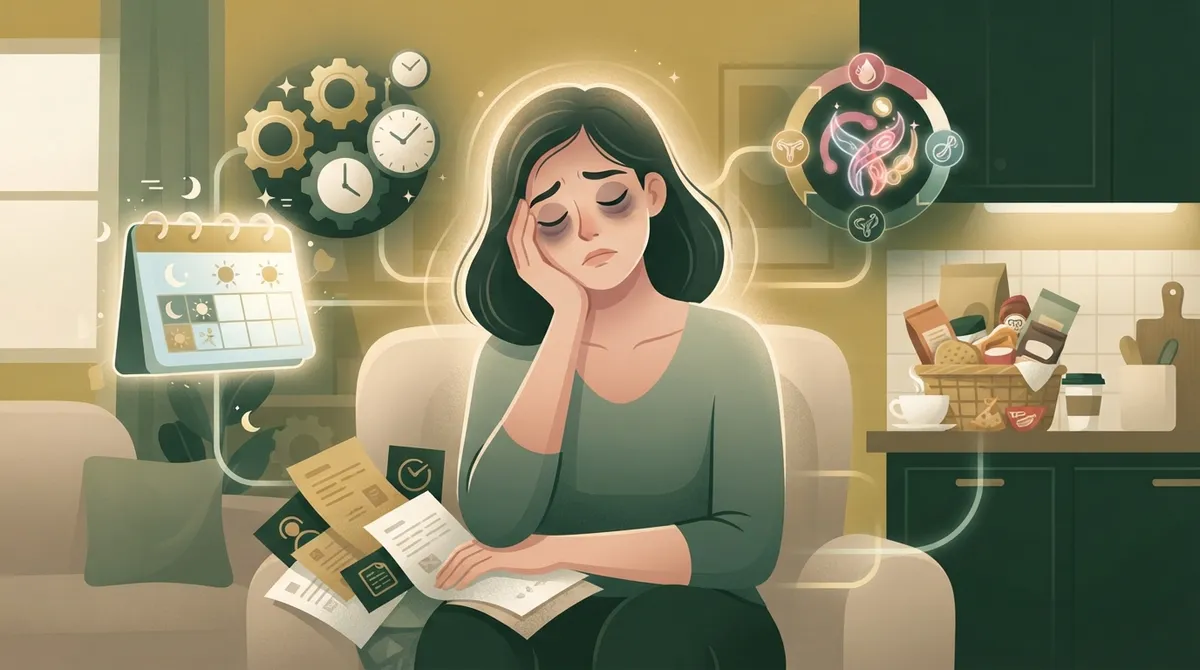
Why Women Face Unique Fatigue Triggers
Women’s bodies go through hormonal shifts that men simply don’t experience. These shifts can quietly drain your energy without you even realizing why.
Hormonal and Reproductive Factors
Here are some female-specific reasons for feeling wiped out:
- Heavy menstrual bleeding, which can lead to iron loss
- Pregnancy, especially the first and third trimesters
- Postpartum recovery and sleep disruption
- Perimenopause and menopause, with fluctuating estrogen and progesterone
- Polycystic ovary syndrome (PCOS), which affects hormone balance and metabolism
Globally, about 30% of women aged 15 to 49 are anemic, according to global health estimates. That’s nearly one in three women walking around with low iron, often without knowing it. If you have heavy periods or feel unusually tired around your cycle, iron deficiency deserves a look, even if you’re not technically anemic yet.
What a Good Fatigue Evaluation Looks Like
Before jumping to any treatment, including peptide therapy, a thoughtful medical evaluation should come first. This isn’t about scaring you into more appointments. It’s about actually solving the problem instead of guessing.
Steps a Provider Should Take
- Ask about how long you’ve felt tired and how severe it feels
- Review your sleep habits, including snoring and waking up at night
- Discuss your mood, stress levels, and any anxiety or depression symptoms
- Ask about your menstrual cycle, pregnancy status, and any heavy bleeding
- Review your diet, medications, and any alcohol or substance use
- Check for unexplained weight changes or ongoing pain
- Screen for infection symptoms or red flags needing urgent care
- Order targeted blood work based on your specific history
The American Academy of Family Physicians notes that broad, untargeted testing usually has low value. A focused evaluation, guided by your specific symptoms, works much better than shotgun testing.
Common Tests Worth Asking About
Depending on your symptoms, your provider may order some of these:
| Test | What It Checks For |
|---|---|
| Complete Blood Count (CBC) | Anemia, infection, or blood disorders |
| Ferritin | Iron stores, especially important for menstruating women |
| Thyroid-Stimulating Hormone (TSH) | Thyroid disease, both under and overactive |
| Blood Glucose or HbA1c | Diabetes or blood sugar imbalance |
| Liver Function Tests | Liver health and metabolic issues |
| Inflammatory Markers | Autoimmune disease or chronic inflammation |
| Vitamin B12 | Nutrient deficiency affecting energy and nerves |
| Pregnancy Test | Rules out pregnancy as a cause of fatigue |
The 2021 fatigue review specifically recommends checking ferritin in premenopausal women when no other cause is found. This one simple test can uncover a very fixable problem.
When Fatigue Might Be Something More Serious
Sometimes tiredness lasts and lasts, no matter what you try. When fatigue sticks around for six months or longer, and comes with unrefreshing sleep, brain fog, or worsening after activity, it may point to myalgic encephalomyelitis/chronic fatigue syndrome (ME/CFS).
One important clue is called post-exertional malaise. This means your symptoms get worse after physical or mental effort, sometimes a day or two later. This is different from normal tiredness after a workout, and it matters because pushing through exercise can actually make ME/CFS symptoms worse.
Seek Urgent Care If You Notice These Signs
Fatigue is usually not an emergency, but sometimes it can signal something urgent. Please get checked right away if tiredness comes with:
- Chest pain or severe shortness of breath
- Fainting or feeling like you might pass out
- New weakness or trouble speaking
- Heavy or unexplained bleeding
- Thoughts of harming yourself
- Unexplained fever or major weight loss
Your safety always comes first. No wellness plan, including peptide therapy, should ever replace urgent medical care.
Where Peptide Therapy Fits Into the Fatigue Conversation
Here’s something we believe strongly in being upfront about: there is currently no FDA-approved peptide therapy specifically designed to treat plain old tiredness, unexplained fatigue, or ME/CFS. This is important to say clearly, even though we specialize in peptide therapy.
Peptides like BPC-157, thymosin-related compounds, and other research peptides are often marketed online for energy, recovery, or anti-aging. But the science behind using them specifically for fatigue is still thin. A 2026 review on peptide safety and efficacy notes that many popular research peptides lack large, high-quality human trials proving they work for tiredness or chronic fatigue.
What This Means for You
We don’t want you spending money chasing a quick fix that isn’t backed by real evidence. Instead, here’s our honest take:
- Peptide therapy should never replace a proper medical workup for fatigue
- Claims about “fixing adrenal fatigue” or “resetting hormones” with peptides are not proven by strong clinical evidence
- Some peptides are FDA-approved for other conditions, but that approval doesn’t mean they work for tiredness
- Unregulated or compounded peptide products can carry risks around purity, dosing, and contamination
- Peptide treatment should only be considered after your provider finds a clear, evidence-based reason to use it
This is exactly why understanding what are peptides and how they actually work in the body matters so much before starting any protocol. Peptides are powerful tools, but they work best when matched to a specific, confirmed need.
How Allura Longevity Approaches Fatigue and Energy Concerns
At Allura Longevity, we believe real results start with real answers. Our process begins with a $50 virtual consultation, followed by comprehensive blood work through LabCorp. This isn’t guesswork. It’s a data-driven approach led by our team, including Ashley, our board-certified Family Nurse Practitioner.
Once we understand what’s actually happening in your body, whether it’s low iron, thyroid imbalance, hormonal shifts, or something else, we build a custom six-month treatment plan. If peptide therapy makes sense for your specific goals, like supporting metabolism, muscle recovery, or overall vitality, it becomes part of a bigger, personalized picture rather than a random guess.
You can learn more about how our providers evaluate readiness in our guide on how to start peptide therapy safely and see real results. We also cover practical steps in how to start peptide therapy the smart, safe way, which walks through what to expect before your first dose.
Areas We Commonly Support
While fatigue itself isn’t a peptide-specific diagnosis, many women come to us wanting support in these connected areas:
- Energy and metabolic support once underlying causes are addressed
- Sleep quality improvement
- Hormone balance during perimenopause or menopause
- Muscle recovery and physical resilience
- Weight management with GLP-1 medications
- Skin and cellular health as part of overall vitality
If you’re curious how peptides may support energy specifically, our article on how to pick peptides for energy that actually work breaks down realistic expectations. We also compare options in Best Peptides for Energy: A Real 2026 Guide.
Building a Smart Plan to Feel Like Yourself Again
Feeling exhausted all the time can chip away at your confidence, your relationships, and your joy. You deserve better than guessing games or one-size-fits-all advice. A smart plan starts with facts, not fads.
Steps to Take Right Now
- Track your sleep, mood, and energy for two weeks
- Note your menstrual cycle and any heavy bleeding
- Write down current medications and supplements
- Schedule blood work to check iron, thyroid, and blood sugar
- Talk with a licensed provider about your full health picture
- Only consider peptide therapy if there’s a clear, evidence-based reason
This step-by-step approach protects your health and your wallet. It also gives you real, lasting answers instead of temporary band-aids.
For a deeper look at building a complete wellness strategy, check out our guide on how to build a health optimization plan that works. And if hormone imbalance seems like part of your story, our piece on 4 Hormone Imbalance Symptoms in Women (2026 Guide) can help you spot the signs.
According to the National Library of Medicine, thorough patient history combined with targeted testing remains the gold standard for evaluating fatigue, rather than relying on unproven treatments alone. This research-backed approach is exactly what we follow at Allura Longevity.
You Deserve Real Answers, Not Guesswork
Feeling tired all the time is exhausting in every sense of the word, physically, mentally, and emotionally. But you don’t have to just accept it as your new normal. With the right evaluation, many causes of fatigue can be identified and treated, sometimes more simply than you’d expect.
At Allura Longevity, we combine real lab data with personalized care to help women feel vibrant again, not through empty promises, but through thoughtful, medically guided plans. Our licensed providers are here to listen, test, and build a plan that actually fits your body and your life. Spots for new clients open up each month, and we’d love to help you find real answers. Ready to get started? Request a consultation today and take the first step toward feeling like yourself again.
FAQs
Q: Why am I tired all the time even when I get enough sleep?
A: Great question, and one we hear often! Sleep quantity isn’t the whole story. You could have poor sleep quality, sleep apnea, low iron, thyroid issues, or even stress hormones keeping you from truly restorative rest. A focused evaluation can help pinpoint exactly what’s going on.
Q: Can iron deficiency cause fatigue in women, even without anemia?
A: Absolutely, and this surprises a lot of people. Low ferritin (your iron storage level) can cause tiredness even before you become officially anemic. It’s especially common with heavy periods, so asking your provider to check ferritin is always a smart move.
Q: Could thyroid problems, menopause, or perimenopause be causing my exhaustion?
A: Yes, these are very common culprits! Thyroid hormones and reproductive hormones both play huge roles in regulating your energy. A simple blood panel can check your thyroid function, and your provider can also discuss whether hormonal changes might be part of the picture.
Q: Can peptide therapy treat chronic fatigue, low energy, or ME/CFS?
A: Right now, there’s no FDA-approved peptide specifically proven to treat chronic fatigue or ME/CFS, and we believe in being honest about that. Peptide therapy may support related goals like metabolism or recovery, but it should only come after a proper medical evaluation identifies an appropriate use.
Q: Are compounded peptide injections safe for women who are pregnant or trying to conceive?
A: This is such an important question to ask before starting anything. Compounded peptides carry unique risks, and safety during pregnancy or while trying to conceive hasn’t been well studied. Always talk with a licensed provider who can review your full health history first.





