
Key Takeaways
-
Get proper lab testing and diagnosis before treating hormone imbalance, as the same symptoms can indicate PCOS, thyroid disease, perimenopause, or other conditions requiring different treatments.
-
Track symptoms over 2-3 months including cycle length, hot flashes, mood changes, and skin/hair changes to help your provider identify patterns and rule out other causes like pregnancy or medications.
-
Irregular periods (shorter than 21 days or longer than 35 days), heavy bleeding disrupting daily life, or missing periods for 3+ months are major warning signs requiring medical evaluation.
-
Peptide therapy is not a cure-all for hormone imbalance and should only be considered after proper diagnosis; FDA-approved hormone therapy remains the most effective option for moderate-to-severe menopausal symptoms.
-
Distinguish between menopause (typically late 40s-50s with hot flashes) and PCOS (usually 20s-30s with androgen excess like acne and excess hair) as they require completely different treatment approaches.
-
Seek specialist care if you experience 3+ months of missed periods, sudden significant hair growth, unexplained vaginal bleeding, or fertility concerns alongside irregular cycles.
Feeling tired all the time? Periods acting weird? Maybe your mood swings feel like a rollercoaster you never bought a ticket for. If this sounds familiar, you are definitely not alone. Hormone imbalance symptoms in women are incredibly common, and the good news is you do not have to just live with them.
This guide breaks down the most common signs your hormones may be out of sync, what might be causing them, and how to figure out your next best step. We will also talk honestly about where peptide therapy fits into the picture, because it is not a magic fix for every hormone problem out there. Think of this as a friendly, no-judgment conversation with a knowledgeable friend who wants you to feel your best again.
Why \”Hormone Imbalance\” Is Such a Broad Term
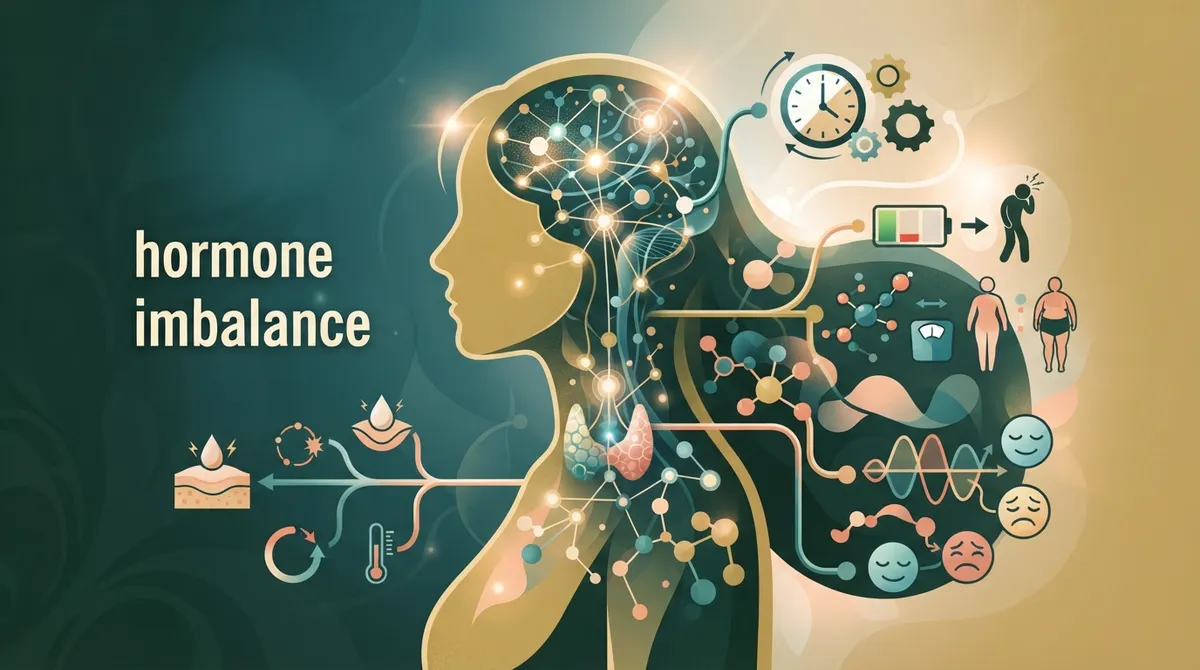
Here is something worth knowing right away: \”hormone imbalance\” is not an actual medical diagnosis. It is more like an umbrella term that covers a bunch of different possible conditions. Similar symptoms can pop up whether you are dealing with perimenopause, PCOS, thyroid issues, or even just high stress levels.
That is why guessing at home rarely works well. A proper evaluation looks at your full picture, not just one symptom in isolation. According to the American College of Obstetricians and Gynecologists, getting an accurate diagnosis often requires ruling out several conditions before landing on the real cause.
4 Hormone Imbalance Symptoms in Women You Should Never Ignore
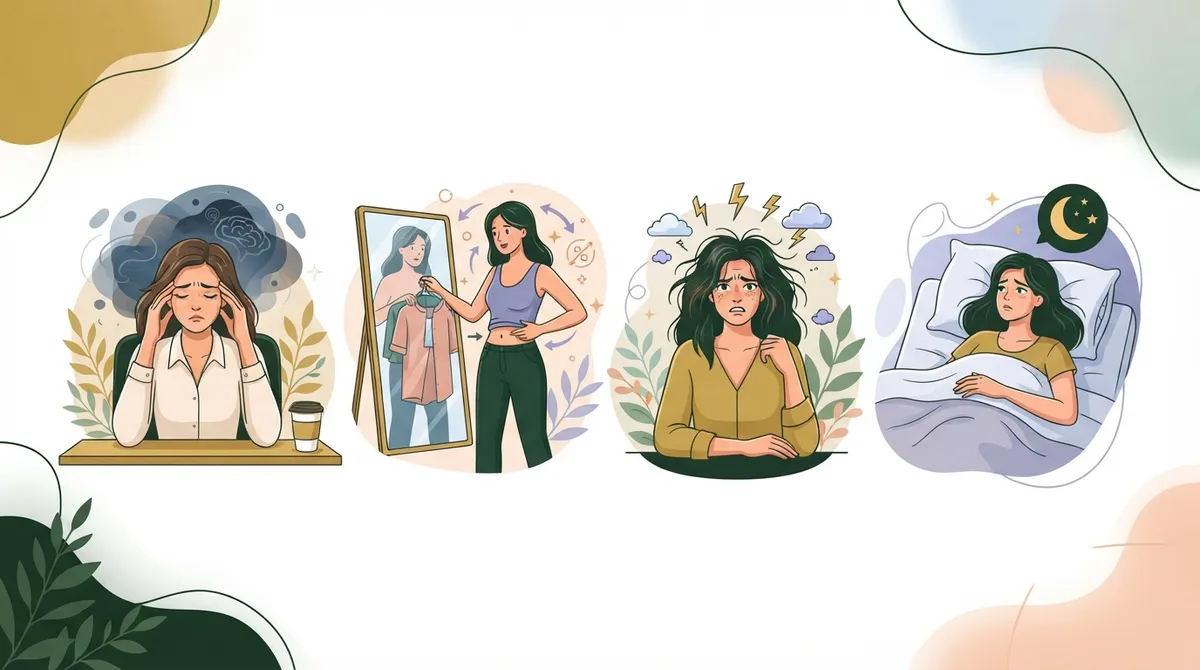
Let’s walk through the four symptom categories that show up most often. Pay attention to how your body has been feeling over the last few months, not just today.
1. Irregular, Heavy, or Missing Periods
Your cycle is like a monthly report card from your hormones. When periods become unpredictable, unusually heavy, or disappear altogether, it is your body waving a flag.
- Cycles shorter than 21 days or longer than 35 days
- Periods that stop for three months or more (without pregnancy)
- Bleeding so heavy it disrupts daily life
- Spotting between periods
These changes can point to PCOS, thyroid disease, primary ovarian insufficiency, or the natural transition into perimenopause. Pregnancy and certain medications can also play a role, so it is smart to rule those out first.
2. Hot Flashes, Night Sweats, and Sleep Disruption
If you have ever woken up drenched in sweat at 3 a.m. for no obvious reason, you know how disruptive this can feel. Hot flashes and night sweats are known as vasomotor symptoms, and they are one of the most common complaints during the menopause transition.
In fact, nearly 80% of women worldwide experience these symptoms at some point during menopause, and about 25% find them severe enough to need treatment. That is a huge number of women dealing with the same thing you might be feeling right now, so please know you are in good company.
3. Mood Changes, Fatigue, and Brain Fog
Feeling foggy, forgetful, or emotionally drained is exhausting, especially when you cannot pinpoint why. Hormone shifts affect neurotransmitters in the brain, which can lead to:
- Sudden irritability or tearfulness
- Trouble concentrating at work
- Persistent fatigue even after a full night’s sleep
- Reduced motivation or low mood
These symptoms often overlap with thyroid dysfunction, elevated prolactin levels, or perimenopause. If brain fog has been bothering you, it might help to read more about why brain fog can improve with the right personalized support.
4. Skin, Hair, and Body Changes
Your skin and hair often reflect what is happening internally. Watch for:
- New or worsening acne, especially along the jawline
- Increased facial or body hair growth
- Thinning hair on the scalp
- Vaginal dryness or discomfort during intimacy
- Unexplained weight changes or shifts in metabolism
These signs, especially when paired with irregular periods, are a hallmark of androgen excess conditions like PCOS. Alternative causes such as thyroid disease and nonclassic congenital adrenal hyperplasia should be ruled out before assuming PCOS is the answer.
Common Causes Behind These Symptoms
Once you notice a pattern, the next step is figuring out what is actually driving it. Here are the most frequent culprits behind hormone imbalance symptoms in women:
- Perimenopause and menopause: Menopause is officially defined as 12 consecutive months without a period, with the median age in the United States around 51.3 years.
- Polycystic ovary syndrome (PCOS): Involves irregular ovulation plus signs of androgen excess, like acne or excess hair growth.
- Thyroid disorders: Both an underactive and overactive thyroid can mimic many hormone imbalance symptoms.
- Hyperprolactinemia: Elevated prolactin can disrupt periods and cause unexpected milk production.
- Primary ovarian insufficiency: When the ovaries stop working normally before age 40.
- Stress, medications, or lifestyle factors: Chronic stress and certain prescriptions can throw hormones off balance too.
How Doctors Figure Out What’s Really Going On
A responsible evaluation is personalized, not a one-size-fits-all panel you order online. Depending on your symptoms and age, your provider may recommend:
| Test | What It Checks For |
|---|---|
| Pregnancy test | Rules out pregnancy as a cause of missed periods |
| Thyroid-stimulating hormone (TSH) | Screens for thyroid disease |
| Prolactin | Checks for hyperprolactinemia |
| Androgen levels | Helps identify PCOS or related conditions |
| Glucose or oral glucose-tolerance test | Screens for insulin resistance, common with PCOS |
| Lipid panel | Assesses cardiovascular risk factors |
This kind of thorough lab work is exactly what a trustworthy telehealth peptide clinic should offer before recommending any treatment plan. At Allura Longevity, every client starts with a $50 virtual consultation and complete blood work through LabCorp, so treatment decisions are based on real data, not guesswork.
Where Peptide Therapy Actually Fits In
Let’s clear something up: peptide therapy is not a universal cure for hormone imbalance. It is a category of treatments, and each peptide has its own specific use, evidence base, and regulatory status. Responsible providers will never claim peptides fix every hormonal issue in women.
That said, peptide therapy can play a supportive role in overall wellness once a proper diagnosis is made. For example, peptides may help support energy, metabolism, sleep quality, and recovery, which often take a hit when hormones are out of balance. You can learn more about what peptides actually are and how they work differently from traditional hormone therapy.
What Peptide Therapy Is NOT
- A replacement for FDA-approved menopausal hormone therapy in appropriate candidates
- A proven treatment for PCOS or thyroid disease
- A substitute for proper lab testing and diagnosis
- Free of long-term safety data in every case
According to the FDA, compounded products, including some peptides, may carry safety risks because they lack the same quality controls as approved medications. This is why working with licensed, experienced providers matters so much.
Evidence-Based Options for Common Symptoms
Depending on your diagnosis, here are treatments with strong clinical support:
- Vasomotor symptoms (hot flashes, night sweats): FDA-approved menopausal hormone therapy remains the most effective option for moderate-to-severe symptoms in appropriately selected, healthy women, according to the National Library of Medicine.
- Nonhormonal alternatives: Cognitive behavioral therapy, SSRIs/SNRIs, gabapentin, and fezolinetant are all recognized nonhormonal options.
- Vaginal dryness: Local vaginal estrogen or nonhormonal moisturizers, depending on individual needs.
- PCOS-related symptoms: Lifestyle changes, metformin, and hormonal contraceptives are commonly used first-line treatments.
- Low libido or metabolic changes: Personalized wellness plans, sometimes including targeted peptides, once other causes are ruled out.
If you are curious how a well-rounded wellness plan comes together, this guide on building a women’s wellness peptide plan walks through the process step by step.
Menopause vs PCOS: How to Tell the Difference
These two conditions can look similar on the surface but need very different approaches. Here is a quick comparison:
| Feature | Menopause/Perimenopause | PCOS |
|---|---|---|
| Typical age | Late 40s to early 50s | Often diagnosed in 20s-30s |
| Period pattern | Progressively irregular, then stops | Irregular from adolescence, ongoing |
| Hormone pattern | Declining estrogen | Elevated androgens |
| Common symptoms | Hot flashes, night sweats, vaginal dryness | Acne, excess hair growth, weight changes |
| Fertility impact | Declining naturally with age | Can cause irregular ovulation and infertility |
Steps to Take If You Suspect a Hormone Imbalance
Feeling overwhelmed about where to start? Here is a simple roadmap:
- Track your symptoms for at least two to three months, including cycle length and any physical changes.
- Schedule an appointment with a licensed provider who can order appropriate lab testing.
- Rule out pregnancy, thyroid disease, and other common causes before assuming it is \”just menopause\” or \”just PCOS.\”
- Discuss all treatment options, including approved hormone therapy and evidence-based nonhormonal choices.
- Ask about how a personalized wellness plan, including peptide therapy where appropriate, might support your overall goals.
If you are ready to stop guessing and start getting real answers, our team can help guide you through this process with compassion and clarity. You can request a consultation to get personalized guidance based on your own blood work and health goals.
When to See a Specialist
Some situations call for a visit to an endocrinologist or gynecologist rather than general wellness guidance alone. Consider seeking specialist care if you experience:
- Periods that stop for three or more months without pregnancy
- Signs of significant androgen excess, like sudden hair growth or severe acne
- Unexplained vaginal bleeding
- Symptoms suggesting thyroid disease, such as unexplained weight changes or heart palpitations
- Fertility concerns alongside irregular cycles
A specialist can run more targeted testing and coordinate care if your case turns out to be more complex than a standard evaluation.
Why Personalized Care Matters So Much
No two women experience hormone imbalance symptoms the exact same way, which is exactly why cookie-cutter treatment plans rarely work well. At Allura Longevity, care is led by Ashley, a board-certified Family Nurse Practitioner, who designs individualized six-month treatment plans based on your actual blood work, not a generic checklist.
Everything is delivered right to your door, with ongoing monitoring and adjustments along the way. This telehealth approach means you get expert-level, personalized care without rearranging your entire schedule. If you want to explore how peptides for women can support energy, metabolism, and overall vitality alongside a proper diagnosis, this is a great place to start.
Final Thoughts
Hormone imbalance symptoms in women deserve real answers, not guesswork or one-size-fits-all advice. Whether your symptoms point to perimenopause, PCOS, thyroid issues, or something else entirely, the right diagnosis is always the first step. From there, a personalized plan, sometimes including well-researched peptide therapy alongside proven treatments, can help you feel like yourself again.
Spots for new clients open up each month, so if you are ready to get clear answers and a plan built just for you, our licensed providers are here to help. Reach out today at (813) 510-6277 or book your consultation to take the first step toward feeling balanced, energized, and truly like yourself again.
FAQs
Q: What are the most common hormone imbalance symptoms in women?
A: The most common signs include irregular or missing periods, hot flashes, night sweats, mood swings, fatigue, acne, and unexpected hair or weight changes. Everyone experiences this a bit differently, so tracking your own patterns over a few months really helps your provider figure out what is going on.
Q: Can peptide therapy treat hormone imbalance in women?
A: Peptide therapy is not a proven cure-all for hormone imbalance, but certain peptides can support energy, metabolism, and recovery once a proper diagnosis is made. Think of it as one supportive tool among many, not a replacement for evidence-based treatments like approved hormone therapy.
Q: How can you tell the difference between menopause symptoms and PCOS?
A: Menopause typically shows up in your late 40s or 50s with hot flashes and declining periods, while PCOS often starts much earlier and involves signs of excess androgens like acne or extra hair growth. A simple blood panel can usually clear up the confusion pretty quickly.
Q: Are peptide injections FDA-approved for hormone imbalance or menopause symptoms?
A: Most peptides used in wellness settings are not FDA-approved specifically for hormone imbalance or menopause symptoms. For confirmed menopausal symptoms, FDA-approved hormone therapy remains the gold standard, so it is always worth discussing all your options with a licensed provider.
Q: When should a woman see a specialist for hormone symptoms?
A: If your periods stop for three months or more, you notice sudden hair growth or severe acne, or you have unexplained bleeding, it is time to see a gynecologist or endocrinologist. These signs deserve a closer look beyond general wellness guidance.





