

Key Takeaways
-
Adrenal fatigue lacks scientific evidence and isn't recognized by the Endocrine Society; a 2016 systematic review of 58 studies found no proof it's a distinct medical condition, so identifying the actual cause of fatigue through proper blood work is essential.
-
True adrenal insufficiency is diagnosed through morning cortisol and ACTH blood tests plus stimulation testing, not saliva kits; confirmed cases require guideline-based treatment with hydrocortisone 15-25 mg daily under endocrinologist supervision.
-
Fatigue can stem from multiple sources including sleep disorders, anemia, thyroid imbalances, depression, blood sugar issues, or medications; guessing at the cause rarely works, making comprehensive lab testing the critical first step.
-
Peptide therapy has no strong clinical evidence for treating adrenal fatigue or restoring adrenal function; however, personalized peptide protocols backed by blood work can legitimately support sleep, energy, and recovery for confirmed health goals.
-
Adrenal crisis is a life-threatening emergency requiring immediate 911 response and emergency hydrocortisone treatment; warning signs include sudden severe weakness, fainting, persistent vomiting, and severe abdominal pain.
-
Quality control is a major concern in unregulated peptide markets; work only with licensed providers who require blood work before treatment, provide clear explanations, offer transparent pricing, and include ongoing monitoring.
If you’ve been dragging through your days feeling wiped out, foggy, and just plain “off,” you’ve probably typed “adrenal fatigue treatment” into a search bar at 11 p.m. We get it. When your energy tank feels empty no matter how much you sleep, you want answers. But here’s the honest truth we tell every client who calls us: what you’re feeling is real, but the label “adrenal fatigue” might not be the right explanation.
At Allura Longevity, we talk to health optimizers, busy professionals, and midlife folks every single day who are chasing better energy and real answers. So let’s walk through what actually causes that drained feeling, what the science says about “adrenal fatigue,” and where peptide therapy genuinely fits into the picture. No scare tactics, no miracle claims. Just a friendly, clear guide to help you feel like yourself again.
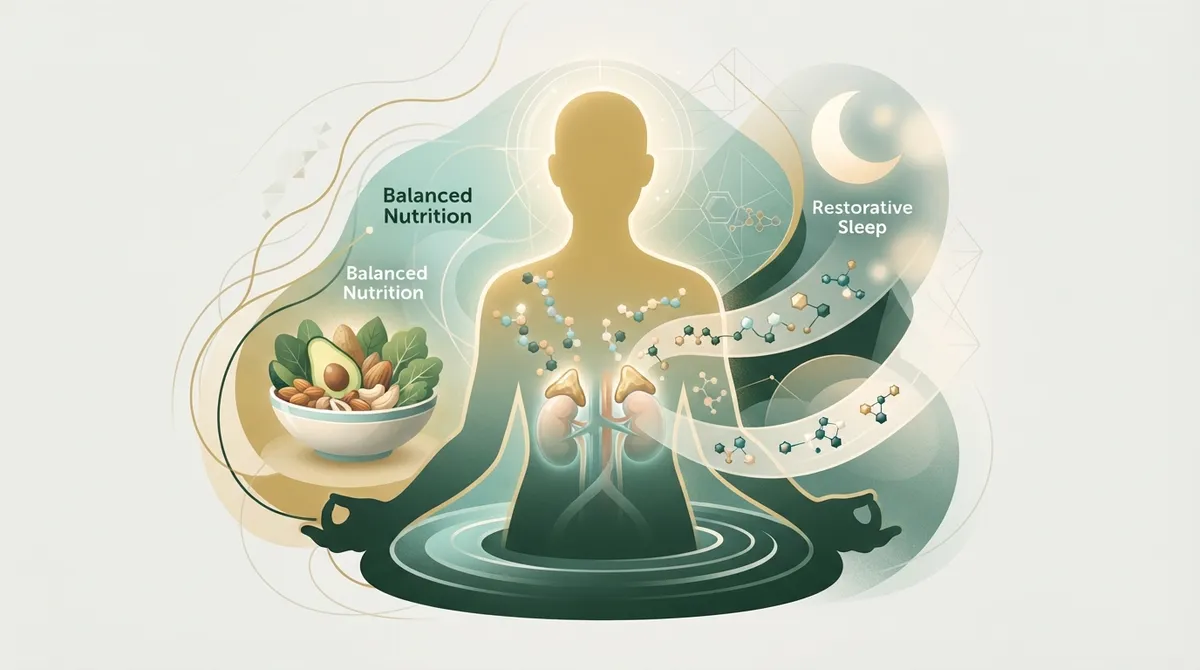
What People Mean by “Adrenal Fatigue Treatment”
Most people use “adrenal fatigue” to describe a cluster of symptoms: constant tiredness, trouble waking up, low mood, and feeling like you’re running on fumes. It sounds logical. Your adrenal glands make cortisol, your stress hormone, so surely years of stress could wear them out, right?
Here’s the catch. The Endocrine Society, the leading medical group for hormone health, says there’s no scientific evidence that everyday stress causes your adrenals to stop working properly. A large 2016 systematic review looked at 58 separate studies and found no reproducible proof that adrenal fatigue is a real, distinct medical condition. That doesn’t mean your tiredness is imaginary. It means the cause is probably something else, and finding that “something else” is where real progress starts.
Why the Confusion Happens So Often
Fatigue is one of the most common complaints doctors hear, and it can come from dozens of sources. This is exactly why the “adrenal fatigue” label spread so widely in wellness circles. It offers a simple explanation for a very complicated symptom.
- Poor sleep quality or undiagnosed sleep apnea
- Low iron levels or anemia
- Thyroid imbalances, both low and high
- Depression or chronic anxiety
- Blood sugar swings or early diabetes
- Side effects from medications
- True, medically confirmed adrenal insufficiency
Because so many conditions overlap in symptoms, guessing at the cause rarely works. That’s why we always start with proper blood work before recommending anything, whether that’s lifestyle changes or a peptide protocol. You can learn more about how this personalized process works in our guide on how to start peptide therapy safely and see real results.
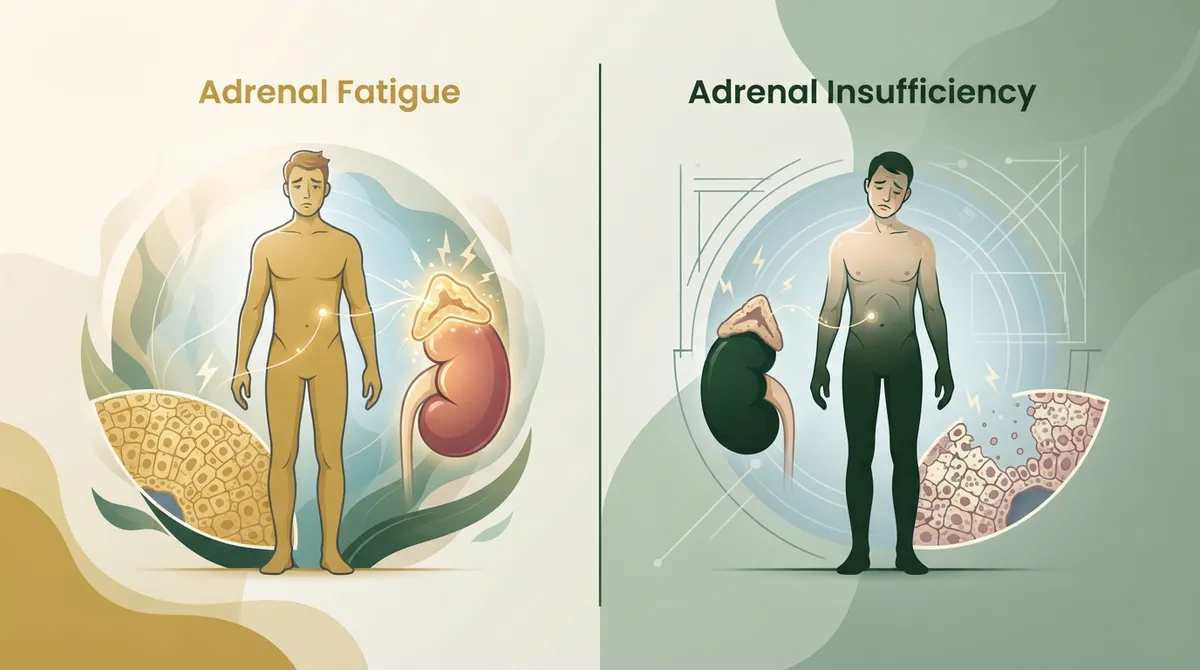
Adrenal Fatigue vs. Adrenal Insufficiency: What’s the Real Difference?
This comparison matters more than almost anything else in this article, so let’s break it down clearly. One condition is a wellness label without solid proof. The other is a serious, well-documented medical diagnosis with clear testing and treatment.
| Feature | “Adrenal Fatigue” | Adrenal Insufficiency |
|---|---|---|
| Medical Recognition | Not a recognized diagnosis | Established endocrine condition |
| Diagnostic Test | No validated test exists | Morning cortisol, ACTH, and stimulation testing |
| Cause | Unproven; often stress-related belief | Autoimmune disease, pituitary issues, or steroid withdrawal |
| Standard Treatment | Supplements, lifestyle changes (unproven for this label) | Hydrocortisone or cortisone acetate replacement |
| Risk If Untreated | Low, but underlying cause may be missed | Potentially life-threatening adrenal crisis |
See the difference? One is a theory without strong backing. The other is a real, sometimes serious condition that needs prompt medical care. If you’re feeling exhausted, the smartest first move is ruling out the real thing before assuming it’s something vaguer.
How Doctors Actually Test for Adrenal Insufficiency
Real adrenal problems are diagnosed with specific, proven lab work, not saliva kits sold online. According to the Endocrine Society’s clinical guideline, evaluation typically starts with a morning blood draw checking cortisol and ACTH levels.
- Morning plasma cortisol and ACTH blood test
- If results are unclear, a short corticotropin (ACTH) stimulation test using 250 micrograms
- Additional imaging or antibody testing to find the underlying cause
- Referral to an endocrinologist for confirmed cases
Commercial saliva cortisol panels marketed for “adrenal fatigue” simply don’t hold up to this standard. The Endocrine Society has stated plainly that no test can actually detect adrenal fatigue, because it isn’t a recognized disease process in the first place.
Where Peptide Therapy Actually Fits Into the Picture
Now here’s where we want to be extra straightforward with you, because trust matters more to us than a sale. There is currently no strong clinical evidence that peptide therapies marketed for energy, stress recovery, or “adrenal support” restore adrenal gland function or treat a real adrenal disorder.
ACTH and related peptides do have a legitimate, specialized role in medicine. They’re used in diagnostic testing and in treating specific, confirmed endocrine conditions under close physician supervision. But they should never be marketed as a cure for “adrenal fatigue,” because that condition hasn’t been proven to exist in the first place.
So what does peptide therapy actually help with? Quite a lot, honestly, when used for the right goals and backed by real lab data. This is a topic we cover in depth in 8 Facts That Explain What Are Peptides in 2026.
Legitimate Reasons People Turn to Peptide Therapy
- Supporting healthy sleep patterns and recovery
- Boosting energy and mental clarity through targeted, evidence-informed protocols
- Supporting muscle recovery and lean body composition
- Assisting with metabolism and weight management goals
- Helping the body recover from injury with peptides like BPC-157
- Supporting skin health and healthy aging
If low energy is your main concern, we’ve written a dedicated guide on how to pick peptides for energy that actually work, plus a deeper dive in Best Peptides for Energy: A Real 2026 Guide. These focus on what current research actually supports, not vague wellness promises.
Guideline-Based Treatment for Confirmed Adrenal Insufficiency
If blood work confirms true adrenal insufficiency, the treatment path is well established and backed by decades of research. This is not a do-it-yourself situation, and it’s not something peptide therapy replaces.
| Treatment Component | Typical Approach |
|---|---|
| Primary Hormone Replacement | Hydrocortisone 15–25 mg daily, split into 2–3 doses |
| Alternative Option | Cortisone acetate 20–35 mg daily |
| Mineralocorticoid Support | Fludrocortisone, when needed |
| Emergency Preparedness | Injectable glucocorticoid kit and sick-day dosing plan |
| Monitoring | Regular follow-up with an endocrinologist |
These numbers come directly from the Endocrine Society’s clinical practice guideline, one of the most trusted resources in hormone medicine. If you or someone you love is diagnosed with this condition, following this guideline-based approach isn’t optional. It’s essential for safety.
When Fatigue Becomes an Emergency
This next part matters a lot, so please read it carefully. Adrenal crisis is a genuine medical emergency, and it can be life-threatening if untreated.
- Sudden, severe weakness or confusion
- Very low blood pressure or fainting
- Persistent vomiting or inability to keep fluids down
- Severe abdominal or back pain
- Known adrenal insufficiency plus a fever, injury, or illness
If you or someone you know shows these signs, call 911 or head to the emergency room immediately. Guidelines recommend immediate hydrocortisone treatment, often 100 mg right away followed by 200 mg over 24 hours, along with IV fluids. Doctors should never wait for lab results to start treatment in a suspected crisis.
Steps to Take If You’re Exhausted and Not Sure Why
Feeling drained is frustrating, especially when you’re trying hard to live a healthy life already. Here’s a simple, sensible path forward that respects both your time and your safety.
- Get a real lab panel done, including thyroid, iron, blood sugar, and cortisol markers
- Rule out sleep disorders, depression, and medication side effects with your provider
- If adrenal insufficiency is confirmed, follow guideline-based hormone replacement
- If labs come back normal, explore evidence-informed options like personalized peptide therapy
- Work with a licensed provider who reviews your full health picture, not just one symptom
This is exactly the process we follow at Allura Longevity. Clients start with an affordable $50 virtual consultation, complete blood work through LabCorp, and receive a fully customized six-month plan built around their actual results. Nothing generic, nothing guessed. If you want a closer look at how personalized plans are built, check out 12 Steps to a Personalized Wellness Plan in 2026.
Why Purity and Sourcing Matter So Much
One more thing we want you to know before trying any peptide product marketed for energy or stress recovery: not all peptides are created equal. Products sold through unregulated online shops or wellness marketing channels can have serious quality issues.
- Uncertain purity and potency of the actual peptide
- No guarantee of sterile manufacturing
- Vague or misleading labeling
- Little to no clinical evidence behind marketing claims
- No licensed medical oversight during use
According to research published by the National Library of Medicine, quality control is one of the biggest concerns in the growing peptide market. That’s exactly why working with a licensed telehealth provider matters so much. Our guide on FDA-Approved vs. Compounded Peptides: What Wins? breaks this down further, and it’s worth a read before you buy anything online.
What to Look For in a Trustworthy Provider
If you’re going to invest time and money into feeling better, you deserve a provider who takes your safety seriously. Here’s what that should look like.
- Required blood work before any treatment plan is created
- Licensed medical providers overseeing your care
- Clear explanations of what peptides can and cannot do
- Ongoing monitoring and dose adjustments based on your results
- Transparent pricing with no pressure tactics
At Allura Longevity, care is led by Ashley, a board-certified Family Nurse Practitioner, alongside a team of licensed providers across Florida, Georgia, Texas, Connecticut, Indiana, Maryland, New York, and California. If understanding your full hormone picture feels overdue, our article on how to know if you need hormone therapy in 2026 is a great next step.
Building a Realistic Energy and Recovery Plan
Whether your tiredness comes from poor sleep, hormone shifts, or general burnout, real progress comes from a layered approach, not a single pill or peptide. Here’s what a smart, sustainable plan usually includes.
- Comprehensive lab testing to identify the actual root cause
- Addressing sleep quality, nutrition, and stress management first
- Personalized peptide therapy if labs and goals support it
- Regular follow-ups to track progress and adjust the plan
- Ongoing communication with a licensed provider who knows your history
This layered, evidence-based approach is far more effective than chasing a single trendy label. For a broader look at what personalized care can achieve, take a look at how to build a health optimization plan that works.
Let’s Get You Real Answers, Not Just a Label
Feeling exhausted is exhausting in itself, and you deserve better than a vague explanation and a bottle of unproven supplements. The path forward starts with real testing, honest information, and a provider who treats you as a whole person, not just a symptom list. Understanding the science behind what are peptides and how they actually work in the body is a great place to begin that journey.
At Allura Longevity, we’re proud to offer personalized, telehealth-based peptide therapy built on your actual blood work and health goals, delivered right to your door. Spots for new clients are limited each month, so if you’re ready for a clear, honest plan built just for you, request a consultation with our team today or call us at (813) 510-6277. You deserve to feel like yourself again, and we’d love to help you get there.
FAQs
Q: Is adrenal fatigue a real medical condition?
A: Not according to major medical organizations. The Endocrine Society says there’s no solid evidence that everyday stress wears out your adrenal glands, and a large 2016 review of 58 studies found no proof it’s a distinct condition. Your tiredness is real, though, so it’s worth digging deeper to find the actual cause.
Q: Can peptide therapy treat adrenal fatigue or low cortisol?
A: There’s currently no strong clinical evidence that peptides marketed for adrenal support actually restore adrenal function. That said, personalized peptide therapy can genuinely help with energy, sleep, and recovery when it’s based on real blood work and used for evidence-supported goals, not as a fix for an unproven label.
Q: What’s the difference between adrenal fatigue and adrenal insufficiency?
A: Adrenal fatigue is a wellness term without medical backing, while adrenal insufficiency is a confirmed, serious condition diagnosed through cortisol and ACTH testing. Adrenal insufficiency requires guideline-based hormone replacement, usually hydrocortisone, and needs ongoing care from an endocrinologist.
Q: Which tests actually diagnose adrenal insufficiency?
A: Doctors typically start with a morning plasma cortisol and ACTH blood test. If results are unclear, they often follow up with a short corticotropin stimulation test using 250 micrograms of ACTH, which is the gold-standard confirmatory test.
Q: When should fatigue be treated as an emergency?
A: If you notice sudden severe weakness, very low blood pressure, persistent vomiting, or confusion, especially alongside known adrenal issues, treat it as a possible adrenal crisis. Get emergency care right away, since guidelines call for immediate hydrocortisone treatment without waiting for lab results.





