
Key Takeaways
-
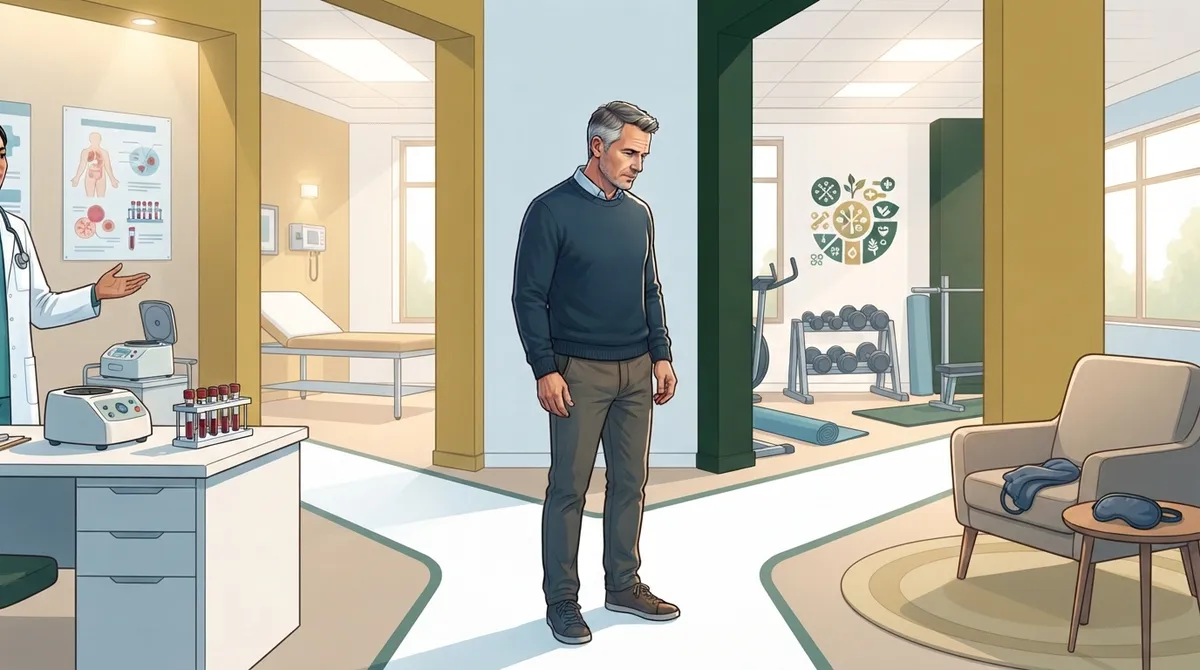
Get comprehensive blood work including total testosterone (twice, fasting), thyroid panel, glucose, CBC, and PSA before assuming low testosterone is the cause, since fatigue has dozens of potential sources.
-
Address sleep apnea, depression, obesity, and other systemic issues first, as treating these root causes often improves energy more effectively than jumping straight to hormone or peptide therapy.
-
Require a medically supervised plan with licensed provider oversight, full health history review, informed consent, and regular monitoring rather than self-directed peptide purchases without lab work or follow-up.
-
Understand that peptide therapy is not FDA-approved for fatigue treatment and lacks strong clinical evidence compared to testosterone replacement; it works best as an adjunct, not a stand-alone solution.
-
Know that low testosterone diagnosis requires two separate fasting morning blood tests showing consistently low levels (near or below 300 ng/dL) plus matching symptoms, not fatigue alone.
-
Seek immediate medical attention for red flag symptoms including chest pain, shortness of breath, fainting, unexplained weight loss, or severe depression rather than attempting self-treatment.
Turning 40 is supposed to feel like a badge of honor. But for a lot of guys, it comes with an unwelcome guest: constant tiredness that coffee just can’t fix. If you’re dragging through afternoons, skipping workouts, and wondering where your old drive went, you’re definitely not alone. The good news? Low energy in men over 40 usually has real, identifiable causes, and many of them can be improved with the right testing and the right plan.
This guide walks through five practical steps to figure out what’s actually draining your energy, and how personalized, medically supervised care, including peptide therapy when appropriate, can fit into the picture. We’ll keep things simple, honest, and grounded in what the science actually shows. No miracle claims here, just a clear path forward.
Why Energy Naturally Dips After 40 (And Why It’s Not Always Testosterone)
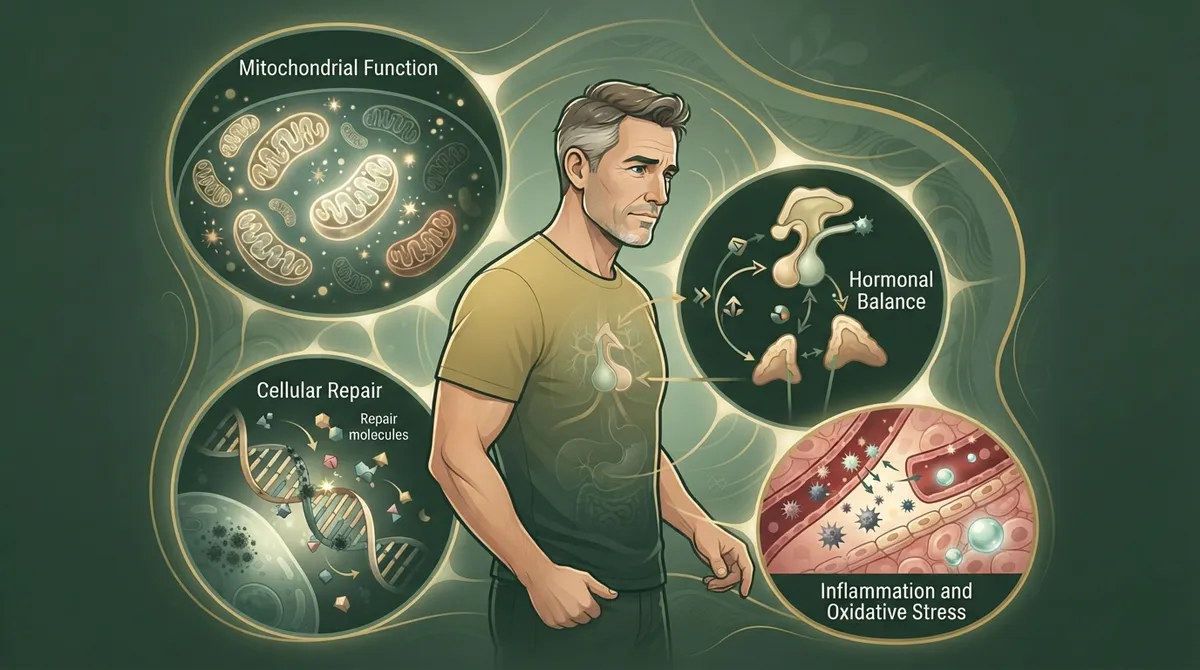
Here’s something that surprises a lot of men: fatigue alone doesn’t prove you have low testosterone. Low energy is what doctors call a nonspecific symptom, meaning it can come from dozens of different sources. Poor sleep, sleep apnea, stress, depression, obesity, diabetes, anemia, thyroid problems, heart issues, certain medications, and heavy alcohol use can all leave you feeling wiped out.
That’s why jumping straight to hormone treatment without proper testing is a mistake. According to Endocrine Society guidance, male hypogonadism (clinically low testosterone) should only be diagnosed when compatible symptoms show up alongside consistently and unequivocally low testosterone levels, not from tiredness alone.
Common Contributors to Fatigue in Men Over 40
- Insufficient or poor-quality sleep, including undiagnosed sleep apnea
- Chronic stress, anxiety, or depression
- Obesity or rapid weight gain
- Type 2 diabetes or blood sugar imbalances
- Anemia or iron deficiency
- Thyroid dysfunction
- Cardiovascular disease
- Side effects from prescription medications
- Excessive alcohol consumption
- Age-related decline in testosterone
Weight gain deserves special mention here. Obesity can actually cause a functional, and often reversible, drop in testosterone. That means addressing your weight, sleep, and overall health may improve your energy more than jumping straight into hormone therapy. If you want to understand how metabolic health connects to hormone balance, our article on how tirzepatide therapy works breaks this down further.
Step 1: Get the Right Blood Work Before Assuming It’s Testosterone
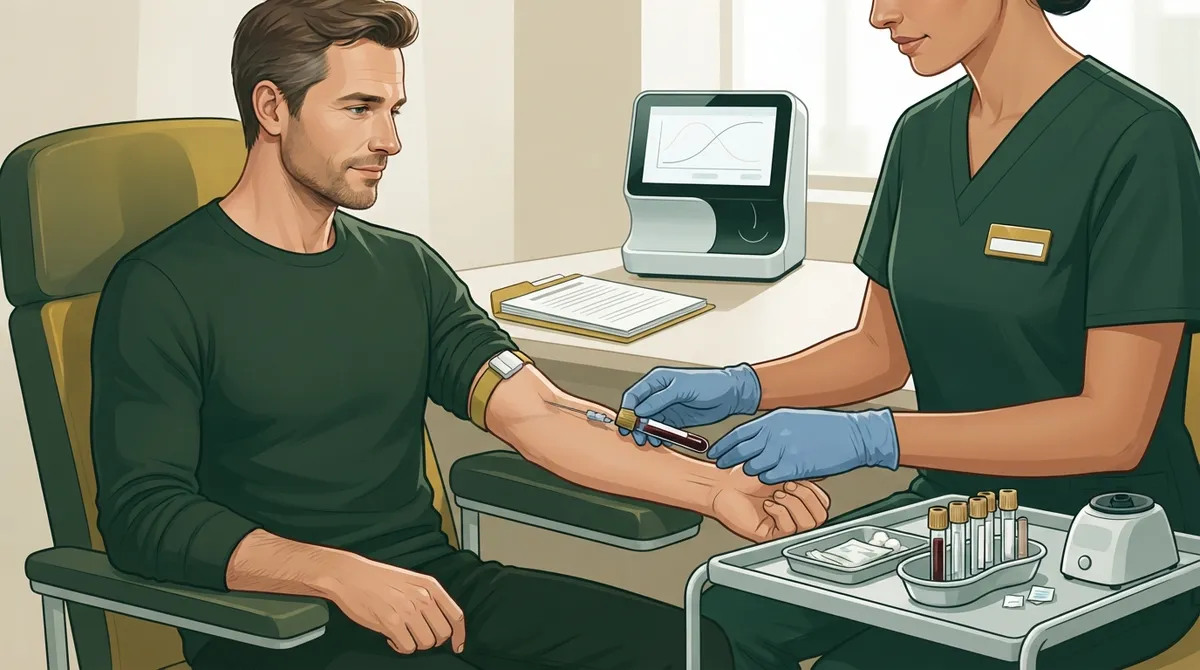
You wouldn’t fix a car without popping the hood first, so don’t guess at your hormones either. The Endocrine Society recommends two separate fasting, early-morning total testosterone tests using an accurate lab assay, not just one random draw. A single low reading isn’t enough to diagnose anything.
Doctors typically look for a total testosterone level near or below 300 ng/dL, combined with symptoms, before considering a diagnosis. Free testosterone testing can help when your total testosterone sits near that lower threshold or when sex hormone-binding globulin levels are abnormal.
Key Labs Men Over 40 Should Ask About
| Test | What It Checks | Why It Matters |
|---|---|---|
| Total & Free Testosterone (AM, fasting, x2) | Hormone levels | Confirms or rules out true hypogonadism |
| LH and FSH | Pituitary signaling | Distinguishes testicular vs. pituitary causes |
| Complete Blood Count (CBC) | Anemia, hematocrit | Anemia can mimic low-T fatigue; hematocrit is monitored during TRT |
| Thyroid Panel (TSH, Free T4) | Thyroid function | Underactive thyroid often causes fatigue |
| Fasting Glucose / A1C | Blood sugar control | Diabetes and insulin resistance zap energy |
| PSA | Prostate health | Required before starting testosterone therapy in men over 40 |
Clinicians may also check prolactin, iron studies, or order a sleep study if sleep apnea is suspected. This step-by-step evaluation matters because it investigates the actual cause of fatigue instead of treating a single number on a lab report. At Allura Longevity, every client completes comprehensive blood work through LabCorp before any treatment plan is created, so recommendations are based on your real biology, not guesswork.
Step 2: Understand What Peptide Therapy Can (and Can’t) Do for Energy
Let’s clear up some confusion. Testosterone replacement therapy and peptide therapy are not the same thing. Testosterone is a steroid hormone. Peptides are short chains of amino acids that signal your body to do specific things, like support tissue repair or stimulate natural growth hormone release. Learn more about how these building blocks work in our guide to what peptides actually are.
Growth hormone-releasing peptides like CJC-1295 and ipamorelin are popular in wellness circles for supporting recovery, sleep quality, and body composition. But it’s important to be honest: these peptides don’t have the same level of clinical evidence as approved treatments for diagnosed low testosterone. They are not FDA-approved specifically for treating fatigue or hypogonadism, and safety data in humans remains limited.
What the Evidence Actually Shows
- CJC-1295 and ipamorelin may support growth hormone release, but increased growth hormone isn’t the same as fixing the root cause of your tiredness.
- BPC-157 is often discussed for recovery and gut support, but research remains largely limited to animal studies, and human safety data is still developing, according to a review published by the National Library of Medicine.
- Compounded peptides can carry risks related to purity, sterility, and consistency since they aren’t manufactured under the same standards as FDA-approved medications.
- Potential side effects of growth hormone secretagogues may include fluid retention, joint discomfort, and changes in blood sugar tolerance.
- Any peptide protocol should include a full medical history, lab work, informed consent, and ongoing monitoring, not just a bottle mailed to your door with no follow-up.
This doesn’t mean peptides have no place in a wellness plan. It means they should be one part of a bigger, medically supervised strategy, not a stand-alone cure-all. If you’re curious how peptides fit alongside other treatments, check out our comparison in peptide therapy vs. testosterone replacement.
Step 3: Rule Out (and Treat) Sleep Apnea, Depression, and Obesity First
This step gets skipped way too often, and it shouldn’t. Current medical guidance urges providers to address obesity, sleep disorders, and other systemic issues before assuming that age-related fatigue automatically requires hormone treatment.
Think of it like this: if a leaky faucet is flooding your kitchen, you don’t just mop the floor over and over. You fix the faucet. The same logic applies to fatigue. Treating the actual source, whether that’s sleep apnea, depression, or excess weight, often improves energy more effectively than jumping straight to injections.
Questions Worth Asking Yourself
- Do I snore loudly or wake up gasping for air?
- Have I gained significant weight in the past few years?
- Am I getting at least 7 hours of quality sleep most nights?
- Have I felt persistently sad, unmotivated, or hopeless?
- Am I drinking alcohol most days of the week?
- Have I had any new or unexplained symptoms, like chest pain or weight loss?
If you answered yes to several of these, it’s worth discussing with a licensed provider before assuming testosterone or peptides are the answer. Losing weight and treating sleep apnea can genuinely raise testosterone levels naturally in many men, which is a much safer starting point.
Step 4: Build a Personalized, Medically Supervised Plan
Once you know what’s actually going on, the next step is building a plan tailored to your body, not a generic one-size-fits-all protocol. This is where a lot of self-directed “biohacking” approaches fall short. Buying peptides online without lab work or physician oversight skips the most important safety steps.
A responsible plan typically includes a full medical history review, physical exam, blood work interpretation, informed consent about risks and unknowns, and regular follow-up monitoring. For men who genuinely have confirmed low testosterone, the Endocrine Society recommends clinical evaluation at 3 to 12 months after starting therapy, then annually, along with testosterone and hematocrit monitoring at 3 to 6 months and yearly after that.
What a Responsible Peptide or Hormone Plan Should Include
- Comprehensive lab testing before any treatment begins
- A licensed provider reviewing your full health history
- Clear discussion of risks, benefits, and what’s still uncertain
- Product sourcing transparency, so you know exactly what you’re injecting
- Scheduled follow-up labs to track progress and safety
- Adjustments to your plan based on how your body responds
At Allura Longevity, this process starts with a simple $50 virtual consultation, followed by LabCorp blood work and a customized six-month plan built around your actual results. Care is led by Ashley, a board-certified Family Nurse Practitioner, with ongoing monitoring throughout your treatment. If you’re exploring options, our article on how to start peptide therapy safely is a great next read.
Step 5: Know When to See a Doctor Right Away
Most fatigue is manageable and improvable, but some symptoms deserve immediate medical attention rather than a wellness protocol. Please don’t try to “biohack” your way through the warning signs listed below.
Red Flag Symptoms That Need Prompt Evaluation
- Chest pain or pressure
- Shortness of breath, especially at rest
- Fainting or near-fainting episodes
- Unexplained, significant weight loss
- Blood in your stool or gastrointestinal bleeding
- New neurological symptoms like numbness or confusion
- Severe depression or thoughts of self-harm
If any of these apply to you, please contact a doctor or seek emergency care right away. Peptide therapy and hormone optimization are meant to support long-term wellness, not replace urgent medical care.
Comparing Your Options: A Quick Reference
| Approach | Best For | Evidence Level | Key Consideration |
|---|---|---|---|
| Sleep & lifestyle changes | Most men with mild-moderate fatigue | Strong | First-line, low risk, often overlooked |
| Confirmed testosterone therapy | Men with two low labs + symptoms | Well-established | Requires monitoring, PSA, hematocrit checks |
| Growth hormone-releasing peptides | Adjunct wellness support | Limited/emerging | Not FDA-approved for fatigue; needs medical oversight |
| Untested online peptides | Not recommended without labs | Weak/unregulated | Purity, sourcing, and safety concerns |
Understanding what are peptides and how they differ from hormone therapy helps you make informed decisions instead of chasing trendy fixes. For a deeper dive into energy-specific options, take a look at how to pick peptides for energy that actually work or explore our broader peptides for men programs.
Bringing It All Together
Low energy in men over 40 is real, frustrating, and worth taking seriously, but it’s rarely one simple problem with one simple pill. The smartest path forward involves proper testing, ruling out common culprits like sleep apnea and thyroid issues, and building a plan that’s actually tailored to your labs and lifestyle. Peptide therapy can play a supportive role for some men, but it works best as part of a bigger, medically guided picture, not a shortcut around it.
If you’re tired of guessing and ready for real answers backed by lab work and licensed medical guidance, Allura Longevity makes the process simple and convenient. With telehealth care available in Florida, Georgia, Texas, Connecticut, Indiana, Maryland, New York, and California, you can get personalized support without leaving your living room. Spots are limited each month, so if you’re ready to feel like yourself again, request a consultation today or call (813) 510-6277 to get started.
FAQs
Q: What causes low energy in men over 40?
A: So many things can cause it, honestly! Poor sleep, sleep apnea, stress, obesity, thyroid issues, diabetes, anemia, and yes, sometimes low testosterone can all play a role. The best first step is getting proper blood work so you’re not just guessing at the cause.
Q: Is low testosterone the reason I feel tired after turning 40?
A: It might be, but fatigue alone doesn’t confirm it. Doctors need to see consistently low testosterone on two separate morning blood tests, along with matching symptoms, before making that diagnosis. It’s worth checking, but it’s rarely the whole story.
Q: Can peptide therapy improve energy, muscle recovery, or motivation?
A: Some peptides are explored for recovery and wellness support, but they’re not proven cures for fatigue and aren’t FDA-approved for that purpose. They work best as part of a personalized, medically supervised plan rather than a stand-alone fix.
Q: What is the difference between testosterone replacement therapy and peptide therapy?
A: Great question! Testosterone is a steroid hormone, while peptides are short chains of amino acids that signal your body to do certain things. They’re related but genuinely different treatments, and a good provider will explain which one actually fits your labs and goals.
Q: When should fatigue in a man over 40 be evaluated by a doctor?
A: If your fatigue is severe, sudden, or paired with symptoms like chest pain, shortness of breath, or unexplained weight loss, please see a doctor right away. For everyday tiredness that’s been dragging on, scheduling a consultation and getting proper labs is a smart, proactive move.





