

Key Takeaways
-
Melanotan II is not FDA-approved for any human use, including cosmetic tanning, meaning products sold online lack official dosing standards, quality control, or safety monitoring.
-
Serious medical side effects documented in clinical literature include priapism, rhabdomyolysis, acute kidney injury, and cardiovascular events—not just minor nausea or flushing.
-
A tan from melanotan provides no UV protection; melanin produced this way does not reliably block ultraviolet radiation, so sunscreen and protective clothing remain essential.
-
The foundational human research on melanotan for tanning involved only 3 men in a 1996 pilot study, compared to afamelanotide's 168-participant phase 3 trials for its narrow EPP indication.
-
Unregulated online melanotan products have no purity guarantees, with concerns including impurities, inconsistent peptide concentration, and potential immune reactions to contaminants.
-
If you've used melanotan, stop immediately and schedule a dermatology skin check, get kidney function labs, and consult a licensed provider about medically supervised alternatives.
If you’ve scrolled social media lately, you’ve probably seen someone flexing a bronze glow and crediting a “tanning peptide” for it. It’s tempting, especially if you love the sun-kissed look without spending hours outside. But before you add melanotan tanning peptide to your cart, let’s have an honest, friendly chat about what it actually is, what it isn’t, and why so many wellness experts are waving a caution flag.
At Allura Longevity, we talk to people every day who are excited about peptide therapy for energy, recovery, weight loss, and healthy aging. We love that enthusiasm. But part of being a trustworthy guide means telling you the truth, even when it’s not the answer you were hoping for. So grab a cup of coffee, and let’s break down the 9 things you really need to know about melanotan tanning peptide.
1. What Melanotan Tanning Peptide Actually Is
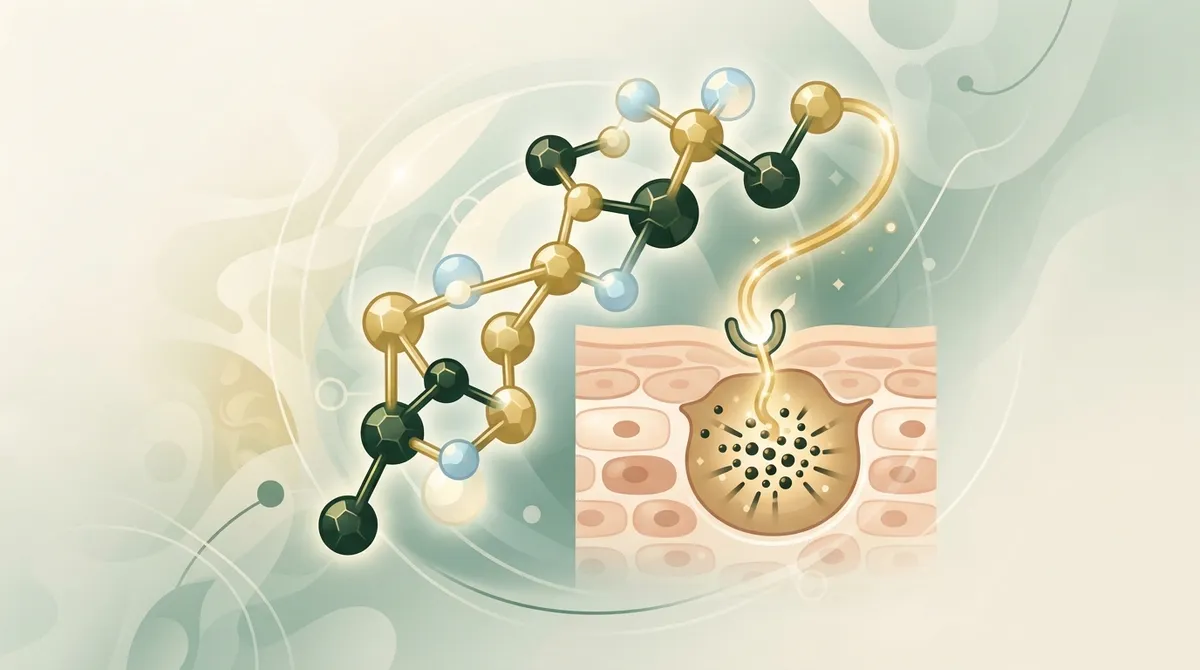
Melanotan II (often shortened to MT-II) is a lab-made version of a hormone your body already makes called alpha-melanocyte-stimulating hormone, or α-MSH. This hormone talks to receptors in your skin, including one called MC1R, that control melanin production. More melanin means darker pigment, which is why MT-II is marketed as a way to tan without sitting in the sun.
It sounds simple on paper. But the way it’s sold online, as injections, nasal sprays, or vague “research chemicals”, is where things get messy. If you’re curious about how peptides work in general, our guide on what are peptides in 2026 is a great place to start.
2. It Is Not FDA-Approved for Tanning
Here’s the big one. Melanotan II has never been approved by the FDA or any major health regulator for cosmetic tanning, or for any human use at all. It is considered an unapproved new drug. That means there’s no official dosing standard, no quality control requirement, and no long-term safety monitoring system behind it.
When something is sold as “research use only,” that label is doing a lot of heavy lifting. It does not mean the product is safe to inject into your own body. It usually means the seller is trying to sidestep the rules that would normally protect you as a consumer.
3. Melanotan I, Melanotan II, and Afamelanotide: Don’t Mix Them Up
This is where a lot of confusion happens, so let’s clear it up with a simple table.
| Compound | Also Known As | FDA Status | Approved Use |
|---|---|---|---|
| Melanotan II (MT-II) | Tanning injection, research chemical | Not approved | None |
| Afamelanotide | Sometimes called Melanotan I | Approved (as SCENESSE) | Erythropoietic protoporphyria (EPP) only |
| SCENESSE Implant | Brand name for afamelanotide | FDA-approved Oct. 8, 2019 | Increases pain-free light exposure in EPP patients |
Notice that afamelanotide’s approval is extremely narrow. It’s a clinician-placed implant for a rare photosensitivity disorder, not a cosmetic tanning treatment. Online sellers sometimes point to this approval as proof that “melanotan is legit,” but that’s simply not an accurate comparison.
4. The Evidence Behind Cosmetic Tanning Is Thin
People often assume there must be solid research backing melanotan since it’s been talked about for decades. In reality, the foundational human study on MT-II pigmentation was a small 1996 pilot study with just 3 men. That’s not nearly enough data to call something safe for widespread cosmetic use.
Separately, early research into MT-II for erectile dysfunction involved very small groups, some with around 10 participants. Those studies weren’t designed to test tanning safety either. Compare that to afamelanotide’s actual EPP trials, which pooled roughly 168 participants in phase 3 research, and you can see the evidence gap clearly.
5. Real Side Effects You Should Know About
Even people who tolerate melanotan initially can run into uncomfortable or serious side effects. Here’s what’s commonly reported:
- Nausea and vomiting
- Loss of appetite
- Facial flushing
- Headaches and dizziness
- Excessive yawning (a strange but frequently mentioned effect)
- Changes in blood pressure
- Darkening or new growth of moles and pigmented spots
And that’s just the milder end. Medical literature has flagged more serious concerns too, which we’ll cover next.
6. Serious Safety Concerns Reported in Medical Literature
This is the part that deserves your full attention. Health authorities and clinicians have raised red flags about:
- Priapism (a prolonged, painful erection requiring emergency care)
- Rhabdomyolysis (breakdown of muscle tissue that can damage kidneys)
- Acute kidney injury
- Neurological events
- Severe cardiovascular effects
- Changes in melanocytic lesions, which matters a lot for skin cancer screening
None of this is meant to scare you unnecessarily. It’s meant to help you make an informed choice, the same way we’d want you to understand risks and benefits before starting any peptide therapy protocol.
7. A Tan From Melanotan Does Not Protect Your Skin
Here’s a myth worth busting immediately: darker skin from melanotan does not shield you from UV damage. Melanin produced this way does not reliably block ultraviolet radiation the way mineral or chemical sunscreen does.
That means you still need sunscreen, protective clothing, and shade, even if your skin looks tanned. Skipping sun protection because you “already have color” from melanotan could leave you more exposed to burns and long-term skin damage than you’d expect.
8. Why Purity and Sourcing Matter So Much
Because melanotan products sold online aren’t regulated, there’s no guarantee of what’s actually in the vial. Concerns raised by regulators include impurities, inconsistent peptide concentration, and immunogenicity issues, meaning your immune system could react poorly to contaminants.
This is one of the biggest reasons Allura Longevity only works with licensed medical providers and lab-based protocols. When you pursue any peptide, whether it’s for weight loss, recovery, or hormone support, sourcing and medical oversight are what separate a safe treatment plan from a risky guessing game. If you want to understand how a properly monitored program works, check out How to Start Peptide Therapy Safely and See Real Results.
9. What to Do If You’ve Already Used an Unapproved Melanotan Product
If you’ve already tried a melanotan product, don’t panic, but don’t ignore it either. Here’s a simple action plan:
- Stop using the product immediately.
- Schedule a skin check with a dermatologist, especially if you’ve noticed new or changing moles.
- Get basic labs done to check kidney function and overall health markers.
- Talk to a licensed provider about any side effects you experienced.
- Consider a medically supervised alternative if your real goal is better skin, energy, or overall vitality.
This is exactly the kind of situation where working with a real clinical team, not an anonymous online seller, makes a difference in your long-term health.
Legal and Regulatory Snapshot
Let’s put the legal status into an easy-to-scan format:
| Question | Short Answer |
|---|---|
| Is MT-II FDA-approved? | No |
| Is afamelanotide FDA-approved? | Yes, only for EPP as SCENESSE |
| Can pharmacies legally compound MT-II for tanning? | Generally not supported under current FDA guidance |
| Does “research use only” labeling make it legal to self-inject? | No |
Regulatory guidance can shift, so if legality is a major concern for you, it’s worth checking current FDA statements directly rather than relying on a seller’s marketing claims.
Safer Ways to Support Your Skin and Overall Wellness
The good news? You don’t have to choose between “risky tanning peptide” and “doing nothing.” There are medically supervised options that support skin health, energy, and confidence without the guesswork.
- Peptide therapy protocols built around your actual blood work
- Skin-supportive peptides used under medical supervision
- Personalized plans for energy, recovery, and hormone balance
- Ongoing monitoring so your provider can adjust your plan as your body responds
If glowing, healthy skin is part of your goal, it’s worth exploring options that go deeper than surface color. Our article on what peptides do for skin walks through evidence-based approaches you can actually feel good about. And if you’re curious how melanotan fits into the bigger peptide conversation, we’ve also covered 6 Facts About Melanotan Peptide You Should Know.
Why Medical Oversight Changes Everything
Peptide therapy, done right, starts with real data about your body. That’s very different from ordering a vial online and hoping for the best. According to the what are peptides overview from WebMD, peptides can offer real therapeutic value, but only when they’re used appropriately and under guidance.
Research published through the National Library of Medicine also highlights how important proper dosing, sourcing, and monitoring are for peptide safety overall. This is the exact model Allura Longevity follows: virtual consultations, LabCorp bloodwork, and a customized six-month plan built by licensed providers, led by board-certified Family Nurse Practitioner Ashley.
How Allura Longevity Approaches Peptide Safety
We get it. Everyone wants results, and they want them without waiting forever. But rushing into unregulated products is rarely the shortcut people hope for. Here’s what our process looks like instead:
- Start with a $50 virtual consultation to talk through your goals.
- Complete blood work through LabCorp so your plan is based on real numbers, not guesswork.
- Receive a personalized six-month treatment plan shipped straight to your door.
- Get ongoing support and dose adjustments from licensed medical providers.
This approach applies whether you’re interested in peptides for fat loss, recovery support like TB-500 peptide, or general vitality and hormone balance through our peptides for women and peptides for men programs. We’re currently licensed in Florida, Georgia, Texas, Connecticut, Indiana, Maryland, New York, and California, with telehealth care available nationwide.
The Bottom Line on Melanotan Tanning Peptide
We know a bronzed glow sounds appealing, especially with summer memories still fresh. But melanotan tanning peptide comes with real, documented risks, unclear sourcing, and zero FDA approval for cosmetic use. The narrow approval of afamelanotide for a rare condition doesn’t change that picture.
If your real goal is healthier skin, more energy, or feeling like the best version of yourself, there are safer, medically guided paths to get there. Our team would love to help you build a plan that’s actually designed around your body, not a mystery vial from an unregulated website. Ready to talk it through? Request a consultation with our licensed providers today, or give us a call at (813) 510-6277. Spots for new clients are limited each month, so don’t wait too long to reach out.
FAQs
Q: Is Melanotan II FDA-approved for tanning?
A: Nope, and this is a really important point. Melanotan II has never been approved by the FDA for tanning or any other human use, so any product claiming otherwise isn’t being upfront with you.
Q: What is the difference between Melanotan I, Melanotan II, and afamelanotide?
A: Melanotan II is the unapproved compound sold online for tanning, while afamelanotide (sometimes loosely called Melanotan I) is only FDA-approved as the SCENESSE implant for a rare condition called EPP. They are not interchangeable, and one being approved doesn’t make the other safe.
Q: Is melanotan tanning peptide safe to inject or use as a nasal spray?
A: Honestly, we can’t recommend it. Without FDA oversight, there’s no guarantee of purity, dosing accuracy, or sterility, and reported side effects range from nausea to serious kidney and cardiovascular issues.
Q: Does Melanotan II protect skin from sunburn or skin cancer?
A: No, and this is a myth worth clearing up. A tan from melanotan doesn’t reliably block UV rays, so you still need sunscreen and protective clothing just like always.
Q: What should someone do after using an unapproved melanotan product?
A: Start by stopping use right away, then book a skin check with a dermatologist and basic labs with your provider. It’s also a great time to talk with a licensed peptide therapy team about safer, medically supervised options going forward.





