

Key Takeaways
-
Start peptide therapy with diagnostic testing and medical history review, not by picking a peptide off a menu; responsible programs require baseline labs, contraindication screening, and personalized dosing before treatment begins.
-
FDA-approved peptides like semaglutide, tirzepatide, and liraglutide have strong clinical evidence, while popular wellness peptides like BPC-157 and TB-500 remain investigational and lack FDA approval for their marketed uses.
-
GLP-1 peptides commonly cause nausea, diarrhea, and decreased appetite; some carry warnings about pancreatitis and gallbladder disease, making professional medical oversight essential for managing side effects proactively.
-
Compounded peptides lack FDA approval for safety and quality standards, so verify prescriber credentials, pharmacy accreditation, and sterility documentation before using any compounded product.
-
The peptide therapeutics market reached $52.6 billion in 2025 with 9.65% projected annual growth, and 287 peptides are currently in clinical evaluation, indicating peptide therapy is becoming mainstream medicine, not a passing trend.
-
Telehealth-based peptide programs with licensed providers offer personalized treatment combined with convenience and ongoing monitoring, making them safer and more effective than self-sourced peptides or unmonitored local clinics.
If you’ve been hearing the term “advanced peptide therapy” everywhere lately, you’re not alone. From wellness podcasts to your gym buddy’s Instagram, peptides are having a moment. But here’s the thing: not everything labeled “advanced” is actually backed by real science, and knowing the difference can save you money, time, and even your health.
Whether you’re a busy professional looking for real energy fixes, a biohacker who loves data, or someone simply trying to age well, this guide breaks down what advanced peptide therapy really means in 2026. We’ll walk through what’s FDA-approved, what’s still experimental, and how to build a safe, personalized plan with proper medical supervision. Let’s get into it, friend to friend, so you can make smart, confident choices about your health.
1. Advanced Peptide Therapy Is a Concept, Not an Official Category
Here’s something that might surprise you: “advanced peptide therapy” isn’t an official FDA term or a recognized medical specialty. It’s more of an educational and marketing phrase used to describe modern, personalized peptide treatment.
In real clinical practice, it usually means using evidence-based peptide medicines with individualized dosing, careful monitoring, and access to newer compounds still being studied. Think of it as smart, science-informed peptide care rather than a single defined treatment. Learning what peptides actually are is a great first step before diving deeper.

2. Peptides Are Simple Molecules With Powerful Jobs
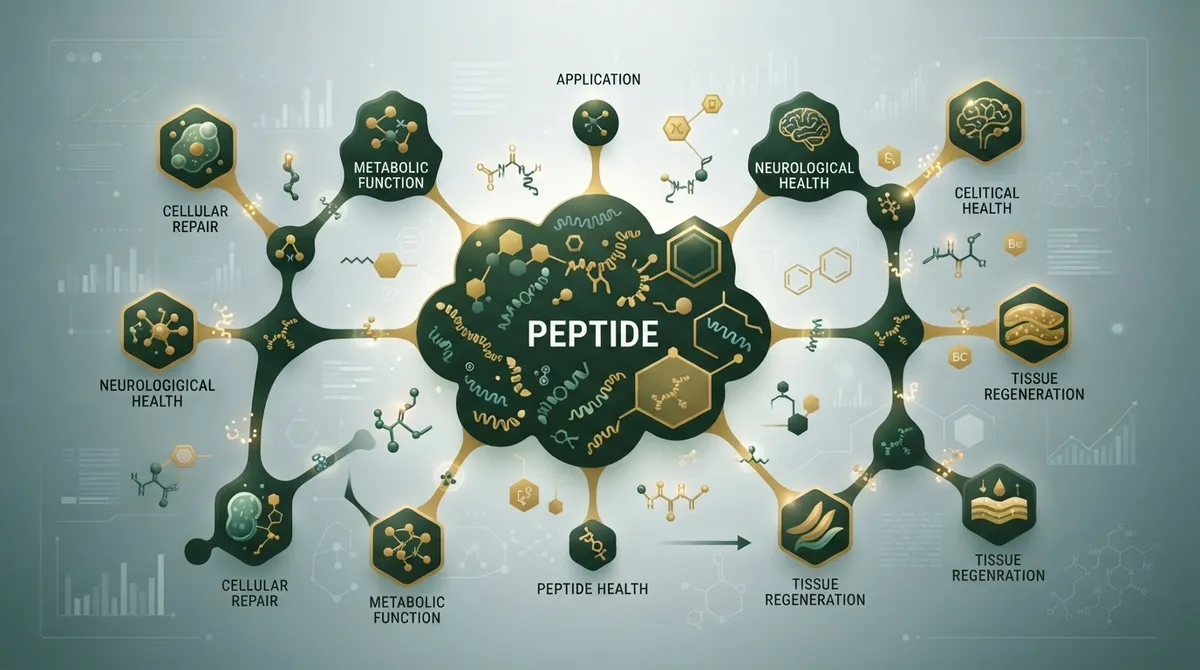
Peptides are short chains of amino acids. They act like tiny messengers, telling your cells and organs what to do. This is explained well in resources like what are peptides, which breaks down the biology in simple terms.
Some peptides regulate blood sugar. Others manage hunger signals, hormone release, or inflammation. Established peptide drug classes include:
- Insulin and insulin analogs for blood sugar control
- GLP-1 receptor agonists for diabetes and weight management
- Somatostatin analogs for hormone-related conditions
- Vasopressin analogs for fluid balance
- Anticoagulant peptides for blood clotting issues
- Peptide-based cancer therapies for specific tumor types
3. The Strongest Evidence Backs Specific FDA-Approved Peptides
Not all peptides are created equal when it comes to proof. The peptides with the best clinical evidence are the ones already approved by the FDA. These include semaglutide, tirzepatide, liraglutide, dulaglutide, exenatide, various insulin products, and tesamorelin.
Each of these has a specific approved use, whether that’s type 2 diabetes, chronic weight management, or growth-hormone-related conditions. A 2025 review found that roughly 100 peptide-based drugs have received regulatory approval worldwide, according to research covered in Peptides in the Clinic Today. That’s real progress, and it means patients have legitimate, tested options.
How GLP-1 Peptides Actually Work
GLP-1 medicines work by boosting insulin release when blood sugar is high, slowing digestion, and increasing that satisfied, full feeling after meals. Tirzepatide goes a step further by activating both GIP and GLP-1 receptors, which is why some people see stronger results. If you want a deeper dive, check out this guide on how GLP-1 peptide therapy actually works.
| Peptide | Primary FDA-Approved Use | Receptor Target |
|---|---|---|
| Semaglutide | Type 2 diabetes, weight management | GLP-1 |
| Tirzepatide | Type 2 diabetes, weight management | GLP-1 and GIP |
| Liraglutide | Type 2 diabetes, weight management | GLP-1 |
| Tesamorelin | Growth-hormone related conditions | GHRH receptor |
| Dulaglutide | Type 2 diabetes | GLP-1 |
4. Many Popular “Wellness” Peptides Are Still Investigational
This is where things get tricky, and it’s important to be honest with you. Peptides like BPC-157, TB-500 (thymosin beta-4), CJC-1295, ipamorelin, AOD-9604, Selank, Semax, and some GHK-Cu formulations are popular in wellness circles. But many of these remain investigational or lack FDA approval for the uses they’re often marketed for.
That doesn’t mean they’re worthless. It means claims about dramatic tissue regeneration, anti-aging miracles, or muscle repair should be viewed with a healthy dose of skepticism. If you’re curious about specific ones, our articles on BPC-157 facts and TB-500 peptide facts break down what the evidence actually shows.
5. A Responsible Program Starts With Diagnosis, Not a Peptide Request
Here’s a golden rule: good peptide therapy never starts with picking a peptide off a menu. It starts with understanding your body first.
A medically sound program should include these steps, in order:
- A full medical history and current medication review
- Baseline lab testing to check hormones, metabolic markers, and overall health
- Screening for contraindications or health risks
- Informed consent explaining benefits, risks, and alternatives
- A personalized dosing plan based on your specific results
- Scheduled follow-up testing to track progress
- Ongoing monitoring for side effects or needed adjustments
This is exactly the model Allura Longevity follows, starting with a simple $50 virtual consultation and LabCorp blood work before building your customized six-month plan. Learn more about how to start peptide therapy safely so you get real, lasting results.
6. Compounded Peptides Require Extra Caution
Compounded peptide products are not the same thing as FDA-approved medications. Compounding can be appropriate under a valid prescription, but these products aren’t approved for safety, effectiveness, or manufacturing quality the same way brand-name drugs are.
Before trusting any compounded peptide, check these things:
- Who is prescribing it, and are they properly licensed?
- Is the pharmacy accredited and reputable?
- Are sterility controls and lot testing documented?
- Is the labeling clear about dosage and storage instructions?
Our detailed comparison of FDA-approved versus compounded peptides can help you understand the tradeoffs before committing to any treatment.
7. Know the Real Risks and Side Effects
No treatment is risk-free, and peptide therapy is no exception. GLP-1 medicines commonly cause gastrointestinal effects such as nausea, vomiting, diarrhea, constipation, and decreased appetite. Some products also carry warnings about pancreatitis, gallbladder disease, dehydration, and low blood sugar when combined with other medications.
The FDA’s approved liraglutide labeling even includes a boxed warning about thyroid C-cell tumor risk, based on animal studies. This is exactly why professional oversight matters so much. Peptide drugs can also break down quickly in the body, cause injection-site reactions, or trigger immune responses, according to research published by the National Library of Medicine.
Common Side Effects by Peptide Type
| Peptide Class | Common Side Effects | Monitoring Needed |
|---|---|---|
| GLP-1 agonists | Nausea, diarrhea, decreased appetite | Blood sugar, weight, GI symptoms |
| Growth hormone peptides | Water retention, joint discomfort | IGF-1 levels, hormone panels |
| Investigational peptides | Injection site reactions, unknown long-term effects | Close clinical supervision |
Understanding side effects ahead of time helps you manage them proactively. This article on what causes GLP-1 side effects and how to manage them is a great companion resource.
8. The Peptide Pipeline Is Growing Fast
Science isn’t standing still. A 2025 clinical review identified 287 peptides currently being evaluated across metabolic disease, oncology, antimicrobial treatment, and even guided surgery. That’s a massive amount of research happening right now.
The market reflects this growth too. Industry estimates placed the global peptide-therapeutics market at approximately $52.6 billion in 2025, with a projected annual growth rate of about 9.65% through 2034. This tells us peptide therapy isn’t a passing trend. It’s becoming a mainstream part of modern medicine.
The FDA also approved the first generic liraglutide injection in December 2024, expanding access to this proven GLP-1 therapy. As more generics and new formulations emerge, patients get more affordable, evidence-based options.
9. Personalized, Supervised Care Makes All the Difference
At the end of the day, advanced peptide therapy works best when it’s personalized to you. Your hormones, metabolism, and health goals are unique, so your treatment plan should be too.
Here’s what a truly personalized approach looks like:
- Start with a consultation to discuss your health history and goals
- Complete comprehensive lab work to establish your baseline
- Receive a customized plan based on your actual results, not guesswork
- Get your peptides delivered directly to your home for convenience
- Continue with regular check-ins and dose adjustments as needed
This is the exact model used by Allura Longevity, led by board-certified Family Nurse Practitioner Ashley. Clients across Florida, Georgia, Texas, Connecticut, Indiana, Maryland, New York, and California get access to licensed telehealth care without ever leaving home. Whether you’re interested in peptides for women or peptides for men, personalized plans make the biggest difference in outcomes.
Comparing Your Peptide Therapy Options
Choosing between local clinics, telehealth, or DIY research peptides can feel overwhelming. Here’s a quick breakdown to help you decide.
| Option | Medical Supervision | Convenience | Evidence Quality |
|---|---|---|---|
| Telehealth peptide therapy | Yes, licensed providers | High, delivered to home | Based on labs and approved options |
| Local specialty clinic | Varies by provider | Requires in-person visits | Varies |
| Self-sourced research peptides | None | High, but risky | Often unverified |
If convenience and safety both matter to you, it’s worth reading our comparison of local clinic versus telehealth peptide therapy before making a decision.
Getting Started the Smart Way
You don’t need to figure this all out alone. The best first step is talking to a licensed provider who can review your health history and lab results before recommending anything.
A few things to keep in mind as you begin your journey:
- Always ask whether a peptide is FDA-approved for your specific goal
- Request clear information about sourcing and pharmacy accreditation
- Make sure ongoing monitoring is part of your plan
- Be wary of any provider promising guaranteed results overnight
Curious about cost transparency? Our guide on real numbers on how much peptide therapy costs can help you budget with confidence.
Your Next Step Toward Feeling Your Best
Advanced peptide therapy, when done right, is really about combining good science with personal care. It’s not about chasing trends or believing every bold claim on social media. It’s about working with real professionals who look at your actual labs and health goals, then build a plan just for you.
Allura Longevity makes this process simple, starting with an affordable consultation, real lab work through LabCorp, and a custom six-month plan delivered right to your door. With licensed providers and ongoing support, you’re never guessing about your health. Spots are limited each month, so if you’re ready to explore what personalized peptide therapy can do for you, request a consultation today and take the first step toward feeling like yourself again, only better.
FAQs
Q: What is advanced peptide therapy and how does it differ from standard peptide therapy?
A: Advanced peptide therapy really just means a more personalized, evidence-based approach to using peptide medicines. It’s not an official medical category, but it typically involves lab-guided dosing, ongoing monitoring, and access to newer treatments alongside proven ones. Think of it as smarter, more tailored care rather than a totally different type of therapy.
Q: Which peptide therapies are FDA-approved?
A: Great question! FDA-approved peptide medicines include semaglutide, tirzepatide, liraglutide, dulaglutide, exenatide, various insulin products, and tesamorelin. Each one has specific approved uses, like managing type 2 diabetes or supporting weight loss, so it’s worth checking what’s approved for your particular goal.
Q: Are BPC-157, TB-500, CJC-1295, and ipamorelin FDA-approved?
A: Not currently. These peptides are popular in wellness circles, but they remain investigational and lack FDA approval for the uses they’re often marketed for. That doesn’t mean they’re useless, but it does mean you should approach big claims with a healthy dose of caution and always work with a licensed provider.
Q: What tests and monitoring are needed before and during peptide treatment?
A: A responsible program starts with a full medical history, baseline lab work, and screening for any health risks before treatment begins. Once you start, regular follow-up testing helps your provider track progress and adjust your plan safely. This is exactly the kind of care you’ll get with a structured, telehealth-based program.
Q: Is compounded peptide therapy safe and legal?
A: Compounded peptides can be appropriate under a valid prescription, but they aren’t FDA-approved in the same way brand-name drugs are. It’s important to verify your prescriber’s credentials, the pharmacy’s accreditation, and quality testing before starting. Working with a licensed telehealth provider helps take the guesswork out of this process.





