
Key Takeaways
-
Thymosin alpha 1 is a 28-amino acid peptide that acts as an immune system coach by supporting T-cell maturation, activating dendritic cells, and boosting natural killer cell activity rather than attacking pathogens directly.
-
The strongest clinical evidence supports thymosin alpha 1 for chronic hepatitis B and C, while broader wellness claims about immune balance lack the same level of research validation.
-
Thymalfasin (brand name Zadaxin) is the FDA-approved synthetic version available in 35+ countries, but it lacks full FDA approval in the U.S., requiring treatment through licensed providers who understand current regulations.
-
Common dosing protocols involve 1.6 mg administered subcutaneously twice weekly for 6-12 months, with clinical reviews describing the peptide as generally well-tolerated with minimal side effects like mild injection site reactions.
-
Personalized peptide therapy requires baseline bloodwork and individualized assessment rather than one-size-fits-all protocols, making telehealth consultation with licensed providers essential for safe and effective treatment planning.
-
Thymosin alpha 1 supports immune-compromised states and may assist in cancer treatment as adjunct therapy, though these applications represent earlier-stage research compared to established uses in chronic viral infections.
If you have ever felt like your immune system needs a real tune-up, you are not alone. Between busy work schedules, poor sleep, and everyday stress, our bodies often need extra support to stay strong and resilient. That is where thymosin alpha 1 peptide comes into the conversation. This naturally occurring peptide has caught the attention of health optimizers, biohackers, and aging adults who want smarter ways to support their immune health.
In this friendly guide, we will break down what thymosin alpha 1 is, how it works, and why it shows up so often in peptide therapy discussions. We will also cover dosing basics, safety information, and the honest truth about the current evidence. Whether you are new to peptides or you have been tracking your labs for years, this article will help you understand this peptide clearly and simply. Let’s dive in together.
What Is Thymosin Alpha 1 Peptide?
Thymosin alpha 1 (often shortened to Tα1) is a small peptide made of 28 amino acids. It is naturally produced by the thymus gland, which plays a big role in training your immune cells. Scientists later created a synthetic version called thymalfasin, sold under the brand name Zadaxin in some countries.
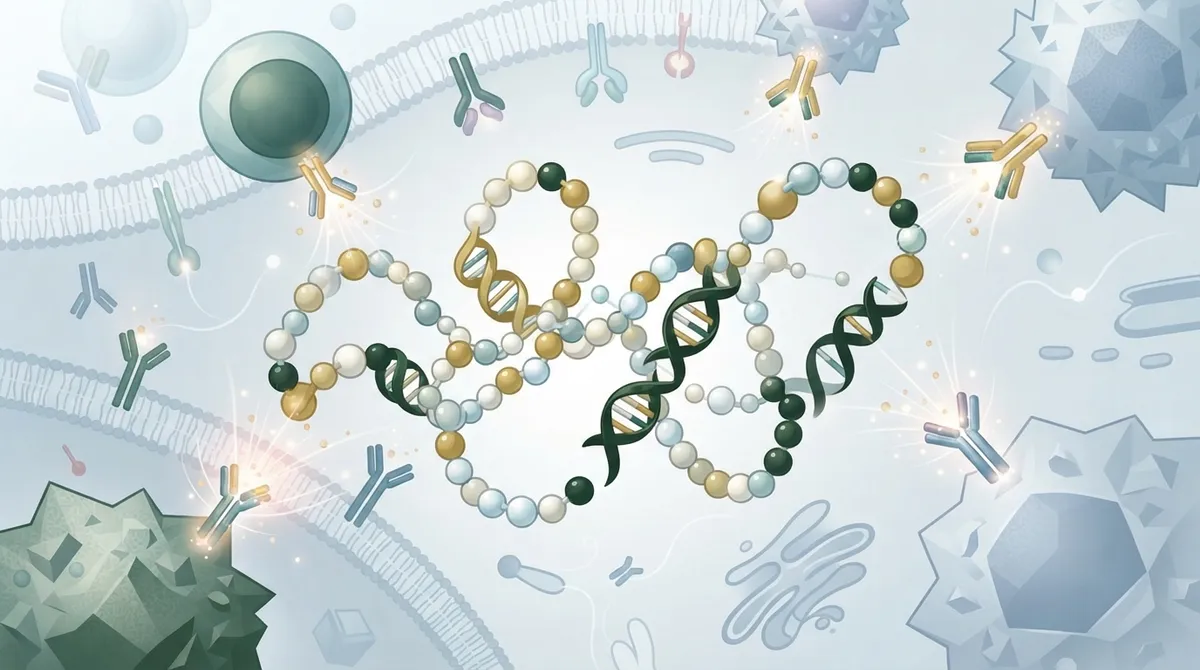
Think of thymosin alpha 1 as a coach for your immune system. It does not attack germs directly. Instead, it helps train and organize the immune cells that do the actual work. This is why it falls into a category called immunomodulators, or peptides that help balance immune activity.
If you want a deeper foundation on how peptides work in general, our guide on 8 Facts That Explain What Are Peptides in 2026 is a great place to start. For a broader medical explanation, WebMD offers a helpful overview of what are peptides and how they function in the body.

How Does Thymosin Alpha 1 Support the Immune System?
Your immune system relies on many types of cells working together like a well-run team. Thymosin alpha 1 seems to help several of these players perform better. Here is a simple breakdown of its key actions:
- Supports T-cell maturation, helping immune cells develop properly
- Activates dendritic cells, which act like messengers alerting the immune system to threats
- Boosts natural killer cell activity, helping the body respond to abnormal cells
- Influences cytokine signaling, which helps cells communicate during immune responses
- May help balance an overactive or underactive immune response
Research published through the National Library of Medicine highlights these immune-modulating actions and their relevance in various clinical contexts. This is part of why the peptide has stayed relevant in medical research for decades, even as new peptides continue to enter the wellness space.
Common Uses of Thymosin Alpha 1 in Clinical Research
Thymosin alpha 1 has been studied for several health conditions, mostly related to immune challenges. It is important to separate strong evidence from early-stage research, so let’s look at where the science currently stands.
Chronic Viral Infections
The strongest clinical use case for thymosin alpha 1 involves chronic hepatitis B and hepatitis C. Studies have explored how the peptide may help the immune system respond better to these long-term viral infections.
Cancer Support Research
Some research has looked at thymosin alpha 1 as an add-on therapy alongside standard cancer treatments. A study in a peer-reviewed cancer therapy journal examined its use as an adjunct for conventional treatment, showing interest in its immune-supportive role during cancer care.
Immune-Compromised States
Because thymosin alpha 1 supports immune cell function, researchers have also explored its role in people with weakened immune systems, including certain infections and recovery scenarios.
Is Thymosin Alpha 1 the Same as Thymalfasin or Zadaxin?
This is one of the most common questions people ask, and the answer is simple. Thymalfasin is the synthetic, pharmaceutical version of naturally occurring thymosin alpha 1. Zadaxin is simply the brand name used for thymalfasin in certain international markets.
Here is a quick comparison to make this clearer:
| Term | What It Means |
|---|---|
| Thymosin Alpha 1 | The natural peptide made by the thymus gland |
| Thymalfasin | The synthetic, lab-made version of the peptide |
| Zadaxin | The brand name used for thymalfasin in certain countries |
Understanding these terms helps you feel more confident when reading research or talking with a licensed provider about your options.
Is Thymosin Alpha 1 FDA Approved in the United States?
This is another big question, and it deserves an honest answer. Thymalfasin has been approved in more than 35 countries for specific medical uses. However, it has not received full FDA market approval in the United States.
This does not mean the peptide is unsafe. It means the regulatory pathway in the U.S. is different, and any use should always involve a licensed medical provider who understands current guidelines. This is exactly why working with a trusted telehealth provider matters so much. At Allura Longevity, licensed providers evaluate your health history and bloodwork before recommending any peptide protocol, keeping your safety front and center.
Typical Thymosin Alpha 1 Dosage Protocols
Dosing should always come from a licensed provider, but it helps to understand the general patterns discussed in clinical literature. Here is a simple breakdown:
- A commonly cited labeled regimen is 1.6 mg administered subcutaneously, twice weekly
- Some chronic-use protocols reference dosing twice weekly for 6 to 12 months
- Administration is typically done through a small subcutaneous injection, similar to other peptide therapies
- Duration and frequency vary based on the individual’s health goals and bloodwork
- Ongoing monitoring helps providers adjust the plan as needed
If you are new to injections, our resource on How to Prepare for Safe, Effective Peptide Injections walks you through the basics in a simple, approachable way.
Safety and Side Effects of Thymosin Alpha 1
Good news here. Clinical reviews describe thymosin alpha 1 as generally well tolerated. One overview reported a favorable safety profile in more than 2,000 treated individuals, which is reassuring for anyone considering this peptide.
Still, no treatment is completely risk-free, and side effects can vary from person to person. Here are a few points to keep in mind:
- Injection site reactions like redness or mild swelling can occur
- Some people report mild flu-like symptoms after injections
- Underlying health conditions may affect how your body responds
- Quality and sourcing of the peptide matter for safety
- Physician supervision helps catch and manage any issues early
Recent review literature from 2024 continues to describe thymosin alpha 1 as a well-tolerated immune modulator, with ongoing interest in contexts like COVID-19 recovery, autoimmune conditions, and cancer support. That said, more research is still needed before broader claims can be considered fully established.
How Strong Is the Clinical Evidence?
It is easy to get excited about a peptide with so much potential, but let’s stay grounded and honest. The strongest evidence supports thymosin alpha 1 for chronic hepatitis B and C, with promising but less definitive research in cancer and immune-support settings.
Many broader wellness claims about immune balance go beyond the strongest evidence base. This is not a reason to dismiss the peptide, but it is a good reason to work with a licensed provider who can explain what the research truly shows for your specific situation.
Who Might Consider Thymosin Alpha 1 in a Peptide Therapy Plan?
Different people come to peptide therapy for different reasons. Here are some examples of who might explore thymosin alpha 1 with a licensed provider:
- Aging adults wanting extra immune support as their bodies change
- Wellness seekers looking to add a targeted peptide to an existing health routine
- Biohackers who track labs and want data-driven immune insights
- Busy professionals seeking convenient, at-home treatment options
- Individuals recovering from illness who want extra immune support during recovery
No matter which group you fall into, the key is personalization. A protocol that works well for one person may not be right for another, which is why individualized bloodwork matters so much.
How Thymosin Alpha 1 Fits Into a Personalized Peptide Therapy Plan
At Allura Longevity, every plan starts with real data, not guesswork. Clients begin with an affordable $50 virtual consultation, followed by bloodwork through LabCorp. This helps licensed providers, including board-certified Family Nurse Practitioner Ashley, build a six-month treatment plan tailored to your body and goals.
Here is what the process typically looks like:
- Complete a simple online consultation to discuss your health goals
- Get bloodwork done locally through LabCorp for accurate baseline data
- Receive a personalized treatment plan based on your results
- Get your peptides shipped directly to your home for easy, private use
- Stay supported with ongoing monitoring and plan adjustments over time
This approach removes the guesswork and gives you a plan built around your actual biology, not a one-size-fits-all template. If you are curious about the bigger picture of getting started safely, check out How to Start Peptide Therapy Safely and See Real Results.
Comparing Thymosin Alpha 1 to Other Popular Peptides
It helps to see how thymosin alpha 1 stacks up against other peptides commonly used in wellness protocols. Here is a simple comparison table:
| Peptide | Primary Focus | Common Use Case |
|---|---|---|
| Thymosin Alpha 1 | Immune modulation | Immune support, chronic viral conditions |
| BPC-157 | Tissue repair | Injury recovery and healing |
| CJC-1295 | Growth hormone support | Muscle recovery and metabolism |
| GLP-1 peptides | Metabolic support | Weight management |
If injury recovery is more your focus, our article on 9 BPC-157 Peptide Facts to Know Before You Start is worth a read. And if metabolism and weight goals are top of mind, take a look at Which Weight Loss Peptides Actually Work in 2026?
Why Telehealth Makes Sense for Peptide Therapy Like This
Managing a peptide protocol should not feel complicated or time-consuming. Telehealth makes it possible to get expert guidance without rearranging your entire schedule. This matters most for busy professionals and anyone juggling a full plate of responsibilities.
With Allura Longevity, care is available nationwide through licensed providers in Florida, Georgia, Texas, Connecticut, Indiana, Maryland, New York, and California. You get expert oversight, home delivery, and ongoing monitoring, all without stepping into a waiting room. To compare your options further, our guide on Local Clinic vs. Telehealth: Best Peptide Therapy Near You? breaks down the pros and cons clearly.
Final Thoughts on Thymosin Alpha 1 Peptide
Thymosin alpha 1 peptide offers a fascinating look into how our immune system can be supported through targeted, science-based tools. From its roots as a natural thymus-derived peptide to its synthetic form used globally, it remains a meaningful piece of the immune health conversation. While the strongest evidence centers on specific medical conditions, its immune-modulating role continues to interest researchers and wellness-focused individuals alike.
If you are ready to explore whether thymosin alpha 1 or another personalized peptide plan fits your health goals, our licensed team is here to help every step of the way. Spots fill up quickly each month, so do not wait too long to get started. You can request a consultation today and take the next step toward a stronger, more balanced you. For more guidance, feel free to call us at (813) 510-6277.
FAQs
Q: What is thymosin alpha 1 used for in peptide therapy?
A: Thymosin alpha 1 is mainly used to support immune function, especially T-cell activity and overall immune balance. In peptide therapy settings, it is often discussed for immune support, though the strongest clinical evidence involves chronic viral infections like hepatitis B and C.
Q: Is thymosin alpha 1 the same as thymalfasin or Zadaxin?
A: Great question, and one we hear often! Thymalfasin is simply the synthetic, lab-made version of natural thymosin alpha 1, and Zadaxin is just the brand name used for thymalfasin in some countries.
Q: Is thymosin alpha 1 FDA approved in the United States?
A: Not quite yet. Thymalfasin has approval in more than 35 countries, but it does not currently have full FDA market approval in the U.S., so any use should involve a licensed provider who understands the current regulatory landscape.
Q: What are the typical side effects of thymosin alpha 1?
A: The good news is that clinical reviews describe it as generally well tolerated, with mild injection site reactions being the most common issue. Still, working with a licensed provider ensures your specific health profile is considered before starting.
Q: How strong is the clinical evidence for thymosin alpha 1?
A: The evidence is strongest for chronic hepatitis B and C, with more limited research in cancer support and general immune balance. It is always smart to view broader wellness claims with healthy curiosity and lean on licensed medical guidance.