
Key Takeaways
-
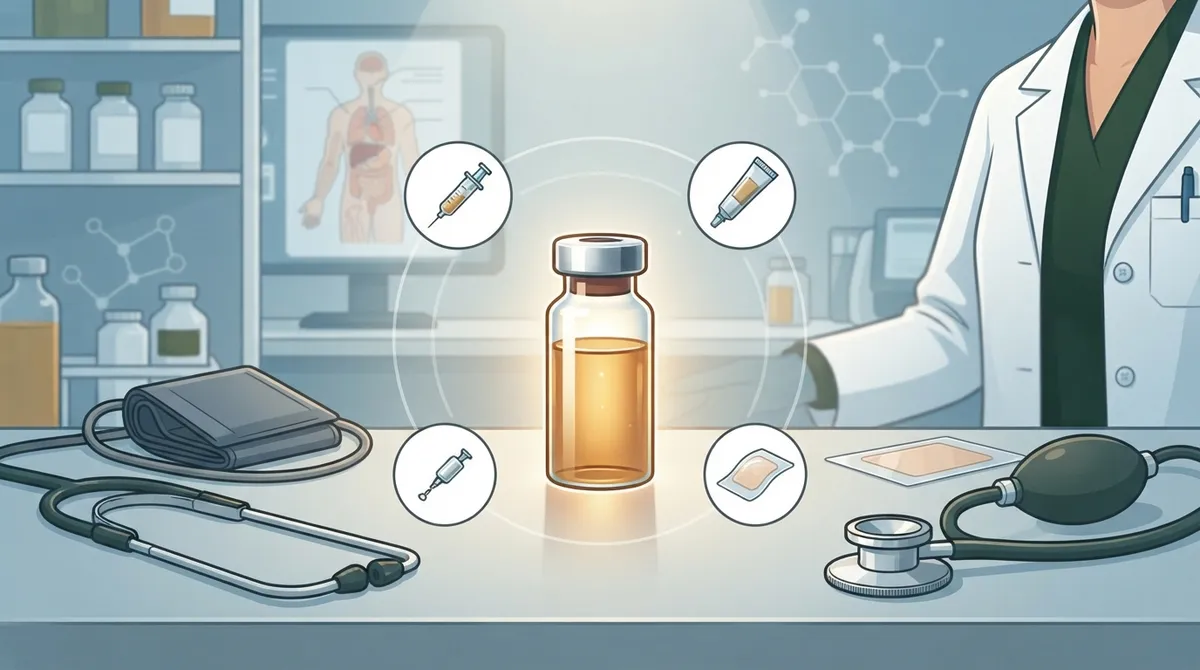
TRT requires a confirmed diagnosis with two separate early-morning blood tests showing testosterone below 300 ng/dL plus matching symptoms—one low reading is insufficient for treatment initiation.
-
TRT and peptide therapy work through completely different mechanisms: TRT delivers testosterone directly while peptides signal your body to release its own hormones, making them non-interchangeable treatments.
-
TRT comes with real side effects including reduced sperm production, testicular shrinkage, and suppression of natural hormone signaling; ongoing monitoring of hematocrit, blood pressure, and prostate health is essential.
-
Multiple TRT delivery methods exist (injections, gels, patches, pellets) and require personalized selection based on lifestyle and medical history rather than a one-size-fits-all approach.
If you’ve been scrolling through wellness forums or chatting with friends about feeling tired all the time, you’ve probably heard the term TRT thrown around. Maybe someone mentioned it next to peptides, or you saw it paired with words like “anti-aging” and “muscle gain.” It’s confusing, and honestly, a lot of the information out there is misleading. Let’s clear things up together, in plain language, so you know exactly what TRT is, how it differs from peptide therapy, and whether it might be worth discussing with a licensed provider.
Whether you’re a busy professional trying to get your energy back, an aging adult who wants to feel like yourself again, or a biohacker who loves digging into lab results, this guide breaks down TRT into 8 clear facts. We’ll also talk about how peptide therapy fits into the bigger picture, because the two are often confused but work very differently in your body.

1. TRT Stands for Testosterone Replacement Therapy
TRT means testosterone replacement therapy. It’s a prescription treatment that gives your body testosterone when it isn’t making enough on its own. This usually happens because of a condition called hypogonadism or another diagnosed medical issue.
TRT isn’t something you can just decide to try because you feel a little sluggish. It requires a real diagnosis, blood work, and ongoing supervision from a licensed medical provider. This is a serious hormone treatment, not a casual wellness boost.
2. TRT and Peptide Therapy Are Not the Same Thing
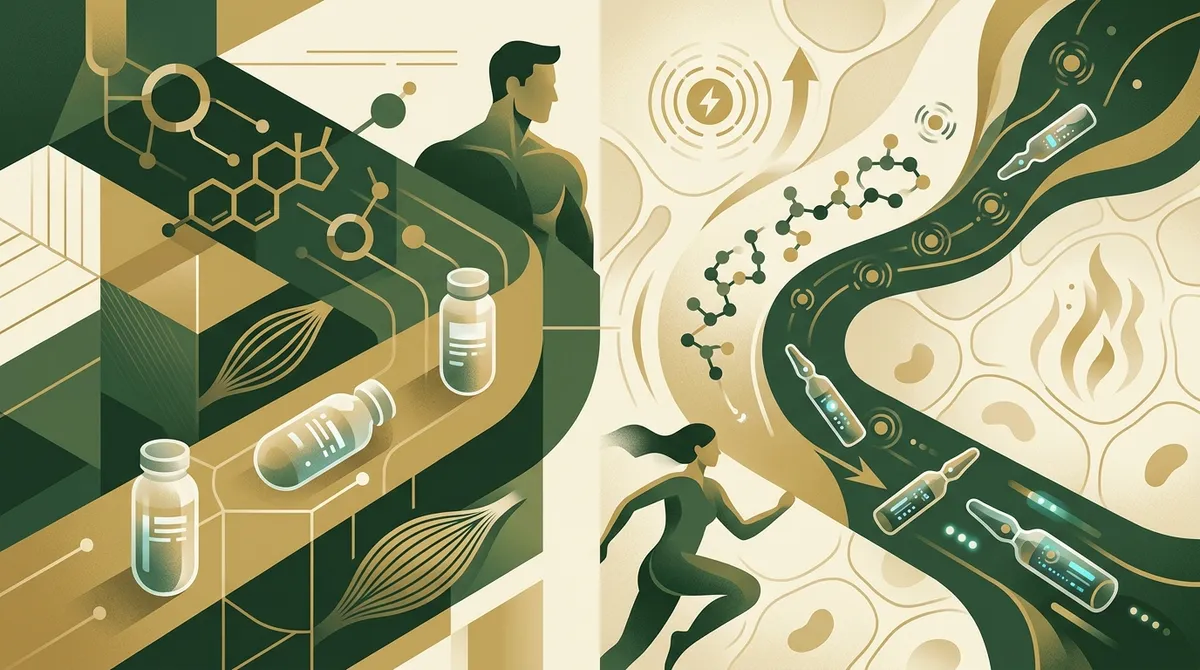
This is probably the biggest point of confusion, so let’s clear it up right away. TRT delivers testosterone directly into your body. Peptide therapy, on the other hand, uses small protein chains that signal your body to do things like release growth hormone, support tissue repair, or improve metabolic function.
Many peptides people talk about, like growth-hormone secretagogues, work on completely different pathways than testosterone. They don’t replace testosterone, and they shouldn’t be marketed as a natural form of TRT. If you’re curious about the difference in more detail, this breakdown of TRT vs. peptides for men is a great next read.
Why This Distinction Matters
Confusing the two can lead to unrealistic expectations. Someone hoping peptides will act like testosterone might be disappointed, or worse, someone with true testosterone deficiency might delay proper treatment while trying unproven peptide protocols instead.
- TRT directly supplies testosterone to the body
- Peptides trigger your body’s own signaling pathways
- Peptides do not replace confirmed testosterone deficiency treatment
- Both require medical oversight, but for different reasons
- Combining them should only happen under professional guidance
3. A Real Diagnosis Requires More Than One Blood Test
Here’s something a lot of people don’t realize: one low testosterone reading doesn’t mean you need TRT. The Endocrine Society recommends confirming low testosterone with a repeat, fasting, early-morning blood test before making any decisions.
The American Urological Association uses total testosterone below 300 ng/dL as a reasonable cutoff, but only when it’s confirmed with two separate early-morning tests, alongside symptoms that match. A single number on a lab report never tells the whole story.
Symptoms Providers Look For
- Low sex drive or reduced sexual function
- Persistent fatigue or low energy
- Mood changes, including irritability or low motivation
- Loss of muscle mass or strength
- Increased body fat, especially around the midsection
- Poor sleep quality
- Reduced bone density over time
If these symptoms sound familiar, it might be worth exploring how to know if you need hormone therapy before jumping to conclusions about TRT.
4. TRT Comes in Several Different Forms
There’s no single way to take TRT. Your provider will help you choose based on your lifestyle, medical history, and comfort level. Here’s a quick comparison of common options.
| Formulation | How It’s Used | Typical Frequency |
|---|---|---|
| Intramuscular injections | Injected into muscle tissue | Weekly or biweekly |
| Subcutaneous injections | Injected under the skin | Weekly |
| Topical gels or creams | Applied daily to skin | Daily |
| Transdermal patches | Worn on the skin | Daily |
| Subcutaneous pellets | Inserted under the skin in a minor procedure | Every 3-6 months |
Each option has pros and cons involving cost, convenience, and how steady your hormone levels stay throughout the week. This is exactly why a personalized plan matters so much, rather than a one-size-fits-all approach.
5. Benefits Are Real, But Only for the Right Patients
When TRT is prescribed appropriately, people with confirmed low testosterone may notice real improvements. But it’s important to be honest here: TRT is not a general anti-aging treatment for people with normal testosterone levels.
- Improved sexual desire and function
- More stable energy throughout the day
- Better mood and mental clarity
- Improved bone density over time
- Increased lean muscle mass
- Correction of certain types of anemia
These benefits vary from person to person, and they depend heavily on getting an accurate diagnosis first. This is one reason working with a provider who reviews your full personalized peptide and hormone health plan matters so much, rather than guessing based on symptoms alone.
6. TRT Comes With Real Risks and Side Effects
No treatment is risk-free, and TRT is no exception. Understanding the possible downsides helps you make an informed decision with your provider.
Common Side Effects
- Increased red blood cell count (hematocrit)
- Acne or oily skin
- Breast tenderness or mild enlargement
- Fluid retention or swelling
- Worsened sleep apnea in some people
- Reduced sperm production and fertility
- Testicular shrinkage
TRT also suppresses your body’s natural hormone signaling system, called the hypothalamic-pituitary-gonadal axis. This can lower your natural testosterone and sperm production even further. If you’re hoping to have children in the near future, this is something to discuss carefully with your provider before starting treatment, according to research published by the National Library of Medicine.
7. Monitoring and Safety Matter More Than Ever
In February 2025, the FDA updated labeling for all testosterone products after reviewing new cardiovascular and blood-pressure data. The good news: the boxed warning about heart attack risk was removed, based on results from the TRAVERSE trial. However, testosterone products still carry warnings about the potential to raise blood pressure.
This means ongoing monitoring isn’t optional, it’s essential. The AUA recommends checking testosterone levels every 6 to 12 months while on therapy, along with regular checks of the following:
- Hematocrit and hemoglobin levels
- Blood pressure readings
- Symptom improvement or lack thereof
- Prostate health when appropriate
- Overall cardiovascular risk factors
Who Should Be Extra Cautious
Certain people need a more careful evaluation before starting TRT, including those with a history of prostate or breast cancer, untreated severe sleep apnea, uncontrolled heart failure, or recent cardiovascular events. Anyone hoping to preserve fertility should also have a detailed conversation with their provider first. This kind of individualized, careful approach is central to how safe testosterone therapy protocols should be built from day one.
8. Peptides Can Support Overall Wellness, But They’re Not a TRT Substitute
This is where things get exciting, in a good way. While peptides can’t replace TRT for someone with confirmed testosterone deficiency, they play a valuable role in a broader wellness strategy. Peptides like sermorelin, ipamorelin, and CJC-1295 work through the growth-hormone and IGF-1 pathway, supporting things like recovery, sleep quality, and body composition.
Other peptides support entirely different goals, like gut healing, immune function, or skin rejuvenation. If you’re interested in learning about what these small but mighty molecules can do, this article on what are peptides is a fantastic starting point, and this overview from what are peptides offers additional medical context.
A Word of Caution About Compounded Products
Not every peptide product on the market is FDA-approved. Many compounded products lack the same quality control, sterility standards, and clinical evidence as approved medications. This doesn’t mean peptide therapy isn’t valuable, it just means you need a provider who sources responsibly and monitors your progress closely.
How Allura Longevity Approaches Hormone and Peptide Health
At Allura Longevity, the goal isn’t to push TRT or peptides on everyone who walks through the (virtual) door. It’s to figure out what your body actually needs, based on real blood work through LabCorp and a conversation about your goals. Clients start with an affordable $50 virtual consultation, then receive a custom six-month plan built around their specific labs and symptoms.
Care is overseen by Ashley, a board-certified Family Nurse Practitioner, who monitors progress and adjusts your plan as needed. Everything, including peptides and supportive treatments, ships directly to your home, making it easy to stay consistent even with a packed schedule. Allura Longevity is licensed in Florida, Georgia, Texas, Connecticut, Indiana, Maryland, New York, and California, with telehealth support available nationwide.
If you’re weighing your options between testosterone therapy and peptide-based approaches, or you simply want clarity on your lab numbers before deciding anything, it helps to talk with someone who looks at the whole picture. You can also explore how to get prescription peptides safely if you’re leaning toward a peptide-first approach.
Making the Right Choice for Your Body
There’s no universal answer here. Whether TRT, peptide therapy, a fertility-preserving approach, or simply more testing is right for you depends entirely on your labs, symptoms, and health history. The worst thing you can do is guess, or start a protocol based on something you read online without proper testing.
The best thing you can do is get real answers. Ready to find out what your body actually needs? Request a consultation with Allura Longevity today, spots are limited each month, and our licensed providers are ready to build a plan that’s actually built around you, not a generic template.
FAQs
Q: What does TRT stand for?
A: TRT stands for testosterone replacement therapy. It’s a prescription treatment that gives your body testosterone when it can’t produce enough on its own, usually due to a diagnosed medical condition like hypogonadism.
Q: How is TRT different from peptide therapy?
A: Great question, and one we get all the time! TRT delivers testosterone directly, while peptides like sermorelin or CJC-1295 signal your body to release its own hormones, like growth hormone, through a totally different pathway. They’re not interchangeable, but both can play a role in your wellness journey when used correctly.
Q: Can peptides increase testosterone or replace TRT?
A: Most wellness peptides don’t replace TRT or directly raise testosterone the way prescription testosterone does. They work on separate biological pathways, so if you have confirmed low testosterone, TRT (not peptides) is typically the appropriate medical treatment.
Q: What testosterone level qualifies for TRT?
A: The American Urological Association uses a total testosterone level below 300 ng/dL as a reasonable guide, but this needs to be confirmed with two separate early-morning tests plus matching symptoms. One low number alone isn’t enough for a diagnosis.
Q: Is TRT safe for people with heart or blood pressure concerns?
A: It depends on your individual health history, which is why monitoring matters so much. The FDA updated testosterone labeling in 2025 to include blood pressure warnings, so your provider will want to track your blood pressure and cardiovascular risk closely throughout treatment.





