
Key Takeaways
-
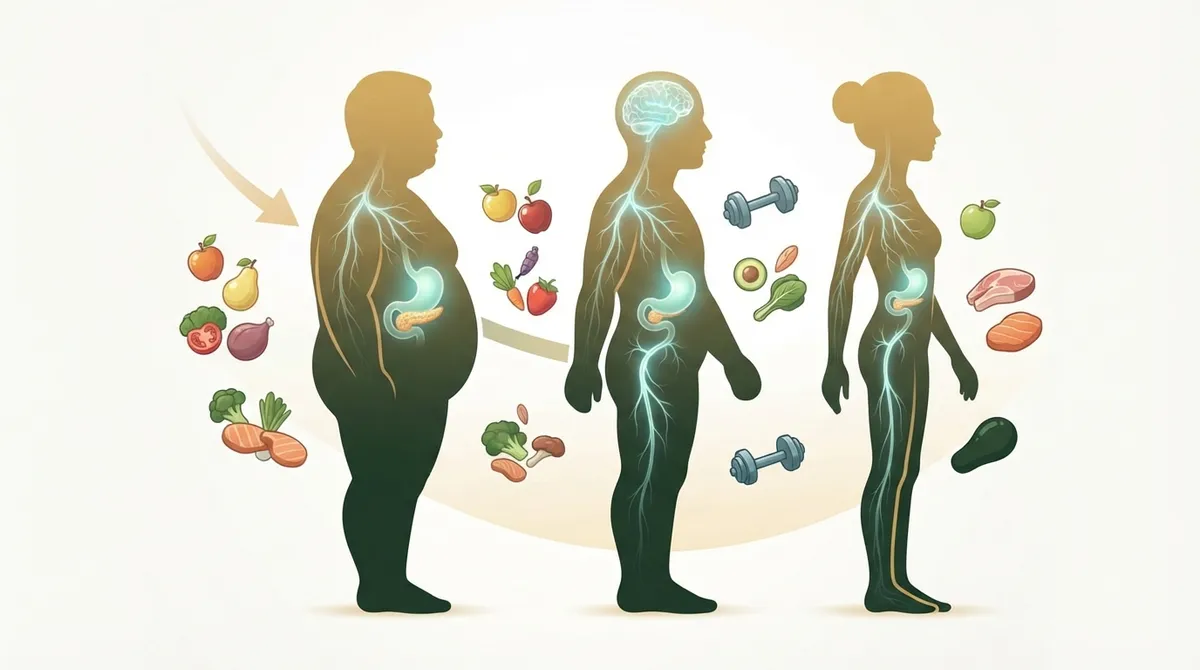
GLP-1 receptor agonists like semaglutide mimic natural GLP-1 but last much longer, activating appetite-reducing receptors in the brain, stomach, and pancreas to create sustained fullness signals and reduce hunger throughout the day.
-
Clinical trials show semaglutide produces 14.9% average weight loss compared to 2.4% with placebo, with 86.4% of users losing at least 5% of body weight within 68 weeks when combined with lifestyle changes.
-
GLP-1 therapy preserves more lean muscle than fat during weight loss, but pairing treatment with resistance training (2-3 days weekly) and adequate protein intake is essential to protect existing muscle mass.
-
Medication starts at low doses and increases gradually over 4-16 weeks; most people notice appetite changes in weeks 8-12, making this a steady process requiring patience rather than rapid results.
-
Weight may return after stopping GLP-1 since appetite signals can shift back, so long-term success requires combining therapy with sustainable lifestyle habits and ongoing medical monitoring, not viewing it as a permanent fix.
-
Common side effects like nausea, diarrhea, and abdominal discomfort are temporary and gastrointestinal-focused; they improve over time and can be managed through hydration, smaller meals, and slower dose increases.
If you’ve watched a friend shed pounds on a weekly injection and wondered what’s actually happening inside their body, you’re not alone. GLP-1 therapy has become one of the most talked-about tools in weight management, and for good reason. But here’s the thing: it’s not magic, and it’s not a shortcut that skips the science. Understanding how does GLP-1 work for weight loss can help you decide if this kind of peptide therapy fits your health goals, whether you’re a busy professional squeezing in telehealth visits or a longevity-minded biohacker who wants every detail before starting something new.
At Allura Longevity, we believe informed patients make the best decisions. So let’s walk through exactly what GLP-1 does in your body, what the research shows, and what you should know before starting treatment. Think of this as the friendly, no-jargon explanation you wish your doctor had time to give you at your last appointment.
What Is GLP-1 and Why Does It Matter for Weight Loss
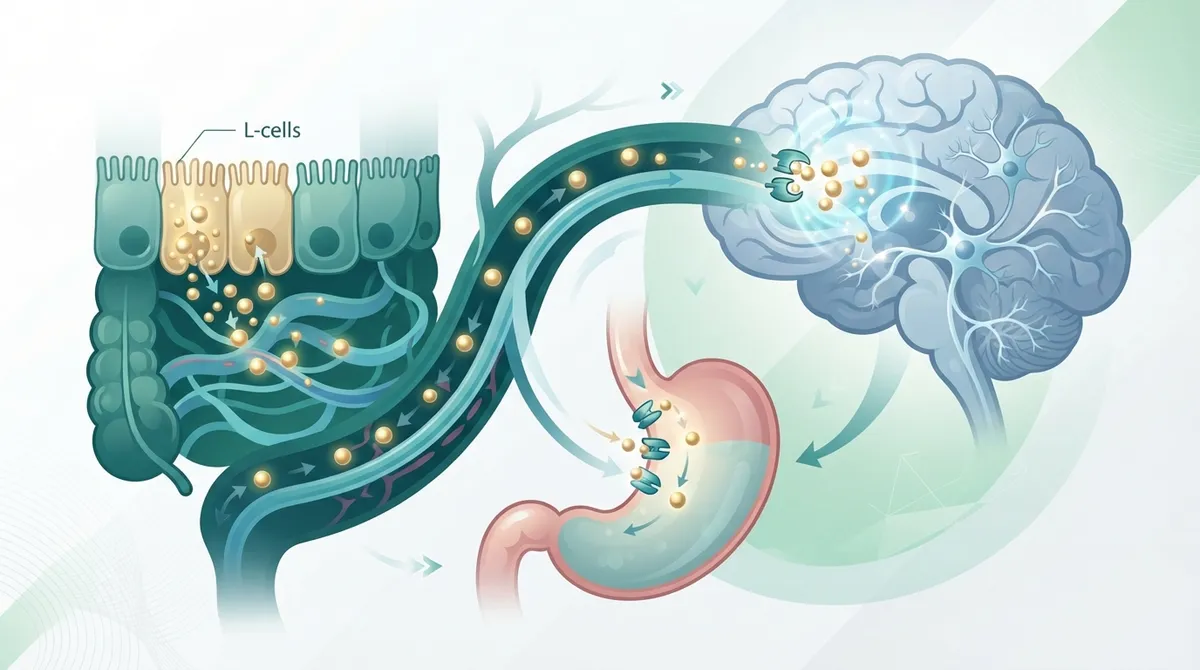
GLP-1, short for glucagon-like peptide-1, is a hormone your gut makes naturally after you eat. It’s part of your body’s built-in system for managing hunger, digestion, and blood sugar. Learn more about what are peptides and how these small protein molecules act as messengers throughout your body.
When you eat a meal, your gut releases GLP-1 to tell your brain you’re getting full. It also slows down digestion and helps your pancreas manage insulin. The problem is, this natural GLP-1 breaks down fast, usually within minutes. That’s where GLP-1 receptor agonist peptide therapy comes in.
- GLP-1 is released from the gut after eating
- It signals fullness to the brain
- It slows stomach emptying
- It helps regulate blood sugar levels
- Natural GLP-1 breaks down within minutes, limiting its effects
How Does GLP-1 Work for Weight Loss on a Cellular Level
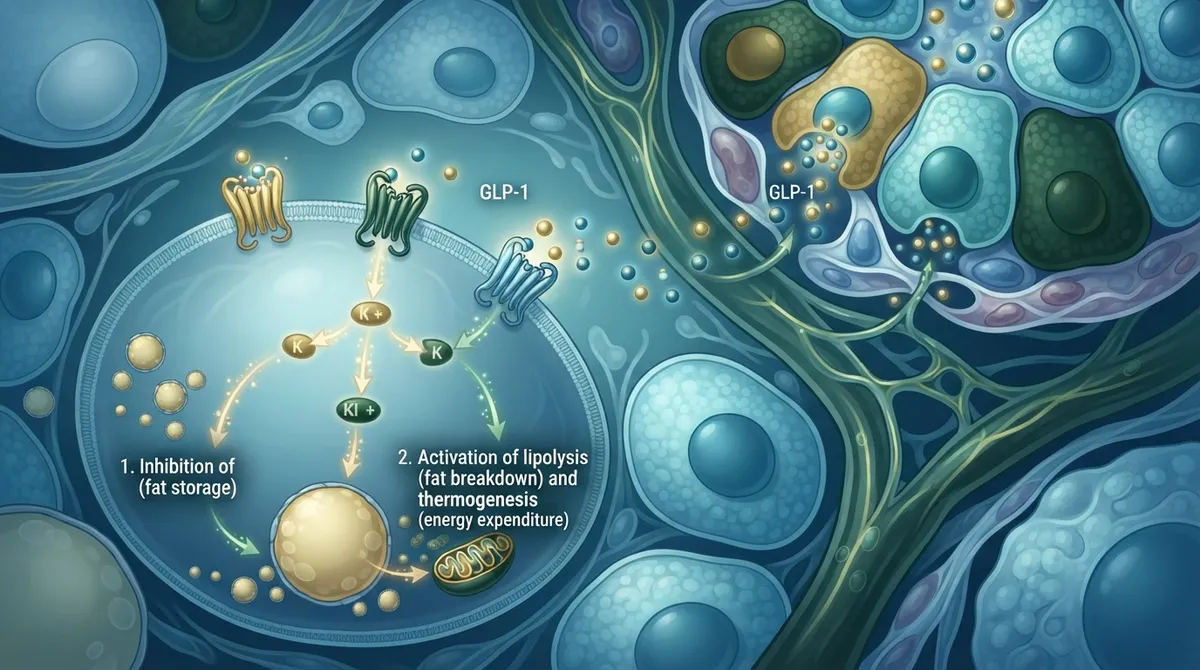
Medications like semaglutide and liraglutide are designed to mimic natural GLP-1, but they last much longer in your system. According to the FDA’s prescribing information for Wegovy, semaglutide shares 94% of its structure with human GLP-1, which allows it to activate the same receptors far more effectively and for a much longer duration.
These GLP-1 receptor agonists attach to receptors in three key areas:
- The brain — specifically appetite centers that reduce hunger signals and increase feelings of fullness
- The stomach and gut — where they slow gastric emptying, so food stays in your stomach longer
- The pancreas — where they help balance insulin and glucagon based on your current blood sugar levels
The result is a natural reduction in how much you want to eat. You feel satisfied sooner, cravings often quiet down, and it becomes easier to stick with a calorie deficit without feeling like you’re constantly fighting your own hunger.
The Gut-Brain Connection Explained Simply
Think of GLP-1 as a messenger running between your stomach and your brain. Normally, this messenger delivers a quick note that says “I’m full” and then disappears. GLP-1 receptor agonists act like a messenger who stays much longer, repeating that message consistently throughout the day and week. This is part of why weight loss peptides have become such a popular topic in the 13 Peptides for Fat Loss That Really Work in 2026 conversation.
What the Clinical Research Actually Shows
The numbers behind GLP-1 therapy are genuinely impressive. The landmark STEP 1 trial, published in the New England Journal of Medicine in 2021, followed adults using once-weekly semaglutide 2.4 mg alongside lifestyle changes for 68 weeks.
| Outcome Measured | Semaglutide Group | Placebo Group |
|---|---|---|
| Average weight loss | 14.9% | 2.4% |
| Lost at least 5% of body weight | 86.4% | 31.5% |
| Lost at least 10% of body weight | 69.1% | 12.0% |
| Lost at least 15% of body weight | 50.5% | 4.9% |
| Average weight lost (kg) | ~15.3 kg | ~2.6 kg |
A broader evidence review of the STEP program in 2022 confirmed these results held up across multiple trials, with mean weight loss ranging from about 14.9% to 17.4% in adults without type 2 diabetes. For people with type 2 diabetes, average weight loss was somewhat lower, around 9.6%, which makes sense since metabolic factors can vary. You can read the original findings directly from the Once-Weekly Semaglutide in Adults with Overweight or Obesity study.
Why Fat Loss, Not Just Weight Loss, Matters
Here’s something many people don’t realize: GLP-1 therapy tends to preserve more lean muscle than fat, according to research reviewed by the National Library of Medicine. Semaglutide studies show greater loss of fat mass compared to lean mass, which is exactly what most people want when they picture a healthier body.
That said, some lean mass loss can still happen. This is why we always encourage clients at Allura Longevity to pair their treatment plan with resistance training and adequate protein intake. It’s not about doing more work; it’s about protecting the muscle you already have while your body sheds fat.
Steps to Support Fat Loss While on GLP-1 Therapy
- Prioritize protein at every meal to protect lean muscle
- Add two to three days of resistance training weekly
- Stay hydrated, especially during dose increases
- Track how you feel, not just the number on the scale
- Keep up with lab work to monitor progress and safety
GLP-1, Semaglutide, Liraglutide, and Tirzepatide: What’s the Difference
These terms get thrown around a lot, and it’s easy to feel confused. Here’s a simple breakdown.
| Term | What It Is |
|---|---|
| GLP-1 | The natural hormone your gut makes after eating |
| Semaglutide | A GLP-1 receptor agonist that mimics GLP-1, taken weekly |
| Liraglutide | An earlier GLP-1 receptor agonist, typically taken daily |
| Tirzepatide | A dual agonist that activates both GLP-1 and GIP receptors |
If you’re curious how these dual-action peptides stack up, our article on GLP-1 vs. Dual-Agonist Peptides: Which Wins for Metabolic Health? breaks it down further.
What to Expect: Dosing and Timeline
One thing we always tell new clients: patience matters here. GLP-1 medications are started at a low dose and increased gradually. This slow approach helps your body adjust and reduces side effects.
- Weeks 1 to 4: Low starting dose to build tolerance
- Weeks 4 to 16: Gradual dose increases based on your response
- Weeks 8 to 12: Many people start noticing meaningful appetite changes
- Ongoing: Dose adjustments guided by bloodwork and progress checks
Every person responds differently, which is exactly why a one-size-fits-all approach rarely works. This is a core reason personalized care matters so much, something we cover in depth in How to Start Peptide Therapy Safely and See Real Results.
Common Side Effects and How to Manage Them
Nobody loves talking about side effects, but you deserve the full picture. The most common ones are gastrointestinal and tend to improve over time.
- Nausea, especially during dose increases
- Diarrhea or constipation
- Mild abdominal discomfort
- Occasional vomiting
- Reduced appetite (which is, of course, the point)
Staying hydrated, eating smaller meals, and avoiding greasy foods can go a long way. If side effects feel intense, your provider can slow down the dosing schedule. For a deeper dive, check out What Causes GLP-1 Side Effects and How to Manage Them?
Who Should Consider GLP-1 Peptide Therapy
GLP-1 therapy isn’t for everyone, and that’s okay. A thoughtful medical evaluation matters before starting. Some important considerations include:
- Personal or family history of medullary thyroid carcinoma
- History of multiple endocrine neoplasia syndrome type 2
- Pregnancy or plans to become pregnant soon
- History of pancreatitis or gallbladder disease
- Current medications that affect blood sugar
This is exactly why bloodwork and a real medical consultation matter so much. At Allura Longevity, every treatment plan starts with a $50 virtual consultation and lab work through LabCorp, so your provider can build a plan around your actual health profile, not guesswork.
Will Weight Come Back After Stopping GLP-1 Therapy
This is one of the most common questions we hear, and it deserves an honest answer. Because GLP-1 therapy works by changing hunger signals, stopping treatment can allow appetite to return to previous levels. That’s why long-term success usually depends on combining therapy with sustainable lifestyle habits, not viewing it as a quick fix.
Our team designs six-month treatment plans with ongoing monitoring specifically to support long-term results, not just short-term numbers on a scale. If you want to understand how sustainable weight loss with peptides actually works, take a look at How to Lose Weight With Peptide Therapy in 2026.
Why Telehealth Peptide Therapy Makes This Easier
For busy professionals and anyone juggling a packed schedule, in-person weight loss clinics can feel like just one more thing to squeeze in. Telehealth removes that barrier. You get labs done locally, a virtual consultation, and your peptides delivered right to your door.
Here’s what makes the process simple:
- Schedule a virtual consultation with a licensed provider
- Complete bloodwork through LabCorp near you
- Receive a personalized six-month treatment plan
- Get your peptides shipped directly to your home
- Check in regularly for monitoring and dose adjustments
Allura Longevity is led by Ashley, a board-certified Family Nurse Practitioner, and offers this exact model across Florida, Georgia, Texas, Connecticut, Indiana, Maryland, New York, and California. If convenience and expert guidance both matter to you, this kind of care model was built with you in mind.
Is GLP-1 Right for Your Goals?
Whether you’re focused on longevity, trying to optimize your metabolic health, or simply tired of diets that don’t stick, understanding the science behind GLP-1 helps you make a confident decision. It’s not about chasing a trend. It’s about using a well-researched tool the right way, with real medical support behind you.
Spots for new clients open up each month, and they tend to fill quickly. If you’re ready to see whether GLP-1 peptide therapy fits your health goals, request a consultation today and take the first step toward a plan built specifically for your body and your goals.
FAQs
Q: How does GLP-1 reduce hunger and increase fullness?
A: GLP-1 receptor agonists activate appetite centers in your brain, sending strong fullness signals while slowing down digestion. This combo means you feel satisfied with less food and stay fuller for longer, making a calorie deficit feel much more manageable.
Q: How long does it take for GLP-1 medication to start causing weight loss?
A: Most people notice appetite changes within the first four to eight weeks, though real weight loss builds gradually as your dose increases. Clinical trials like STEP 1 measured results at 68 weeks, so think of this as a steady journey, not an overnight fix.
Q: What is the difference between GLP-1, semaglutide, liraglutide, and tirzepatide?
A: GLP-1 is the natural hormone your body makes, while semaglutide and liraglutide are medications that mimic it in the receptor agonist family. Tirzepatide goes a step further by activating both GLP-1 and GIP receptors, offering a slightly different mechanism.
Q: Will weight return after stopping GLP-1 medication?
A: It’s possible, since GLP-1 therapy works by changing hunger signals that can shift back once treatment stops. That’s why pairing therapy with lasting lifestyle habits and ongoing medical support tends to lead to better long-term outcomes.
Q: Who is a good candidate for medical peptide therapy for weight loss?
A: Good candidates are adults looking for a medically supervised approach to weight management, ideally without certain health conditions like thyroid cancer history or pancreatitis. A licensed provider reviewing your bloodwork is the best way to know for sure.





