

Key Takeaways
-
There is no single proven collagen plan; oral collagen peptides (dietary supplements) and injectable products like BPC-157 and TB-500 (experimental, unapproved) are very different and should not be confused.
-
Oral collagen may offer small-to-moderate improvements in skin hydration and joint pain, but it works best as an add-on to protein, sun protection, exercise, and sleep.
-
No universally established collagen dose or protocol exists, so choose a quality-verified product with third-party testing and track results consistently over several weeks.
-
Review your medical history, medications, and allergies with a clinician before starting, especially if you have fish or bovine allergies, gout, or chronic kidney disease.
-
Avoid injectable peptides from unverified sellers, since you may not know what is in the vial, whether it is sterile, or how it was made; BPC-157 and TB-500 are not FDA-approved therapies.
You have probably seen the promises. A scoop of powder in your coffee, a tiny vial with a big claim, or a friend swearing a certain peptide made her skin glow. When you search for the best collagen support peptide plan, it is easy to get lost in hype. We have all been there, standing in the supplement aisle (or scrolling online) wondering what is real and what is just good marketing.
Here is the friendly truth: there is no single, universally proven collagen plan. The word “peptide” covers very different things, from a dietary supplement you swallow to experimental products that are not approved for collagen support. Mixing them up is where most people lose money and, sometimes, safety.
In this guide, we will walk through five common mistakes, explain what the research really says in 2026, and show you how to build a smart, realistic plan. If you want a refresher first, read our guide on 8 Facts That Explain What Are Peptides in 2026. Let’s get started.

First, Know What “Collagen Peptides” Actually Means
Before you build any plan, it helps to know the players. The word peptide simply means a short chain of amino acids. What are peptides is a common question, and the answer is broader than most people expect.
In collagen conversations, two very different categories get lumped together:
- Oral hydrolyzed collagen peptides: These are dietary supplements. Your body digests them into amino acids and small peptides.
- Injectable or compounded peptides: Products like BPC-157 and TB-500 are often promoted online for healing. They are experimental and are not established collagen-support treatments.
Treating these two groups as the same thing is the root of many bad decisions. A powder from a store shelf and a compounded injectable have different evidence, different risks, and different oversight.
| Feature | Oral Collagen Peptides | BPC-157 / TB-500 |
|---|---|---|
| Category | Dietary supplement | Unapproved, experimental |
| Human evidence | Modest benefits in some studies | No robust human evidence for collagen support |
| Form | Powder, capsule, drink | Compounded, often injectable |
| Main concern | Product quality, allergies | Limited safety data, impurities |
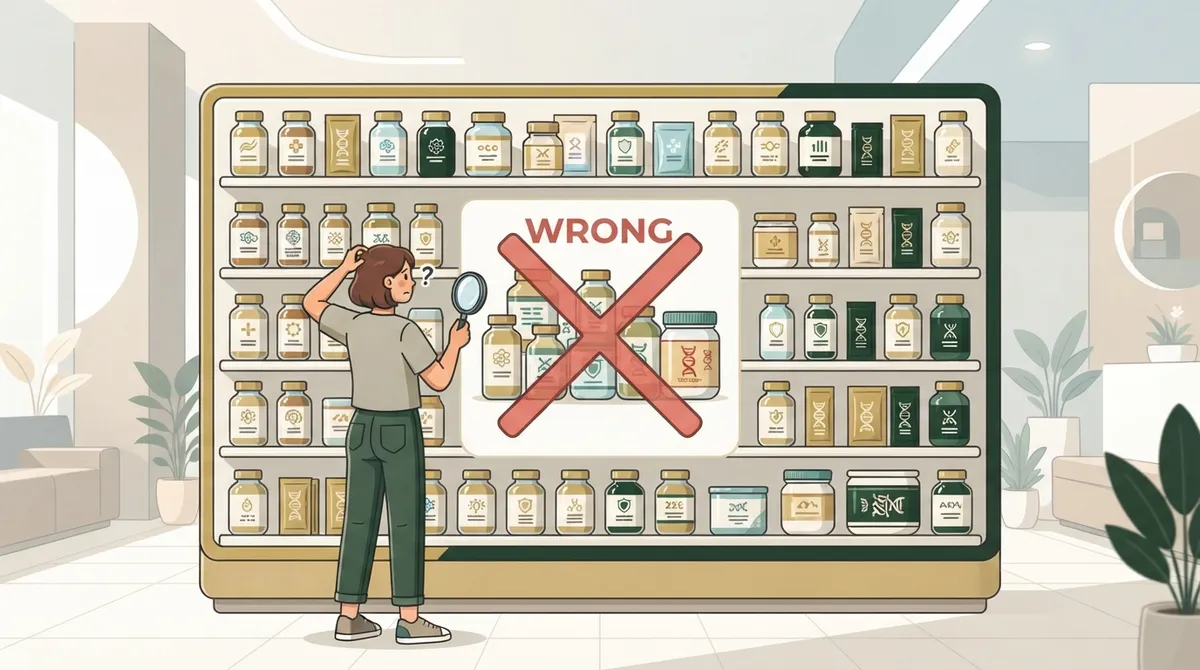
Mistake 1: Treating Every Peptide Like a Collagen Booster
This is the biggest one. Many people assume that if a product is called a peptide, it must build collagen. That is not how it works.
Oral collagen peptides have been studied for skin and joint outcomes. BPC-157 and TB-500, on the other hand, are frequently marketed for recovery, but the available research does not establish them as proven collagen-support tools in people. Animal or lab findings do not automatically translate to human benefit.
There is also a safety side. The FDA has flagged limited safety information for compounded BPC-157 and for the thymosin beta-4 fragment often called TB-500. Concerns include peptide-related impurities and immune reactions. To dig deeper, see 13 Facts About TB-500 Peptide You Need in 2026 and 9 BPC-157 Peptide Facts to Know Before You Start.
The takeaway? Do not let the shared word “peptide” blur important differences. Always ask what a product is, whether it is approved, and what human evidence supports it.
Mistake 2: Expecting Big Results From Oral Collagen Alone
Let’s be kind to oral collagen. It may help some people. A 2024 review of oral collagen supplementation looked at 31 articles on skin hydration, elasticity, and wrinkles. A 2024 randomized, double-blind, placebo-controlled study of low-molecular-weight collagen peptides appeared in the Journal of Cosmetic Dermatology. For joints, a 2024 meta-analysis of 35 randomized controlled trials with 3,165 participants reported small-to-moderate improvements in pain and physical function with collagen derivatives.
That sounds encouraging, and it is. But notice the words: small-to-moderate and modest. Results vary by product, population, and study design. Oral collagen is a helpful extra for some, not a miracle.
It also cannot replace the basics. Collagen peptides work best as an add-on to things that already matter:
- Enough protein and balanced nutrition
- Daily sun protection
- Regular movement and strength training
- Quality sleep
- Medical care when you need it
If you want a gentle, natural starting point, our post on How Can You Boost Collagen Naturally After 30? covers the foundations that make any plan work better.
Mistake 3: Chasing a “Perfect” Dose or Protocol
Many people search for the exact dose, the exact timing, the exact brand. Here is a relief: there is no universally established collagen-peptide dose or protocol that earns the title “best.”
Study regimens differ a lot. A result found with one branded or specific peptide preparation cannot simply be applied to every product on the shelf. So when a label promises a magic number, take it with a grain of salt.
Instead of hunting for perfection, focus on a sensible process. A realistic plan usually follows these steps:
- Define your goal. Is it skin texture, joint comfort, or something else? A clear goal helps you judge whether anything is working.
- Review your history. Share your medical history, medications, and allergies with a licensed clinician.
- Choose a quality-verified product. Look for transparent labeling and third-party testing.
- Set a fair trial window. Give it consistent use over weeks, not days, and track how you feel.
- Reassess. If nothing changes, adjust the plan instead of doubling down.
This kind of structured thinking is exactly why personalization matters. We cover the process in How to Build Personalized Treatment Plans for Peptides.
Mistake 4: Skipping Your Medical History and Labs
Here is where a lot of well-meaning people slip. They buy a product first and think about their health second. A better order flips that.
Some people should check in with a clinician before starting oral collagen. That includes anyone with:
- Allergies to the source, such as fish or bovine ingredients
- Gout
- Chronic kidney disease
- Other conditions where extra protein or specific ingredients may matter
Product quality matters too. Supplements are not reviewed the way prescription medicines are, so accurate labeling and clean sourcing are worth your attention.
For biohackers and data-minded readers, labs are your friend. Blood work gives a clearer picture of your overall health, which helps shape a smarter plan. Learn more in How to Use Biomarker Testing to Guide Peptide Therapy and 5 Blood Work Analysis Steps Before Peptides in 2026.
Mistake 5: Buying Injectables From Unverified Sources
Busy professionals and wellness seekers often want a quick fix, and online listings make it tempting. But sourcing peptides from unverified sellers is risky. You may not know what is actually in the vial, how it was made, or whether it is sterile.
Remember, BPC-157 and TB-500 are not FDA-approved therapies. Compounding or advisory discussions around them should not be mistaken for approval. If you are curious about the regulatory landscape, FDA-Approved vs. Compounded Peptides: What Wins? breaks it down in plain language, and the National Library of Medicine is a trusted place to read published research.
If you do want to explore clinician-guided options, learn how to do it responsibly with How to Get Prescription Peptides Safely in 2026. A licensed provider can tell you what is appropriate for your situation, and what is simply hype.
So What Does a Smart Collagen Support Plan Look Like?
Now for the good news. You do not need a complicated stack to be proactive. A sensible best collagen support peptide plan is less about a secret product and more about layering good habits with honest guidance.
| Plan Layer | What It Looks Like | Why It Matters |
|---|---|---|
| Foundation | Protein, sleep, sun protection, exercise | Supports skin and joints no matter what else you add |
| Clinician review | Goals, history, medications, allergies | Flags safety issues before you start |
| Optional add-on | Quality-verified oral collagen peptides | May offer modest skin or joint support for some people |
| Tracking | Notes, photos, how you feel over weeks | Shows whether the plan is really working |
| Reassessment | Adjust or stop based on results | Prevents wasted money and time |
Notice what is missing: bold promises. Honest plans set realistic expectations. Skin hydration and elasticity may improve a little. Joint comfort may ease for some. Others may notice nothing, and that is useful information too.
Setting Realistic Timelines
Collagen-related changes tend to be gradual. Skin and joint tissue do not transform overnight, so patience helps. If you are curious how timelines work across peptide approaches, check out How Long for Peptide Therapy Results? A Real Timeline. For a broader look at skin goals, 12 Peptide Skin Rejuvenation Facts Worth Knowing (2026) is a helpful companion.
Choosing a Collagen Product Wisely
When you shop for an oral collagen product, keep a short checklist in mind:
- Clear ingredient list and source (bovine, marine, or other)
- Third-party testing for purity
- Transparent amounts per serving
- No sweeping disease or cure claims
- A source that fits your allergies and diet
If a label sounds too good to be true, it usually is. Wellness is a marathon, and a calm, informed approach beats chasing trends.
Where Personalized Peptide Care Fits In
If your goals reach beyond collagen, such as energy, recovery, sleep, or overall vitality, that is where individualized care shines. Allura Longevity offers personalized, medically supervised peptide therapy through telehealth. You begin with a $50 virtual consultation, complete blood work through LabCorp, and receive a customized six-month plan shipped to your home, with ongoing monitoring and adjustments from licensed providers. Care is led by Ashley, a board-certified Family Nurse Practitioner, and telehealth is available nationwide, including in Florida, Georgia, Texas, Connecticut, Indiana, Maryland, New York, and California.
Curious how the process works from home? Explore How to Start Peptide Therapy Safely and See Real Results, or see why peptides for women and peptides for men are tailored differently.
Final Thoughts: Skip the Hype, Keep the Plan
The best approach to collagen support is honest, simple, and personal. Know the difference between oral collagen peptides and experimental injectables. Do not expect miracles from a single product. Skip the hunt for a perfect dose. Share your history with a clinician. And never buy injectables from sources you cannot verify.
You deserve guidance that treats you like the smart, capable person you are. If you would like help building a plan around your goals, labs, and lifestyle, request a consultation or call (813) 510-6277. New client spots are limited each month, so reach out while there is room. We would love to help you feel your best in 2026.
FAQs
Q: What is the difference between collagen peptides and injectable peptide therapy?
A: Oral collagen peptides are dietary supplements that your body digests into amino acids and small peptides. Injectable products like BPC-157 and TB-500 are experimental and are not established collagen-support treatments, so it is best to keep the two categories separate.
Q: Do collagen peptides actually help skin and joints?
A: Some studies suggest modest improvements in skin hydration and elasticity, and a 2024 meta-analysis of 35 trials reported small-to-moderate gains in joint pain and function. Results vary by product and person, so think of collagen as a helpful extra rather than a guaranteed fix.
Q: Are BPC-157 or TB-500 FDA-approved for collagen support?
A: No. They are not FDA-approved therapies, and there is no robust human evidence showing they support collagen or a safe, effective dose. The FDA has also noted limited safety information, including concerns about impurities and immune reactions.
Q: Is there a proven dose or protocol for collagen peptides?
A: There is no universally established dose or protocol that can be called the best. Study regimens differ, so the smartest move is to choose a quality-verified product, review your history with a clinician, and track your results over several weeks.
Q: Who should talk to a clinician before taking collagen supplements?
A: Anyone with allergies to fish or bovine sources, gout, chronic kidney disease, or other relevant conditions should get individualized medical advice first. It is also wise to check in if you take medications or have questions about product quality.





