
Key Takeaways
-
Oral collagen peptides have the strongest clinical evidence with 35 randomized controlled trials showing real improvements in hydration, elasticity, and skin barrier function after 12 weeks of consistent use.
-
Results from peptide therapy require patience—meaningful improvements typically appear after 8-12 weeks, not overnight, with hydration showing early signs around weeks 1-4.
-
Topical peptide creams show promise but have limited clinical validation (only 15 independent studies found), so results vary widely and depend heavily on specific formulation, concentration, and skin penetration.
-
Peptides work best as part of a comprehensive skincare strategy that includes daily sunscreen, retinoids, hydration, and nutrition—they're a supportive addition, not a replacement for proven basics.
-
Injectable peptide therapies require medical supervision and have less established evidence for cosmetic skin use than oral peptides, making working with licensed providers essential for safety.
-
Personalized peptide plans backed by lab work and guided by licensed providers deliver better results than over-the-counter products, since individual response depends on skin type, hormones, and health history.
If you’ve spent any time scrolling wellness content lately, you’ve probably seen peptides everywhere. Serums, supplements, and now medically supervised therapy all promise smoother, hydrated, younger-looking skin. But how much of this is real science, and how much is just clever marketing? We’re here to break it down in plain language, so you can make smart choices about skin rejuvenation without falling for empty promises.
Peptides are short chains of amino acids that act like tiny messengers in your body. According to what are peptides, these building blocks can signal your cells to behave differently, including telling your skin to produce more collagen. That’s exciting news for anyone who wants firmer, more hydrated skin without surgery or harsh treatments.
This guide walks through 12 essential facts about peptide-based skin rejuvenation. We’ll cover what actually works, what the research says, and how personalized peptide therapy might fit into your wellness routine. Whether you’re a busy professional looking for convenient care or a biohacker who wants the data behind the hype, you’ll find honest, useful answers here.

1. Skin Rejuvenation Means More Than Just Wrinkles
In the peptide therapy world, skin rejuvenation covers a lot of ground. It’s not just about erasing fine lines. It includes improving hydration, strengthening your skin’s protective barrier, evening out tone, and boosting elasticity.
Think of your skin as a system, not a single problem to fix. Peptides may support multiple parts of that system at once, which is why providers often look at the bigger picture instead of chasing one specific wrinkle.
2. Peptides Work as Signal Molecules in Your Skin
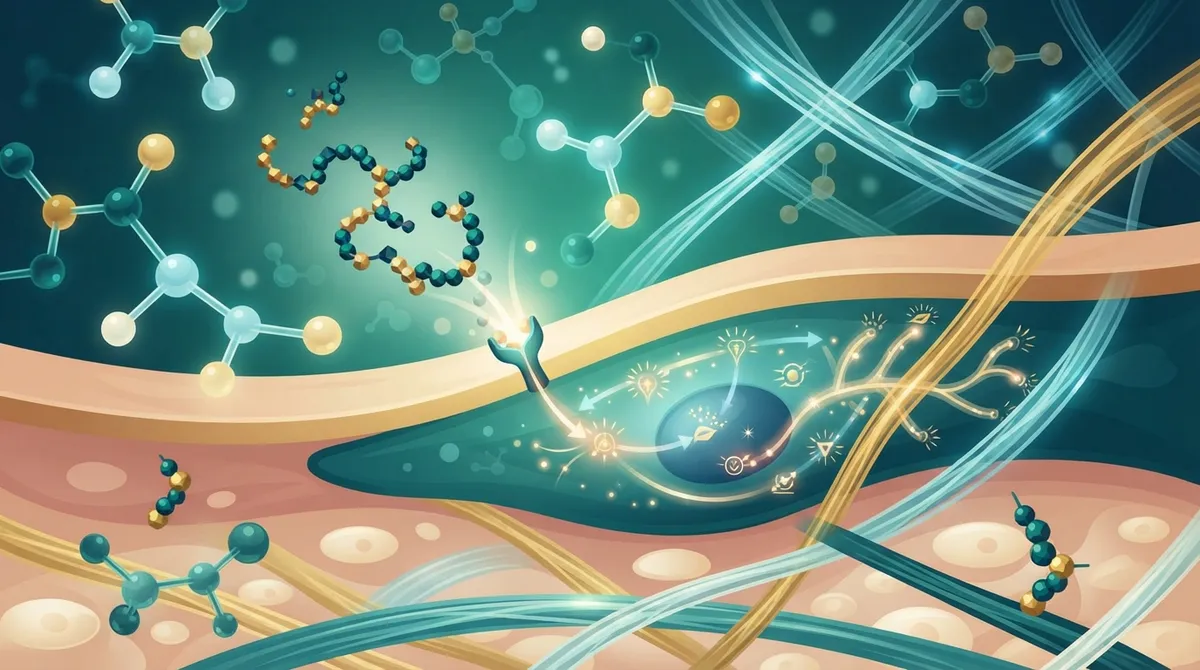
Peptides can act in several ways. Some signal your cells to make more collagen. Others act as carriers, delivering trace minerals like copper to support repair. Some even calm inflammation or block enzymes that break down collagen over time.
This variety is part of why peptide therapy has become so popular among wellness seekers. It’s not a one-trick approach. Different peptides can target different skin concerns, which is why personalized plans matter so much. If you want a deeper dive, check out 8 Facts That Explain What Are Peptides in 2026.
3. Not All Peptide Delivery Methods Are the Same
This is one of the most important things to understand before you invest time or money into any product. Peptides for skin rejuvenation typically come in three forms, and they are not interchangeable.
| Delivery Method | How It Works | Evidence Strength |
|---|---|---|
| Topical Peptides | Applied to skin in creams or serums | Promising but limited, formulation-specific |
| Oral Collagen Peptides | Taken as supplements, absorbed through digestion | Strongest human clinical evidence |
| Injectable Peptide Therapy | Administered under medical supervision | Less established for cosmetic skin use, requires careful oversight |
Each method has its own strengths, risks, and level of research behind it. That’s why working with licensed providers matters so much when exploring these options.
4. Oral Collagen Peptides Have the Strongest Track Record
Of all the peptide options out there, oral collagen peptides have the most solid research behind them. A 2026 updated meta-analysis looked at 35 randomized controlled trials with 2,534 participants. It found real improvements in hydration, elasticity, and reduced water loss through the skin barrier.
Here’s what stood out most:
- Hydration improved with a standardized mean difference of 0.44
- Elasticity improved with a standardized mean difference of 0.62
- Water loss through the skin barrier dropped, with a standardized mean difference of -0.39
- Most improvements showed up after at least 12 weeks of consistent use
- Wrinkle reduction results were less consistent across studies
This tells us patience matters. Skin rejuvenation with peptides is a gradual process, not an overnight fix.
5. Topical Peptides Show Promise, But Results Vary Widely
You’ve probably seen ingredients like palmitoyl pentapeptide-4, palmitoyl tripeptide-1, and copper tripeptide-1 (also called GHK-Cu) on skincare labels. These are popular cosmetic peptides believed to support collagen production and skin repair.
A 2025 systematic review looked closely at these claims. It found only 15 independent clinical studies across 12 papers. Just six used placebo controls, and only five were double-blinded. That’s a pretty small pool of solid evidence for how widely these ingredients are marketed.
One study did stand out. A 12-week trial with 93 volunteers found that palmitoyl KTTKS significantly reduced wrinkles compared to placebo. But remember, this result is specific to that formulation. It doesn’t mean every cream with a similar peptide will work the same way.
6. Timing Matters More Than You Might Think
If you’re hoping for instant results, peptide therapy for skin rejuvenation might test your patience. Most human studies show meaningful changes only after 8 to 12 weeks of consistent use.
Here’s a general timeline based on current research:
- Weeks 1-4: Early hydration improvements may begin, but changes are often subtle
- Weeks 4-8: Some studies note early shifts in skin texture and moisture retention
- Weeks 8-12: Elasticity and barrier function improvements become more measurable
- Beyond 12 weeks: Continued use may support more consistent, lasting results
A 2024 randomized clinical study of low-molecular-weight collagen peptides confirmed this pattern. Researchers measured wrinkles, elasticity, hydration, and pigmentation at 4, 8, and 12 weeks. Significant improvements versus placebo showed up specifically at week 12, with no reported adverse events.
7. A 2026 Review Confirms Hydration and Brightness Benefits
A comprehensive 2026 systematic review analyzed 19 randomized controlled trials involving 1,341 participants. It focused on both oral and topical peptides for skin aging.
The clearest wins were in hydration and skin brightness. Oral polypeptides showed a pooled improvement in hydration with a mean difference of 5.80, plus a modest but statistically significant effect on wrinkle reduction. However, the researchers were honest about the limits of the data, noting that elasticity and skin density results were inconsistent across trials.
This kind of transparency matters. It’s a reminder that even promising research still needs larger, better-standardized trials before we can make bold claims.
8. Copper Peptides Deserve a Closer Look
Copper tripeptide-1, often labeled GHK-Cu, is one of the most talked-about ingredients in peptide skincare. It’s believed to support wound healing, collagen production, and antioxidant defense in skin tissue.
Early research and formulation-specific studies suggest potential benefits, but as with most topical peptides, results depend heavily on concentration, stability, and how well the product penetrates skin. If you’re curious about safety, copper peptides are generally well-tolerated topically, though people with copper sensitivities or certain skin conditions should check with a provider first.
9. Small Studies Show Interesting Early Results
Not every promising peptide study involves thousands of participants. Some early-stage research offers a glimpse of what’s possible, even if it needs more validation.
For example, a 2025 review described a small 12-week study involving 22 participants testing an OS-01 peptide formulation. Researchers reported an 18% decrease in water loss through the skin barrier compared to baseline. That’s a meaningful early signal, but it’s a small sample size that needs independent replication before we treat it as proven fact.
This is a good reminder to stay curious but cautious. Exciting early data is a starting point, not a final answer.
10. Injectable Peptide Therapy Requires Extra Caution
Injectable peptides are a different category altogether compared to topical creams or oral supplements. They involve different pharmacology, manufacturing standards, and regulatory oversight.
According to the National Library of Medicine, injectable peptide therapies need careful medical evaluation before use, especially for people with certain health conditions. Evidence specifically supporting injectable peptides for cosmetic skin rejuvenation is much less established than what we see with oral collagen peptides.
This is exactly why working with licensed medical providers matters so much. A qualified team can review your health history, run blood work, and help you understand what’s realistic versus what’s just clever marketing. If you’re exploring injectable options, learning how to prepare for safe, effective peptide injections is a smart first step.
11. Peptides Work Best as Part of a Bigger Skin Care Strategy
Here’s an honest truth: peptides are not magic. They won’t replace sunscreen, retinoids, or professional treatment for underlying skin conditions. Think of them as a helpful teammate, not a solo act.
A well-rounded approach to skin rejuvenation typically includes:
- Daily sun protection to prevent further collagen breakdown
- A consistent skincare routine suited to your skin type
- Adequate hydration and balanced nutrition
- Peptide support, whether topical, oral, or medically supervised
- Regular check-ins with a licensed provider to track progress
People who get the best results usually combine peptides with these other proven habits rather than relying on peptides alone.
12. Personalized Plans Make a Real Difference
Not every peptide works the same way for every person. Your skin, hormones, lifestyle, and health history all play a role in how you respond to treatment. This is where working with a provider who reviews your actual blood work becomes so valuable.
At peptides for women and peptides for men programs through Allura Longevity, treatment plans start with a virtual consultation and comprehensive lab work through LabCorp. From there, licensed providers, led by board-certified Family Nurse Practitioner Ashley, design a customized six-month plan tailored to your goals. Peptides arrive right at your door, making it easy to stay consistent no matter how busy your schedule gets.
This kind of personalized approach is a big reason why so many wellness seekers and busy professionals are turning to telehealth peptide therapy instead of guessing with over-the-counter products. Want to learn more about getting started the right way? Check out How to Start Peptide Therapy Safely and See Real Results.
Common Peptides Used for Skin Support: A Quick Comparison
| Peptide Name | Primary Role | Delivery Type |
|---|---|---|
| Palmitoyl Pentapeptide-4 (Pal-KTTKS) | Collagen signaling | Topical |
| Copper Tripeptide-1 (GHK-Cu) | Wound healing, antioxidant support | Topical |
| Acetyl Hexapeptide-8 (Argireline) | Reduces appearance of expression lines | Topical |
| Collagen Peptides | Hydration, elasticity, barrier support | Oral |
What to Watch Out For Before Starting Any Peptide Product
Before you add any peptide product to your routine, it helps to ask a few key questions. This keeps you from wasting money or, worse, using something that isn’t right for your body.
- Is this a topical, oral, or injectable product, and do I understand the difference?
- Has this specific formulation been tested in real clinical studies, or is it just marketing language?
- Am I pregnant, breastfeeding, or managing an autoimmune condition that needs special consideration?
- Have I had blood work done recently to understand my baseline health?
- Am I working with a licensed provider who can monitor my progress and adjust my plan?
Answering these questions honestly can save you time, money, and frustration down the road.
Bringing It All Together
Skin rejuvenation through peptide therapy is a real, evolving area of wellness science. The evidence is strongest for oral collagen peptides, promising but limited for topical formulations, and still developing for injectable options. None of these approaches are magic, but when used thoughtfully and consistently, they can genuinely support hydration, elasticity, and overall skin health.
The most important factor in your success isn’t which peptide you choose. It’s whether you have a personalized plan backed by real lab data and guided by licensed medical professionals. That’s exactly what Allura Longevity offers through convenient, nationwide telehealth care.
Ready to see what a customized peptide plan could do for your skin and overall vitality? Request a consultation today and take the first step toward science-backed skin rejuvenation, delivered right to your door.
FAQs
Q: What are peptides, and how can they support skin rejuvenation?
A: Peptides are short chains of amino acids that act like little messengers in your skin. They can signal cells to boost collagen, calm inflammation, and improve hydration, which supports a healthier, more youthful look over time.
Q: Do collagen peptides actually reduce wrinkles and improve elasticity?
A: Research shows oral collagen peptides can meaningfully improve hydration and elasticity, especially after 12 weeks of consistent use. Wrinkle reduction results are a bit less consistent, but many studies still show modest, encouraging improvements.
Q: What is the difference between topical, oral, and injectable peptide therapy for skin?
A: Topical peptides are applied directly to skin, oral peptides are taken as supplements and absorbed internally, and injectable peptides are administered under medical supervision. Each has different evidence levels and safety considerations, so it helps to talk with a licensed provider before choosing one.
Q: How long does peptide therapy take to improve skin hydration or wrinkles?
A: Most studies show visible improvements in hydration and skin barrier function after 8 to 12 weeks of consistent use. Patience really pays off here, since peptide therapy works gradually rather than overnight.
Q: Can peptide therapy replace sunscreen, retinol, or professional skin treatments?
A: No, peptides work best as a helpful addition to your routine, not a replacement for proven basics like sunscreen and retinoids. Think of peptides as one supportive piece of a bigger, well-rounded skin health strategy.





