

Key Takeaways
-
Peptide therapy is not an FDA-approved replacement for estrogen, progesterone, or testosterone; hormone therapy remains the most effective treatment for menopause symptoms according to major medical guidelines.
-
Several proven nonhormonal alternatives exist for menopause symptoms, including SSRIs/SNRIs for hot flashes, gabapentin for night sweats, and fezolinetant, which have strong clinical trial data behind them.
-
Popular wellness peptides like BPC-157, TB-500, and CJC-1295 lack sufficient human trial data and are not FDA-approved; evidence is mostly preclinical or based on small studies, making sourcing and provider oversight critical.
-
Work with a licensed provider who starts with comprehensive blood work to build a personalized plan tailored to your specific hormone levels and health goals, rather than following generic internet protocols.
-
Compounded peptides are not the same as FDA-approved products and carry real risks around sterility and contamination; verify your provider is licensed, uses regulated pharmacies, and provides ongoing monitoring.
-
Peptide therapy works best as part of a comprehensive wellness strategy that includes sleep, nutrition, stress management, and movement, not as a standalone treatment for hormonal changes.
If you have been searching for hormone therapy alternative treatments, you are not alone. Maybe you are wary of hormones, maybe your doctor said hormone therapy is not right for you, or maybe you just want to understand every option before making a decision. That is smart, and honestly, we love that you are doing your homework. This guide walks through where peptide therapy actually fits into the picture, which nonhormonal options have real evidence behind them, and how to make a safe, informed choice with a licensed provider by your side.
We will be straight with you: peptides are not a proven swap for estrogen, progesterone, or testosterone. But some peptides may work alongside your goals for energy, recovery, and metabolic health, especially when paired with proven nonhormonal treatments. Let’s break down 12 approaches worth knowing about, so you can walk into your next conversation with a provider feeling confident and prepared.

1. Understanding What “Hormone Therapy Alternative” Really Means
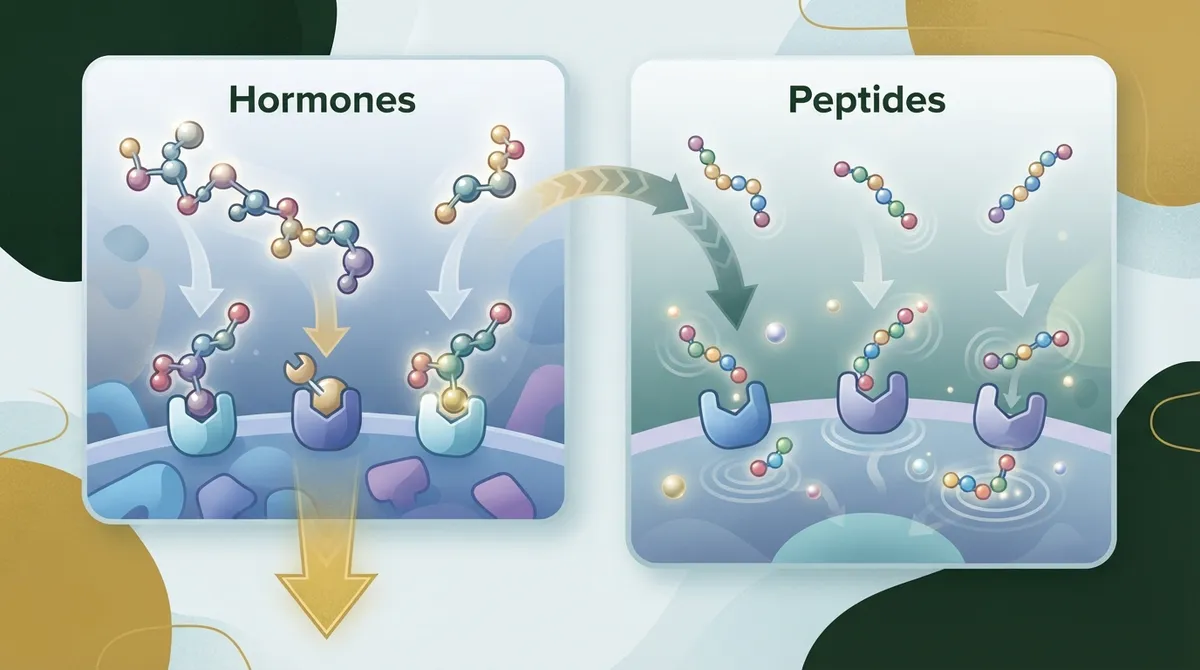
This phrase gets used loosely online, so let’s clear it up. It can mean nonhormonal medications for menopause symptoms, testosterone-related fatigue, or metabolic changes. In the peptide world, it usually means using targeted peptides as a possible adjunct to support energy, sleep, or body composition, not as a direct replacement for hormones. According to what are peptides, these are short chains of amino acids that signal your body to perform specific functions, which is very different from how hormones like estrogen work.
2. Why Peptides Are Not a One-to-One Swap for Hormones
There is currently no FDA-approved peptide specifically indicated to treat menopausal hot flashes, night sweats, or genitourinary symptoms of menopause. Major menopause guidelines do not recommend peptide therapy as a stand-in for hormone therapy. That does not mean peptides are useless, it just means they serve a different purpose. Think of it like this: hormones replace what your body has stopped making, while many peptides encourage your body to work more efficiently with what it already has.
What the 2022 NAMS Position Statement Says
The North American Menopause Society’s 2022 position statement identified hormone therapy as the most effective treatment for vasomotor symptoms and vaginal changes tied to menopause. Peptide therapy was not listed as a recommended alternative for these specific symptoms. This is an important distinction to keep in your back pocket when researching options.
3. FDA-Approved Peptide Medicines Worth Knowing
Not all peptides live in a gray area. A handful have earned FDA approval for very specific, narrow uses. Here is a quick breakdown:
| Peptide | FDA-Approved Use | Not Approved For |
|---|---|---|
| Tesamorelin | Excess abdominal fat in HIV-associated lipodystrophy | General weight loss, anti-aging, menopause |
| Semaglutide/Liraglutide (GLP-1) | Type 2 diabetes, chronic weight management | Hormone replacement |
| Bremelanotide (PT-141) | Hypoactive sexual desire disorder in premenopausal women | Postmenopausal sexual symptoms |
Curious how GLP-1 medications actually work in the body? Our guide on how to understand GLP-1 peptide therapy in 2026 breaks it down in plain language.
4. Growth Hormone Secretagogue Peptides: What They Do Differently
Peptides like sermorelin, CJC-1295, and ipamorelin work by encouraging your pituitary gland to release its own growth hormone. This is different from direct growth hormone replacement therapy. Sermorelin was previously sold as a branded product called Geref, but it is no longer commercially available as an FDA-approved drug. CJC-1295 and ipamorelin are not FDA-approved medications either, so quality and sourcing matter enormously here.
If you want to go deeper, check out our breakdown of how GHRP peptides really work in your body and our safety-focused piece on how to use CJC-1295 peptide safely for real results.
5. Popular Wellness Peptides: Where the Evidence Actually Stands
You have probably seen names like BPC-157, TB-500, and MOTS-c floating around wellness forums. Here is an honest look at where the science currently stands:
- BPC-157: Popular for recovery support, but evidence is mostly preclinical or based on small studies
- TB-500: Marketed for tissue repair, though long-term human safety data is limited
- MOTS-c: Studied for metabolic health, but human trials remain early-stage
- Kisspeptin-related products: Interesting research area, but not established for hormone balancing
For a deeper dive, our article on 9 BPC-157 peptide facts to know before you start covers what current research does and does not support.
6. Nonhormonal Options With Stronger Evidence for Menopause
If your main concern is menopause symptoms, there are proven nonhormonal treatments worth discussing with your provider. These include:
- SSRIs or SNRIs for hot flashes and mood changes
- Gabapentin for night sweats and sleep disruption
- Fezolinetant, a newer nonhormonal medication targeting hot flashes directly
- Vaginal moisturizers and lubricants for genitourinary symptoms
- Pelvic floor therapy for comfort and function
These options have real clinical trial data behind them, unlike many marketed wellness peptides. A good provider will walk you through all of these before recommending anything experimental.
7. Peptides vs. Bioidentical Hormones: Know the Difference
This mix-up trips up a lot of people. Bioidentical hormones, like compounded estrogen or progesterone, are still hormones. They are not peptides, and they have not been shown to be safer or more effective than FDA-approved hormone products. Peptides work through completely different biological pathways. If you are trying to decide between the two, our comparison guide on how to choose between bioidentical hormones and peptides is a great starting point.
8. The Compounding Question: Why Sourcing Matters So Much
Compounded peptides are not the same as FDA-approved products. In the United States, compounding falls under sections 503A and 503B of the Federal Food, Drug, and Cosmetic Act, and the FDA regularly evaluates which substances remain eligible. Products labeled “research use only” are not approved for human use at all. These can carry real risks around sterility, potency, and contamination.
This is exactly why working with a licensed provider matters. At Allura Longevity, every treatment plan is built around real blood work through LabCorp and overseen by licensed medical providers, so you are never guessing about what you are putting in your body.
Quick Checklist for Evaluating Peptide Sources
- Is the provider licensed in your state?
- Does the plan start with actual lab work, not guesswork?
- Is there ongoing monitoring and dose adjustment?
- Are you getting products shipped from a regulated pharmacy?
9. Building a Personalized Plan Around Your Actual Labs
Every body is different, which is why cookie-cutter protocols rarely work well. A thoughtful plan starts with comprehensive blood work to understand your hormone levels, metabolic markers, and overall health picture. From there, a licensed provider can recommend an approach tailored to your goals, whether that includes peptides, lifestyle changes, or a referral back to hormone therapy if that is genuinely your best option.
Our article on 8 facts that explain what are peptides in 2026 is a helpful primer if you are just getting started on this journey.
10. Combining Peptides With Other Wellness Strategies
Peptide therapy tends to work best as part of a bigger picture, not a standalone fix. Sleep, nutrition, stress management, and movement all play a role in how your body handles hormonal shifts. Many of our clients pair their peptide plan with support for peptides for energy that actually work and strategies for better recovery and metabolism.
| Approach | Best For | Evidence Level |
|---|---|---|
| Hormone therapy (estrogen/testosterone) | Menopause symptoms, confirmed low testosterone | Strong, decades of research |
| Nonhormonal prescriptions (SSRIs, gabapentin, fezolinetant) | Hot flashes, sleep, mood | Strong, FDA-approved |
| FDA-approved peptides (tesamorelin, GLP-1s, PT-141) | Specific narrow indications | Strong, but limited scope |
| Wellness peptides (BPC-157, CJC-1295, ipamorelin) | Investigational support | Limited, mostly preclinical |
11. Questions to Bring to Your Provider
Walking into a consultation prepared makes a huge difference. Here are questions worth asking:
- Can peptide therapy be used alongside my current hormone treatment?
- What does my blood work actually show about my hormone levels?
- Which peptides have real evidence for my specific goals?
- How will my plan be monitored and adjusted over time?
- What are the realistic timelines for seeing results?
For a full walkthrough of what to expect, take a look at how to start peptide therapy safely and see real results.
12. Why Telehealth Makes This Easier to Navigate
Busy schedule? Limited local options? Telehealth has genuinely changed the game for people exploring hormone therapy alternative treatments. You can get labs done locally, talk with a licensed provider from home, and have your treatment plan shipped right to your door. According to a review published by the National Library of Medicine, telehealth models have expanded access to specialized care while maintaining strong safety oversight when properly supervised.
At Allura Longevity, this looks like a $50 virtual consultation, LabCorp blood work, and a personalized six-month plan built around your actual results. Ashley, our board-certified Family Nurse Practitioner, and our licensed provider team oversee every plan with ongoing monitoring and adjustments. We are proud to serve clients in Florida, Georgia, Texas, Connecticut, Indiana, Maryland, New York, and California. If you want to compare your local options, our guide on local clinic vs. telehealth: best peptide therapy near you lays out the pros and cons clearly.
Making the Right Choice for Your Body
Here is the honest truth: hormone therapy alternative treatments are not one-size-fits-all, and peptides are just one piece of a much bigger puzzle. Some people genuinely benefit from proven nonhormonal medications. Others find peptides helpful as a supportive tool alongside their existing care. And for many, traditional hormone therapy remains the most effective path forward for specific symptoms. The real win is having a licensed provider guide you through your actual labs instead of guessing based on internet trends.
We know this can feel overwhelming, and that is exactly why personalized, medically supervised care matters so much. You deserve a plan built around your body, not a generic protocol pulled from a forum. If you are ready to get real answers backed by real lab work, we would love to help you take that next step. Spots for new clients fill up each month, so do not wait too long to explore your options. Request a consultation today and let’s build a plan that actually fits your life, your goals, and your health history.
FAQs
Q: Can peptide therapy replace estrogen or progesterone hormone replacement therapy?
A: No, peptide therapy is not currently a proven substitute for estrogen or progesterone. There is no FDA-approved peptide for treating menopausal symptoms, so hormone therapy remains the gold standard when clinically appropriate. Peptides may play a supportive role, but they should never replace hormone therapy without a licensed provider’s guidance.
Q: Are there FDA-approved peptides for menopause symptoms or hot flashes?
A: Not yet. As of now, no peptide has an FDA-approved indication for hot flashes, night sweats, or genitourinary symptoms of menopause. Major menopause guidelines continue to recommend hormone therapy or proven nonhormonal medications like fezolinetant instead.
Q: Is sermorelin a safer alternative to growth hormone therapy?
A: Sermorelin works differently than growth hormone replacement because it encourages your own pituitary gland to release growth hormone. However, the original branded version, Geref, is no longer commercially available as an FDA-approved product, so sourcing and provider oversight matter a lot here.
Q: What is the difference between peptide therapy, bioidentical hormones, and hormone replacement therapy?
A: Bioidentical hormones and hormone replacement therapy both involve actual hormones like estrogen or testosterone. Peptide therapy uses short amino acid chains that signal your body to perform specific functions, working through a completely different mechanism. They are not interchangeable, and a good provider can help you understand which fits your goals.
Q: Are CJC-1295, ipamorelin, BPC-157, and TB-500 legal and safe for human use?
A: Their legal and regulatory status has been evolving, and none of them currently hold FDA approval as standalone drugs. Quality, sourcing, and medical supervision make a huge difference in safety, which is why working with a licensed telehealth provider is so important before trying any of these.





