

Key Takeaways
-
Sermorelin is a synthetic GHRH that signals your pituitary gland to release its own growth hormone, not a direct HGH injection, making it mechanistically different from synthetic growth hormone therapy.
-
Original FDA approval was for children with growth hormone deficiency, not adults; current adult use is off-label and typically involves compounded medications from licensed pharmacies rather than branded FDA-approved products.
-
Strong clinical evidence supporting sermorelin comes primarily from pediatric studies; modern large-scale randomized trials proving effectiveness for adult anti-aging, weight loss, or athletic performance are lacking.
-
Proper medical evaluation including blood work (IGF-1 levels), physical exam, and provider review is essential before starting sermorelin, as it only works if your pituitary gland can respond adequately.
-
Most reported side effects are mild and temporary including injection-site pain, facial flushing, headache, and nausea; sermorelin should only be used under licensed medical supervision with ongoing monitoring.
-
Sermorelin requires individualized dosing and ongoing lab monitoring by a licensed provider; sourcing from unverified online sellers without medical guidance significantly increases safety and effectiveness risks.
If you’ve been hearing whispers about sermorelin peptide therapy at every wellness gathering lately, you’re not alone. This little peptide has become a hot topic among people who want more energy, better sleep, and a body that feels like it’s aging on its own terms. But before you jump in, it helps to know the real facts, not just the hype you see on social media.
We put together this friendly guide to walk you through exactly what sermorelin is, how it works, and what the science actually says. Whether you’re a busy professional squeezing in self-care between meetings, a biohacker who loves a good lab report, or someone simply looking to feel like yourself again, this article is for you. Let’s break it all down together, one fact at a time.
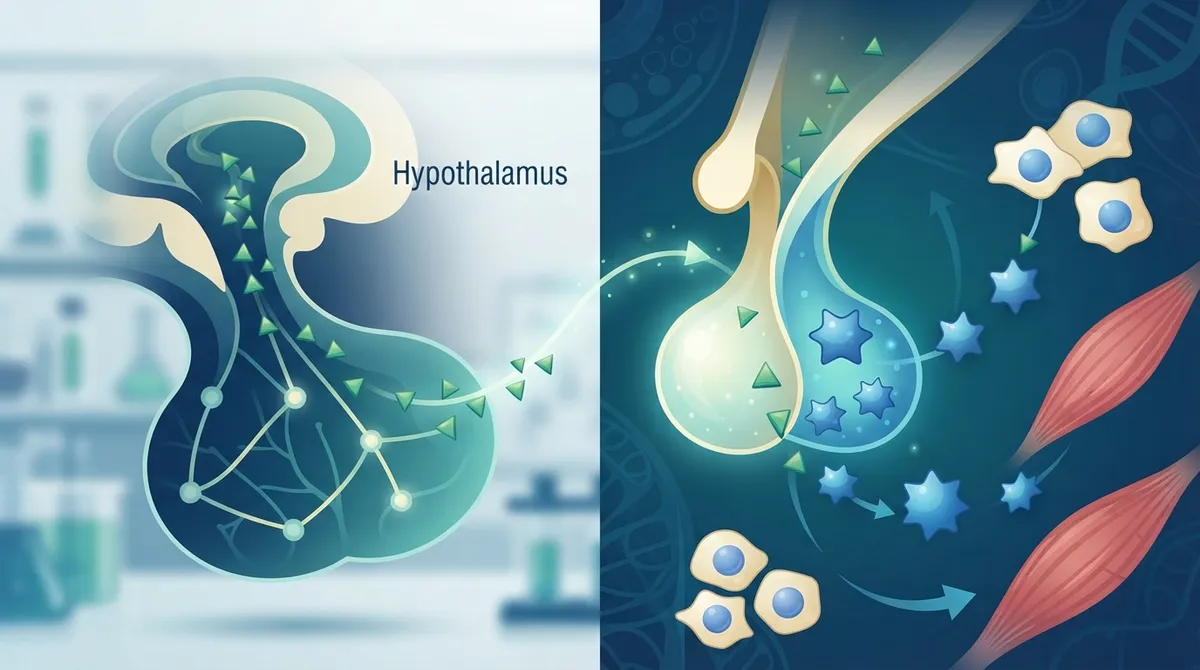
1. Sermorelin Is Not Growth Hormone, It’s a Messenger
Here’s the biggest myth to clear up right away. Sermorelin peptide therapy does not inject growth hormone into your body. Instead, sermorelin is a synthetic version of a natural hormone called GHRH, or growth hormone-releasing hormone.
Think of it like a gentle tap on the shoulder for your pituitary gland. It’s a 29-amino-acid compound that tells your own pituitary gland to release its own growth hormone, naturally. This is a key difference from synthetic HGH, and it’s part of why so many people are drawn to this approach. If you want a deeper dive into how peptides work in general, this guide on what peptides actually are is a great place to start. You can also learn more about what are peptides from a trusted medical resource.

2. Its Original FDA Approval Was for Children, Not Adults
This is one fact that often surprises people. Sermorelin’s history with the FDA is tied to pediatric medicine, not adult wellness.
- Geref was approved for children with idiopathic growth hormone deficiency and growth failure
- Geref Diagnostic was used to test how well a child’s pituitary gland could secrete growth hormone
- Both products were part of formal, supervised medical evaluations, not lifestyle treatments
Knowing this history helps set realistic expectations. Adult use of sermorelin today is considered off-label, meaning it’s used in a way that goes beyond its original approved purpose.
3. The Original Branded Products Were Discontinued in 2008
Here’s a detail that often gets lost in translation online. The original Geref and Geref Diagnostic products were pulled from the U.S. market back in 2008.
But here’s the good part. In 2013, the FDA reviewed this discontinuation and determined it was not due to safety or effectiveness concerns. It was simply a business decision. Still, these products remain listed in the discontinued section of the Orange Book, and no actively marketed, FDA-approved branded sermorelin product currently exists.
4. Compounded Sermorelin Is Different From an FDA-Approved Drug
This is an important distinction for anyone considering sermorelin peptide therapy today. Since there’s no currently marketed FDA-approved brand, sermorelin used today typically comes from a compounding pharmacy.
Compounded medications are prepared by licensed pharmacies based on a provider’s prescription. They are not the same as a commercially approved drug, and it’s important that they are prescribed and sourced properly under applicable state and federal rules. This is exactly why working with a licensed medical provider matters so much, rather than sourcing peptides from unverified online sellers.
5. Most of the Strong Clinical Evidence Comes From Children
Let’s be honest with each other here, because that’s what friends do. The strongest research behind sermorelin comes from pediatric studies and diagnostic testing, not adult anti-aging use.
A widely cited review published in BioDrugs and indexed on PubMed looked closely at sermorelin’s historical use in children with growth hormone deficiency. In that population, height velocity reportedly increased from about 4.1 cm per year at baseline to roughly 8.0 cm per year after six months of treatment. That’s a meaningful jump, but it applies to growth-deficient kids, not healthy adults chasing better sleep or muscle tone.
Modern, large-scale randomized trials proving sermorelin’s effectiveness for adult anti-aging, weight loss, or athletic performance simply were not found in the available research. That doesn’t mean it can’t help some adults, but it does mean the claims should stay grounded in reality.
6. Typical Historical Dosing Followed a Weight-Based Formula
For context, historical pediatric treatment literature described once-daily subcutaneous sermorelin dosed around 30 micrograms per kilogram of body weight. This was studied mainly in prepubertal children with confirmed growth hormone deficiency.
For diagnostic purposes, a single intravenous dose of about 1 microgram per kilogram was historically used alongside other testing to check pituitary function. Adult protocols today look quite different and should always be individualized by a licensed provider based on your labs and health history, not copied from an old pediatric chart.
7. Reported Side Effects Are Generally Mild But Real
No conversation about sermorelin peptide therapy would be complete without talking honestly about side effects. In historical studies, most reported issues were mild and temporary.
- Injection-site pain or redness, the most commonly reported issue
- Transient facial flushing shortly after the dose
- Headache
- Dizziness
- Nausea
- Rare allergic reactions
In one small historical study of 20 pediatric patients followed for 12 months, 4 experienced injection-site pain, 3 had transient facial flushing, and 2 reported headaches. These numbers come from a small, specific study group and shouldn’t be treated as a current, population-wide estimate for adults. Still, they give you a helpful starting point for what to watch for.
8. Lab Work and Monitoring Matter More Than the Peptide Itself
Here’s something we love reminding our clients: sermorelin isn’t a one-size-fits-all shot in the dark. It requires real medical evaluation before you even start.
A responsible provider typically reviews your growth and health history, performs a physical exam, and checks labs like IGF-1 levels. In some cases, formal growth hormone stimulation testing is used too. Sermorelin may not work well if your pituitary gland can’t respond adequately, so this upfront testing isn’t just a formality, it’s essential.
This is exactly the kind of personalized approach we take at Allura Longevity, where every treatment plan starts with LabCorp blood work and a $50 virtual consultation before any peptide is ever shipped to your door.
| Step | What Happens | Why It Matters |
|---|---|---|
| 1. Consultation | Discuss goals, symptoms, and health history | Identifies whether sermorelin fits your situation |
| 2. Blood Work | Labs including IGF-1 and other relevant markers | Confirms baseline hormone status |
| 3. Provider Review | Licensed clinician evaluates results | Rules out contraindications, tailors dosing |
| 4. Treatment Plan | Custom protocol created and shipped | Ensures the dose fits your body, not a generic chart |
| 5. Ongoing Monitoring | Follow-up labs and check-ins | Tracks progress and adjusts as needed |
9. Sermorelin Compares Differently to Direct Growth Hormone Therapy
People often ask how sermorelin peptide therapy stacks up against prescription growth hormone treatment. The mechanisms are genuinely different, and that matters for how each is used.
| Factor | Sermorelin | Direct Growth Hormone |
|---|---|---|
| Mechanism | Stimulates the pituitary to release its own hormone | Supplies growth hormone directly |
| Historical FDA Use | Pediatric deficiency, diagnostic testing | Various approved pediatric and adult conditions |
| Current Availability | Primarily through compounding pharmacies | Available as FDA-approved branded products |
| Adult Anti-Aging Evidence | Limited | Also limited for off-label anti-aging use |
| Dependence on Pituitary Function | Requires a responsive pituitary gland | Works regardless of pituitary function |
Understanding these differences helps you have a more informed conversation with your provider. It also helps set expectations about what a peptide like sermorelin can realistically do for your body compared to other options, including newer peptides discussed in resources like our guide on growth hormone peptides and how they work.
10. Working With a Licensed Provider Is Non-Negotiable
We’re going to be direct with you here, because we genuinely care about your safety. Sermorelin should never be something you order off a random website and inject without guidance.
Here’s why working with licensed medical providers matters so much:
- They confirm sermorelin is actually appropriate for your labs and history
- They source compounded peptides through legitimate, regulated pharmacies
- They monitor for side effects and adjust your dose over time
- They can pair sermorelin with complementary strategies, like the ones outlined in our piece on picking peptides for energy that actually work
- They help you avoid the common pitfalls covered in mistakes that ruin how peptide therapy works
At Allura Longevity, every treatment plan is built by licensed providers, led by Ashley, a board-certified Family Nurse Practitioner. Care is fully personalized based on your blood work and goals, with peptides delivered right to your home for easy, at-home use. We currently serve clients in Florida, Georgia, Texas, Connecticut, Indiana, Maryland, New York, and California.
Who Tends to Benefit Most From This Approach
Not everyone needs or wants the same thing from a wellness protocol, and that’s perfectly okay. Here’s a quick look at who typically explores sermorelin peptide therapy, according to the goals we see most often in practice.
- Health optimizers looking for better sleep and steadier energy throughout the day
- Aging adults hoping to support healthy longevity and reduce visible signs of aging
- Biohackers who track labs closely and want a customized, data-driven protocol
- Busy professionals who need convenient, at-home treatment without clinic visits
- Wellness seekers already investing in supplements and preventive care who want to go further
If any of these describe you, it might be worth exploring whether this therapy fits your goals. You can also read more about broader hormone-support options in our article on the real benefits of hormone therapy for men or explore peptide options tailored for women and peptide options tailored for men.
A Quick Word on Setting Realistic Expectations
We want to be your honest friend in this process, not just a cheerleader. Sermorelin peptide therapy is not a magic fix, and long-term safety data for adult, off-label use is still limited.
That said, when it’s used thoughtfully, under medical supervision, with proper labs and monitoring, many people find it a helpful piece of their wellness puzzle. For a deeper look at getting started the right way, check out our guide on how to start peptide therapy safely and see real results. You can also review peer-reviewed background on peptide safety through the National Library of Medicine.
Ready to Take the Next Step?
We know that’s a lot of information, and we’re proud of you for reading this far. Making an informed choice about your health is one of the kindest things you can do for yourself.
If sermorelin peptide therapy sounds like it might be a good fit for your goals, our team at Allura Longevity would love to help you figure it out together. With personalized plans, real lab work, and licensed providers guiding every step, you’re never left to navigate this alone. Spots are limited each month, so if you’re ready, go ahead and request a consultation today, or give us a call at (813) 510-6277. We can’t wait to be part of your wellness journey.
FAQs
Q: What is sermorelin peptide therapy and how does it work?
A: Sermorelin is a synthetic version of a natural hormone that gently nudges your pituitary gland to release its own growth hormone. It’s not growth hormone itself, but more like a friendly signal telling your body to do what it already knows how to do.
Q: Is sermorelin FDA approved for adults or anti-aging use?
A: Not currently. The original approved products were for children with growth hormone deficiency and for diagnostic testing, and those brands were discontinued in 2008 for business reasons, not safety concerns. Adult use today is considered off-label.
Q: Is compounded sermorelin safe and legal to use?
A: Compounded sermorelin can be part of a safe treatment plan when it’s prescribed by a licensed provider and sourced from a properly regulated pharmacy. It’s just important to know it isn’t the same as a commercially approved drug, so working with trusted professionals matters.
Q: What side effects should I watch for with sermorelin therapy?
A: Most reported side effects are mild, like injection-site discomfort, temporary facial flushing, headache, or occasional nausea. Everyone’s body responds a little differently, so your provider should monitor you closely, especially early on.
Q: How does sermorelin compare to direct growth hormone therapy?
A: Sermorelin encourages your own pituitary gland to release hormone, while direct growth hormone therapy supplies it straight to your body. Because sermorelin depends on your pituitary responding well, it may not work for everyone, which is why lab testing beforehand is so important.





