

Key Takeaways
-
Sermorelin stimulates your pituitary gland to produce its own growth hormone rather than supplying GH directly, preserving natural pulsatile release patterns and avoiding suppression of natural production over time.
-
A 1997 clinical study showed older adults achieved 107% increase in nighttime GH secretion, 28% increase in IGF-1, and 1.26 kg lean mass gain over 16 weeks, though results vary individually.
-
Sermorelin requires comprehensive baseline and ongoing lab testing including IGF-1, glucose/HbA1c, thyroid panel, and complete blood count to ensure safety and optimize dosing.
-
Most users notice improved sleep within 2-4 weeks, but meaningful energy and body composition changes typically require 2-4 months of consistent use with regular provider monitoring.
-
Sermorelin is contraindicated for those with active cancer, pituitary disease, uncontrolled diabetes, pregnancy, or significant untreated sleep apnea, requiring thorough medical screening before use.
-
Evening subcutaneous injection timing aligns with natural overnight GH release; compounded sermorelin requires prescription from licensed providers and monitoring, not online 'research-only' products.
Do you feel tired by 3 p.m. even after a full night’s sleep? Are you noticing softer muscles, slower recovery, or a mirror that seems less friendly than it used to be? You’re not alone, and you’re not imagining it. As we age, our natural growth hormone production slows down, and many people are turning to sermorelin therapy to help their bodies wake back up. This friendly, well-researched peptide option is becoming a go-to choice for people who want a gentler path toward better energy, sleep, and body composition. Let’s walk through exactly what sermorelin therapy is, how it works, and what you should know before starting, so you can make a confident, informed decision alongside a licensed provider.
What Is Sermorelin Therapy, Exactly?
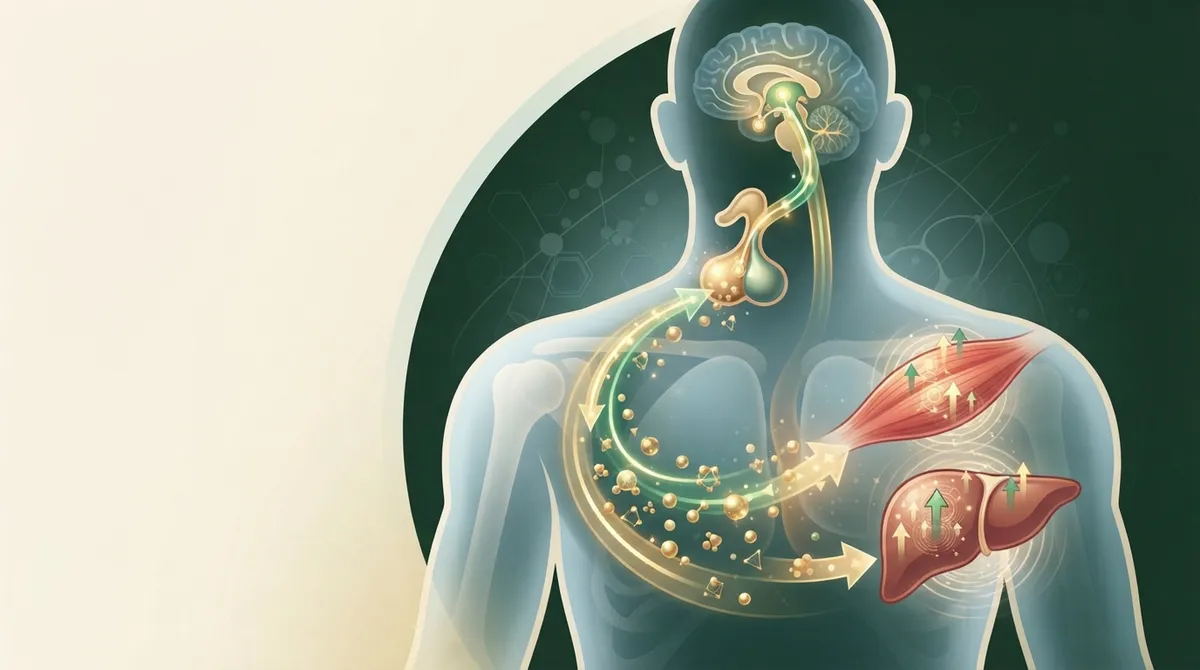
Sermorelin therapy uses a lab-made version of a hormone your body already produces called growth hormone-releasing hormone, or GHRH. Think of sermorelin as a gentle tap on the shoulder to your pituitary gland, reminding it to release more of your own growth hormone. This is different from taking growth hormone directly. Instead, sermorelin works with your body’s natural rhythm, which many people find appealing.
Sermorelin is a synthetic 29-amino-acid analog of GHRH. It binds to receptors in the pituitary gland, encouraging your body to produce and release growth hormone on its own terms. For this process to work well, your pituitary gland needs to be reasonably healthy, since sermorelin can’t force a gland that isn’t functioning to do its job. If you’re curious about how peptides work in general, this guide on what peptides are is a great place to start.
How Sermorelin Differs From Growth Hormone Injections
This is one of the most common points of confusion, so let’s clear it up. Growth hormone injections supply GH directly to your body. Sermorelin, on the other hand, stimulates your pituitary to make more of your own. This distinction matters for both safety and how your body responds over time.
- Sermorelin relies on a working pituitary gland to be effective
- Direct GH bypasses the pituitary entirely
- Sermorelin tends to preserve the body’s natural pulsatile release pattern
- Direct GH can suppress your body’s own natural production over time
- Sermorelin is generally considered a gentler starting point for many wellness goals

A Quick History Lesson: Is Sermorelin FDA Approved?
Here’s something that surprises a lot of people. Sermorelin was once sold under the brand names Geref and Geref Diagnostic in the United States. These products were eventually pulled from the market, but not because of safety concerns. According to FDA records, the withdrawal was a business decision, not a safety issue.
Today, sermorelin is available through licensed compounding pharmacies as a prescription medication. It is not an actively marketed, FDA-approved brand-name drug anymore. That means it’s important to work with a legitimate telehealth provider and a properly regulated pharmacy rather than buying something labeled “for research use only” online. Reputable clinics like Allura Longevity source compounded peptides responsibly and pair them with real medical oversight.
Table: Sermorelin at a Glance
| Feature | Details |
|---|---|
| What it is | Synthetic 29-amino-acid GHRH analog |
| How it works | Stimulates pituitary to release natural growth hormone |
| FDA status | Formerly approved brands discontinued for business reasons; current versions are compounded prescriptions |
| Typical administration | Subcutaneous injection, often at bedtime |
| Who prescribes it | Licensed medical providers after blood work and evaluation |
What Benefits Can You Realistically Expect?
Let’s be honest with each other here, because that’s what friends do. Some benefits of sermorelin have solid research behind them, while others are still being studied. It’s important to separate real evidence from marketing hype.
A notable 1997 study led by researcher Khorram found that older adults using sermorelin saw about a 107% increase in nighttime growth hormone secretion and a 28% increase in IGF-1 levels after just two weeks. The same study reported an average lean body mass increase of 1.26 kg over 16 weeks. These numbers are encouraging, but the study was small, so we shouldn’t treat these results as guaranteed for everyone.
Commonly Discussed Goals for Sermorelin Users
- Supporting healthy sleep patterns, since growth hormone release naturally peaks overnight
- Helping maintain lean muscle mass as part of a broader wellness plan
- Supporting fat metabolism alongside diet and exercise
- Addressing symptoms linked to low growth hormone activity
- Assisting with recovery after physical activity or training
Evidence for general anti-aging claims, dramatic muscle gains, or athletic performance boosts is still limited in adults. If you’re weighing sermorelin against other options, it may help to review how growth hormone peptides work before making a decision.
How Is Sermorelin Typically Dosed and Administered?
Sermorelin is usually given as a small subcutaneous injection, similar to an insulin shot. Many providers recommend taking it in the evening. This timing lines up with your body’s natural overnight growth hormone release, so it works with your biology instead of against it.
Historical FDA labeling for pediatric growth hormone deficiency used about 0.03 mg per kilogram of body weight at bedtime. However, today’s compounded protocols for adult wellness use vary quite a bit. This is exactly why a personalized plan matters so much, because your dose should reflect your labs, your goals, and your health history, not a generic chart. Learn more about safely using growth hormone-supporting peptides in one of our related guides.
Steps for Starting Sermorelin Therapy Safely
- Schedule a virtual consultation with a licensed provider
- Complete blood work, often including IGF-1, glucose, and HbA1c
- Review your full medical history and current medications
- Receive a personalized treatment plan based on your results
- Get your peptides shipped directly to your home
- Follow injection instructions carefully, usually at bedtime
- Attend follow-up appointments for monitoring and adjustments
This step-by-step approach is exactly how Allura Longevity structures care, starting with an affordable consultation and LabCorp testing, then building a custom six-month plan you can manage from home. If you want to see how the process works from start to finish, this article on starting peptide therapy safely breaks it down nicely.
How Long Does Sermorelin Take to Work?
Patience is part of the process here, and that’s okay. Most people don’t notice dramatic changes overnight. Early signs like better sleep quality may show up within a few weeks, while changes in body composition and energy often take a few months to become noticeable.
- Weeks 1 to 4: Improved sleep quality may begin
- Weeks 4 to 8: Some people report better recovery and steadier energy
- Months 2 to 4: Body composition changes may become more visible
- Months 4 to 6: Full effects are typically evaluated, along with repeat labs
Since everyone’s body responds differently, working with a provider who checks in regularly makes a real difference. This is why ongoing monitoring, not a one-time prescription, is such an important part of responsible care.
Side Effects and Safety Considerations
No treatment is without possible side effects, and sermorelin is no exception. The good news is that reported side effects tend to be mild for most people. A review indexed in PubMed found that both single doses and repeated daily subcutaneous doses were generally well tolerated, with facial flushing and injection-site discomfort being among the most common issues.
Possible Side Effects to Watch For
- Redness, pain, or swelling at the injection site
- Temporary facial flushing
- Headache or mild dizziness
- Nausea
- Fluid retention or joint discomfort at higher doses
Because growth hormone and IGF-1 can influence blood sugar and other systems in your body, ongoing lab monitoring matters. This is not a treatment to start and forget about. Regular check-ins with your provider help catch any issues early and keep your plan on track.
Who Should Use Caution or Avoid Sermorelin
Sermorelin isn’t the right fit for everyone, and a responsible provider will screen for these factors before prescribing anything.
- People with active cancer or a history of certain tumors
- Those with pituitary or hypothalamic disease
- Individuals with uncontrolled diabetes
- Pregnant or breastfeeding individuals
- People with significant fluid retention or untreated sleep apnea
- Anyone with a known allergy to sermorelin or similar compounds
A thorough evaluation should also rule out other causes of fatigue or low energy, like thyroid problems, anemia, poor sleep habits, or medication side effects. According to the National Library of Medicine, a low IGF-1 level alone doesn’t confirm adult growth hormone deficiency, so formal testing may be needed before starting any peptide protocol.
What Testing Should Happen Before and During Treatment?
Good peptide therapy is never a guessing game. It starts with data about your unique body. Before starting sermorelin, your provider should review your full medical history, current medications, and any existing health conditions.
Common Baseline and Follow-Up Labs
| Test | Why It Matters |
|---|---|
| IGF-1 | Reflects growth hormone activity over time |
| Glucose or HbA1c | Monitors blood sugar impact, since GH affects glucose metabolism |
| Thyroid panel | Rules out thyroid issues that mimic low GH symptoms |
| Complete blood count | Screens for anemia or other contributing factors |
At Allura Longevity, this process begins with a simple $50 virtual consultation, followed by LabCorp blood work. From there, licensed providers, led by board-certified Family Nurse Practitioner Ashley, design a personalized six-month plan and adjust it based on how your body responds. If you’re curious how this compares to visiting a local clinic, this comparison of telehealth versus local peptide clinics is worth a read.
Sermorelin Compared to Other Popular Peptides
Sermorelin isn’t the only peptide in the growth hormone conversation. Understanding how it stacks up can help you and your provider choose the right fit for your goals.
| Peptide | Primary Focus | How It Works |
|---|---|---|
| Sermorelin | Overall GH support, sleep, recovery | Stimulates pituitary GHRH receptors |
| CJC-1295 | Longer-lasting GH support | GHRH analog with extended half-life |
| Ipamorelin | GH release with minimal appetite impact | Growth hormone secretagogue receptor agonist |
| BPC-157 | Tissue and injury recovery | Supports healing pathways, not GH related |
Many clients explore combining sermorelin with complementary peptides once their provider reviews their labs and goals. You can learn more about that approach in our guide on single peptides versus peptide stacks.
Why Choose Telehealth for Sermorelin Therapy?
Life is busy. Between work, family, and everything in between, driving to a clinic and sitting in a waiting room can feel like a lot to ask. That’s exactly why telehealth peptide therapy has become such a welcome option for so many people.
- Consultations happen from your couch, on your schedule
- Blood work is completed locally through LabCorp
- Peptides are shipped discreetly to your front door
- Ongoing support happens through virtual check-ins
- Licensed providers monitor your progress the entire time
Allura Longevity is currently licensed in Florida, Georgia, Texas, Connecticut, Indiana, Maryland, New York, and California, making it accessible to a wide range of people looking for real, medically supervised care. If energy and vitality are your main goals, this resource on picking peptides for energy pairs nicely with a sermorelin conversation.
Final Thoughts: Is Sermorelin Therapy Right for You?
Sermorelin therapy offers a thoughtful, science-backed way to support your body’s own growth hormone production, especially when guided by real lab work and an experienced provider. It’s not a magic fix, and it’s not right for everyone, but for many people dealing with low energy, poor sleep, or slower recovery, it can be a meaningful piece of a bigger wellness puzzle. The key is working with someone who takes the time to understand your health story, checks your labs, and adjusts your plan as you go.
If you’re ready to find out whether sermorelin therapy fits your goals, our team at Allura Longevity would love to help you take that first step. You can request a consultation today and get matched with a personalized plan built around your own blood work and health goals. Spots are limited each month, so reach out soon, and feel free to call us at (813) 510-6277 with any questions along the way.
FAQs
Q: What is sermorelin therapy and how does it work?
A: Sermorelin therapy uses a lab-made version of growth hormone-releasing hormone to gently nudge your pituitary gland into making more of your own growth hormone. It’s a bit like giving your body’s natural systems a friendly reminder to do their job, rather than replacing that process entirely.
Q: Is sermorelin the same as human growth hormone or HGH?
A: Nope, they’re actually quite different, and that’s a great question to ask! Sermorelin encourages your pituitary gland to release its own growth hormone, while HGH injections supply growth hormone directly, bypassing that natural process altogether.
Q: Is sermorelin FDA approved, and is compounded sermorelin legal?
A: The original branded sermorelin products, Geref and Geref Diagnostic, were once FDA approved but were discontinued for business reasons, not safety concerns. Today’s sermorelin is a prescription medication made by compounding pharmacies, so it’s important to work with a licensed provider rather than buying it online without oversight.
Q: What are the side effects of sermorelin therapy?
A: Most people tolerate sermorelin pretty well, with mild side effects like injection-site redness, temporary flushing, or a headache being the most commonly reported. Because it can affect blood sugar and other systems, regular monitoring with your provider helps keep everything on track.
Q: How long does it take to see results from sermorelin therapy?
A: Many people notice improved sleep within a few weeks, while changes in energy and body composition often take two to four months to really show up. Everyone’s timeline looks a little different, which is why ongoing check-ins and lab work make such a big difference in your results.





