
Key Takeaways
-
Levothyroxine is the evidence-based standard treatment for hypothyroidism, and peptides cannot replace it; peptides work on different body pathways and should only complement thyroid treatment, never substitute for it.
-
Hashimoto's disease, the most common cause of hypothyroidism in the U.S., is 4-10 times more common in women than men and requires a coordinated treatment approach with regular TSH and free T4 blood monitoring.
-
Take levothyroxine consistently 60 minutes before breakfast or 3+ hours after evening meals, separated from calcium and iron supplements, and recheck TSH/free T4 levels 4-6 weeks after any dose adjustment to avoid dangerous over-treatment.
-
Thyroid conditions require different treatment approaches—hypothyroidism needs hormone replacement, while hyperthyroidism, nodules, and cancer require distinct medical strategies, making diagnosis with a licensed provider essential.
-
Peptide therapy can support wellness goals like energy, metabolism, and sleep quality alongside well-managed thyroid treatment, but only when personalized to your actual blood work and coordinated with your primary care provider.
-
Never stop, adjust, or self-treat thyroid medication; excessive thyroid hormone causes iatrogenic thyrotoxicosis, raising risks for atrial fibrillation and osteoporosis, especially in older adults and postmenopausal women.
If you’ve been researching hormone therapy thyroid conditions, you’ve probably noticed a lot of mixed information online. Some people wonder if peptides can help their sluggish thyroid. Others want to know if hormone therapy and peptide therapy are the same thing. We get it. This stuff can feel confusing, especially when you just want to feel like yourself again.
Here’s the honest truth: peptide therapy and thyroid hormone treatment are two different things. They can work together as part of a bigger wellness picture, but one does not replace the other. In this article, we’ll break down what actually treats thyroid conditions, where peptide therapy fits in, and how to build a smart, safe plan with real medical guidance. Whether you’re a busy professional juggling a hectic schedule or a wellness seeker who tracks every lab number, this guide will help you separate fact from wishful thinking.

What Hormone Therapy Actually Means for Thyroid Conditions
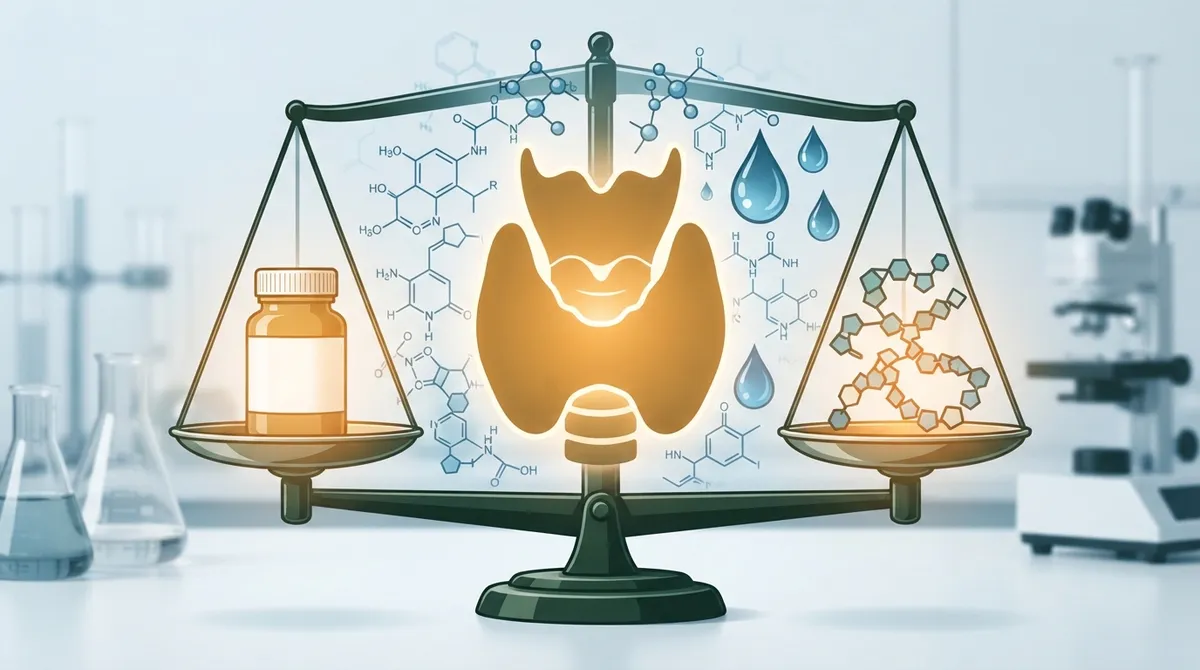
When doctors talk about hormone therapy for thyroid conditions, they usually mean replacing or managing thyroid hormone levels directly. This is not the same as peptide therapy, which works on different pathways in the body like growth hormone release, tissue repair, or metabolic support.
For an underactive thyroid, also called hypothyroidism, the standard first-line treatment is levothyroxine. This is a synthetic version of T4, one of the main hormones your thyroid makes. It replaces what your thyroid can no longer produce well enough on its own. According to the National Institute of Diabetes and Digestive and Kidney Diseases, about 4.6% of Americans age 12 and older live with hypothyroidism, though broader studies using claims data have estimated rates closer to 9.6% to 11.7%.
Peptide therapy, on the other hand, uses short chains of amino acids to support things like energy, recovery, sleep, and metabolic function. If you want a deeper primer, check out this guide on 8 Facts That Explain What Are Peptides in 2026. Peptides are not currently established as a substitute for thyroid hormone medication.
Types of Thyroid Conditions You Should Know
Not every thyroid problem is treated the same way. Understanding your specific condition matters more than you might think.
- Hypothyroidism: An underactive thyroid, often caused by Hashimoto’s disease, an autoimmune condition.
- Hyperthyroidism: An overactive thyroid that produces too much hormone.
- Thyroid nodules: Lumps in the thyroid gland that may or may not need treatment.
- Thyroid cancer: A more serious diagnosis requiring specialized oncology care.
Each of these requires its own treatment approach. Thyroid hormone replacement is appropriate for hypothyroidism, but it is not the right answer for every thyroid issue. This is exactly why working with a licensed provider matters so much.
Why Hashimoto’s Disease Deserves Special Attention
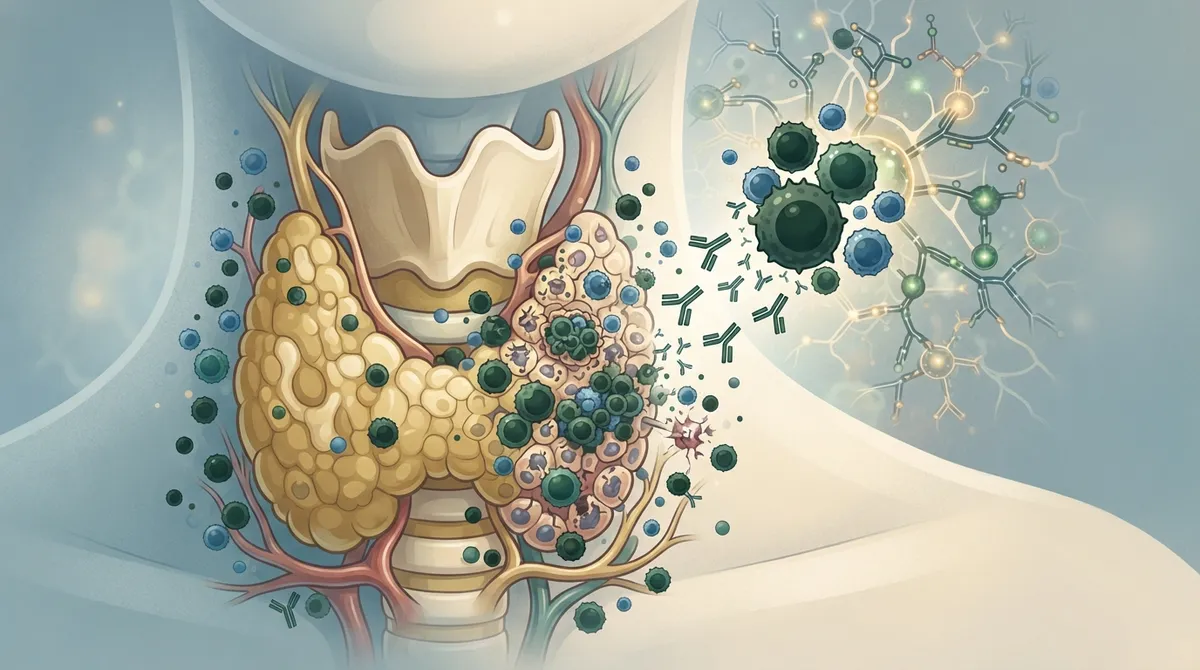
Hashimoto’s disease is the most common cause of hypothyroidism in the United States. It happens when your immune system mistakenly attacks your thyroid gland. Over time, this damages the gland’s ability to produce hormones.
Here’s a stat that surprises a lot of people: Hashimoto’s disease is 4 to 10 times more common in women than men, according to NIDDK data. If you’re a woman dealing with fatigue, weight changes, or brain fog, this is worth discussing with your provider. For more on hormone-related fatigue in women, take a look at 6 Facts About Menopause Hormone Imbalance in 2026.
How Thyroid Conditions Are Diagnosed and Monitored
Getting the right diagnosis starts with blood work. Your provider will typically check two key markers.
- TSH (Thyroid Stimulating Hormone): This tells your provider how hard your pituitary gland is working to stimulate your thyroid.
- Free T4: This measures the actual amount of usable thyroid hormone in your blood.
- Clinical symptoms: Your provider will also factor in symptoms like fatigue, weight changes, and mood shifts.
- Follow-up testing: After starting or adjusting levothyroxine, TSH is usually rechecked in about 4 to 6 weeks.
This kind of testing-first approach is something we believe in deeply at Allura Longevity, even outside of thyroid care. Every peptide plan we build starts with real lab work, not guesswork. If you’re curious how that process works for peptides specifically, read How to Start Peptide Therapy Safely and See Real Results.
Table: Thyroid Hormone Therapy vs. Peptide Therapy
| Feature | Thyroid Hormone Therapy | Peptide Therapy |
|---|---|---|
| Primary Purpose | Replaces missing thyroid hormone (T4) | Supports energy, recovery, metabolism, and more |
| Standard Medication | Levothyroxine | Varies (e.g., BPC-157, GLP-1 peptides, growth hormone peptides) |
| Monitoring | TSH and free T4 blood tests | Comprehensive blood panels through LabCorp |
| Who It Treats | People with diagnosed hypothyroidism or hyperthyroidism | People seeking wellness, recovery, or metabolic support |
| Can Replace the Other? | No established evidence peptides replace it | No established evidence it treats thyroid disease |
Levothyroxine Safety Tips Everyone Should Know
If you or someone you love is on levothyroxine, a few simple habits can make a big difference in how well it works.
- Take it consistently, ideally 60 minutes before breakfast or at bedtime, at least 3 hours after your evening meal.
- Separate it from calcium, iron, and certain supplements, which can interfere with absorption.
- Avoid stopping or adjusting your dose without talking to your provider first.
- Get retested about 4 to 6 weeks after any dose change.
- Tell your provider about pregnancy, major weight changes, or new medications, since these can shift your dosing needs.
According to the American Thyroid Association, taking too much thyroid hormone can cause serious problems. This is called iatrogenic thyrotoxicosis, and it raises the risk of atrial fibrillation and osteoporosis. Guidance specifically warns against letting TSH drop below 0.1 mIU/L, especially in older adults and postmenopausal women. This is one more reason why self-adjusting thyroid medication is never a good idea.
Where Peptide Therapy Fits Into Your Bigger Wellness Picture
So if peptides don’t treat thyroid disease directly, why do so many people ask about combining the two? The answer is simple. Thyroid issues and general wellness goals often overlap.
Someone with well-managed hypothyroidism might still struggle with low energy, slow metabolism, or stubborn weight. This is where personalized peptide therapy can add real value, working alongside your thyroid treatment rather than replacing it. At Allura Longevity, we design six-month treatment plans based on your actual blood work and health goals, not a one-size-fits-all template.
Common Wellness Goals Peptides May Support
Many of our clients come to us already managing a thyroid condition with their primary care doctor or endocrinologist. They’re looking for extra support in these areas:
- Energy levels: Learn more in How to Pick Peptides for Energy That Actually Work.
- Metabolism and weight management: See Which Weight Loss Peptides Actually Work in 2026?.
- Muscle recovery: Explore 14 Peptides for Muscle Gain Worth Knowing (2026).
- Sleep quality and mental clarity: Both matter deeply when thyroid symptoms overlap with everyday stress.
None of these goals require you to stop your thyroid medication. In fact, we always recommend continuing prescribed thyroid treatment exactly as your doctor advised. Peptides work best as a complement, not a replacement.
Questions to Ask Before Starting Any New Therapy
Whether you’re considering peptide therapy, adjusting your thyroid medication, or both, a little preparation goes a long way. Here are smart questions to bring to your next appointment.
- What does my current TSH and free T4 level actually mean?
- Is my thyroid condition stable, or does my dose need adjusting?
- Could any supplements or peptides interfere with my thyroid medication timing?
- What symptoms should prompt me to call my provider between visits?
- How often will my labs be rechecked once I start a new treatment?
Bringing these questions to a licensed provider ensures nothing falls through the cracks. This is exactly the kind of thorough, personalized approach our team leads with, starting from your very first consultation.
How Allura Longevity Approaches Personalized Care
At Allura Longevity, every client starts with a simple $50 virtual consultation. From there, we order comprehensive blood work through LabCorp so your plan is based on your actual biology, not guesswork. Our team, led by board-certified Family Nurse Practitioner Ashley, builds a customized six-month treatment plan designed around your specific goals and health history.
If you already manage a thyroid condition, we coordinate around that care rather than working against it. Your peptides ship directly to your home, and our providers monitor your progress with ongoing check-ins and adjustments. This telehealth model works beautifully for busy professionals and health optimizers who don’t have time for constant in-person visits. To compare your options, take a look at Local Clinic vs. Telehealth: Best Peptide Therapy Near You?.
We’re currently licensed to serve clients in Florida, Georgia, Texas, Connecticut, Indiana, Maryland, New York, and California. Because we only accept a limited number of new clients each month, we encourage you to reach out early if you’re interested.
A Quick Look at What Peptides Can and Cannot Do
| Claim | Supported by Evidence? |
|---|---|
| Peptides can support energy and recovery goals | Yes, within personalized wellness protocols |
| Peptides can replace levothyroxine | No, not established by current research |
| Peptides can cure Hashimoto’s disease | No, not supported by authoritative sources |
| Peptides can complement thyroid treatment for overall wellness | Yes, when guided by a licensed provider |
For a broader understanding of how peptides interact with the body’s systems, the what are peptides overview from WebMD is a helpful starting point. Research published through the National Library of Medicine also outlines how various peptides function in the body, which can help you have more informed conversations with your provider.
Bringing It All Together
Hormone therapy for thyroid conditions and peptide therapy serve different purposes, but they don’t have to be in competition. Thyroid hormone replacement, like levothyroxine, remains the gold standard for hypothyroidism. Peptide therapy, meanwhile, can support your broader wellness goals like energy, recovery, and metabolic health, always alongside proper medical care, never in place of it.
The most important step you can take is working with providers who take your labs seriously and build a plan around your actual body, not a generic template. If you’re ready to explore what a personalized, medically supervised peptide plan could look like for you, our team at Allura Longevity is here to help. Request a consultation today and take the next step toward feeling like your best self, with care that respects both your thyroid health and your bigger wellness goals.
FAQs
Q: Can peptide therapy treat hypothyroidism or Hashimoto’s disease?
A: Not directly, and we want to be honest with you about that. Levothyroxine remains the standard, evidence-based treatment for hypothyroidism, while peptide therapy focuses on supporting energy, recovery, and metabolic wellness. Think of peptides as a helpful companion to your thyroid care, not a replacement for it.
Q: Is peptide therapy a substitute for levothyroxine?
A: No, and please don’t stop your thyroid medication to try peptides instead. Levothyroxine replaces a hormone your thyroid can’t make enough of, and there’s no established evidence that peptides can do the same job. Always keep your prescribing doctor in the loop about any new therapy you’re considering.
Q: How are thyroid conditions diagnosed and monitored?
A: Your provider will typically check TSH and free T4 levels through a simple blood test, then look at those numbers alongside your symptoms. After starting or changing medication, most people get rechecked in about 4 to 6 weeks. It’s a straightforward process, and staying consistent with testing really pays off.
Q: Can supplements or peptides interfere with thyroid medication?
A: They can, so timing matters more than you might expect. Calcium, iron, and certain supplements can reduce how well your body absorbs levothyroxine if taken too close together. A good rule of thumb is spacing things out, and always mentioning any new peptide or supplement to your provider first.
Q: Should I change my thyroid medication when starting hormone or peptide therapy?
A: Please don’t make that call on your own. Thyroid dosing needs can shift with pregnancy, aging, weight changes, and new medications, so any adjustments should come from your prescribing provider. At Allura Longevity, we always encourage coordinated care so nothing gets overlooked.





