
Key Takeaways
-
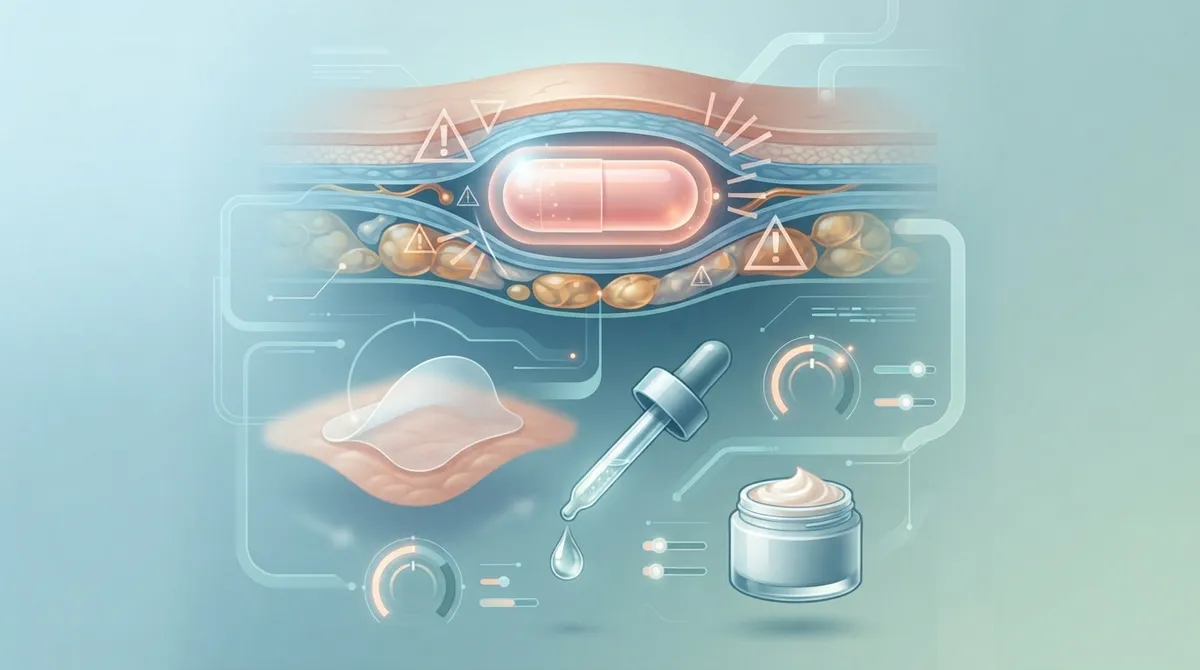
Hormone pellets cannot be easily adjusted or removed once implanted, meaning side effects like abnormal bleeding or elevated hormone levels may require months of waiting for the pellet to dissolve naturally.
-
Research shows 63.9% of women using hormone pellets experienced adverse effects compared to 10.6% using FDA-approved hormone therapy, with hysterectomy rates of 38.1% vs 10% respectively.
-
Most hormone pellets are compounded rather than FDA-approved, meaning they skip rigorous safety and effectiveness review, so 'bioidentical' or 'natural' claims do not guarantee safety.
-
The American College of Obstetricians and Gynecologists recommends against routine use of compounded hormone pellets when FDA-approved alternatives exist, citing limited long-term safety data.
-
FDA-approved alternatives like patches, gels, creams, and peptide therapy offer adjustable dosing and real-time monitoring, giving you control to modify or stop treatment if side effects emerge.
-
Before choosing any hormone therapy, demand blood work baseline, clear medical justification, discussion of FDA-approved options, and ongoing monitoring—red flags include clinics skipping these steps.
If you have been exploring ways to feel more energetic, balanced, and youthful, you have probably come across the term hormone pellet implants. Maybe a friend mentioned them at brunch, or you saw an ad promising “bioidentical balance” in a tiny rice-sized pellet. It sounds simple and appealing. But before you book that appointment, let’s slow down and talk honestly about what these pellets actually are, how they differ from peptide therapy, and why so many licensed providers are cautious about them.
This article is for the health optimizer who wants real answers, the aging adult who wants to feel like themselves again, and the busy professional who simply does not have time for guesswork. We will walk through the science, the risks, and the FDA-approved alternatives so you can make a confident, informed decision. And we will explain how a personalized, telehealth-based approach like the one offered at Allura Longevity gives you more control, more flexibility, and more peace of mind.
What Are Hormone Pellet Implants, Exactly?
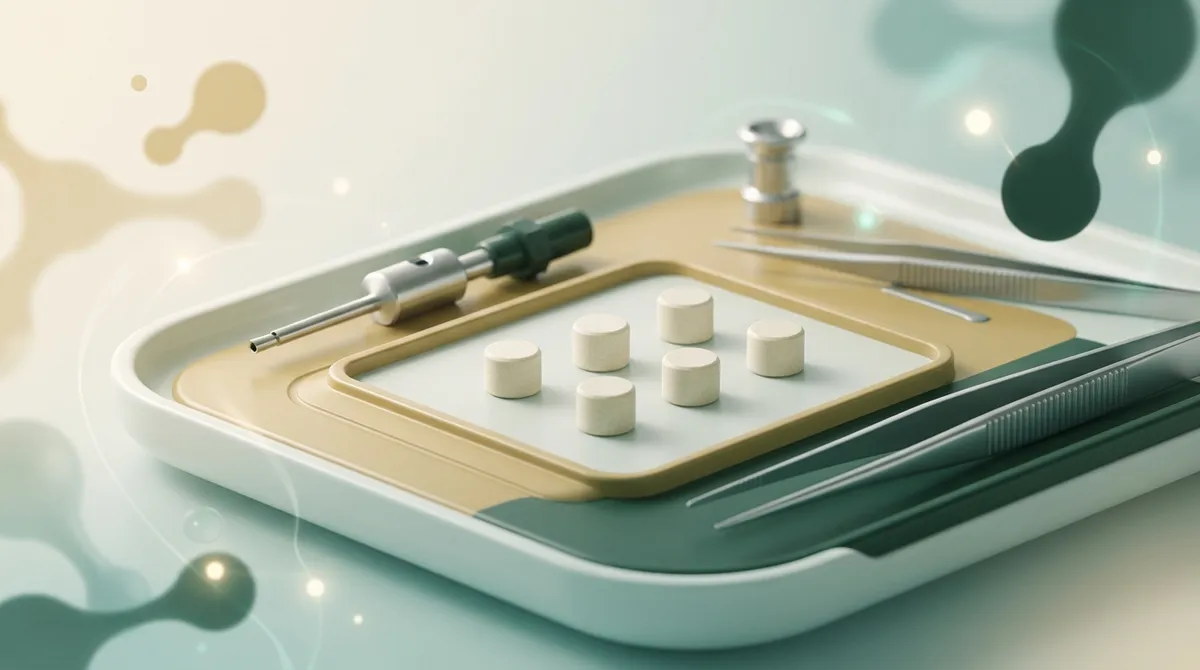
Hormone pellet implants are small pellets, often about the size of a grain of rice, inserted under the skin near the hip or buttock. They usually contain testosterone, estradiol, or a combination of both. Once implanted, the pellet slowly releases hormones into your bloodstream over several weeks to months, typically requiring replacement every three to six months.
The appeal is obvious: no daily pills, no weekly injections, just a quick in-office procedure and you are supposedly set for months. But that convenience comes with a tradeoff that many patients do not fully understand until it is too late.
How the Insertion Process Works
A provider numbs the skin, makes a small incision, and inserts the pellet using a special tool. The area is bandaged, and the pellet dissolves gradually as your body absorbs the hormone. It sounds straightforward, but the simplicity hides a bigger issue: once that pellet is in, there is no dial to turn down if something goes wrong.
Hormone Pellets vs. Peptide Therapy: Know the Difference
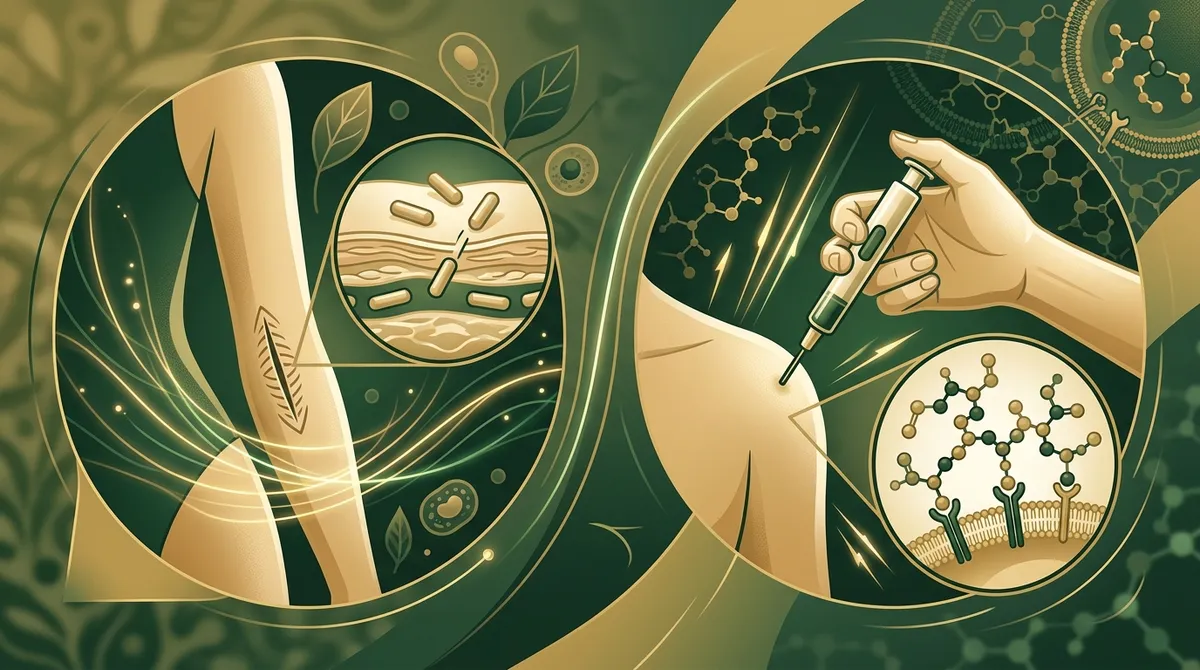
This is where a lot of confusion happens, and it is important to clear it up. Hormone pellets are a form of hormone replacement therapy. They deliver steroid hormones like testosterone or estradiol directly into your system. Peptide therapy is something entirely different. Peptides are short chains of amino acids that signal your body to do things like produce more growth hormone, repair tissue, or regulate appetite, as explained in this overview of what are peptides.
If you want a deeper dive into how peptides work in your body, our article on 8 Facts That Explain What Are Peptides in 2026 breaks it down in plain language.
| Feature | Hormone Pellet Implants | Peptide Therapy |
|---|---|---|
| What it delivers | Steroid hormones (testosterone, estradiol) | Short amino acid chains that signal the body |
| Delivery method | Surgically inserted pellet under skin | Injections, often self-administered at home |
| Reversibility | Difficult to remove once inserted | Dose can be stopped or adjusted quickly |
| FDA oversight | Often compounded, not FDA-reviewed | Varies; many are compounded or investigational |
| Typical duration | 3 to 6 months per pellet | Daily or weekly dosing, adjustable |
Why Dose Control Matters So Much
One of the biggest concerns with pellets is that you cannot easily change the dose once it is implanted. If your hormone levels climb too high, or you start noticing side effects, you may simply have to wait it out. That could mean months of discomfort while your body slowly works through the excess hormone.
Compare that to peptide therapy or FDA-approved hormone formulations like patches, gels, or creams. These allow your provider to adjust your dose in real time based on how you are responding. That flexibility matters, especially in the first few months when your provider is still fine-tuning your protocol.
The Compounding Question
Many hormone pellets used in clinics today are compounded, meaning they are custom-mixed by a pharmacy rather than manufactured and approved by the FDA. Compounded drugs do not go through the same rigorous safety and effectiveness review as FDA-approved medications. This does not automatically mean they are unsafe, but it does mean there is less oversight and less quality assurance.
What the Research Actually Shows
The numbers here are worth paying close attention to, especially if you are the type of reader who likes data before making decisions.
- A 2019 FDA statement reported 4,202 previously unreported adverse events tied to compounded hormone pellets during an inspection of one major manufacturer, including possible links to endometrial cancer, prostate cancer, stroke, and blood clots.
- A retrospective study presented at the 2017 North American Menopause Society meeting found adverse effects in 63.9% of women using estradiol and/or testosterone pellets, compared to just 10.6% of women using FDA-approved hormone therapy.
- The same study found abnormal uterine bleeding occurred in 62.6% of the pellet group versus 17.7% of the FDA-approved therapy group.
- Hysterectomy after treatment occurred in 38.1% of the pellet group compared to 10% in the FDA-approved group, though these findings are observational and do not prove direct causation.
- A 2020 National Academies review concluded that long-term safety data for compounded bioidentical hormone therapy, particularly testosterone use in women, remains limited.
These statistics do not mean pellets are automatically dangerous for everyone. But they do highlight why medical organizations recommend caution and thorough discussion before choosing this route.
What Professional Guidelines Say
The American College of Obstetricians and Gynecologists released a 2023 clinical consensus addressing compounded bioidentical hormone therapy directly. Their guidance is clear and worth repeating.
- Compounded bioidentical menopausal hormone therapy should not be routinely prescribed when FDA-approved alternatives exist.
- Testosterone pellets are not recommended for menopausal symptoms because they cannot be easily removed.
- Long-term safety data on pellet therapy remains limited compared to approved formulations.
- FDA-approved bioidentical hormone products already exist in patches, gels, creams, and tablets, often with more adjustable dosing.
- Claims that compounded or pellet hormones are inherently safer because they are “natural” or “bioidentical” are not supported by strong evidence.
You can read more from ACOG directly on their menopause resource page, which outlines evidence-based approaches to hormone management.
Potential Side Effects to Understand
Every hormone therapy carries some risk, and pellets are no exception. Because the dose cannot be adjusted quickly, side effects can be harder to manage once they start.
- Acne and oily skin
- Increased facial or body hair growth in women
- Scalp hair thinning
- Voice deepening or other signs of virilization in women
- Abnormal uterine bleeding
- Mood swings and irritability
- Breast tenderness and fluid retention
- Elevated hematocrit, which increases blood clot risk
Some reported risks are more serious, including possible links to cardiovascular events, thromboembolic issues, liver concerns, and prostate or endometrial complications. According to research summarized by the National Library of Medicine, supraphysiologic hormone levels combined with irreversible exposure make these adverse effects more difficult to manage than with adjustable therapies.
Who Should Think Twice Before Choosing Pellets
Pellets are not automatically off the table for everyone, but certain people should pause and ask more questions before moving forward.
- Anyone considering testosterone pellets purely for anti-aging or wellness reasons without a documented medical need.
- Women with a history of abnormal uterine bleeding or hormone-sensitive conditions.
- Anyone with a personal or family history of blood clots, stroke, or cardiovascular disease.
- People who prefer to have flexible control over their dosing and treatment timeline.
- Anyone who has not yet had comprehensive blood work to establish a true baseline.
A Better Path: Personalized, Adjustable Care
Here is the good news. You do not have to choose between doing nothing and committing to an irreversible pellet. Peptide therapy and other adjustable hormone options give you a middle ground that many health optimizers, biohackers, and busy professionals find far more appealing.
At Allura Longevity, care starts with a simple $50 virtual consultation and comprehensive blood work through LabCorp. From there, licensed providers, led by board-certified Family Nurse Practitioner Ashley, build a customized six-month treatment plan based on your actual lab results and goals. Peptides and other therapies are shipped directly to your home, and your provider monitors your progress and adjusts your plan as needed.
This approach works especially well for people managing weight with GLP-1 medications, recovering from injuries with BPC-157, or pursuing testosterone replacement in a way that is monitored and reversible. If you are curious about the fat-loss side of things, check out 13 Peptides for Fat Loss That Really Work in 2026 or learn how to understand GLP-1 peptide therapy in 2026.
Why Telehealth Makes This Easier
Busy professionals do not have hours to spend in waiting rooms. Telehealth removes that barrier entirely. If you are weighing your options, our comparison of local clinic vs. telehealth peptide therapy can help you decide what fits your lifestyle best.
How to Evaluate Any Clinic Offering Hormone or Peptide Therapy
Whether you are considering pellets, peptides, or traditional hormone replacement, ask these questions before committing.
- Does the provider require blood work before recommending treatment?
- Is there a clear, documented medical reason for the therapy?
- Are FDA-approved alternatives discussed alongside compounded options?
- Can the treatment be adjusted or stopped if side effects appear?
- Is ongoing monitoring included, or is it a one-time appointment?
- Are the providers licensed and board-certified?
If a clinic cannot clearly answer these questions, that is a red flag worth taking seriously. Our guide on how to start peptide therapy safely and see real results covers this in more detail.
Monitoring: The Piece That Cannot Be Skipped
Whether you choose pellets, peptides, or another hormone delivery method, ongoing monitoring is non-negotiable. Regular blood work helps your provider catch problems early and adjust your plan before small issues become big ones.
| Monitoring Step | Why It Matters |
|---|---|
| Baseline blood work | Establishes your starting hormone levels and overall health |
| Follow-up labs | Confirms your body is responding as expected |
| Symptom check-ins | Catches side effects early before they escalate |
| Dose adjustments | Keeps your treatment aligned with your changing needs |
Bringing It All Together
Hormone pellet implants might sound convenient, but the lack of flexibility and limited long-term safety data make them a serious decision, not a casual wellness upgrade. Peptide therapy offers a different path: one built on adjustable dosing, ongoing lab monitoring, and treatment plans tailored to your unique biology.
If you are ready to explore a personalized, medically supervised approach that puts you in control, our team is here to help. Request a consultation today and take the first step toward a plan built around your actual lab results, not guesswork. Spots are limited each month, so reach out soon to secure your spot with our licensed providers.
FAQs
Q: What are hormone pellet implants and how do they work?
A: Hormone pellet implants are tiny pellets inserted under the skin, usually containing testosterone or estradiol. They slowly release hormones into your bloodstream over three to six months, so you do not need daily pills or shots, but you also cannot easily adjust the dose once it is in.
Q: What is the difference between hormone pellet therapy and peptide therapy?
A: Great question, and one we get a lot! Hormone pellets deliver steroid hormones like testosterone directly into your body, while peptides are amino acid chains that signal your body to do things like boost growth hormone or support recovery. They are simply different tools for different jobs.
Q: Can a hormone pellet be removed if side effects occur?
A: Unfortunately, not easily. Once a pellet is implanted, most providers cannot simply take it out if you experience side effects. You may need to wait for it to dissolve naturally, which is why so many providers now recommend adjustable options instead.
Q: Are compounded bioidentical hormone pellets safer than FDA-approved hormone therapy?
A: Not necessarily, and this is an important myth to bust. The FDA does not review compounded pellets for safety and effectiveness the same way it reviews approved medications, so “natural” or “bioidentical” labeling does not automatically mean safer.
Q: What FDA-approved alternatives to hormone pellets are available?
A: There are plenty of options, including patches, gels, creams, and tablets that offer more flexible, adjustable dosing. Many people also explore peptide therapy, which can support energy, recovery, and hormone balance with more control over your treatment plan.





