

Key Takeaways
-
Collagen peptides have the strongest human evidence for skin benefits, showing real improvements in hydration and brightness within 12 weeks, but this is cosmetic improvement, not proof of slowed internal aging.
-
Growth hormone secretagogues like CJC-1295 and ipamorelin raise hormone levels but lack proof of longevity benefits; a 2025 clinical review recommends against their use for anti-aging in healthy adults due to risks like glucose intolerance and cardiovascular complications.
-
Avoid unverified peptide sources; choose providers who are state-licensed, require comprehensive blood work before prescribing, include ongoing monitoring, and offer informed consent discussions rather than one-time sales.
-
Most trendy peptides like BPC-157, TB-500, and MOTS-c lack long-term human safety data and are still investigational; marketing hype doesn't equal clinical proof, so ask for specific human trial evidence before starting.
-
No peptide therapy today is FDA-approved for anti-aging or longevity; FDA approval is indication-specific for medical conditions only, and compounded wellness peptides bypass this safety evaluation entirely.
-
Real peptide results require consistency over 12+ weeks and ongoing provider supervision with regular lab monitoring to adjust your protocol as your body responds, not sporadic use or unsupervised self-treatment.
Let’s be honest: the world of anti-aging therapy can feel like a maze. One day you hear that a peptide will make you look 10 years younger. The next day someone warns you it’s dangerous. If you’re an aging adult chasing more energy, a busy professional short on time, or a biohacker who wants real data before spending real money, you deserve clear answers, not hype.
Here’s the good news. You don’t have to fall for the same mistakes so many people make. This guide walks through the most common missteps people make when exploring anti-aging peptide therapy, so you can approach it with confidence instead of confusion. We’ll cover what the science actually shows, which peptides have real human data behind them, and how to work with a provider who puts your safety first. Think of this as a friendly, no-nonsense roadmap from people who care about getting this right for you.
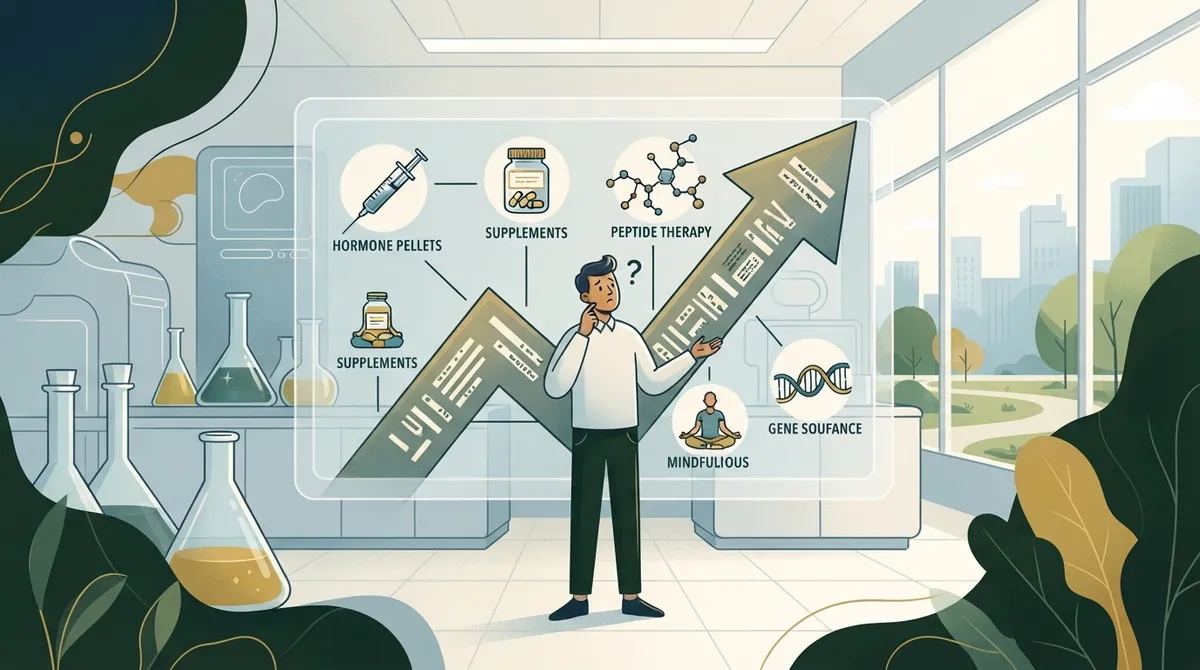
Mistake 1: Treating “Anti-Aging Therapy” as One Single Treatment
This is the biggest mix-up we see. Anti-aging peptide therapy isn’t one product or one shot. It’s actually a whole category that includes very different approaches, each with its own evidence and safety profile.
- Topical or oral cosmetic peptides for skin appearance
- Collagen peptides for hydration and elasticity
- Growth-hormone secretagogues like CJC-1295 and ipamorelin
- Metabolic peptides that support weight and energy
- Investigational longevity peptides still being studied
Lumping these together leads to confusion and unrealistic expectations. If you want to learn the basics first, this breakdown of what are peptides is a great starting point.

Mistake 2: Confusing Skin Improvement with Reversing Aging
Here’s a truth worth repeating: looking fresher is not the same as aging slower on the inside. Oral and topical collagen peptides can genuinely help your skin look brighter and feel more hydrated. But that’s a cosmetic win, not proof that your cells are aging more slowly.
A 2026 systematic review looked at 19 randomized controlled trials with 1,341 participants. It found real improvements in hydration and brightness, plus a modest bump in wrinkle reduction. Elasticity results, though, were inconsistent from study to study.
| Skin Outcome | Pooled Effect (2026 Review) | Consistency |
|---|---|---|
| Hydration | Mean difference ~5.80 | Strong |
| Brightness | Mean difference ~2.40 | Strong |
| Wrinkle Reduction | Mean difference ~0.27 | Modest |
| Elasticity | Varied by study | Inconsistent |
An updated 2026 meta-analysis of oral collagen peptides, covering 35 trials and 2,534 people, backed this up. It found real improvements in hydration and elasticity, but noted these benefits usually take at least 12 weeks to show up.
Mistake 3: Expecting Growth Hormone Peptides to Be a Fountain of Youth
Growth hormone secretagogues like CJC-1295, ipamorelin, and MK-677 get a lot of buzz. They can raise growth hormone and IGF-1 levels, and they may shift body composition. But raising a hormone number on a lab report is not the same as proving someone will live longer or healthier.
A 2025 clinical review was blunt about this. It concluded that growth hormone use for anti-aging in healthy older adults is not recommended right now. The reasons include uncertain long-term benefits and real risks like:
- Glucose intolerance and increased type 2 diabetes risk
- Cardiovascular complications
- Fluid retention and joint pain
- Possible cancer-related concerns
If you’re curious how these compounds actually work in the body, this guide on how GHRP peptides really work explains the mechanism in plain language.
Mistake 4: Believing Every Trending Peptide Is Proven
BPC-157, TB-500, MOTS-c, FOXO4-DRI, and epitalon show up constantly in longevity clinic marketing. Here’s the catch: most of the supporting evidence is preclinical or based on small, uncontrolled studies. That doesn’t mean these peptides are useless. It means they’re still investigational for general anti-aging use.
A 2026 gerontology review identified nine peptide categories relevant to aging research. It emphasized that non-approved peptides often have promising early data but lack long-term safety information. If you want to dig deeper into one of the most talked-about options, check out these BPC-157 peptide facts before you start anything.
Mistake 5: Assuming FDA Approval Covers Anti-Aging Use
This one trips up a lot of people. FDA approval is indication-specific. A peptide approved to treat one medical condition cannot legally be marketed as an anti-aging treatment just because it worked for something else.
Many compounded or research peptides sold for wellness purposes have never been evaluated by the FDA for safety, purity, or consistent dosing. Learning the difference matters. This comparison of FDA-approved vs. compounded peptides lays it out clearly.
Mistake 6: Skipping Blood Work Before Starting Peptides
Would you start a road trip without checking your gas tank? Same idea here. Jumping into peptide therapy without lab testing is like guessing your dose blind.
Here’s the process a responsible clinic should follow:
- Complete a medical history and medication review
- Get comprehensive blood work through a trusted lab
- Discuss goals and any risk factors with a licensed provider
- Receive a personalized plan based on your actual results
- Schedule follow-up labs to track progress
At Allura Longevity, clients start with a simple $50 virtual consultation and complete blood work through LabCorp before any peptides ship to their door. This isn’t extra paperwork; it’s the foundation of safe, effective care. Learn more about blood work analysis before starting peptides.
Mistake 7: Ignoring Who Should Be Extra Cautious
Peptide therapy isn’t one-size-fits-all, and it definitely isn’t risk-free for everyone. Extra caution is needed for people with certain health conditions.
- Diabetes or prediabetes
- Active or prior cancer diagnosis
- Cardiovascular disease
- Endocrine disorders
- Pregnancy or breastfeeding
- Unexplained symptoms not yet diagnosed
A good provider will screen for these before writing a single prescription. If you’re wondering whether therapy is appropriate for your situation, resources like the what are peptides overview can help you ask smarter questions during your consultation.
Mistake 8: Buying from Unverified or Unlicensed Sources
We get it. Prices online can look tempting. But unverified peptide sellers often can’t guarantee purity, sterility, or correct dosing. That’s a real risk to your health, not just your wallet.
Here’s what to check before trusting any peptide provider:
- Are they licensed to practice in your state?
- Do they require blood work before prescribing?
- Is there a licensed medical provider reviewing your case?
- Do they explain risks and get informed consent?
- Do they offer ongoing monitoring, not just a one-time sale?
Allura Longevity is licensed in Florida, Georgia, Texas, Connecticut, Indiana, Maryland, New York, and California, with care led by Ashley, a board-certified Family Nurse Practitioner. Every plan includes real monitoring, not guesswork. For more on choosing wisely, see this guide on finding legal peptide therapy you can trust.
Mistake 9: Overlooking the Difference Between Cosmetic, Medical, and Longevity Claims
These three things are not interchangeable, but marketing often blurs the lines:
| Claim Type | What It Means | Current Evidence Level |
|---|---|---|
| Cosmetic improvement | Better skin hydration, brightness, texture | Moderate, supported by RCTs |
| Treating a diagnosed condition | Addressing a specific medical issue | Depends on FDA-approved indication |
| Lifespan or healthspan extension | Living longer or aging more slowly overall | Not established for any current peptide |
No peptide therapy today has proven it reverses human aging or reliably extends life. Reviews from 2025 and 2026 keep pointing to the same gap: we lack long, large trials measuring things like disability, hospitalization, or mortality. Most current data focuses on short-term biomarkers or cosmetic results instead. For a deeper look, this explainer on anti-aging peptide treatment that really works separates fact from marketing.
Mistake 10: Forgetting That Consistency Matters More Than Hype
Real results take time and patience, not a miracle injection. Collagen peptide studies show elasticity benefits usually need 12 weeks of steady use. Wrinkle and roughness improvements are even less predictable and vary a lot between studies.
If you’re someone who tracks everything, from sleep scores to biomarkers, this consistency piece will resonate. Peptide therapy rewards steady routines, not sporadic use. Curious how timelines actually play out? This resource on timelines that show when peptide therapy works sets realistic expectations.
Mistake 11: Going It Alone Without Ongoing Medical Supervision
Peptide therapy isn’t a “set it and forget it” plan. Your body changes, your labs shift, and your protocol should adjust too. Working without a licensed provider means missing warning signs and losing the chance to fine-tune your results.
A responsible six-month plan should include:
- Initial blood work and health history review
- A customized peptide protocol based on your goals
- Peptides shipped directly to your home
- Regular check-ins with your provider
- Lab re-testing to track real progress
- Adjustments as your body responds
This is exactly how Allura Longevity structures care, nationwide through telehealth, with everything guided by licensed medical providers. If you want to understand the bigger picture of safe peptide use, this guide on starting peptide therapy safely is worth bookmarking. You can also review supporting research through the National Library of Medicine for a deeper scientific perspective.
Bringing It All Together
Anti-aging peptide therapy can genuinely support how you look and feel, especially when it comes to skin hydration, energy, and recovery. But it works best when you understand what it can and can’t do, and when you have a licensed provider guiding every step. Avoiding these 11 mistakes puts you way ahead of most people exploring this space.
Ready to get a personalized plan built around your own blood work and goals? Spots fill up each month, so don’t wait too long. Request a consultation today and let Allura Longevity’s licensed team, led by board-certified Family Nurse Practitioner Ashley, help you build a safe, science-backed path forward. You can also call (813) 510-6277 to ask questions before you commit.
FAQs
Q: What is anti-aging peptide therapy, and how does it work?
A: It’s really an umbrella term covering everything from collagen supplements to growth-hormone-related compounds. Each type works differently, so the honest answer is: it depends on which peptide you’re talking about, and your provider should explain the specific mechanism before you start.
Q: Which peptides are actually supported by human clinical research for skin aging?
A: Oral and topical collagen peptides have the strongest human data right now, with studies showing real improvements in hydration and elasticity after about 12 weeks. Other trendy peptides simply don’t have that same level of solid, randomized research behind them yet.
Q: Are growth hormone secretagogues like CJC-1295 and ipamorelin safe for anti-aging?
A: They can raise growth hormone and IGF-1 levels, but that’s not the same as proving they help you live longer or healthier. A 2025 clinical review actually recommends against using growth hormone for anti-aging in healthy older adults due to unclear benefits and real risks.
Q: Is peptide therapy FDA-approved for anti-aging or longevity?
A: No peptide is currently FDA-approved specifically for anti-aging or longevity purposes. Approval is always tied to a specific medical condition, so any anti-aging use falls outside that approved scope.
Q: How should I evaluate a peptide therapy clinic before signing up?
A: Look for licensed providers, required blood work, clear informed consent, and ongoing monitoring rather than a one-time sale. A trustworthy clinic will always put your safety and real lab data ahead of flashy promises.





