

Key Takeaways
-
Hormone imbalance isn't a single diagnosis but an umbrella term covering multiple conditions like thyroid disease, PCOS, or menopause; proper lab testing is essential before any treatment to identify the actual cause.
-
Peptides are not a universal fix for hormone imbalance—each peptide targets specific pathways, so a peptide supporting growth hormone won't help thyroid problems or low testosterone; treatment must match the confirmed diagnosis.
-
FDA-approved peptides like semaglutide and tirzepatide have undergone rigorous testing for specific conditions, while compounded peptides lack individual FDA approval; reputable providers are transparent about this distinction.
-
A trustworthy hormone treatment plan begins with medical history, physical exam, targeted lab work through trusted labs like LabCorp, and confirmation testing before any peptide therapy is started.
-
Red flags include clinics promising to 'cure' symptoms with one product, requiring no blood work, having no licensed provider oversight, or pressuring large purchases without reviewing lab results first.
-
Early results often appear within 3-6 weeks for energy and sleep, but full treatment benefits typically take 3-6 months with ongoing lab monitoring and dosage adjustments based on individual response.
If you’ve been feeling tired, foggy, moody, or just not like yourself, you’ve probably typed “hormone imbalance treatment” into a search bar late at night. You’re not alone, and you’re definitely not imagining things. But here’s the friendly truth we want you to know right away: hormone imbalance isn’t one single problem with one single fix. It’s a broad term that covers many different conditions, and the right treatment depends entirely on what’s actually going on inside your body.
At Allura Longevity, we believe you deserve real answers, not guesswork. That means starting with proper testing, understanding what peptide therapy can and can’t do, and building a plan around your actual lab results. This guide walks you through what hormone imbalance really means, how peptides fit into the picture, and how to find a treatment path that’s both safe and effective. Grab a cup of tea, and let’s work through this together.
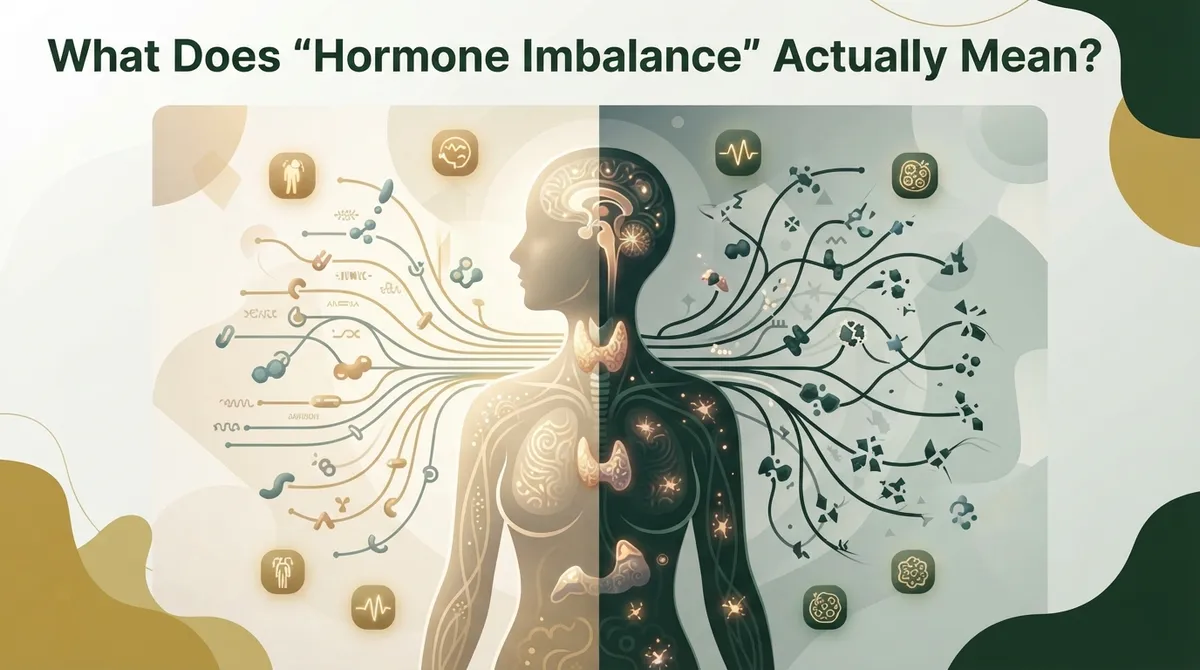
What Does “Hormone Imbalance” Actually Mean?
Here’s something that might surprise you: “hormone imbalance” is not a medical diagnosis on its own. It’s more like an umbrella term that describes a collection of symptoms that could come from many different sources. Think of it like the word “pain.” Pain can come from a headache, a sprained ankle, or something much more serious. The word alone doesn’t tell you what to do next.
Common symptoms people associate with hormone imbalance include:
- Ongoing fatigue that doesn’t improve with rest
- Unexplained weight gain or trouble losing weight
- Irregular or missed periods
- Lower interest in intimacy
- Mood swings, anxiety, or irritability
- Adult acne or skin changes
- Poor sleep or waking up tired
These symptoms can point to thyroid disease, diabetes, menopause, polycystic ovary syndrome (PCOS), adrenal issues, pituitary problems, medication side effects, or something else entirely unrelated to hormones. That’s exactly why a proper evaluation matters so much before starting any treatment, including peptide therapy.

Why Peptide Therapy Isn’t a One-Size-Fits-All Fix
Peptide therapy has become a popular topic in wellness circles, and for good reason. According to what are peptides, these small protein molecules act as messengers in the body, telling cells what to do. Some peptides talk to your growth hormone pathways. Others influence insulin, reproductive hormones, or even mood-related signals like oxytocin.
Because peptides target such specific pathways, there is no single peptide that “fixes” hormone imbalance as a whole. A peptide that supports growth hormone release won’t help with a thyroid problem. A peptide designed for metabolic support won’t fix low testosterone. This is why working with a licensed provider matters so much. Our guide on what peptides really are breaks this down in more detail if you want to dig deeper.
FDA-Approved Peptides vs. Compounded Peptides
It’s important to know the difference between peptides that have gone through full FDA review and those that haven’t. FDA-approved peptides have been tested for safety and effectiveness for specific conditions. Compounded peptides, on the other hand, are prepared by pharmacies and are not individually FDA-approved, though many are used safely under close medical supervision.
| Category | Example | Approved Use |
|---|---|---|
| FDA-Approved Peptide | Semaglutide, Tirzepatide | Type 2 diabetes, chronic weight management |
| FDA-Approved Peptide | Tesamorelin | HIV-associated lipodystrophy |
| FDA-Approved Peptide | Lonapegsomatropin | Diagnosed growth hormone deficiency |
| FDA-Approved Peptide | Bremelanotide | Hypoactive sexual desire disorder (premenopausal women) |
| Compounded Peptide | BPC-157, CJC-1295, Ipamorelin | Used off-label under provider supervision |
In 2025, the FDA approved 46 novel drugs, and only a handful were peptide-related, largely for specific diseases like hemophilia and rare metabolic disorders, not for a general diagnosis of hormone imbalance. This tells us something important: peptides are powerful tools for specific jobs, not magic wands for vague symptoms.
How a Real Hormone Evaluation Should Work
A trustworthy hormone imbalance treatment plan never starts with a peptide. It starts with a conversation and some careful detective work. Here’s what that process typically looks like:
- Medical history review: Your provider asks about your symptoms, lifestyle, medications, and supplements.
- Physical examination: A basic check helps rule out obvious causes and guides which labs to order.
- Targeted lab testing: Blood work through a trusted lab like LabCorp checks specific hormones and markers based on your symptoms, not just a random panel.
- Confirmation testing: If something looks off, your provider may repeat the test or run a confirmatory test before making a diagnosis.
- Personalized treatment plan: Once the cause is clear, treatment is matched to the actual diagnosis, whether that’s thyroid support, reproductive hormone therapy, or a targeted peptide protocol.
- Ongoing monitoring: Labs and symptoms are tracked over time, with adjustments made as needed.
This is exactly how our team at Allura Longevity approaches new clients. Everything begins with a simple $50 virtual consultation and LabCorp blood work, so your six-month treatment plan is built around your real numbers, not guesswork. If you want to understand this process step by step, check out our resource on how to start peptide therapy safely.
Matching Treatment to the Real Cause
Once your provider knows what’s actually happening in your body, treatment can be targeted and effective. Here’s how different underlying causes are typically approached:
Thyroid-Related Imbalances
Thyroid conditions are treated with thyroid-specific medications, not peptides. If your fatigue and weight changes trace back to your thyroid, your plan will look completely different from someone with low testosterone.
Menopause and Perimenopause Symptoms
Hot flashes, mood changes, and sleep trouble during menopause often respond well to hormone therapy designed specifically for this transition. Peptides may support energy and recovery alongside this care, but they aren’t a replacement for it. Our article on menopause hormone imbalance facts covers this in more depth.
Low Testosterone in Men
Confirmed low testosterone is usually treated with testosterone replacement therapy, sometimes paired with supportive peptides for energy and recovery. You can learn more in our guide on peptides for men.
Metabolic and Weight-Related Concerns
GLP-1 medications like semaglutide and tirzepatide work on insulin and appetite hormone pathways. These are FDA-approved for diabetes and weight management and are considered a legitimate form of hormone-related peptide therapy. Learn more about this approach in our piece on understanding GLP-1 peptide therapy.
Primary Adrenal Insufficiency
This serious condition requires glucocorticoid replacement, and sometimes mineralocorticoid replacement, based on ACTH testing and stimulation tests. This is not something an unapproved wellness peptide should ever be used for.
Where Peptides Genuinely Help
We don’t want you to think peptides are useless here. Far from it. When matched correctly to your goals and lab results, peptides can genuinely support your wellness journey. Popular options our clients ask about include:
- Peptides that support energy and mental clarity
- Peptides that aid muscle recovery and lean body composition
- GLP-1 therapy for sustainable weight loss
- BPC-157 for injury recovery and tissue repair
- Peptides that support sexual wellness and libido
- Peptides that support skin health and collagen production
If you’re curious about fat loss specifically, our article on peptides for fat loss that really work offers a deeper dive. And if energy is your main concern, our guide on picking peptides for energy is a great next read.
Red Flags to Watch For
Not every clinic offering “hormone balancing” peptides is being upfront with you. Here are warning signs worth knowing:
- Promises to “reverse aging” or “cure fatigue” with one product
- No blood work required before starting treatment
- Vague answers about whether a peptide is FDA-approved or compounded
- No licensed medical provider involved in your care
- Pressure to buy large packages before you’ve had any lab results reviewed
The FDA has specifically flagged concerns about compounded products like GHRP-2, citing risks of impurities and immune reactions. This doesn’t mean compounded peptides are automatically unsafe, but it does mean sourcing and oversight matter enormously. Reputable clinics are always transparent about this distinction, as explained in our article comparing FDA-approved versus compounded peptides.
Comparing Treatment Approaches at a Glance
| Approach | Best For | Requires Testing? | Evidence Level |
|---|---|---|---|
| Condition-specific hormone therapy | Diagnosed thyroid, menopause, adrenal disease | Yes | Strong, established |
| GLP-1 peptide therapy | Type 2 diabetes, chronic weight management | Yes | Strong, FDA-approved |
| Growth hormone secretagogues | Energy, recovery, body composition support | Yes, recommended | Varies, monitor closely |
| Unregulated “anti-aging” peptide blends | Marketed broadly, not condition-specific | Often skipped | Limited or lacking |
Why Telehealth Makes This Easier
Busy schedules shouldn’t stand between you and getting real answers about your health. Telehealth care lets you get evaluated, tested, and treated without taking a half-day off work for appointments. At Allura Longevity, your entire journey happens from your couch: consultation, blood work orders, treatment plans, and home delivery of your peptides.
This approach works especially well for busy professionals and anyone juggling family, work, and personal goals. If you’re wondering how telehealth compares to visiting a local clinic in person, our comparison on local clinic versus telehealth peptide therapy answers that question clearly.
What to Expect From Your First Six Months
Once your lab work comes back and your provider builds your plan, here’s a general timeline of what many clients experience:
- Weeks 1-2: Peptides arrive at your home with clear instructions for at-home administration.
- Weeks 3-6: Many people notice early changes in sleep, energy, or mood.
- Months 2-3: Follow-up check-ins help your provider fine-tune dosing.
- Months 4-6: Repeat labs confirm whether your plan is working as intended.
- Ongoing: Adjustments continue based on your goals and how your body responds.
Research published through the National Library of Medicine supports the idea that individualized, monitored treatment produces better outcomes than one-size-fits-all protocols. This is exactly why ongoing monitoring is built into every Allura Longevity plan.
Questions to Ask Before Starting Any Program
Before committing to any hormone imbalance treatment, ask these questions:
- What specific lab tests will you run, and why?
- Is this peptide FDA-approved or compounded, and where does it come from?
- Who is the licensed provider overseeing my care?
- How often will my labs and symptoms be reviewed?
- What results are realistic, and in what timeframe?
A trustworthy provider will welcome these questions. If a clinic seems annoyed or dodges them, that’s a sign to look elsewhere.
Why Allura Longevity Takes This Seriously
Led by Ashley, a board-certified Family Nurse Practitioner, our team at Allura Longevity believes real results come from real data, not guesswork or trendy marketing claims. Every client starts with blood work through LabCorp, so your treatment plan reflects your actual hormone levels and health goals. We serve clients across Florida, Georgia, Texas, Connecticut, Indiana, Maryland, New York, and California, all through convenient, nationwide telehealth care.
We keep our client numbers manageable each month so every person gets the attention they deserve. That means spots fill up, so if you’ve been curious about whether peptide therapy fits your situation, now is a great time to reach out.
Bringing It All Together
Hormone imbalance is real, and your symptoms deserve to be taken seriously. But the path forward isn’t one mystery peptide or one trendy supplement. It’s proper testing, an accurate diagnosis, and a treatment plan built specifically around you. Whether that means condition-specific hormone therapy, a targeted peptide protocol, or a combination of both, the goal is always the same: helping you feel like yourself again, safely and sustainably.
You don’t have to figure this out alone. Our licensed providers are ready to review your symptoms, order the right labs, and build a plan that actually makes sense for your body. Ready to get real answers instead of guesses? Request a consultation today and take the first step toward feeling like yourself again. You can also call us directly at (813) 510-6277 to ask any questions before you begin.
FAQs
Q: Can peptide therapy treat hormone imbalance?
A: It depends on what’s actually causing your symptoms! Some peptides, like GLP-1 medications, are FDA-approved for specific hormone-related conditions such as diabetes. But peptides aren’t a universal fix for every type of hormone imbalance, which is why proper testing comes first.
Q: What tests are needed before starting peptide therapy?
A: Your provider will typically order targeted blood work based on your symptoms, not just a broad panel. At Allura Longevity, this happens through LabCorp so your plan is built around your real numbers, not guesswork.
Q: What’s the difference between FDA-approved and compounded peptides?
A: FDA-approved peptides have gone through rigorous testing for specific conditions, while compounded peptides are prepared by pharmacies without individual FDA approval. Both can play a role in care, but it’s important to know which one you’re using and why.
Q: Are GLP-1 medications considered hormone therapy?
A: Yes! GLP-1 medications like semaglutide work on hormone pathways related to insulin and appetite. They’re FDA-approved for diabetes and weight management, making them one of the clearest examples of peptide-based hormone treatment.
Q: How long does it take to see results from hormone imbalance treatment?
A: Many people notice early changes in energy or sleep within a few weeks, but full results usually take three to six months. That’s why ongoing monitoring and repeat labs are such an important part of any good plan.





