

Key Takeaways
-
Peptide therapy results depend critically on using the right peptide type, correct dosing, appropriate health baseline, and licensed medical supervision—not all peptides are created equal or have equal evidence.
-
Skip blood work before starting peptide therapy and you're flying blind; baseline testing reveals hormone imbalances, flags safety concerns, determines right dosage, and prevents wasted money on wrong peptides.
-
FDA-approved peptides like GLP-1 medications have strong clinical evidence for weight loss and metabolic health, while popular wellness peptides like BPC-157 and TB-500 show promising lab results but lack robust human trial data.
-
Most peptide therapy results take 2-6 months of consistent use to become apparent, not weeks; expect mild changes weeks 1-2, recovery improvements weeks 3-6, and noticeable benefits by months 2-3.
-
Unregulated or DIY peptide products carry unknown contamination and dosing risks with unstudied long-term effects; medical supervision ensures safety, proper dosing, and combination strategies tailored to your biology.
-
For skin anti-aging, peptides showed modest but real improvements in wrinkle reduction and hydration across 19 trials, but elasticity benefits were inconsistent—they work better paired with realistic expectations and personalized plans.
So you’re asking, “does peptide therapy work?” You’re not alone. It’s one of the most common questions we hear from people curious about this treatment. And here’s the honest truth: peptide therapy can work really well, but only when it’s used the right way. The problem is that most people never find out because they make small, avoidable mistakes along the way.
Whether you’re chasing better sleep, faster recovery, weight loss, or that healthy glow everyone keeps asking you about, the science behind peptides is real. But results depend heavily on which peptide you use, your dose, your health background, and whether a licensed provider is guiding you. Let’s walk through the nine biggest mistakes that mess up results, so you can avoid them and actually see what peptide therapy can do for you.
Mistake 1: Assuming All Peptides Are Created Equal
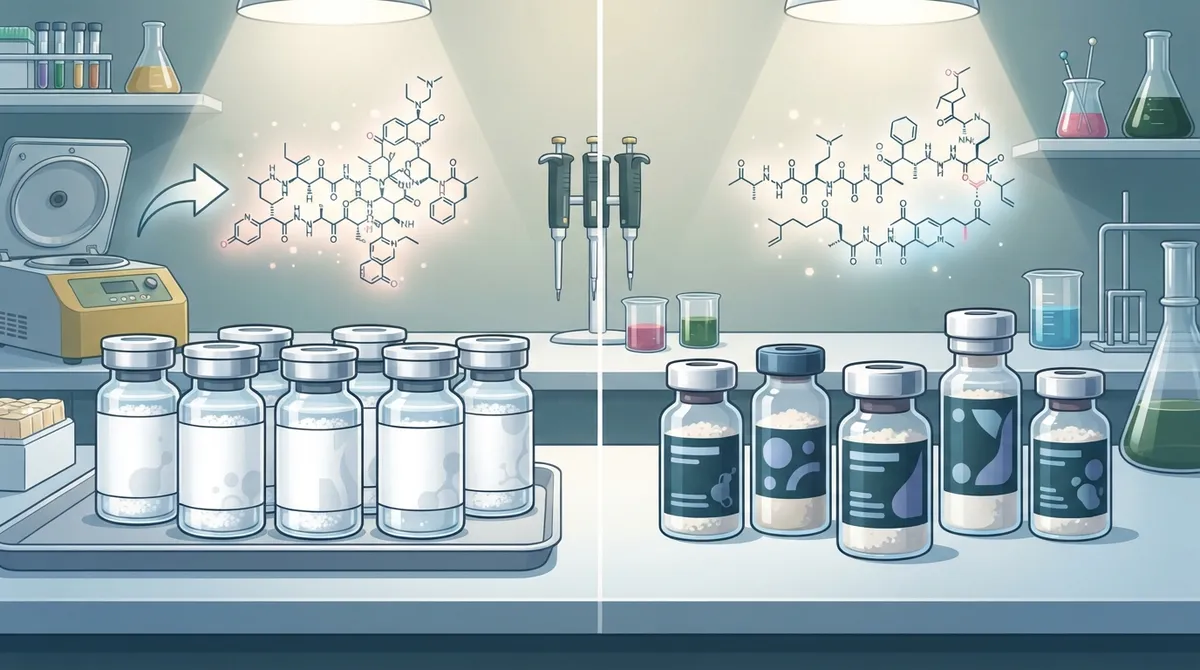
This is the biggest misunderstanding out there. Peptides are not one single thing. They’re a huge family of molecules, and each one behaves differently in your body. Some are FDA-approved medications with strong clinical trial data. Others are still being studied and don’t have the same level of proof yet.
Insulin and GLP-1 medications are great examples of peptides backed by decades of solid research. They work, and we know exactly how and why. But newer wellness peptides used for recovery or anti-aging often don’t have the same depth of human trials yet, even though early results look promising. If you want a deeper breakdown of these differences, check out this guide on what peptides actually are and how they’re classified.
Why This Mistake Hurts Your Results
When people expect every peptide to work the same magic, they often get disappointed. Understanding the type of peptide you’re using helps set realistic expectations from day one.
Mistake 2: Skipping Blood Work Before Starting
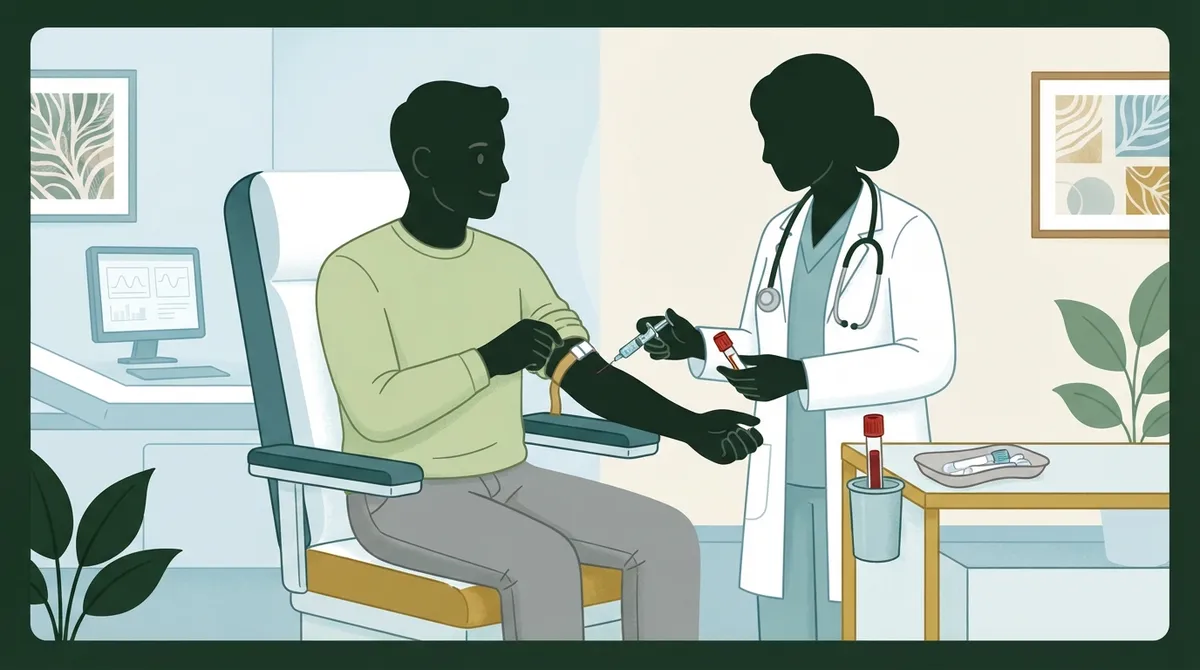
Peptide therapy isn’t a guessing game. It should be based on your actual biology, not a trend you saw online. Skipping blood work is like trying to fix your car without popping the hood first.
At Allura Longevity, every client starts with a simple $50 virtual consultation, followed by blood work through LabCorp. This step matters because your hormone levels, metabolic markers, and overall health picture determine which peptides make sense for you. Providers can then build a truly personalized plan instead of a one-size-fits-all approach.
- Blood work reveals hormone imbalances that peptides might help correct
- It flags any safety concerns before you start treatment
- It gives your provider a baseline to track your progress
- It helps determine the right dose for your body
- It prevents wasted time and money on the wrong peptide
Mistake 3: Choosing Peptides Without Medical Guidance
It’s tempting to buy peptides online and experiment on your own. But this is where things get risky. Unregulated products may contain contaminants, incorrect dosing, or ingredients that don’t match the label at all.
According to a safety review published in the National Library of Medicine, peptide therapeutics generally show a favorable safety profile when used within defined medical regimens. The keyword there is “defined.” Working with a licensed provider means your dosing, timing, and combination of peptides are chosen with your safety in mind.
The Real Cost of DIY Peptide Use
Long-term effects of unregulated peptides are simply not well studied. You could be taking on risks without even realizing it. That’s why medical supervision isn’t just a nice bonus, it’s essential.
Mistake 4: Expecting Instant Results
Peptide therapy is not a magic switch. Most people need consistent use over weeks or months before they notice real changes. Muscle recovery, better sleep, and metabolic shifts take time to build.
Here’s a general timeline many clients experience, though individual results vary based on health status and goals:
- Weeks 1 to 2: Body begins adjusting, some notice mild energy shifts
- Weeks 3 to 6: Sleep quality and recovery often start improving
- Months 2 to 3: Noticeable changes in energy, weight, or skin appearance
- Months 4 to 6: Full benefits typically become clear with consistent use
- Ongoing: Maintenance and provider adjustments keep progress steady
If you’re curious about how this plays out for real clients, this article on when peptide therapy results actually show up breaks it down further.
Mistake 5: Ignoring the Difference Between Approved and Experimental Peptides
This mix-up causes a lot of confusion. FDA-approved peptide medications, like certain GLP-1 drugs, have gone through rigorous clinical trials. Other peptides, like BPC-157 or TB-500, are popular in wellness and recovery circles but still lack strong human trial data.
| Category | Example Peptides | Evidence Level |
|---|---|---|
| FDA-Approved Medical Use | Insulin, GLP-1 medications | Strong human clinical trial data |
| Recovery & Wellness | BPC-157, TB-500 | Promising preclinical, limited human data |
| Growth Hormone Peptides | CJC-1295, GHRP combinations | Emerging research, dosing not standardized |
| Skin & Anti-Aging | Oral & topical polypeptides | Modest benefits shown in 2026 review |
Orthopedic and sports medicine reviews note that peptides like BPC-157 and TB-500 look encouraging in lab studies, but human evidence isn’t strong enough yet for confident clinical claims. That doesn’t mean they’re useless, it just means expectations should be realistic. You can read more in this deep dive on TB-500 peptide facts for 2026.
Mistake 6: Overlooking Skin and Anti-Aging Evidence
A lot of people wonder, does peptide therapy work for wrinkles and skin tightening? The answer is nuanced. A 2026 systematic review looked at 19 randomized controlled trials involving 1,341 participants studying oral and topical peptides for skin aging.
The results showed a modest pooled effect on wrinkle reduction, with the benefit largely driven by oral polypeptides. Hydration and brightness improved in many cases, but effects on skin elasticity and density were inconsistent across studies. So yes, there’s real benefit here, just not a miracle cure.
Setting Realistic Skin Goals
If skin rejuvenation is your goal, pairing peptide therapy with a personalized plan based on your blood work gives you the best shot at visible improvement. For guidance on choosing the right approach, this resource on picking the best peptides for aging is worth a read.
Mistake 7: Not Considering Weight Loss Peptides Properly
Weight loss is one of the top reasons people explore peptide therapy. And here, the evidence is genuinely strong for GLP-1 medications. These peptides have solid clinical backing for helping regulate appetite and metabolism.
Here are some factors that influence how well weight loss peptides work for you:
- Your baseline metabolic health and blood work results
- Consistency with dosing schedules set by your provider
- Lifestyle factors like diet and physical activity
- Whether you’re using an FDA-approved GLP-1 medication
- Ongoing monitoring and dose adjustments over time
To learn more about which options are worth considering, this article on which weight loss peptides actually work in 2026 is a great next step. You might also enjoy this list of peptides for fat loss that really work.
Mistake 8: Underestimating Safety Considerations
Peptide therapy has a generally favorable safety profile, but that doesn’t mean every product on the market is safe. Compounded or unregulated peptides carry more risk because contaminants and immune reactions aren’t well studied.
Here’s a quick checklist to keep your peptide journey safe:
- Only use peptides prescribed by a licensed medical provider
- Get blood work done before and during treatment
- Ask your provider about known side effects
- Source peptides from reputable, regulated pharmacies
- Report any unusual symptoms right away
For a full breakdown of safety concerns, this guide on whether peptide therapy is actually safe covers everything you need to know.
Mistake 9: Going It Alone Instead of Working With Licensed Providers
This might be the most important mistake of all. Peptide therapy works best as part of a personalized, medically supervised plan. Trying to navigate dosing, timing, and peptide selection on your own often leads to disappointing results or unnecessary risks.
At Allura Longevity, licensed providers led by Ashley, a board-certified Family Nurse Practitioner, design custom six-month treatment plans based on your unique blood work and goals. Peptides are shipped straight to your door, and you get ongoing monitoring to make sure your plan is actually working for you. This telehealth model, available nationwide across states like Florida, Georgia, Texas, Connecticut, Indiana, Maryland, New York, and California, makes personalized care accessible without needing to visit a clinic in person.
If you’re weighing your options, this comparison of local clinics versus telehealth for peptide therapy can help you decide what fits your lifestyle best.
What the Research Really Says About Peptide Therapy
Let’s zoom out for a second. According to research summarized by the what are peptides overview, peptides are short chains of amino acids that act as messengers in your body. Some peptide-based drugs have transformed how we treat diabetes and obesity. Others are still emerging, with encouraging but incomplete evidence.
Here’s a simple summary of where the science currently stands:
| Use Case | Current Evidence Strength | Best Path Forward |
|---|---|---|
| Diabetes & Metabolic Health | Strong, FDA-approved | Medically supervised GLP-1 therapy |
| Weight Loss | Strong for approved medications | Personalized dosing with monitoring |
| Muscle Recovery & Injury | Promising, limited human data | Use under provider guidance |
| Skin & Anti-Aging | Modest, inconsistent | Combine with realistic expectations |
The bottom line is that does peptide therapy work depends entirely on the peptide, your health situation, and how the treatment is managed. If you want to explore muscle-focused options, check out this resource on peptides for muscle gain worth knowing or this guide on starting peptide therapy safely.
Bringing It All Together
Peptide therapy really can work, and for many people it becomes a genuine game changer for energy, recovery, weight management, and overall vitality. But the mistakes above show why results vary so much from person to person. Skipping blood work, ignoring medical guidance, or expecting overnight miracles will almost always lead to frustration.
The good news is that avoiding these mistakes is completely within your control. Start with proper testing, work with licensed providers, choose peptides backed by real evidence, and give your body time to respond. That’s the formula that actually leads to results worth talking about.
Ready to see what a personalized plan could do for you? Request a consultation with Allura Longevity today, and let our licensed providers build a peptide therapy plan around your unique blood work and goals. Spots are limited each month, so don’t wait to start your journey toward better energy, recovery, and vitality.
FAQs
Q: Does peptide therapy actually work for weight loss?
A: Yes, especially with FDA-approved GLP-1 medications, which have strong clinical evidence behind them. Results depend on your blood work, consistency, and having a licensed provider adjust your plan along the way. That’s exactly the kind of personalized approach we love helping clients with!
Q: What peptide therapies are FDA approved?
A: Insulin and certain GLP-1 medications are among the well-established, FDA-approved peptide treatments with decades of research behind them. Many other popular wellness peptides are still being studied, so it’s smart to know the difference before starting treatment.
Q: Are peptide injections safe?
A: Generally, yes, when they’re prescribed and monitored by a licensed medical provider. The bigger safety concerns come from unregulated or compounded products, which is why working with a trusted telehealth provider matters so much.
Q: Do peptides help with muscle recovery or injury healing?
A: Some peptides like BPC-157 show promising results in early studies, but human clinical evidence is still limited. They may be a helpful part of a recovery plan, just go in with realistic expectations and medical guidance.
Q: How long does peptide therapy take to work?
A: Most people start noticing small changes within a few weeks, with fuller benefits building over two to six months. Patience and consistency really do pay off here, so hang in there and trust the process!





