
Key Takeaways
-
TRT only works for muscle growth in men with clinically diagnosed low testosterone (hypogonadism) confirmed by repeated morning fasting blood tests and matching symptoms; it's not a muscle-building tool for men with normal testosterone levels.
-
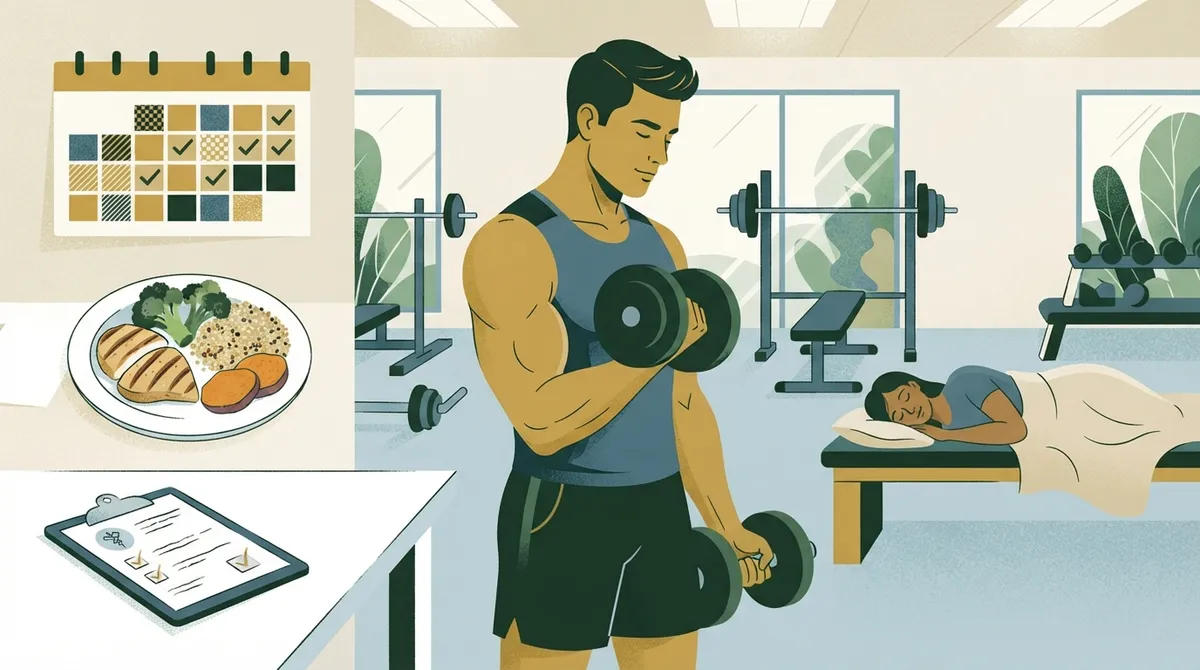
Muscle growth from TRT requires consistent resistance training 3-4 times weekly, adequate protein intake, 7-9 hours of sleep, and treatment adherence; TRT alone won't build muscle without these lifestyle factors working together.
-
Supraphysiologic doses (bodybuilding-level testosterone) increase side effect risks without adding meaningful muscle benefits; medical TRT aims to restore normal hormone levels, not push them far beyond natural production.
-
Ongoing medical monitoring every 3-6 months is essential for safety, including testosterone levels, hematocrit counts, PSA screening, and blood pressure checks; TRT is not a one-time treatment but requires continuous provider oversight.
-
TRT may temporarily suppress sperm production affecting fertility, increase red blood cells, cause acne or fluid retention, and worsen sleep apnea; discuss family planning goals with your provider before starting treatment.
-
Telehealth providers can deliver personalized TRT care through remote consultations and local lab work, making treatment accessible for busy men; proper diagnosis and supervised dosing through licensed providers is critical for safe outcomes.
If you’ve been searching for ways to build more muscle, you’ve probably heard people talk about TRT for muscle growth. Maybe a friend at the gym mentioned it, or you stumbled across it late at night while scrolling through fitness forums. Here’s the truth: testosterone replacement therapy can absolutely help you build lean muscle and feel stronger, but only if you actually need it in the first place. Let’s break down what that means for you, in plain language, so you can make a smart and safe decision about your health.
At Allura Longevity, we believe you deserve real answers, not hype. Testosterone is powerful stuff, but it’s not a magic muscle potion for every man who wants bigger arms. It’s a medical treatment for men with clinically low testosterone, and it works best when it’s part of a bigger, well-thought-out plan. Grab a coffee and let’s walk through this together, step by step.
What TRT Actually Is (And What It Isn’t)
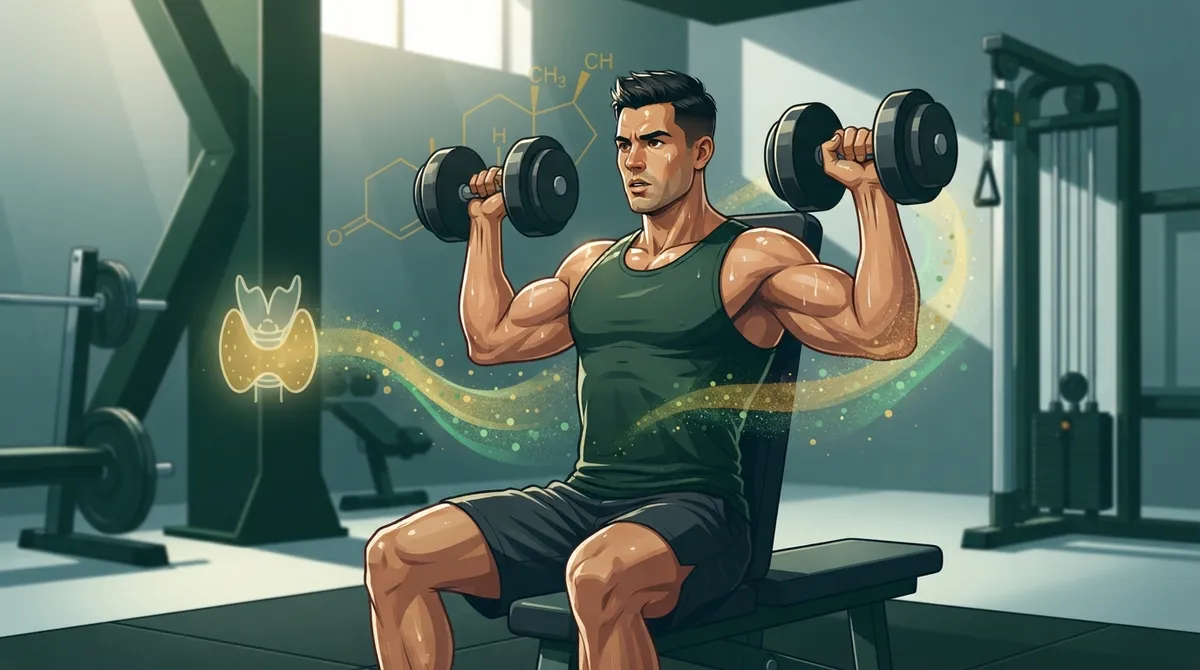
Testosterone replacement therapy, or TRT, is a prescription treatment. It’s designed to restore testosterone levels in men whose bodies aren’t making enough on their own. This condition is called hypogonadism, and it’s diagnosed through blood work, not guesswork.
TRT is not the same thing as what are peptides, even though people often lump them together. Testosterone is a steroid hormone. Peptides are short chains of amino acids that work in different ways in the body. Some peptides support muscle recovery or growth hormone production, but they have their own separate evidence base and safety profile. If you’re curious about the difference, our guide on how to compare peptide therapy vs testosterone replacement breaks it down nicely.
Who Actually Qualifies for TRT?
This is the part a lot of people skip over, and it’s the most important part. TRT isn’t for every guy who wants to look better at the beach. According to Endocrine Society guidelines, a real diagnosis requires two things working together.
- Symptoms that match low testosterone, like fatigue, low sex drive, or trouble building muscle
- Blood tests showing consistently and clearly low testosterone levels
- A repeat morning fasting blood draw to confirm the first result
- A review of what might be causing the low levels in the first place
Doctors also look for root causes before jumping to treatment. These can include pituitary problems, testicular issues, certain medications, obesity, or chronic illness. Skipping this step is like patching a leaky roof without checking why it’s leaking.
Can TRT Really Help You Build Muscle?
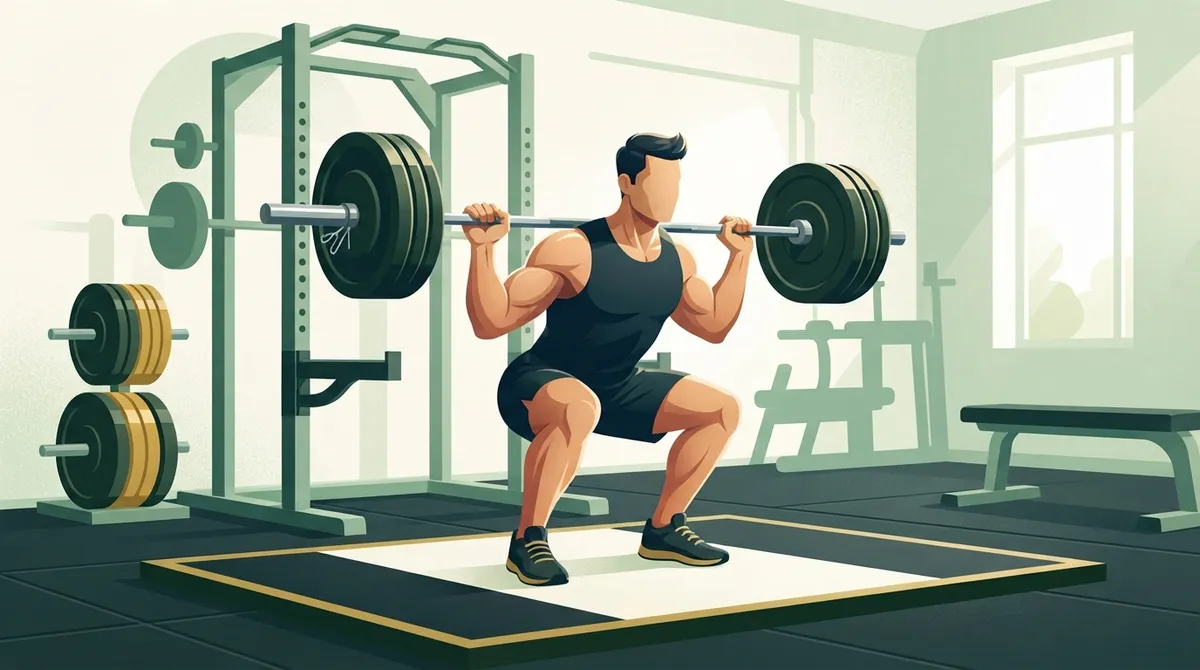
Here’s the good news for men who are properly diagnosed. Research backed by the Endocrine Society shows that TRT can increase lean body mass and improve muscle strength in men with true testosterone deficiency. The effects tend to be stronger when testosterone was clearly low to begin with, and treatment brings levels back into the normal range.
But here’s the catch. Muscle growth from TRT is not automatic. It depends on several other factors working together, just like an orchestra needs every instrument to play its part.
- Consistent resistance training several times per week
- Adequate protein intake and overall nutrition
- Quality sleep, since your body repairs muscle while you rest
- Your baseline hormone levels before starting treatment
- Age and any existing health conditions
- Sticking with your treatment plan consistently over time
Think of TRT as fixing a car engine that isn’t firing on all cylinders. Once it’s running properly, you still need to actually drive it, fuel it, and maintain it to go anywhere.
Why Higher Doses Are Not the Answer
Some people assume more testosterone means more muscle. This is where things get risky. TRT should never be used at bodybuilding-level or supraphysiologic doses. Medical treatment aims to restore normal levels, not push them far beyond what your body naturally produces.
Pushing doses too high increases your risk of side effects without adding meaningful benefit. It’s a bit like adding too much yeast to bread dough. A little helps it rise nicely. Too much and the whole thing collapses.
TRT vs Peptide Therapy: What’s the Real Difference?
This question comes up constantly, and it’s a great one. Testosterone and peptides are not interchangeable, even though both are sometimes discussed in muscle-building conversations.
| Feature | TRT | Peptide Therapy |
|---|---|---|
| What it is | Steroid hormone replacement | Short amino acid chains with targeted actions |
| Main goal | Correct diagnosed testosterone deficiency | Support recovery, metabolism, energy, or growth hormone release |
| Who it’s for | Men with confirmed hypogonadism | Broader range of wellness and recovery goals |
| Fertility impact | Can suppress sperm production | Varies by peptide, generally different mechanism |
| Monitoring needed | Bloodwork, hematocrit, PSA in some cases | Bloodwork and symptom tracking, varies by protocol |
Curious about specific options? Our article on 14 peptides for muscle gain worth knowing covers some popular choices that work alongside good nutrition and training.
What Testing Looks Like Before Starting TRT
You wouldn’t build a house without checking the foundation first. The same logic applies here. Before anyone starts TRT, proper testing is essential.
- Morning fasting total testosterone measurement, repeated for confirmation
- Complete blood count, including hematocrit levels
- Review of symptoms and medical history
- Screening for underlying causes of low testosterone
- Prostate-specific antigen testing for men who choose screening
- Blood pressure check
At Allura Longevity, this process starts with a simple $50 virtual consultation and blood work through LabCorp. From there, our licensed providers, led by board-certified Family Nurse Practitioner Ashley, build a personalized six-month plan based on your actual results, not assumptions. If you want to learn more about getting started safely, check out our guide on how to start testosterone cypionate therapy safely.
Ongoing Monitoring Matters Just as Much
Starting TRT isn’t a one-and-done deal. It’s an ongoing relationship between you and your provider. The Endocrine Society recommends specific check-in points to keep you safe and on track.
- Check testosterone levels 3 to 6 months after starting treatment
- Measure hematocrit at baseline, then again at 3 to 6 months
- Continue checking hematocrit at least once every year
- Reassess symptoms and side effects between 3 and 12 months
- Repeat PSA testing around 3 to 12 months for men who screen
- Schedule annual follow-ups going forward
This kind of consistent monitoring is exactly why working with a licensed medical provider matters so much. It’s not something to attempt on your own with products from unregulated sources.
Understanding the Risks and Side Effects
No treatment is without tradeoffs, and TRT is no exception. Being upfront about risks helps you make an informed choice rather than a rushed one.
- Suppressed sperm production, which affects fertility plans
- Increased red blood cell counts, known as erythrocytosis
- Acne or oily skin in some men
- Fluid retention or mild swelling
- Worsening sleep apnea in men who already have it
- Breast tissue changes, called gynecomastia
- Urinary symptoms related to prostate size
There’s also encouraging news on the cardiovascular front. A large study called TRAVERSE followed more than 5,200 men with hypogonadism and heart disease risk factors. Major heart-related events occurred in 7.0% of men on testosterone therapy, compared to 7.3% on placebo, according to National Library of Medicine research summaries. Because of these findings, the FDA updated testosterone labeling in early 2025, removing the older boxed warning about heart risk while adding stronger language about blood pressure increases.
Men who are trying to conceive in the near future should have an honest conversation with their provider before starting TRT, since it can reduce fertility temporarily.
Why Working With a Telehealth Provider Makes This Easier
Juggling a busy career, family life, and workouts doesn’t leave much room for extra doctor visits. That’s exactly why telehealth has become such a popular option for men pursuing TRT and peptide therapy together.
Allura Longevity was built with busy people in mind. You complete labs locally through LabCorp, meet with a licensed provider virtually, and receive your personalized treatment plan delivered straight to your door. No waiting rooms, no scheduling headaches, just straightforward care that fits your life.
We currently serve clients in Florida, Georgia, Texas, Connecticut, Indiana, Maryland, New York, and California. If you’ve been wondering whether telehealth care can really replace an in-person visit, our comparison on local clinic vs telehealth for peptide therapy answers that question in detail.
Building a Complete Muscle Growth Strategy
TRT works best as one piece of a larger puzzle, not a standalone fix. Here’s a simple approach that tends to work well for men focused on lean muscle and long-term vitality.
- Get proper bloodwork to confirm if TRT is actually appropriate for you
- Work with a licensed provider to create a personalized dosing plan
- Add resistance training at least three to four times per week
- Prioritize protein intake and consistent, balanced meals
- Protect your sleep, aiming for seven to nine hours nightly
- Consider complementary peptide options for recovery and energy
- Stay consistent with follow-up labs and provider check-ins
Some clients also explore peptides alongside TRT to support recovery and overall wellness. Our article on why testosterone injection therapy gets paired with peptides explains how these approaches can complement one another when properly supervised.
Common Myths About TRT and Muscle Growth
Let’s clear up a few misunderstandings that tend to circulate in gyms and online forums.
- Myth: TRT works the same for everyone regardless of starting testosterone levels
- Myth: Higher doses always mean faster muscle growth
- Myth: TRT and peptide therapy are basically the same thing
- Myth: You don’t need bloodwork if you already feel tired and unmotivated
- Myth: Once you start TRT, you never need to be monitored again
Each of these myths can lead someone down a risky path. The truth is far less exciting but much safer: good results come from proper diagnosis, reasonable dosing, and steady lifestyle habits over time.
Bringing It All Together
TRT for muscle growth can be a genuinely helpful tool, but only when it’s used the way it’s meant to be used. That means real testing, a real diagnosis, and a real plan built around your body’s specific needs. It’s not a shortcut, and it’s definitely not something to attempt without medical guidance.
If you’re curious whether TRT, peptide therapy, or a combination approach fits your goals, our team at Allura Longevity is here to help you figure it out with compassion and clarity. We keep spots limited each month so every client gets real attention from our providers. Ready to get personalized answers based on your own bloodwork and goals? Request a consultation today, or give us a call at (813) 510-6277 to speak with our team directly.
FAQs
Q: Can TRT help build muscle if my testosterone is low?
A: Yes, if bloodwork confirms your testosterone is truly low, TRT can help you build lean muscle and get stronger. It works best when paired with resistance training and good nutrition, so think of it as one piece of a bigger puzzle, not a standalone fix.
Q: How low does testosterone need to be before TRT is considered?
A: There’s no single magic number, but doctors look for consistently low levels on a repeat morning fasting blood test, along with symptoms like fatigue or low sex drive. It’s always a combination of your labs and how you actually feel, not just one number on a page.
Q: What is the difference between TRT and peptide therapy?
A: TRT replaces a steroid hormone your body isn’t making enough of, while peptides are short amino acid chains that work through different pathways in the body. They’re not interchangeable, though some people use both under medical supervision for complementary benefits.
Q: Does TRT affect fertility, blood pressure, or prostate health?
A: It can, yes. TRT may temporarily suppress sperm production, so it’s worth a conversation with your provider if you’re planning to grow your family soon. Regular monitoring of blood pressure and prostate health is also part of responsible, ongoing TRT care.
Q: Is TRT safe for men with normal testosterone who want more muscle?
A: Honestly, no, this isn’t how TRT is meant to be used. It’s designed to correct a diagnosed deficiency, not to push already-normal levels higher for extra muscle. If you have normal testosterone, other tools like proper training, nutrition, or peptide therapy are safer places to start.





