

Key Takeaways
-
Neither BPC-157 nor TB-500 has FDA approval; the FDA flagged specific safety concerns about compounded BPC-157 including possible immune reactions, batch contamination risks, and insufficient safety data for injection use.
-
BPC-157 has only three small human pilot studies with no randomized controlled trials, while TB-500 has zero published randomized controlled human trials—most claims online are marketing-based, not scientifically proven.
-
TB-500 sold online is a fragment of thymosin beta-4, not the full protein studied in humans, making existing research on full-length thymosin beta-4 largely inapplicable to injectable TB-500 products.
-
Animal studies cannot reliably predict human outcomes; a 2025 review found 35 of 36 BPC-157 studies were animal-based, making it premature to believe bold online healing claims.
-
Both peptides are WADA-prohibited for athletes and carry unknown long-term effects; medically supervised care with blood work and licensed providers is safer than unregulated online products.
-
No head-to-head clinical trial exists comparing BPC-157 and TB-500 in humans, so claims that one is definitively better are unsupported by current science.
If you’ve spent any time researching recovery peptides, you’ve probably seen these two names pop up again and again. BPC-157 and TB-500 get talked about everywhere from gym locker rooms to biohacker forums, often with big promises about healing tendons, calming inflammation, and speeding up recovery. But how do these two peptides actually compare, and does the science back up the hype?
We’re going to break this down in plain, friendly language. No confusing jargon, no wild claims. Just an honest look at what we know, what we don’t know, and what matters most if you’re considering peptide therapy. Whether you’re a busy professional trying to bounce back faster after workouts, or someone exploring options for healthy aging, this guide is for you.
Before diving into the details, it’s worth understanding what are peptides in the first place, since that foundation makes everything else easier to follow. Let’s get into it.
What Is BPC-157?
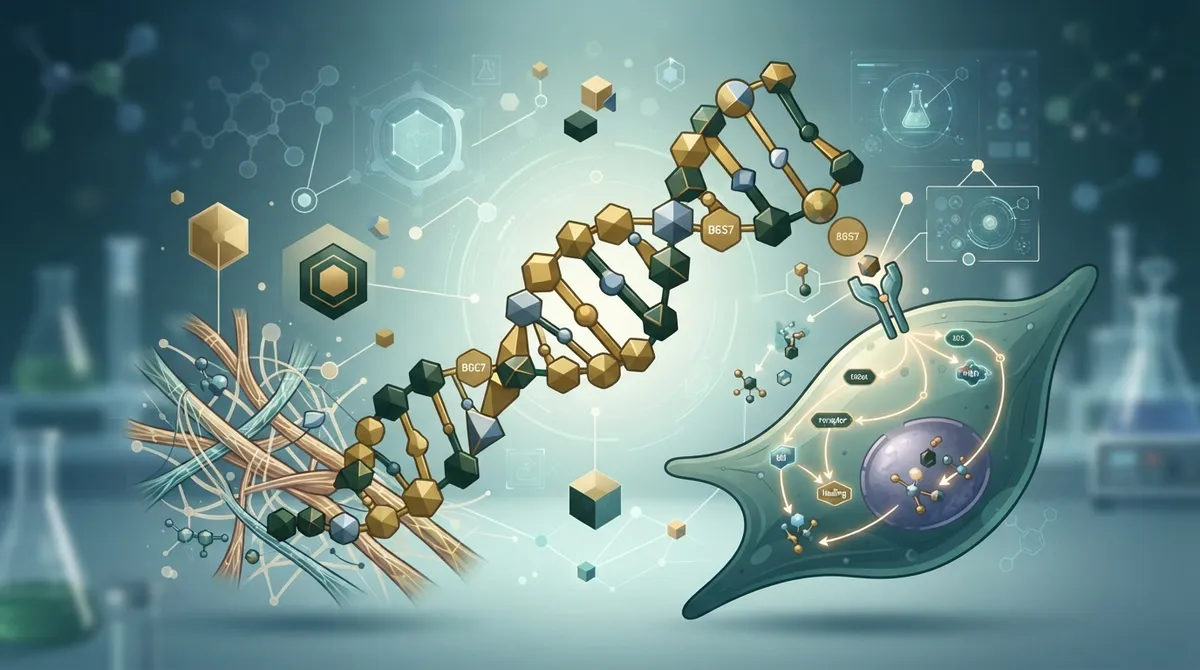
BPC-157 is a lab-made peptide built from 15 amino acids. Scientists originally designed it based on a protective compound found in gastric juice. That’s a fancy way of saying it was inspired by something your stomach naturally makes to protect itself.
Most of the research on BPC-157 comes from animal and lab studies, not large human trials. Researchers have looked at its possible effects on:
- Gastrointestinal tissue and gut lining
- Tendons and ligaments
- Bone healing
- Nerve tissue repair
- Wound healing in general
According to a 2025 review of BPC-157 studies, 35 of 36 qualifying studies were done in animals. Only one qualifying study involved actual human participants. That’s an important detail to keep in mind before believing bold claims online.
What Is TB-500?
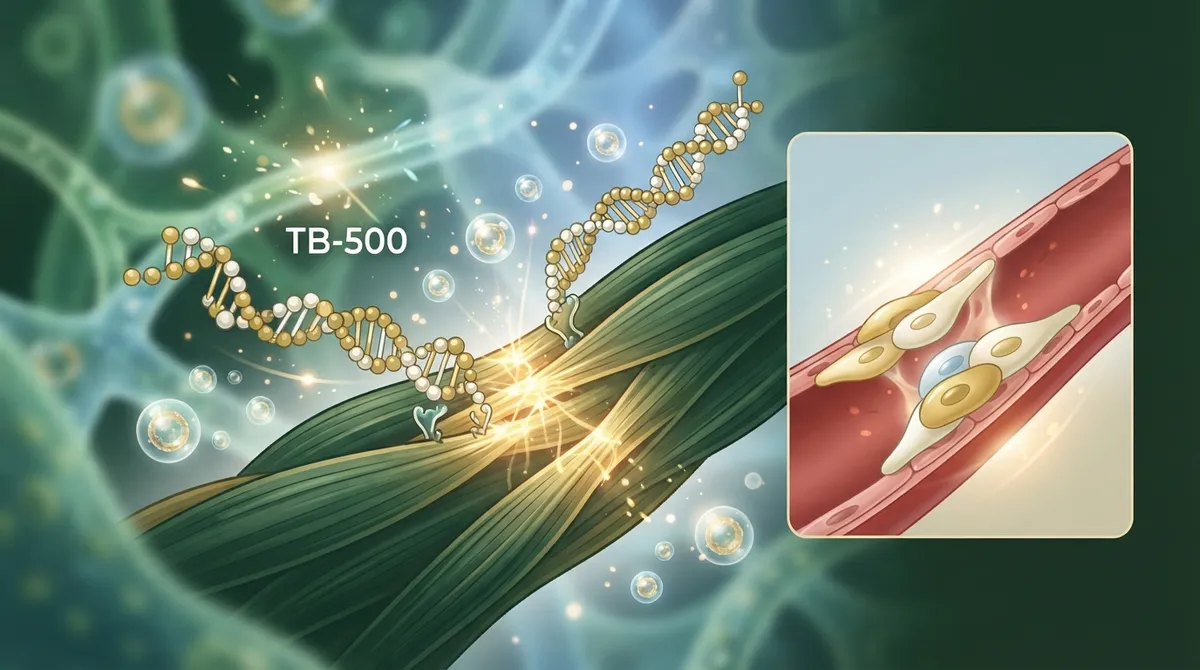
TB-500 usually refers to a small fragment of a larger protein called thymosin beta-4. Specifically, it’s often tied to a sequence called LKKTETQ. This is a key point many people miss: TB-500 is not the exact same thing as full-length thymosin beta-4.
Full-length thymosin beta-4 has actually been studied in some human trials, mostly for topical eye treatments and certain wound applications. But those studies focused on the full protein, not the smaller TB-500 fragment sold online. This distinction matters a lot for safety and effectiveness discussions.
TB-500 is typically marketed around these proposed actions:
- Cell migration to injured areas
- Wound repair support
- Blood vessel formation, known as angiogenesis
- Actin-related cellular processes tied to thymosin beta-4 biology
BPC-157 vs TB-500: Side-by-Side Comparison
Let’s put these two peptides next to each other so you can see the differences clearly.
| Feature | BPC-157 | TB-500 |
|---|---|---|
| Origin | Synthetic sequence based on gastric protective compound | Fragment of thymosin beta-4 protein |
| Primary Research Focus | Gut healing, tendons, ligaments, nerves | Cell migration, wound repair, blood vessel growth |
| Human Studies | Only a few small pilot studies | No published randomized controlled human trials |
| FDA Approval | Not approved | Not approved |
| WADA Status | Prohibited for athletes | Prohibited for athletes |
What Does the Human Research Actually Show?
This is where things get honest. A 2025 narrative review found only three small human pilot studies on BPC-157. These looked at knee pain, interstitial cystitis, and basic safety testing given by IV. None of these were randomized, blinded, or placebo-controlled, which are the gold standards for proving something works.
One of those IV safety studies included just two healthy adults. That’s simply too small a group to tell us anything solid about long-term safety or effectiveness. As the National Library of Medicine notes in related peptide research, small pilot data cannot replace larger, controlled trials.
TB-500 has even less human evidence. According to current evidence reviews, there are no published randomized controlled trials proving injected TB-500 works for muscle repair, tendon healing, heart conditions, or anti-aging goals. Any claims you see about TB-500’s benefits are largely based on marketing, not solid science.
Why Animal Studies Aren’t the Same as Human Proof
Animal studies are a helpful starting point in research. They help scientists understand possible mechanisms. But animal bodies process substances differently than human bodies. A peptide that shows promise in a rat study may behave completely differently in a person.
This is exactly why medical experts caution against assuming animal results will translate directly to humans. It’s a common mistake in the wellness world, and it’s worth avoiding.
Is BPC-157 or TB-500 FDA-Approved?
Here’s a simple, direct answer: neither peptide has FDA approval for human treatment. That’s true no matter where you buy it or how it’s packaged.
The FDA has actually flagged specific concerns about compounded BPC-157. These concerns include:
- Possible immune system reactions to the peptide
- Difficulty confirming what’s actually in each batch
- Impurities that can form during peptide production
- Limited safety data for common routes of use, like injections
The FDA has stated it doesn’t have enough information to determine whether compounded BPC-157 products could cause harm. That’s a strong statement, and it should make anyone pause before trying unregulated products.
Safety Concerns You Should Know
Both peptides come with real safety questions that deserve your attention. Being informed helps you make smarter decisions about your health.
- Injection site reactions are possible with both peptides
- Nonstandard or research-grade products may be contaminated or mislabeled
- Long-term effects on the body are still unknown
- Immune system reactions could occur, especially with repeated use
- Pro-angiogenic activity (blood vessel growth) could carry risks for people with certain health conditions
If you have cancer, are pregnant, manage a chronic illness, or take prescription medications, it’s essential to talk with a qualified provider before considering any experimental peptide. This isn’t about scaring you. It’s about protecting you.
What About Athletes?
Both BPC-157 and TB-500 are on the World Anti-Doping Agency’s list of prohibited substances. If you compete in any sport with drug testing, using either peptide could put your career or eligibility at risk. Always check current rules with your sport’s governing body before making decisions.
BPC-157 vs TB-500: Which One Actually Wins?
Here’s the honest truth: there’s no strong head-to-head clinical trial comparing these two peptides directly in humans. Anyone claiming one is definitively “better” is going beyond what the science currently supports.
That said, here’s how the evidence stacks up:
- BPC-157 has slightly more human pilot data, though it’s still very limited
- TB-500’s human safety data is especially thin, since most human research involves the full thymosin beta-4 protein, not the TB-500 fragment
- Neither peptide has proven, reliable benefits for tendon injuries, arthritis, or gut conditions in well-designed human trials
- Both carry similar regulatory and safety concerns from the FDA’s perspective
If you’re weighing your options, the smartest move is working with a licensed medical provider who understands current peptide research and safety data. This is exactly the kind of guidance you’ll find through 9 BPC-157 Peptide Facts to Know Before You Start, or through a broader look at 13 Facts About TB-500 Peptide You Need in 2026.
Common Marketing Claims vs Reality
It’s easy to get swept up by exciting claims online. Let’s separate marketing language from what’s actually been demonstrated in careful research.
| Marketing Claim | What the Evidence Actually Shows |
|---|---|
| “Heals tendons fast” | Only supported by animal studies, not confirmed in humans |
| “Fixes gut issues” | Limited to lab and animal research on GI protection |
| “Safe for everyday injection” | FDA cites limited safety information for these routes |
| “Proven for muscle recovery” | No randomized controlled human trials support this claim |
How Personalized Peptide Therapy Works Differently
This is exactly why working with a licensed telehealth provider matters so much. At Allura Longevity, treatment plans are built around your actual blood work, not guesswork or trending peptides you saw online. Every plan is designed by licensed medical providers who consider your unique health history and goals.
Here’s what a thoughtful, medically supervised approach typically looks like:
- A virtual consultation to discuss your goals and health history
- Comprehensive blood work through a trusted lab like LabCorp
- A customized treatment plan tailored to your results
- Peptides shipped directly to your home for convenient use
- Ongoing monitoring and adjustments from licensed providers
This kind of structured, medically guided process is very different from buying unregulated research chemicals online. If you want to understand the bigger picture of safe use, take a look at How to Start Peptide Therapy Safely and See Real Results.
Exploring Options Beyond BPC-157 and TB-500
Recovery peptides are just one piece of the puzzle. Many clients also explore options tied to metabolism, energy, and healthy aging. If muscle recovery is your main goal, you might find 14 Peptides for Muscle Gain Worth Knowing (2026) helpful. And for those focused on wound healing specifically, 6 Peptides for Wound Healing Worth Knowing in 2026 offers useful context.
Questions to Ask Before Trying Either Peptide
Before jumping into any peptide protocol, it helps to ask yourself a few honest questions. This keeps you grounded and protects your long-term health.
- Has this peptide been studied in real human trials, or just animals?
- Is the source I’m considering licensed and regulated?
- Does my provider review my full blood work before recommending treatment?
- Am I comfortable with the current gaps in safety data?
- Do I have any health conditions that could increase my risk?
Taking time to answer these honestly can save you from wasted money and unnecessary risk. It also helps you feel more confident in whatever path you choose.
The Bottom Line on BPC-157 vs TB-500
Both peptides are interesting from a research standpoint, but neither has strong human clinical evidence behind it yet. BPC-157 has a slightly larger, though still very limited, body of human pilot data. TB-500 relies heavily on research about a different, full-length protein that may not apply to the injectable fragment sold online.
Neither is FDA-approved. Neither has proven, reliable results for the conditions they’re commonly marketed for. And both come with real safety questions that deserve serious consideration before use.
If you’re serious about recovery, energy, and long-term vitality, the smartest path forward is personalized, medically supervised care. That means real blood work, real monitoring, and real conversations with licensed providers who put your safety first.
Ready to explore a safer, more personalized approach to peptide therapy? Request a consultation with Allura Longevity today and take the first step toward a plan built specifically for you. Spots are limited each month, so don’t wait to get started.
FAQs
Q: What is the main difference between BPC-157 and TB-500?
A: Great question! BPC-157 is based on a protective compound from gastric juice, while TB-500 is a fragment of a protein called thymosin beta-4. They work through different proposed mechanisms, though neither has strong human clinical proof yet.
Q: Which is better for tendon or muscle injuries, BPC-157 or TB-500?
A: Honestly, there’s no solid head-to-head human trial comparing the two for injuries. Most of what we know comes from animal studies, so it’s tough to say one clearly wins over the other for tendon or muscle recovery.
Q: Are BPC-157 and TB-500 FDA-approved?
A: Nope, neither peptide has FDA approval for human use. The FDA has even flagged safety concerns about compounded BPC-157, including limited safety data for common routes of administration.
Q: Is TB-500 the same as thymosin beta-4?
A: Not exactly! TB-500 refers to a smaller fragment of thymosin beta-4, not the full protein. Most human studies actually looked at the full-length version, so those results don’t automatically apply to TB-500 itself.
Q: Are BPC-157 or TB-500 safe to inject?
A: Safety data for both peptides is quite limited, especially for TB-500. We always recommend chatting with a licensed medical provider before considering any experimental peptide, since your safety always comes first.





