

Key Takeaways
-
Most bone marrow stem cell therapies marketed for wellness are investigational and not FDA-approved; only hematopoietic stem cell transplants for blood cancers are established, proven treatments.
-
MSC injections for joint pain show modest pain improvement (mean difference -1.67 on visual analog scale) but carry higher risks of injection-site pain and swelling compared to placebo in clinical trials.
-
Peptide therapy offers a more accessible, self-administered alternative with growing clinical evidence and better-documented safety profiles than unapproved stem cell procedures for everyday recovery and wellness goals.
-
The FDA has documented serious adverse events from unapproved stem cell products including blindness, infections, tumor formation, and neurological complications—warning signs to verify clinic legitimacy before treatment.
-
Legitimate clinics should clearly distinguish between FDA-approved and experimental treatments, involve licensed medical providers, require ongoing lab monitoring, and avoid claims of curing multiple unrelated conditions.
-
Specific peptides like BPC-157, TB-500, and GHK-Cu have laboratory and animal study support for tissue repair, but clinical human evidence remains limited, requiring realistic expectations about proven versus emerging therapies.
If you’ve spent any time scrolling wellness forums, you’ve probably seen bold claims about bone marrow stem cell therapy fixing everything from bad knees to gray hair. It sounds exciting, right? But here’s the thing: this is one of the most misunderstood topics in regenerative health today. Whether you’re a busy professional chasing better recovery, a biohacker who loves digging into the data, or simply someone trying to age well, you deserve clear answers before spending your hard-earned money.
In this article, we’ll break down what bone marrow stem cell therapy actually is, how it differs from peptide therapy, and where the real evidence stands. We’ll also look at why so many people are turning to regenerative medicine peptides as a more accessible, better-studied option for supporting healing and vitality. No fear-mongering, no hype. Just friendly, honest information to help you make a smart choice for your body.
What Is Bone Marrow Stem Cell Therapy, Really?
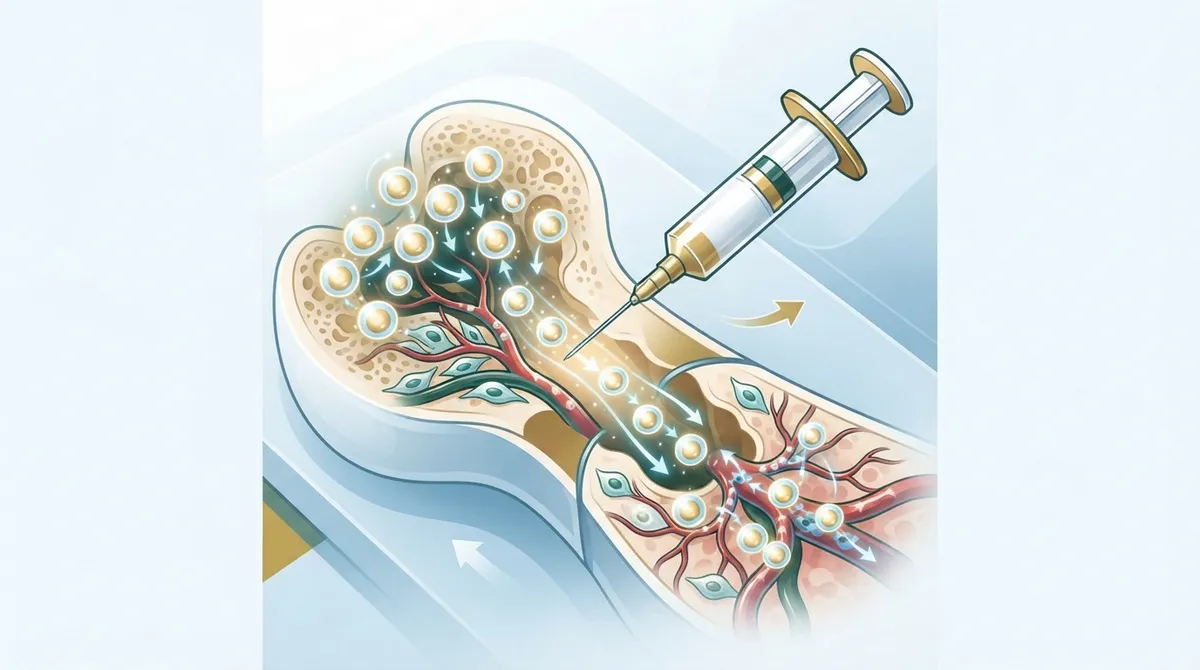
Bone marrow stem cell therapy is actually an umbrella term. It covers two very different things, and mixing them up can lead to confusion or even risky decisions.
- Hematopoietic stem cell transplantation (HSCT): a well-established, FDA-regulated treatment for certain blood cancers, bone marrow failure, and some immune disorders.
- Mesenchymal stromal/stem cell (MSC) injections: investigational treatments being studied for joint pain, cartilage repair, and tissue healing.
These two are not interchangeable, even though they share the words “bone marrow” and “stem cell.” One is a proven, life-saving medical procedure. The other is still largely experimental, especially when marketed for anti-aging, arthritis, or general wellness purposes.
Hematopoietic Stem Cell Transplants: The Established Side
This type of transplant has been used for decades to treat blood cancers like leukemia and lymphoma, along with certain inherited blood disorders. It works by replacing damaged or diseased bone marrow with healthy stem cells that can rebuild the blood and immune system.
According to the FDA, the only stem-cell products broadly approved for use in the United States are blood-forming cells derived from umbilical cord blood, and these approvals apply only to disorders affecting the blood system. This is a much narrower approval than many marketing claims suggest.
Mesenchymal Stem Cells: The Investigational Side
MSC therapy involves taking stem cells from bone marrow (or sometimes fat tissue) and injecting them into joints, the spine, or other tissues. The goal is to reduce inflammation and support tissue repair.
This approach is being studied for osteoarthritis, cartilage damage, and chronic pain. But it’s important to know that most of these uses are not FDA approved. They remain part of ongoing clinical research rather than routine, proven medical care.
Bone Marrow Stem Cells vs. Peptide Therapy: Key Differences
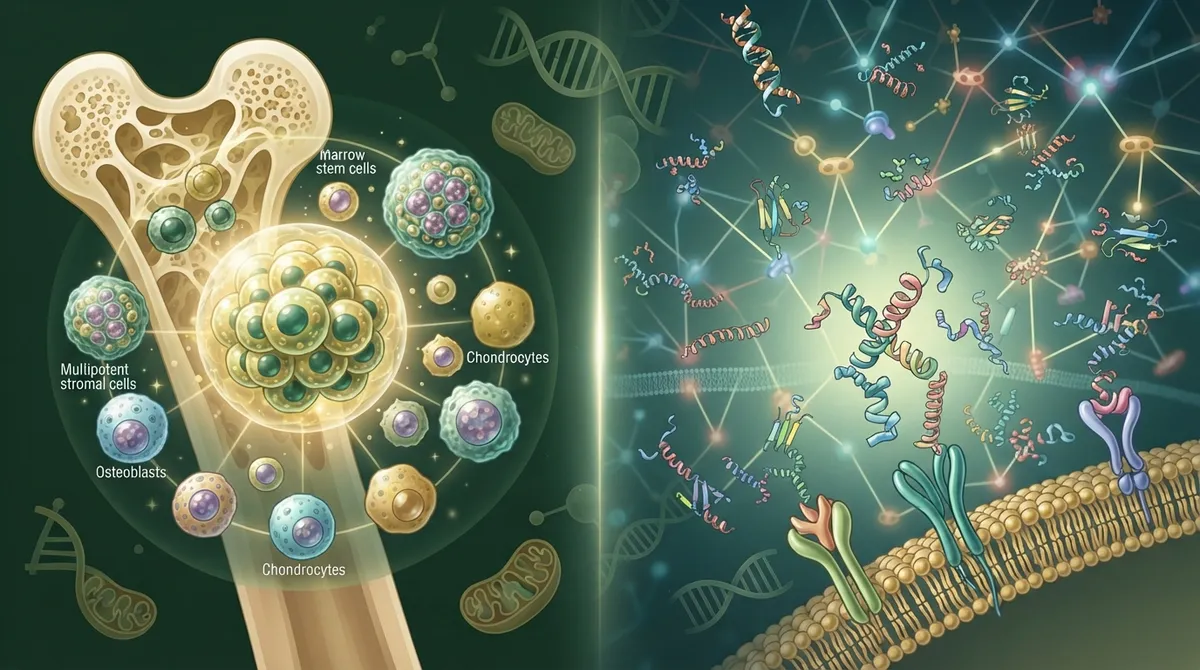
So how does peptide therapy fit into this picture? Peptides are small chains of amino acids that act like messengers in your body. They don’t replace stem cells, but some peptides may support the processes stem cells rely on, like reducing inflammation or encouraging tissue repair signals.
| Feature | Bone Marrow Stem Cell Therapy | Peptide Therapy |
|---|---|---|
| Regulatory Status | HSCT is FDA approved for blood disorders; MSC use is largely investigational | Some peptides are FDA approved (like BMPs); many others used off-label or in research |
| Delivery Method | In-clinic infusion or injection, often requiring anesthesia or hospital stay | At-home subcutaneous injections, self-administered |
| Evidence Level | Strong for HSCT; mixed and limited for MSC orthopedic use | Strong for approved uses; growing but still developing for many wellness peptides |
| Typical Use Case | Blood cancers, bone marrow failure, joint/cartilage research | Energy, recovery, weight management, sleep, immune support |
| Cost & Accessibility | Often expensive, limited to specialty clinics | More accessible, available through telehealth |
This comparison isn’t about declaring one “better” across the board. They serve different medical purposes. But if you’re looking for a supportive, well-monitored approach to recovery and longevity, peptide therapy is often more practical and better suited to everyday wellness goals.
What Peptides Have Been Studied for Bone and Tissue Healing?
Peptides are not stem cells. But some peptides have real, documented roles in supporting the body’s natural healing signals. Here are a few worth knowing about:
- BMPs (Bone Morphogenetic Proteins): FDA approved for specific bone-healing uses, including certain long-bone nonunions and spinal fusion procedures.
- BPC-157: Widely researched in animal studies for its potential role in tissue repair and gut healing. Learn more in our guide on TB-500 peptide facts and related recovery peptides.
- TB-500: Studied for its potential to support flexibility and recovery after injury.
- GHK-Cu: Explored for skin and connective tissue support, often discussed alongside collagen health.
A 2016 review of peptides in bone healing found strong laboratory and animal evidence but noted that clinical evidence in humans remains limited for many of these compounds. This doesn’t mean the science isn’t promising. It means we should stay realistic about what’s proven versus what’s still being studied.
How Peptides May Support Recovery Alongside Stem Cell Concepts
Some peptides are thought to influence processes like inflammation control, blood vessel formation, and tissue matrix repair. These are the same biological pathways that stem cell researchers are trying to activate.
Think of peptides as messengers that might help “wake up” your body’s own repair systems, rather than delivering new cells directly. This is a meaningful distinction. If you want to understand the building blocks behind these therapies, our article on what peptides really are is a great place to start. You can also read more from what are peptides for additional background.
Is Bone Marrow Stem Cell Therapy Effective for Joint Pain?
This is one of the most common questions we hear, especially from active adults dealing with knee or back discomfort. The honest answer is: it depends on the study, the preparation, and your expectations.
A 2026 systematic review of randomized trials looked at intra-articular MSC therapy for knee osteoarthritis. Here’s what it found:
- Pain improvement was measured with a visual analog scale, showing a mean difference of about -1.67 in one analysis.
- Injection-site pain was more common with MSC treatment, with a relative risk of roughly 2.04.
- Joint swelling was also more frequent, with a relative risk near 3.39.
- Serious complications like infection were uncommon and not statistically significant.
An evidence review of orthopedic stem-cell research also found that among 24 studies assessed, only one met the highest quality standard (Grade I), while most fell into lower evidence categories. This tells us the science is encouraging but still maturing.
Understanding the Risks: What the FDA Wants You to Know
Before considering any stem cell treatment, it helps to understand the regulatory landscape. The FDA has issued consumer alerts about unapproved regenerative products, and the risks are worth taking seriously.
Reported adverse events linked to unapproved stem cell products include:
- Blindness
- Infections at injection sites
- Tumor formation
- Neurological complications
- Unwanted tissue growth
- Inflammatory or immune reactions
The International Society for Stem Cell Research has stated that most commercially marketed stem-cell interventions lack sufficient evidence of safety and effectiveness for routine use. Their guidance recommends that unproven treatments stay within properly regulated clinical trials, not general commercial clinics. You can review more detail in the National Library of Medicine research archives.
How to Spot a Legitimate Stem Cell or Peptide Clinic
Not all clinics are created equal, and it’s smart to ask questions before committing to any treatment. Here’s a simple checklist to guide you:
- Ask whether the treatment is FDA approved, part of an authorized clinical trial, or an unapproved commercial product.
- Request clear information about the specific cells or peptides being used, including their source and preparation method.
- Confirm that licensed medical providers are overseeing your care, not just sales staff.
- Look for transparency about expected outcomes, backed by published research rather than testimonials alone.
- Check if ongoing monitoring and lab work are part of the treatment plan.
- Be cautious of clinics claiming to cure multiple unrelated conditions with the same treatment.
This same checklist applies well beyond stem cells. If you’re researching how to start peptide therapy safely, these questions will serve you just as well.
Why Many Wellness Seekers Choose Peptide Therapy Instead
For most people focused on everyday vitality rather than treating a diagnosed blood disorder, peptide therapy offers a more practical path. It’s backed by growing clinical research, it’s more accessible, and it fits into real life.
Here’s why peptide therapy appeals to health optimizers and busy professionals alike:
- Treatments are self-administered at home, no clinic visits required
- Plans are personalized based on your own blood work and goals
- Peptides can target specific concerns like energy, recovery, sleep, or metabolism
- Licensed providers monitor your progress and adjust your protocol over time
- Costs are generally more predictable than experimental stem cell procedures
At Allura Longevity, this personalized approach starts with a simple $50 virtual consultation, followed by comprehensive blood work through LabCorp. From there, our licensed providers, led by board-certified Family Nurse Practitioner Ashley, build a custom six-month treatment plan delivered right to your door. If you’re weighing your options between clinic-based procedures and convenient telehealth care, our comparison of local clinic vs. telehealth peptide therapy can help you decide what fits your lifestyle.
Peptides for Recovery: A Closer Look at Popular Options
If injury recovery or tissue support is your main goal, several peptides have earned attention for their potential benefits. Here’s a quick rundown:
| Peptide | Primary Focus | Common Use Case |
|---|---|---|
| BPC-157 | Tissue and gut support | Injury recovery, digestive health |
| TB-500 | Flexibility and repair | Post-injury recovery, mobility |
| GHK-Cu | Skin and collagen support | Skin rejuvenation, wound healing |
| CJC-1295 | Growth hormone support | Recovery, muscle maintenance |
Curious how these fit into a broader plan? Our guide on peptides for wound healing dives deeper into the science and practical applications.
Making an Informed Decision for Your Health Journey
At the end of the day, bone marrow stem cell therapy and peptide therapy aren’t really competitors. They’re different tools for different jobs. HSCT saves lives in serious blood disorders. MSC therapy is promising but still investigational for joint and tissue repair. Peptide therapy, meanwhile, offers a well-monitored, accessible way to support your body’s natural processes.
If your goal is treating a diagnosed blood cancer or immune disorder, that conversation belongs with a hematology specialist. But if you’re focused on energy, recovery, healthy aging, or overall vitality, personalized peptide therapy may be the smarter, safer starting point. Our article on choosing the best peptides for aging offers helpful next steps.
A Few Final Thoughts Before You Choose
Whatever path you consider, remember these key principles:
- Always distinguish between FDA-approved treatments and unapproved commercial products
- Ask for evidence, not just testimonials
- Choose providers who prioritize your safety with proper lab work and monitoring
- Understand that “natural” or “regenerative” doesn’t automatically mean risk-free
We know this can feel like a lot to process, and that’s okay. You don’t have to figure it all out alone. Our team at Allura Longevity is here to walk you through your options with honesty and care.
Ready to Explore a Personalized Peptide Plan?
You deserve a treatment plan built around your body, your goals, and your schedule. With licensed providers, real lab work, and peptides delivered straight to your door, Allura Longevity makes it simple to take the next step toward better energy, recovery, and long-term vitality. Spots are limited each month, so if you’re ready to explore what personalized peptide therapy can do for you, request a consultation today and let’s build your plan together.
FAQs
Q: What is bone marrow stem cell therapy, and how is it different from a bone marrow transplant?
A: Great question, and one we get a lot! Bone marrow stem cell therapy is actually a broad term that includes traditional bone marrow transplants (used for blood cancers and immune disorders) and newer, investigational mesenchymal stem cell injections used for joint or tissue repair. They sound similar, but they’re very different treatments with different levels of evidence behind them.
Q: Are bone-marrow-derived mesenchymal stem-cell injections FDA approved for arthritis or back pain?
A: Not yet, and it’s important to know that. The FDA’s approved stem-cell products are limited to blood-forming cells for blood disorders, so using MSCs for arthritis or back pain is still considered investigational. That doesn’t mean it’s not promising, it just means we’re still waiting on stronger clinical evidence.
Q: Can peptide therapy improve bone marrow stem-cell activity or tissue regeneration?
A: Some peptides may support the biological pathways involved in healing, like reducing inflammation or encouraging tissue repair signals. They’re not a replacement for stem cells, but they can be a helpful, well-studied part of a broader wellness or recovery plan.
Q: Is bone marrow stem cell therapy effective for knee osteoarthritis or cartilage damage?
A: Research shows some encouraging pain improvement in clinical trials, but results vary a lot depending on the preparation and study design. Side effects like injection-site pain and swelling are also more common, so it’s worth having a thoughtful conversation with a provider before moving forward.
Q: How can patients tell whether a stem-cell or peptide therapy clinic is legitimate?
A: Look for clinics that are upfront about what’s FDA approved versus experimental, and that involve licensed medical providers in your care. If a clinic promises to cure everything with one treatment, that’s a red flag worth taking seriously.





