
Key Takeaways
-
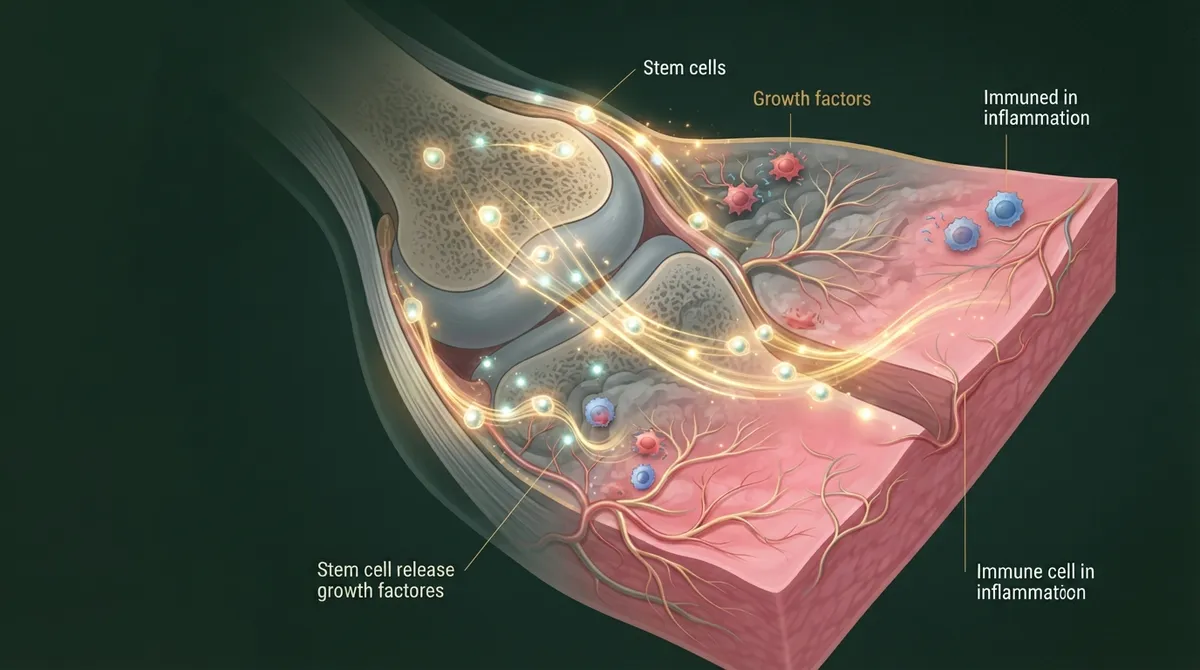
Stem cells work through multiple mechanisms beyond just replacing tissue: they release growth factors, modulate immune inflammation, promote blood vessel formation, and support the body's natural repair processes.
-
Most stem cell therapies for orthopedic and anti-aging uses remain investigational and lack FDA approval; the FDA has explicitly stated regenerative stem cell products are not approved for arthritis, joint pain, disc disease, or back/knee/shoulder pain.
-
Mesenchymal stem cells (MSCs) showed the strongest pain-reduction signal in a 2025 review of 59 regenerative therapy studies, while peptide therapies showed moderate improvements with emerging evidence.
-
Peptide therapy and stem cell therapy are fundamentally different: peptides are signaling molecules that support healing conditions, while stem cells deliver actual cells meant to repair or replace tissue.
-
Legitimate stem cell treatments should include reproducible preclinical evidence, well-designed clinical trials, ethical oversight, manufacturing controls, and regulatory approval—verified through questions before any treatment.
-
Peptide therapy via telehealth offers a more accessible, better-studied starting point than experimental stem cell procedures, with personalized plans based on lab work and at-home administration.
If you’ve spent any time browsing wellness clinics or scrolling health forums, you’ve probably seen big promises about stem cells fixing everything from bad knees to tired skin. It’s exciting stuff! But here’s the thing: understanding how stem cell therapy actually works can help you make smarter choices, especially if you’re also curious about peptide therapy as a supportive option. Whether you’re a busy professional looking for real recovery tools, a biohacker who wants the science behind the buzzwords, or someone simply trying to feel more like yourself again, this guide breaks it all down in plain language. We’ll walk through the real mechanisms, the honest limits, and where peptides fit into the bigger picture. No hype, just facts you can actually use. By the end, you’ll know exactly what questions to ask before trying any regenerative treatment, and you’ll understand why peptides for women and men are often a smarter, more accessible starting point for many people chasing better energy and recovery.

1. Stem Cells Are the Body’s Repair Kit
Stem cells are unique because they can turn into different types of specialized cells. Think of them as blank building blocks your body uses for repair. Depending on where they come from, they might become bone, cartilage, muscle, or blood cells.
Doctors can use your own cells (autologous) or cells from a donor (allogeneic). Both types get delivered in different ways depending on the treatment goal.
2. There Are Several Ways to Deliver Stem Cells
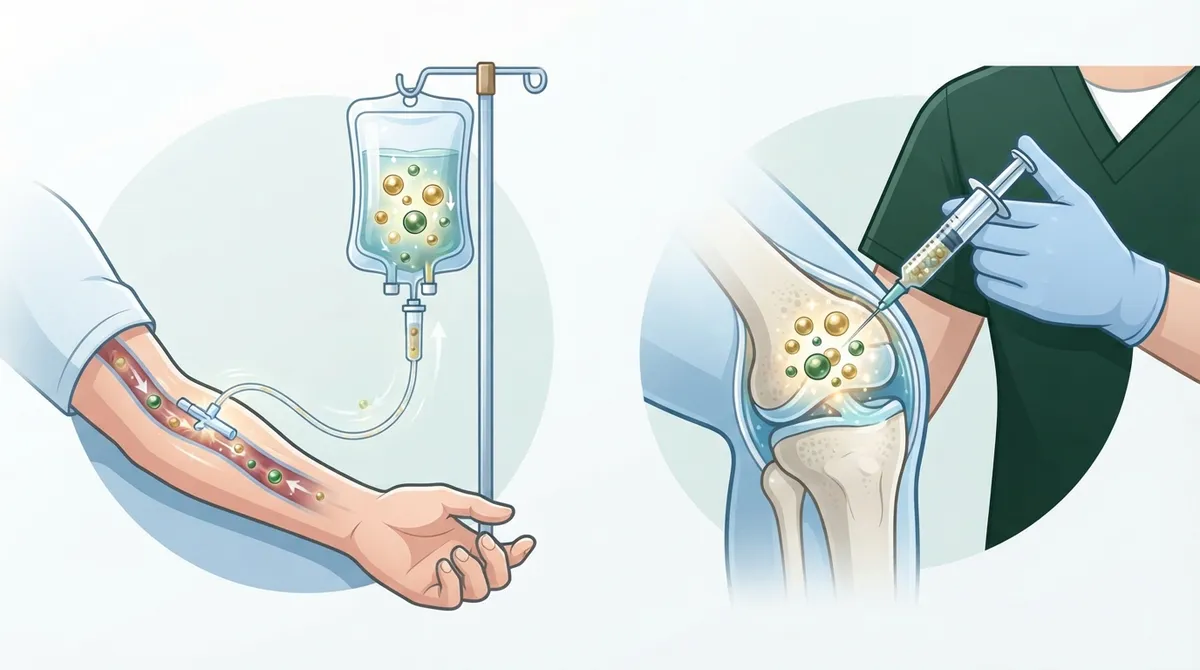
The method of delivery matters a lot for how the treatment works and what it can realistically achieve. Here are the most common approaches used today:
- Intravenous (IV) infusion — cells travel through the bloodstream to reach damaged tissue.
- Local injection — cells are placed directly into a joint or injured area.
- Surgical implantation — used for more complex tissue repair procedures.
- Transplantation — cells are placed into damaged tissue, most commonly seen in bone marrow transplants.
3. Stem Cells Do More Than Just Replace Damaged Tissue
Many people assume stem cells simply become new tissue and that’s the whole story. In reality, the mechanisms are much broader and more interesting than that.
- Differentiating into specialized cells that replace damaged ones
- Releasing growth factors and cytokines that support healing
- Modulating the immune system to reduce harmful inflammation
- Promoting angiogenesis, or the formation of new blood vessels
- Supporting your body’s own natural repair processes
4. Mesenchymal Stem Cells Get a Lot of Attention
Mesenchymal stromal or stem cells, often called MSCs, show up frequently in regenerative medicine conversations. They release signaling molecules and tiny packages called extracellular vesicles that may influence inflammation and blood vessel formation.
That said, many popular anti-aging and orthopedic uses of MSCs remain investigational. This is an important detail that honest providers should always mention upfront.
5. Peptide Therapy Is Not the Same Thing as Stem Cell Therapy
This is where a lot of confusion happens, so let’s clear it up. Peptides are short chains of amino acids that act more like messengers than replacement parts.
They may influence pathways tied to inflammation, collagen production, blood vessel growth, tissue repair, and cellular survival. But peptides don’t transplant new cells into your body the way stem cell therapy does. If you want a deeper dive into what these molecules actually are, this guide on 8 Facts That Explain What Are Peptides in 2026 is a great place to start.
6. Peptides May Support the Repair Environment
Instead of directly creating new tissue, peptides may help optimize the conditions your body needs for repair. Some research suggests peptides can stimulate signals related to healing, though this varies widely by peptide type and condition.
It’s worth being cautious here. Claims that peptides reliably create, mobilize, or replace stem cells need strong, condition-specific evidence before anyone should trust them as fact.
Where Peptides Commonly Show Up in Wellness Plans
- Recovery support after injury or intense training
- Skin and collagen support for a more youthful look
- Metabolic and weight management goals
- Energy and sleep quality improvements
- Immune system support
7. Research Comparing Regenerative Options Is Growing
A 2025 review of orthopedic regenerative therapies looked at studies published between 2009 and January 2025. After screening, researchers included 59 studies covering PRP, mesenchymal stromal cells, peptide therapies, and biomimetic materials.
The review found that MSC therapy showed the strongest signal for pain reduction in its meta-regression, while peptide-based therapies showed moderate improvements. The authors were clear that standardized protocols and larger clinical trials are still needed before drawing firm conclusions.
| Therapy Type | Studies Reviewed (2025) | Reported Signal |
|---|---|---|
| PRP (Platelet-Rich Plasma) | 20 | Variable, condition dependent |
| Mesenchymal Stromal/Stem Cells | 20 | Strongest pain-reduction signal |
| Peptide Therapies | 10 | Moderate improvements |
| Biomimetic Materials | 7 | Emerging, limited data |
8. FDA Approval Is Specific, Not General
Here’s a fact everyone should know before spending money on any regenerative treatment. In the United States, FDA-approved stem cell products are mostly limited to blood-forming stem cell products, historically used for hematopoietic and immune disorders.
The FDA has specifically stated that regenerative medicine products, including stem cell and exosome products, are not approved to treat conditions like osteoarthritis, tendonitis, disc disease, tennis elbow, or general back, knee, hip, neck, and shoulder pain. This also applies to a wide range of neurological, cardiovascular, pulmonary, chronic-pain, fatigue, and anti-aging claims unless a specific product has authorization for that exact use.
9. The ISSCR Sets a Clear Standard for Legitimate Treatments
The International Society for Stem Cell Research, known as ISSCR, recommends drawing a firm line between scientifically validated treatments and experimental ones. According to the National Library of Medicine and related resources, legitimate therapies should include:
- Reproducible preclinical evidence from lab and animal studies
- Well-designed human clinical trials with proper controls
- Appropriate ethical review and oversight
- Manufacturing controls to ensure product safety and consistency
- Clear informed consent processes for patients
- Approval or authorization from the relevant regulatory body
The ISSCR also identifies blood-forming stem cell transplantation, sometimes called hematopoietic stem cell transplantation or bone marrow transplantation, as the established foundational use of this treatment category.
10. Know What Questions to Ask Before Starting Any Treatment
Whether you’re considering stem cells, peptides, or a combination approach, asking the right questions protects your time, money, and health. Here’s a helpful checklist:
- What exact product is being used in my treatment?
- Is it FDA-approved for the specific condition I’m treating?
- Is this part of an FDA-authorized clinical trial?
- What evidence supports this specific protocol?
- How are adverse events tracked and monitored?
- Does the provider clearly separate established care from experimental treatment?
A trustworthy provider will never dodge these questions. If anything, they should welcome them as a sign you’re taking your health seriously.
11. Peptide Therapy Can Be a Smart, Evidence-Informed Starting Point
For many people exploring regenerative wellness, peptide therapy offers a more accessible and better-studied entry point compared to experimental stem cell procedures. Peptides like those used for recovery, metabolism, and energy support can be delivered through convenient telehealth programs, with treatment plans built around your actual blood work and goals.
This is exactly the approach Allura Longevity takes. Their licensed providers, led by a board-certified Family Nurse Practitioner, design personalized six-month plans based on lab results from LabCorp, then ship your peptides straight to your door. If you’re curious about getting started the right way, this resource on How to Start Peptide Therapy Safely and See Real Results walks through the process step by step.
Comparing Stem Cell Therapy and Peptide Therapy
It helps to see the differences side by side. This table breaks down the core distinctions in a simple, scannable way.
| Feature | Stem Cell Therapy | Peptide Therapy |
|---|---|---|
| What it involves | Delivering live cells to repair or replace tissue | Delivering signaling molecules that influence biological pathways |
| Delivery methods | IV infusion, injection, surgical implant, transplant | Subcutaneous injection, oral, or topical, depending on the peptide |
| FDA approval status | Limited to specific blood-forming products and indications | Varies; some peptides are FDA-approved for specific uses, others are compounded or investigational |
| Typical settings | Specialized clinics, hospitals, research centers | Telehealth, wellness clinics, at-home administration |
| Common goals | Tissue repair, blood disorder treatment, orthopedic recovery (investigational) | Energy, recovery, metabolism, skin health, immune support |
Where Peptides Fit Into a Longevity-Focused Lifestyle
If you’re already investing in supplements, lab testing, and preventive care, peptide therapy can be a natural next step. Many wellness seekers pair peptides with better sleep habits, strength training, and nutrition to support long-term vitality.
For those focused on recovery after injury, resources like 13 Facts About TB-500 Peptide You Need in 2026 and 6 Peptides for Wound Healing Worth Knowing in 2026 can offer more specific guidance. If weight management is your main goal, you might also check out 13 Peptides for Fat Loss That Really Work in 2026 for a closer look at what actually has evidence behind it.
Signs You’re Working With a Trustworthy Peptide Provider
- They require blood work before recommending a treatment plan
- They clearly explain what evidence supports each peptide
- They offer ongoing monitoring and adjust your plan as needed
- They separate established care from experimental claims
- They’re transparent about pricing and what’s included
Why Telehealth Makes Personalized Care More Accessible
One of the biggest barriers to regenerative wellness has always been access. Not everyone lives near a specialized clinic, and busy schedules make in-person visits tough to fit in. That’s where telehealth changes the game.
With a service like Allura Longevity, you can complete a $50 virtual consultation, get your blood work done locally through LabCorp, and receive a custom six-month plan shipped directly to your home. Licensed providers monitor your progress and adjust your protocol as your body responds. To compare this approach with traditional in-person options, take a look at Local Clinic vs. Telehealth: Best Peptide Therapy Near You?
If you’re ready to explore whether peptide therapy fits your goals, request a consultation and get matched with a personalized plan built around your own lab results. Spots are limited each month, so it helps to reach out early. You can also learn more by visiting peptides for men if you’re looking for treatment options tailored specifically to male health goals.
Final Thoughts on Making an Informed Choice
Understanding how stem cell therapy works helps you separate real science from marketing hype. Stem cells and peptides both play roles in regenerative wellness, but they work through different mechanisms and have very different levels of regulatory approval. According to what are peptides, these amino acid chains act as messengers in the body, which is a helpful way to think about their supportive, rather than replacement, role.
Whatever path you choose, ask questions, check the evidence, and work with providers who are upfront about what’s proven and what’s still being studied. Your health deserves that level of care and honesty.
Ready to explore a personalized, evidence-informed peptide plan built around your own labs and goals? Request a consultation with Allura Longevity today and take the next step toward feeling like your best self.
FAQs
Q: How does stem cell therapy work step by step?
A: Stem cell therapy usually starts with collecting cells from you or a donor, then delivering them through an IV, injection, or surgical implant. Once inside the body, the cells may turn into specialized tissue, release healing signals, or calm inflammation. It’s a fascinating process, but the exact steps and outcomes depend heavily on the specific cell type and condition being treated.
Q: What is the difference between stem cell therapy and peptide therapy?
A: Stem cell therapy delivers actual cells meant to repair or replace tissue, while peptide therapy delivers small signaling molecules that may support your body’s own repair processes. Think of peptides as messengers and stem cells as building blocks. They’re related concepts in regenerative wellness, but they work in very different ways.
Q: Can peptides stimulate or activate stem cells?
A: Some research suggests certain peptides may influence pathways connected to tissue repair and cellular signaling, but this is still an evolving area of study. Claims that peptides reliably activate or mobilize stem cells need strong, condition-specific evidence before we can call them proven. It’s best to view these effects as investigational rather than guaranteed.
Q: Are stem cell injections FDA-approved for arthritis, knee pain, or back pain?
A: No, not currently. The FDA has been clear that most stem cell and regenerative products are not approved for arthritis, tendonitis, disc disease, or general joint and back pain. Any provider claiming otherwise should be asked directly which specific product and approval they’re referencing.
Q: How can patients tell whether a stem cell or peptide clinic is legitimate?
A: Look for providers who require lab work, clearly explain the evidence behind their treatments, and separate established care from experimental options. A trustworthy clinic will never dodge questions about FDA approval or clinical trial status. Transparency is really the biggest green flag you can look for.





