

Key Takeaways
-
"Fat loss peptide therapy" is not a separate treatment; it usually means prescription incretin medicines like FDA-approved semaglutide (Wegovy) and tirzepatide (Zepbound) used alongside nutrition, activity, and medical follow-up.
-
Compounded peptide products are not FDA-approved or reviewed for safety, effectiveness, or quality, and the FDA has received adverse-event reports tied to compounded semaglutide and tirzepatide.
-
In trials, semaglutide 2.4 mg averaged about 14.9% body weight loss over 68 weeks and tirzepatide 15 mg about 20.9% over 72 weeks, though individual results vary.
-
Semaglutide and tirzepatide carry a boxed warning about thyroid C-cell tumors and should be avoided with a personal or family history of medullary thyroid carcinoma or MEN 2.
-
Pregnant women should not use these medicines for weight loss, and tirzepatide labeling advises a non-oral or barrier contraception method for 4 weeks after starting and after each dose increase.
-
Appetite and some weight may return after stopping, so ask your provider about a long-term maintenance plan before you begin.
If you have typed “women’s fat loss peptide therapy” into a search bar lately, you are not alone. Maybe you eat well, move often, and still feel stuck. Maybe hormones, stress, or a packed work week have made the scale harder to budge. You deserve clear answers, not hype.
Here is the honest truth. “Fat loss peptide therapy” is a popular phrase, not a separate medical treatment. In real clinical care, it usually means prescription, peptide-based medicines that help manage weight, such as semaglutide and tirzepatide. These work best with good nutrition, movement, and medical follow-up.
In this friendly guide, we will walk through how these medicines work, who may qualify, what the research shows, and the risks every woman should know. We will also cover why compounded products deserve extra caution. Think of this as a chat with a well-informed friend who wants you to feel confident and safe. Let’s dive in.

What Does “Fat Loss Peptide Therapy” Actually Mean?
Peptides are short chains of amino acids, the building blocks of protein. Your body makes many of them naturally. If you want a quick refresher, this overview on what are peptides explains the basics well.
When people say women’s fat loss peptide therapy, they usually mean incretin-based medicines. These are peptide-like drugs that mimic gut hormones tied to appetite and blood sugar. Because they are medicines, they come with eligibility rules, labels, and risks.
It also helps to know what the phrase does not mean:
- It is not a single cure-all injection.
- It is not a cosmetic quick fix.
- It is not the same as collagen supplements or skin-care peptides.
- It is not something to start without a licensed clinician reviewing your health history.
For a deeper look at how approved options differ from trendy ones, see this guide on approved peptides vs. wellness peptides.
Which Peptide Medicines Are Used for Weight Management?
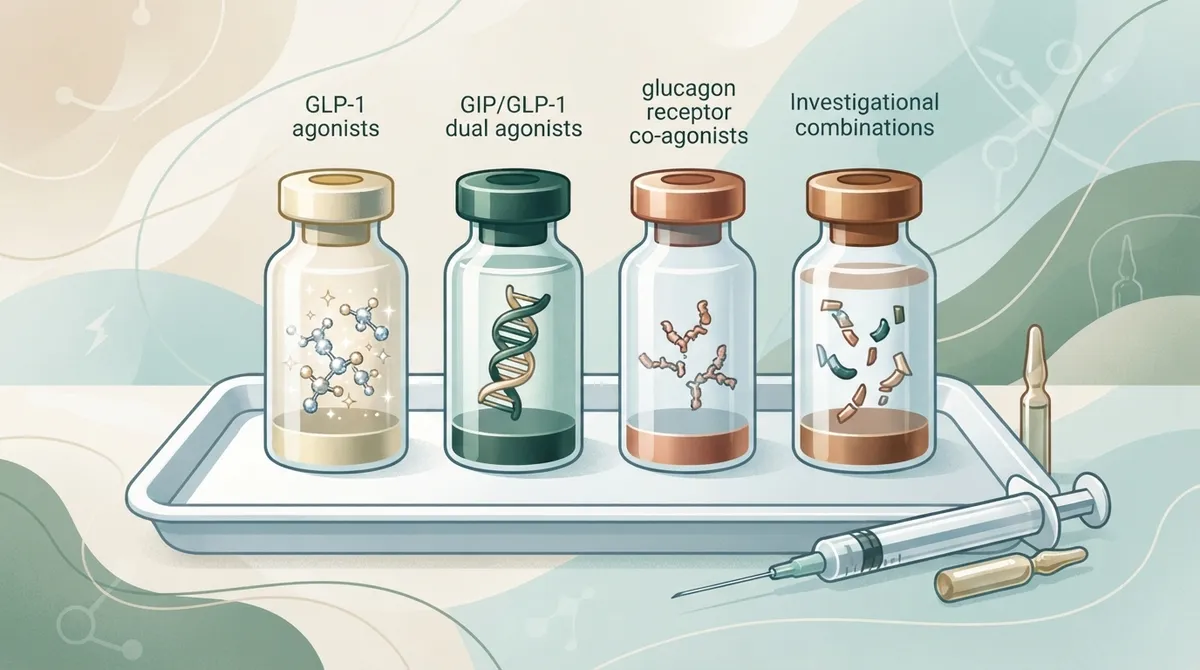
In the United States, a few injectable options are FDA-approved for chronic weight management in eligible adults. Approval depends on the specific product, the indication, and the patient. Being a peptide alone does not make something approved.
| Medication | Brand Name (Weight) | How It Works | FDA-Approved for Weight Management? |
|---|---|---|---|
| Semaglutide | Wegovy | Activates the GLP-1 receptor | Yes, for eligible adults |
| Tirzepatide | Zepbound | Activates both GIP and GLP-1 receptors | Yes, for eligible adults |
| Liraglutide | Saxenda | Activates the GLP-1 receptor | Yes, for eligible adults |
Want to compare the two most talked-about options? Our breakdown of semaglutide vs. tirzepatide goes into the details.
How Do These Medicines Work in a Woman’s Body?
Think of GLP-1 as a “you’re full” message your gut sends to your brain. Semaglutide mimics that message. Tirzepatide mimics two gut hormones, GIP and GLP-1, which gives it a dual action.
These medicines affect appetite and food intake. Many people notice they feel full sooner and think about food less. That can make it easier to follow a healthy eating plan.
Here is a simple way to picture how it works:
- You take the medicine as prescribed, usually by weekly injection.
- The medicine acts on hormone receptors tied to appetite and fullness.
- You feel satisfied with smaller portions.
- Paired with nutrition and activity, this can support gradual weight loss.
If you like the science side, this explainer on how GLP-1 works for weight loss is a great next read.
What Results Can Women Realistically Expect?
Let’s talk numbers, with a friendly reminder that results vary and are never guaranteed. These figures come from clinical trials summarized in FDA prescribing information.
| Medication | Average Weight Loss in Trial | Placebo Group | Time Frame |
|---|---|---|---|
| Semaglutide 2.4 mg | About 14.9% of body weight | About 2.4% | 68 weeks |
| Tirzepatide 15 mg | About 20.9% of body weight | About 3.1% | 72 weeks |
These were adults without diabetes, and tirzepatide results varied by dose. Your own journey may look different, and that is perfectly okay. Hormones, sleep, stress, medications, and genetics all play a part.
If you want a clearer picture of timing, check out this honest look at real results to expect from weight peptides.
Who May Qualify for a Weight-Loss Peptide?
Eligibility comes from the medicine’s label and a clinician’s full assessment. A provider typically looks at several things:
- Your body mass index (BMI)
- Weight-related health conditions, such as high blood pressure or prediabetes
- Your medical and family history
- Current medications
- Your goals and readiness for long-term care
These medicines are not right for everyone. A good provider will review contraindications and risks before prescribing anything. To learn more, read how you qualify for GLP-1 medication in 2026.
What Side Effects and Risks Should Women Know About?
Every medicine has trade-offs, and we want you to walk in with eyes wide open. The most common side effects are digestive:
- Nausea
- Vomiting
- Diarrhea
- Constipation
- Abdominal pain
Product labeling also includes more serious warnings. Semaglutide and tirzepatide carry a boxed warning about thyroid C-cell tumors. You should not use them if you have a personal or family history of medullary thyroid carcinoma or Multiple Endocrine Neoplasia syndrome type 2 (MEN 2).
Always tell your provider about your full health history. For more on managing the tummy troubles, see why GLP-1 therapy causes constipation and how to fix it. And for a broader safety lens, try how to weigh the risks of peptide therapy safely.
Pregnancy, Birth Control, and Women’s Special Considerations
This section matters a lot for women. Weight loss during pregnancy is not recommended, so women who are pregnant should not use these medicines for weight management. Product labeling advises stopping treatment if pregnancy is recognized.
If you are planning a pregnancy, talk with your prescriber about timing before you start. If you use oral contraception, ask about your options too.
| Situation | What to Know | What to Do |
|---|---|---|
| Currently pregnant | Weight-loss medicines are not appropriate | Do not start; tell your provider right away if you become pregnant |
| Trying to conceive | Timing matters | Discuss a plan with your prescriber first |
| Using birth control pills | Tirzepatide labeling advises a non-oral or added barrier method for 4 weeks after starting and after each dose increase | Ask your provider about contraception before beginning |
| Breastfeeding | Needs individual review | Discuss with your clinician before starting |
Midlife changes can add another layer. If perimenopause or menopause is part of your story, explore how to navigate perimenopause with BHRT and peptides.
Why Compounded and Online Peptides Need Extra Caution
You may see ads for cheap, “same as the brand” peptide products online. Please pause here. Compounded versions are not FDA-approved. The FDA does not review them for safety, effectiveness, or quality.
The FDA has reported dosing errors and adverse events linked to compounded semaglutide and tirzepatide. As of November 30, 2024, there were 392 adverse-event reports tied to compounded semaglutide and 215 tied to compounded tirzepatide. These are spontaneous reports, so they do not prove cause or show how often problems happen. Still, they are a good reason to be careful.
A few more important points:
- Semaglutide salt forms, such as semaglutide sodium or acetate, have not been shown to be safe and effective.
- Retatrutide and cagrilintide are not FDA-approved weight-loss medicines and cannot be used in compounding under federal law.
- A product being a peptide does not make it equal to an approved medicine.
Before you buy anything, read how to evaluate compounded GLP-1 medication safely. The FDA also shares its concerns about unapproved GLP-1 drugs on its official site.
Why Medical Supervision Makes the Difference
Real fat loss care is more than a prescription. It is a plan built around you. A strong program usually includes:
- A virtual consultation with a licensed provider
- Lab work to understand your baseline health
- A personalized treatment plan, not a one-size-fits-all dose
- Ongoing monitoring and adjustments
- Nutrition and activity guidance to protect muscle and build lasting habits
That last point matters. Rapid weight loss can include muscle, so many women want a plan that supports strength too. Learn more in 10 ways peptides affect your fat-to-muscle ratio. And if you are curious about why testing comes first, see lab work for peptide therapy.
What Happens When You Stop?
This is a question worth asking early. Obesity is a chronic condition, and these medicines are generally used as part of long-term care. When someone stops a GLP-1 weight-loss medicine, appetite can return, and some weight may come back.
That is not a personal failure. It is biology at work. Talk with your provider about a maintenance plan, including how long to stay on treatment and how to build habits that last. Our tips on GLP-1 weight loss maintenance can help you plan ahead.
How Telehealth Makes This Easier for Busy Women
Between work, family, and everything else, a clinic visit can feel like one more thing. Telehealth removes much of that friction. You meet your provider by video, finish lab work locally, and get your plan delivered right to your door.
That convenience is a big reason so many busy professionals and data-minded health optimizers choose it. Curious how it all works? See how a telehealth prescription works for peptides.
At Allura Longevity, licensed providers design personalized plans based on your blood work and goals. Care is led by Ashley, a board-certified Family Nurse Practitioner. You start with a $50 virtual consultation, complete labs through LabCorp, and receive a customized six-month plan with ongoing monitoring. Telehealth is available in Florida, Georgia, Texas, Connecticut, Indiana, Maryland, New York, and California.
Smart Questions to Ask Before You Start
Walk into your consultation prepared. Here are a few questions to bring:
- Is this medicine FDA-approved for weight management?
- Am I a good candidate based on my history?
- What side effects should I watch for, and how are they managed?
- How does this fit with pregnancy plans or birth control?
- What labs will you order, and how often will we check in?
- What is the plan if I stop?
You may also like 15 peptide consultation questions to ask in 2026 for even more ideas.
Ready to Take the Next Step?
Women’s fat loss peptide therapy can be a powerful, evidence-based tool when it is prescribed thoughtfully and monitored closely. The key points to remember: approved medicines like semaglutide and tirzepatide have solid trial data, risks are real and worth discussing, pregnancy and contraception need special attention, and compounded products are not held to the same standards.
You do not have to figure this out alone. If you are ready for a personalized plan with licensed providers, request a consultation with Allura Longevity today. Spots for new clients are limited each month, so reach out soon. You can also call (813) 510-6277. Your journey, your pace, with a team in your corner.
FAQs
Q: Are weight-loss peptides FDA-approved?
A: Some are, and some are not. Semaglutide (Wegovy), tirzepatide (Zepbound), and liraglutide (Saxenda) are FDA-approved for chronic weight management in eligible adults. Compounded versions and unapproved products are not reviewed by the FDA for safety, effectiveness, or quality.
Q: Can women use fat loss peptides while pregnant or breastfeeding?
A: Pregnant women should not use these medicines for weight loss, and labeling advises stopping if pregnancy is recognized. If you are breastfeeding or planning to conceive, chat with your prescriber first so you can plan the safest timing.
Q: Do tirzepatide or semaglutide affect birth control pills?
A: Tirzepatide labeling advises people on oral hormonal contraceptives to switch to a non-oral method or add a barrier method for four weeks after starting and after each dose increase. Be sure to talk through your contraception plan with your provider before you begin.
Q: What happens if I stop taking a GLP-1 weight-loss medication?
A: Appetite often returns after stopping, and some weight may come back. That is normal biology, not a personal failing, so it helps to build a maintenance plan with your provider ahead of time.
Q: Are compounded weight-loss peptides safe?
A: Compounded versions are not FDA-approved, and the FDA has reported dosing errors and adverse events with compounded semaglutide and tirzepatide. If you are considering one, work only with a licensed provider who can explain exactly what you are getting and why.





