

Key Takeaways
-
GLP-1 medications slow stomach emptying and digestion, causing constipation in 4-35% of users; dehydration and reduced food intake compound the problem, making hydration the first treatment priority.
-
Start constipation relief with 64+ ounces of daily water, gradual fiber increases (20-30g daily), and 150 minutes weekly of physical activity before considering laxatives.
-
Use polyethylene glycol (MiraLAX) as your first over-the-counter laxative choice; reserve stimulant laxatives like senna only for short-term rescue relief, never daily long-term use.
-
Seek immediate medical attention for severe abdominal pain, complete inability to pass stool or gas, repeated vomiting, abdominal swelling, or blood in stool, as these indicate potential bowel obstruction.
-
Most GLP-1-related constipation resolves within 2-4 weeks as your body adjusts; if symptoms persist beyond this timeframe despite proper hydration and exercise, consult your provider about dose timing adjustments.
-
Don't assume all digestive issues stem from peptide therapy; underlying conditions like hypothyroidism, pelvic floor dysfunction, or medication interactions require medical evaluation to identify actual causes.
If you started peptide therapy for weight loss or metabolic health and now feel backed up and uncomfortable, you’re not alone. Many people on GLP-1 medications like semaglutide or tirzepatide notice their bathroom habits change. The good news? Constipation relief treatment is usually simple, and most people feel better within days once they know what to do.
At Allura Longevity, we hear this question often from clients using GLP-1 peptide therapy for weight management. Our licensed providers walk clients through exactly what’s happening in their gut and how to fix it safely. This guide will help you understand why constipation happens, what actually works, and when you need to call your provider right away.
Why GLP-1 Peptide Therapy Can Slow Things Down
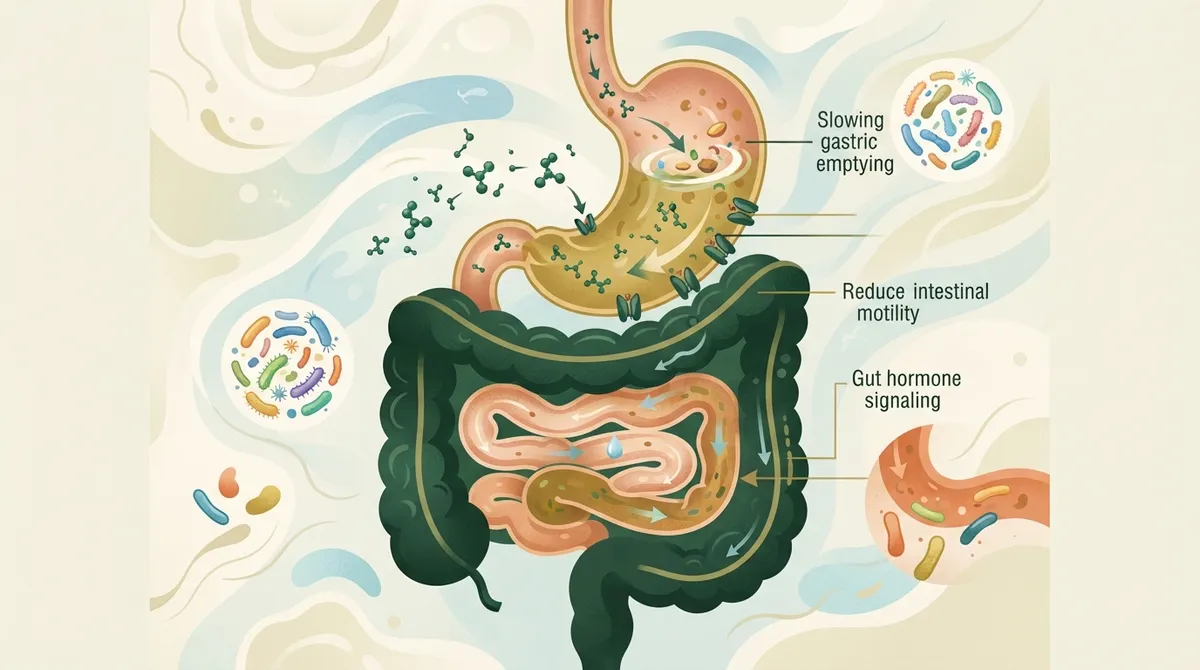
GLP-1 receptor agonists work by slowing down how fast food leaves your stomach. This helps you feel full longer, which is great for weight loss. But it also means everything moves slower through your digestive system, including waste.
Add in the fact that many people eat less food and drink less water while on these medications. Less food and less fluid mean less material moving through your bowels. This combination is often the real reason behind the constipation, not the medication alone.
How Common Is This Side Effect?
Research shows constipation shows up in about 4% to 12% of people in many GLP-1 clinical trials. However, some studies focused on obesity treatment reported rates as high as 25% to 35%. The numbers vary based on the specific medication, the dose, and each person’s normal bowel habits.
If you’re curious about how these medications work overall, our article on understanding GLP-1 peptide therapy breaks down the full picture beyond just this one side effect.

Common GLP-1 Medications Linked to Constipation
| Medication | Common Use | Reported Constipation Range |
|---|---|---|
| Semaglutide | Weight loss, diabetes | 4% to 24% |
| Tirzepatide | Weight loss, diabetes | 6% to 17% |
| Liraglutide | Weight loss, diabetes | 5% to 20% |
| Dulaglutide | Diabetes management | 4% to 12% |
These numbers come from a clinical review on GLP-1 gastrointestinal side effects, and they can shift based on dose and how quickly it’s increased. If you’re weighing which weight loss peptide fits your body best, our guide on which weight loss peptides actually work covers the tradeoffs in plain language.
Step-by-Step Constipation Relief Treatment
Most cases of GLP-1-related constipation respond well to simple changes. Here’s the order most providers recommend trying:
1. Check Your Fluid Intake First
Dehydration is one of the biggest hidden causes of constipation on peptide therapy. Aim for at least 64 ounces of water daily, more if you’re active or in a hot climate. Many people simply forget to drink enough once their appetite drops.
2. Add Fiber Slowly and Carefully
Fiber helps bulk up stool and keep things moving. Most adults benefit from 20 to 30 grams of fiber daily, but you need to increase it gradually. Adding too much fiber too fast can actually make bloating and discomfort worse, especially if you already feel nauseous.
3. Move Your Body Every Day
Physical activity stimulates your gut naturally. Health experts recommend at least 150 minutes of moderate exercise weekly. Even a daily 20-minute walk can help wake up sluggish bowels.
4. Build a Bathroom Routine
Try to sit on the toilet around the same time each day, ideally after a meal. This trains your body’s natural rhythm and can make bowel movements more predictable.
5. Talk to Your Provider About Timing and Dose
Sometimes the fix isn’t about diet at all. Your provider may slow down your dose increase or adjust timing to give your gut more time to adjust.
6. Consider an Over-the-Counter Osmotic Laxative
If lifestyle changes aren’t enough, many providers recommend polyethylene glycol, also known as MiraLAX. This osmotic laxative draws water into the bowel and is generally considered gentle and effective for GLP-1-related constipation.
7. Reserve Stimulant Laxatives for Short-Term Use
Products containing senna or bisacodyl can provide quick relief, but they aren’t meant for daily long-term use. Think of these as a rescue option, not a permanent plan.
When Over-the-Counter Options Aren’t Enough
Sometimes constipation sticks around despite doing everything right. In these cases, your provider may consider prescription options. The FDA has approved several prescription medications for chronic constipation, though not all are automatically appropriate for GLP-1-related symptoms.
| Treatment Type | Examples | Best For |
|---|---|---|
| Osmotic laxatives | Polyethylene glycol | First-line, gentle daily use |
| Stimulant laxatives | Senna, bisacodyl | Short-term rescue relief |
| Prescription secretagogues | Linaclotide, plecanatide | Chronic, stubborn cases |
| Prokinetic agents | Prucalopride | When motility is severely reduced |
According to the American Gastroenterological Association and American College of Gastroenterology 2023 guidelines, polyethylene glycol, linaclotide, plecanatide, and prucalopride all carry strong recommendations for chronic idiopathic constipation. But these decisions should always be made with a licensed provider who understands your full health picture, not on your own.
What Not to Assume About Your Symptoms
It’s tempting to blame every stomach issue on your peptide therapy. But that’s not always accurate, and assuming so can delay real answers. Persistent or severe constipation deserves a closer look for these possible causes:
- Fecal impaction or bowel obstruction
- Pelvic floor dysfunction
- Underactive thyroid (hypothyroidism)
- Interactions with other medications you’re taking
- Underlying digestive conditions unrelated to peptide therapy
- Low fiber or fluid intake unrelated to the medication itself
This is exactly why working with a knowledgeable provider matters so much. To understand more about how peptide side effects are managed as a whole, check out our article on what causes GLP-1 side effects and how to manage them.
Red Flags That Need Immediate Medical Attention
Most GLP-1-related constipation is manageable and not dangerous. But certain symptoms mean you should seek care right away, not wait it out. Call your provider or go to urgent care if you experience:
- Severe or worsening abdominal pain
- Noticeable abdominal swelling or distension
- Repeated vomiting
- Inability to pass any stool or gas
- Blood in your stool
- Fainting or feeling extremely lightheaded
- Signs of dehydration, like dark urine or dizziness
These symptoms could point to a bowel obstruction or another serious issue. This is not the time for home remedies. It’s the time to get evaluated quickly.
How Long Does GLP-1 Constipation Usually Last?
For most people, constipation is worst during the first few weeks of starting a GLP-1 medication or right after a dose increase. As your body adjusts, symptoms often ease within two to four weeks. If constipation persists beyond that window despite good hydration, fiber, and movement, it’s time to reassess your plan with your provider.
Peptides are powerful tools, but they work best with support and monitoring. That’s part of why understanding what peptides are and how they work in your body can help you feel more confident managing side effects along the way.
Why Personalized Monitoring Matters So Much
Not every body responds to GLP-1 therapy the same way. Someone with a history of slow digestion may need a much slower dose increase than someone without that history. This is exactly why blood work and ongoing check-ins matter so much before and during treatment.
At Allura Longevity, every client starts with lab work through LabCorp and a personalized six-month plan built around their actual health data. Licensed providers, led by board-certified Family Nurse Practitioner Ashley, monitor progress and adjust doses when side effects like constipation show up. This kind of hands-on care helps catch problems early instead of letting them turn into bigger issues.
If you’re new to this kind of care, our guide on how to start peptide therapy safely walks through what the process looks like from day one.
Simple Daily Habits That Support Healthy Digestion on Peptide Therapy
Beyond the medical side, small daily habits add up. Here’s a quick list worth keeping on your fridge or phone:
- Drink water first thing in the morning before coffee
- Keep a high-fiber snack like berries or chia seeds on hand
- Set a daily reminder to move for at least 20 minutes
- Track your bowel habits in a notes app so you notice patterns
- Avoid skipping meals completely, even small portions help motility
- Mention any digestive changes at every check-in with your provider
These habits also support broader wellness goals beyond just digestion, something many of our clients care about as part of their overall weight loss journey with peptide therapy.
Is It Safe to Combine Constipation Treatments With Peptide Therapy?
Generally, yes, but the key word is “generally.” Osmotic laxatives like polyethylene glycol are usually well tolerated alongside GLP-1 medications. Prescription options require more caution because of possible interactions with kidney function, other medications, or existing health conditions.
According to a review published by the National Library of Medicine, stepwise management starting with lifestyle changes and moving to medication only when needed remains the safest approach for most patients. This is also the approach recommended by clinical guidelines for managing GLP-1 gastrointestinal side effects.
Understanding what are peptides and how they interact with your digestive system can also help you feel more prepared for these conversations with your provider.
Bringing It All Together
Constipation on GLP-1 peptide therapy is common, usually mild, and almost always treatable. The path forward is straightforward: check your hydration, add fiber slowly, move your body, and don’t be afraid to ask your provider about dose timing. Reserve laxatives for when lifestyle changes aren’t quite enough, and always watch for red flag symptoms that need urgent care.
You don’t have to figure this out alone. Allura Longevity’s licensed providers build every treatment plan around your actual blood work and personal history, so side effects like constipation get caught and managed early. Ready to get a plan built specifically for your body? Request a consultation today and take the guesswork out of your peptide therapy journey. Spots are limited each month, so don’t wait to get the support you deserve.
FAQs
Q: Can GLP-1 peptide therapy cause constipation?
A: Yes, it’s actually one of the more common side effects we see. GLP-1 medications slow down digestion, which can lead to less frequent bowel movements. The good news is most people find relief with simple changes like more water, fiber, and movement.
Q: How do you relieve constipation caused by semaglutide or tirzepatide?
A: Start with the basics: drink plenty of water, add fiber gradually, and get moving with daily walks or light exercise. If that’s not cutting it, an osmotic laxative like polyethylene glycol is often the next safe step your provider might suggest.
Q: What is the safest laxative to use while taking a GLP-1 medication?
A: Polyethylene glycol, sold as MiraLAX, is generally considered gentle and well-tolerated for most people on GLP-1 therapy. Always check with your provider first, especially if you have kidney concerns or take other medications.
Q: Should I increase fiber if I have constipation and nausea on peptide therapy?
A: Go slowly here. Adding too much fiber too fast when you’re already nauseous can make you feel worse, not better. Small, gradual increases paired with plenty of water tend to work best.
Q: When is constipation on a weight-loss injection an emergency?
A: If you have severe abdominal pain, can’t pass gas or stool at all, are vomiting repeatedly, or notice blood in your stool, seek care right away. These symptoms could point to something more serious than typical medication-related constipation.





