

Key Takeaways
-
The only FDA-approved peptide-related option for women's low desire is bremelanotide (Vyleesi), approved in 2019 for acquired, generalized HSDD in premenopausal women only.
-
Bremelanotide is not a hormone and not a general libido booster; it acts on brain desire pathways and is used as needed, at least 45 minutes before anticipated sexual activity.
-
Bremelanotide can temporarily raise blood pressure and cause skin darkening, so it is contraindicated for people with uncontrolled hypertension or known cardiovascular disease.
-
Low desire has many possible causes, including stress, mood changes, certain medications, pain during sex, menopause, and thyroid or metabolic issues, so a full check-up should come before any treatment.
-
Bremelanotide is not indicated for postmenopausal women, and many other libido peptides sold online are investigational or unapproved, with product quality and dosing often unclear.
-
Compounded or research-use peptides are not equivalent to FDA-approved bremelanotide, so verify product legitimacy and discuss risks with a licensed clinician before trying them.
Let’s talk about something that doesn’t get discussed nearly enough: what happens when your desire takes a quiet vacation. If you’ve noticed that intimacy feels less appealing than it used to, you are far from alone. And if you’ve been scrolling online wondering whether peptide therapy could help, you’re asking a smart question.
So, is there peptide therapy for women’s sexual wellness? Yes, in one specific and well-defined way. The U.S. FDA approved a peptide-related prescription medicine in 2019 for a certain type of low sexual desire in premenopausal women. Beyond that, the picture gets more complicated, and a lot of online claims run ahead of the science.
In this friendly guide, we’ll walk through what is actually approved, who it is for, how it works, what the risks are, and how to separate real options from hype. Whether you’re a health optimizer, a busy professional, or someone simply curious about the latest in peptides for women, you’ll leave with clear, honest answers.

The Short Answer: Yes, But It’s Narrow
The clearest peptide-related option is bremelanotide, sold under the brand name Vyleesi. The FDA approved it on June 21, 2019, for acquired, generalized hypoactive sexual desire disorder (HSDD) in premenopausal women.
That is a very specific diagnosis. It means low desire that:
- Developed after a period of normal desire (acquired)
- Shows up in all situations, not just with one partner or setting (generalized)
- Causes real personal distress
- Is not mainly explained by a medical or psychiatric condition, relationship problems, or medication or substance effects
In other words, this is not a general libido booster. It is a prescription medicine for a defined condition. If you want a broader look at the topic, our guide on 8 peptide facts that redefine sexual wellness in 2026 is a helpful companion read.
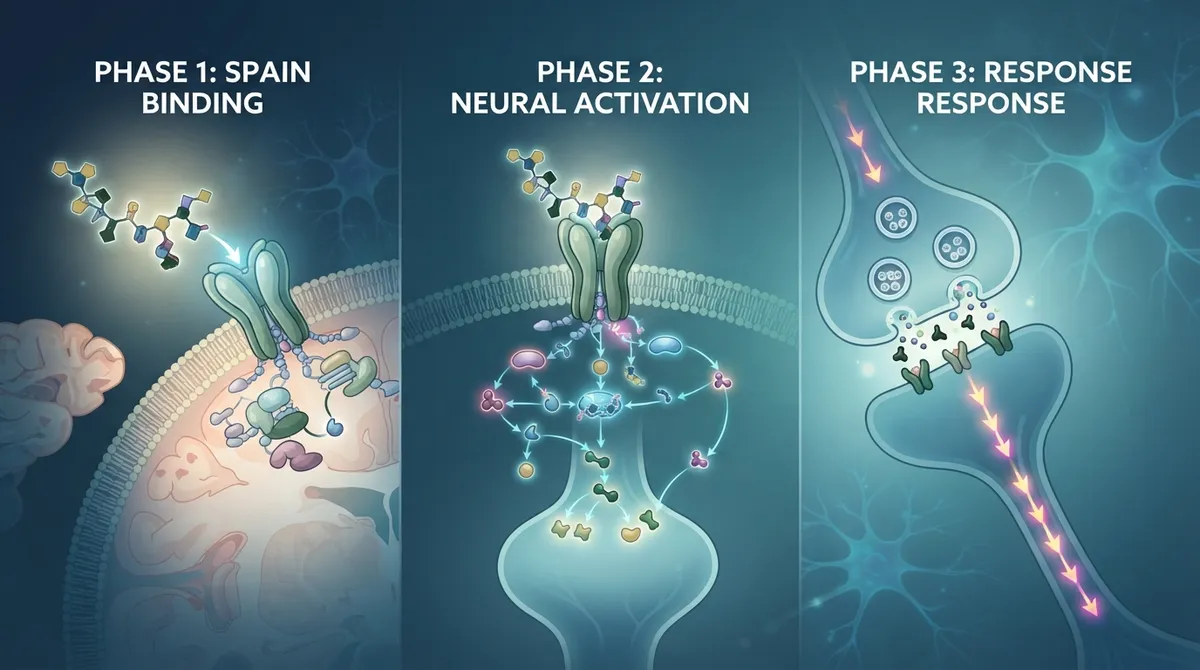
What Is Bremelanotide (Vyleesi) and How Does It Work?
Bremelanotide is a melanocortin-receptor agonist. That is a fancy way of saying it activates certain receptors in the body, including pathways in the central nervous system thought to influence sexual desire.
Here is what makes it different from what many people expect:
- It is not a hormone. It does not simply raise estrogen or testosterone.
- It works in the brain’s desire pathways. That is why it is considered a central-acting treatment rather than a blood-flow treatment.
- It is used as needed. You don’t take it every day.
If you’d like to understand the basics of peptides themselves first, check out 8 facts that explain what are peptides in 2026. You can also browse general background on what are peptides from a trusted health source.
Vyleesi at a Glance
| Feature | What the FDA Label Says |
|---|---|
| Drug class | Melanocortin-receptor agonist |
| Approved for | Acquired, generalized HSDD in premenopausal women |
| Not indicated for | Postmenopausal women, men, or improving sexual performance |
| Dose | 1.75 mg injected under the skin |
| Injection site | Abdomen or thigh |
| Timing | At least 45 minutes before anticipated sexual activity |
| Limits | No more than one dose in 24 hours; no more than eight doses per month recommended |
These details come from the FDA drug label, which is the best place to double-check specifics with your clinician.
Who May Be a Candidate?
Because the approval is so specific, not everyone is a fit. Bremelanotide may be worth discussing if you:
- Are premenopausal
- Have noticed a lasting drop in desire that began after a time of normal desire
- Feel genuine distress about it, not just a mismatch with a partner’s schedule
- Have ruled out other causes with a licensed provider
- Do not have uncontrolled high blood pressure or known cardiovascular disease
That last point matters a lot, and we’ll cover why in the safety section below.
What About Postmenopausal Women?
This is a common question. The FDA label says bremelanotide is not indicated for postmenopausal women. If you are in perimenopause or beyond, other approaches may be a better fit, and it’s worth exploring the full picture. Our article on 6 real treatments for low libido in women covers several evidence-based paths, and 10 safest hormone therapy options for women is useful if hormones are part of the story.
Side Effects and Safety: What You Should Know
Every medicine has trade-offs, and being honest about them is part of good care. According to the FDA label, common side effects include:
- Nausea (the most common)
- Flushing
- Injection-site reactions
- Headache
- Vomiting
There are a few bigger flags to know about, too:
- Blood pressure and heart rate: Bremelanotide can temporarily raise blood pressure and lower heart rate. It is contraindicated in people with uncontrolled hypertension or known cardiovascular disease.
- Skin darkening: Focal hyperpigmentation can occur. The risk is higher with frequent use and in people with darker skin.
This is exactly why a medical assessment comes first. For a broader look at safety across the category, see Is Peptide Therapy Safe? What You Really Need to Know.
Why Low Desire Deserves a Full Check-Up First
Here is something many people don’t hear: low desire is rarely just one thing. A good clinician looks at the whole picture before reaching for any treatment.
Things that can quietly dim desire include:
- Stress, burnout, and poor sleep
- Mood changes, anxiety, or depression
- Certain medications, including some antidepressants
- Pain during sex
- Menopause-related symptoms
- Relationship strain or communication gaps
- Thyroid, metabolic, or other health conditions
Treatment might involve fixing an underlying cause, counseling or sex therapy, and other evidence-based care. A peptide is only one possible tool, and it is not right for everyone. If you’re curious how hormones and desire connect, 6 facts about menopause hormone imbalance in 2026 is a great place to start.
How Common Is Low Sexual Desire?
If this feels like a lonely topic, the numbers say otherwise. Research shows sexual concerns are very common, though estimates vary a lot depending on how they are measured.
| Source | Finding | Important Note |
|---|---|---|
| 2025 systematic review and meta-analysis | Pooled female sexual dysfunction prevalence of 47.81% (95% CI 39.19–56.43%) | Varied widely by population and measurement method |
| 2008 Australian survey of women aged 20–70 | HSDD estimated at 16% (95% CI 12–20%) on one instrument | Estimates ranged from 32% to 58% with other instruments |
The takeaway? Definitions and measurement change the numbers dramatically, so don’t treat any single figure as universal. But the broader message is clear: many women experience changes in desire, and seeking help is completely normal.
What About Other “Libido Peptides” You See Online?
This is where a little caution goes a long way. You may see other peptides promoted for libido or sexual wellness on social media or by some clinics. Many of these are investigational, and they lack the evidence and FDA approval that bremelanotide has for women’s low desire.
You may also come across the name PT-141. It is closely related to bremelanotide in online conversations, but it is often discussed in ways that blur the line between the approved product and unapproved or research-use versions. For a deeper look, see 9 intimate wellness facts about PT-141 in 2026 and 14 bremelanotide facts about erectile dysfunction.
Here is a quick way to compare what is established with what is not:
| Question to Ask | FDA-Approved Bremelanotide (Vyleesi) | Other Promoted Libido Peptides |
|---|---|---|
| FDA-approved for women’s low desire? | Yes, for premenopausal acquired, generalized HSDD | Generally no |
| Clear dosing in an official label? | Yes | Often unclear or inconsistent |
| Published safety warnings? | Yes, in the FDA label | Often limited or missing |
| Product quality oversight? | Manufactured under FDA-approved standards | Varies; research-use products are not equivalent |
Compounded or research-use products are not the same as FDA-approved bremelanotide. If you’re weighing options, our explainer on FDA-approved vs. compounded peptides breaks down the differences in plain English.
How to Approach This Safely: A Simple Roadmap
Ready to explore your options? Here is a friendly, step-by-step way to do it right:
- Name what is going on. Jot down when you noticed the change, how often it happens, and how much it bothers you.
- Review your medications and health history. Bring a full list to your appointment, including supplements.
- Get proper lab work. Blood work can reveal thyroid, hormone, or metabolic clues that matter.
- Talk to a licensed provider. Ask whether your situation fits the approved indication and whether any contraindications apply.
- Consider the whole plan. Pair any medication with counseling, sleep, stress care, or hormone support if appropriate.
- Follow up. Check in on how you’re feeling and adjust as needed.
If you are new to this world, How to Start Peptide Therapy Safely and See Real Results and How to Get Prescription Peptides Safely in 2026 will help you feel confident about the process.
Where Telehealth Fits In
For busy professionals and anyone who values privacy, telehealth can make this conversation easier. You can talk with a licensed provider from home, share your history, and build a plan without rearranging your whole week.
At Allura Longevity, care is personalized and medically supervised. New clients start with a $50 virtual consultation, complete blood work through LabCorp, and receive a customized six-month plan, with ongoing monitoring and adjustments by licensed providers led by Ashley, a board-certified Family Nurse Practitioner. Telehealth is available nationwide, and Allura is licensed in Florida, Georgia, Texas, Connecticut, Indiana, Maryland, New York, and California.
Not sure how telehealth compares with visiting a clinic? Take a look at Local Clinic vs. Telehealth: Best Peptide Therapy Near You? for an honest comparison. And if you’re building a wider wellness plan, How to Build a Women’s Wellness Peptide Plan shows how sexual wellness can fit into a bigger picture of energy, sleep, skin, and metabolism.
Setting Realistic Expectations
Let’s keep it real. Bremelanotide is not a magic switch. It is used as needed before anticipated activity, it is not meant to improve sexual performance, and results vary from person to person. Some women feel a meaningful difference; others don’t, or can’t tolerate the side effects.
For deeper context on how peptide results unfold in general, see How Long for Peptide Therapy Results? A Real Timeline. You can also read peer-reviewed background through the National Library of Medicine to see how researchers study peptides.
The best outcomes tend to come from a whole-person approach: good sleep, stress support, hormone balance when needed, open communication with a partner, and the right medical guidance.
Final Thoughts: You Deserve Clear Answers
So, is there peptide therapy for women’s sexual wellness? Yes, there is a real, FDA-approved option, but it is designed for a narrow group: premenopausal women with acquired, generalized HSDD who feel distressed by it. For everyone else, and for most other libido peptides you see online, the evidence is thinner and the choices deserve extra caution.
The good news is that you don’t have to figure this out alone. A thoughtful provider can help you sort through the causes, weigh the options, and build a plan that fits your body and your life.
Ready to talk it through? Request a consultation with Allura Longevity and get personalized, medically supervised guidance from the comfort of home. Spots for new clients are limited each month, so reach out today or call (813) 510-6277.
FAQs
Q: Is there an FDA-approved peptide for low sexual desire in women?
A: Yes. Bremelanotide (Vyleesi) was approved by the FDA in 2019 for acquired, generalized hypoactive sexual desire disorder (HSDD) in premenopausal women. It is a prescription medicine for that specific diagnosis, so a licensed provider needs to check whether it fits you.
Q: How is Vyleesi used, and how often can I take it?
A: The labeled dose is 1.75 mg injected under the skin of the abdomen or thigh at least 45 minutes before anticipated sexual activity. You shouldn’t take more than one dose in 24 hours, and more than eight doses per month isn’t recommended.
Q: What are the side effects of bremelanotide?
A: Common side effects include nausea, flushing, headache, vomiting, and injection-site reactions. It can also temporarily raise blood pressure and cause skin darkening, so it isn’t right for people with uncontrolled hypertension or known cardiovascular disease.
Q: Can postmenopausal women use peptide therapy for sexual wellness?
A: Bremelanotide is not indicated for postmenopausal women according to the FDA label. If you’re postmenopausal, a provider can review other options with you, such as addressing hormone changes, pain, mood, or sleep, along with counseling or other evidence-based care.
Q: Are PT-141 and other libido peptides from online sellers safe?
A: Be careful here. Many peptides promoted for libido are investigational or lack FDA approval for women’s sexual dysfunction, and compounded or research-use products are not the same as FDA-approved bremelanotide. Talk with a licensed clinician about product quality, risks, and legal status before trying anything.





