

Key Takeaways
-
Peptides and stem cells are fundamentally different therapies with distinct mechanisms; neither is automatically superior, and choosing between them requires evaluating specific products, your goals, and available evidence for your exact condition.
-
Many peptide medicines have solid clinical evidence for defined uses, while most stem cell products marketed for wellness and tissue repair lack FDA approval for those specific claims, making approval status a critical question to ask providers.
-
Direct head-to-head clinical trials comparing peptides and stem cells are generally missing; fair comparisons must focus on one condition and one product, not broad claims that one category beats the other.
-
Peptide therapy offers higher convenience through telehealth and home delivery with lower infection risk, while stem cell therapies typically require in-clinic procedures and carry documented risks including infection and unwanted tissue growth from unapproved products.
-
Safety depends entirely on the specific product's source, purity, and formulation; prescription peptides from licensed pharmacies differ drastically from unregulated online products, and compounded peptides carry documented immunogenicity risks including potential anaphylaxis.
-
Trustworthy providers ask about FDA approval status, transparent sourcing, evidence specific to your condition, ongoing monitoring through labs, and openly discuss risks and limitations rather than promising guaranteed regeneration.
You have probably heard the buzz. Peptides here, stem cells there, and everyone promising to help you feel younger, recover faster, and get your spark back. If you are trying to sort out peptide therapy versus stem cells, you are not alone. It is a lot to take in, and the marketing can get pretty loud.
Here is the friendly truth up front: these are two very different categories. One is not automatically better than the other. What works, and what is safe, depends on the exact product, your goals, and the quality of the evidence behind it. In 2026, that evidence looks very different for each option.
In this guide, we will walk through what each therapy is, how they work, what the research really says, and the safety questions worth asking. Think of it as a chat with a well-read friend who wants you to make a smart choice. Whether you are a busy professional, a data-driven biohacker, or simply someone who wants to age well, you will leave with a clearer picture and a few good questions to bring to your provider.

What Is Peptide Therapy?
Peptides are short chains of amino acids. Your body makes them naturally, and they act like tiny messengers. They tell cells what to do, from managing appetite to supporting tissue repair. If you want a deeper primer, our guide, 8 Facts That Explain What Are Peptides in 2026, covers the basics. For a general overview, what are peptides is also explained in plain language by WebMD.
Peptide therapy uses specific peptides to support certain functions in the body. Some are approved medicines with strong clinical evidence. Others are used in wellness settings with less human research behind them. That difference matters a lot, and we will come back to it.
How Peptides Are Given
Most peptide therapies are given as small subcutaneous injections. Some come as nasal sprays, creams, or oral forms, though absorption varies. With a telehealth model, a licensed provider reviews your labs and goals, then ships your medication to your home. If you like the idea of skipping the waiting room, you may enjoy reading Local Clinic vs. Telehealth: Best Peptide Therapy Near You?
What Are Stem Cell Therapies?
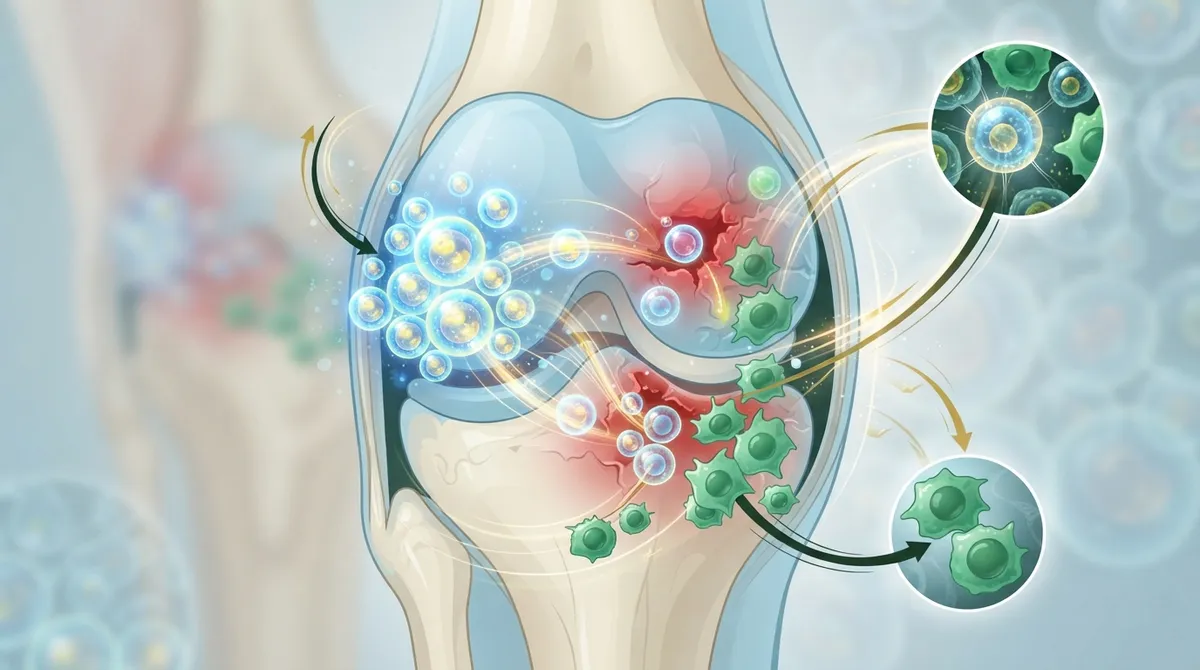
Stem cells are living cells that can develop into other cell types or send signals that affect nearby tissue. Stem cell interventions use these living cells, or products made from them, with the hope of supporting repair or calming inflammation.
The important thing to know is that “stem cell therapy” is not one single treatment. The cells may come from bone marrow, fat tissue, or umbilical cord sources. Each preparation behaves differently. If you are curious about the science, 14 Facts on What Are Stem Cells & Peptide Links is a helpful read.
Where Stem Cells Are Approved
Some cell-based therapies do have real regulatory approval. Certain blood-forming stem cell transplants, for example, are established treatments for specific blood disorders. But the FDA has warned that many stem cell and exosome products marketed directly to consumers are not approved for the conditions being advertised. That includes claims for joint pain, neurologic problems, and other diseases.
Peptide Therapy Versus Stem Cells: Side-by-Side Comparison
Let us put the two next to each other. Keep in mind that each column describes a broad category, so the details change from product to product.
| Feature | Peptide Therapy | Stem Cell Therapy |
|---|---|---|
| What it is | Short amino acid chains that act as signals or drugs | Living cells or cell-derived products |
| Typical delivery | Small injections, sprays, creams; often at home | In-clinic procedures, injections, or infusions |
| Regulatory picture | Some FDA-approved peptide drugs; many wellness peptides are unapproved or compounded | Few approved products; many consumer clinics market unapproved uses |
| How it may work | Binds receptors and influences signaling pathways | Cell signaling, immune effects, other mechanisms |
| Convenience | High with telehealth and home delivery | Usually requires office visits and procedures |
| Head-to-head studies | Generally lacking; comparisons depend on the exact product and condition | |
How Do They Work in the Body?
Peptides may bind to receptors on cells and nudge signaling pathways. That is how some approved peptide medicines work, such as those used for metabolic health. If you want to see how this looks in practice, How to Understand GLP-1 Peptide Therapy in 2026 walks through a well-studied example.
Cell products may work through other routes, like cell signaling or immune effects. Here is a key point worth remembering: a plausible mechanism is not proof of a good result. Something can make sense on paper and still fail to help real patients. That is why indication-specific evidence matters more than a nice-sounding theory.
What Does the Evidence Say?
Here is where honesty matters most. There is no sound general conclusion that peptides beat stem cells, or the other way around. Direct head-to-head studies are generally missing. Any fair comparison has to focus on one condition, one product, and one study.
The Peptide Evidence Picture
Some peptide medicines have solid clinical data for defined uses. Others, especially many promoted for recovery, anti-aging, or tissue repair, lack enough human research and are not FDA-approved for those uses. This is why it helps to separate approved drugs from compounded or research-use products. Our article FDA-Approved vs. Compounded Peptides: What Wins? breaks this down clearly.
For the science-minded, a review in the National Library of Medicine archive offers useful background on peptides as therapeutic agents.
The Stem Cell Evidence Picture
Stem cell research is active and exciting, but results vary by cell type, preparation, and condition. Studies on orthopedic uses, for example, show mixed findings, and quality differs from study to study. If you are weighing joint options, see Does Stem Cell Therapy for Arthritis Really Work? for a grounded look.
Bottom line: neither category is proven to regenerate tissue across the board. Claims should always be tied to a specific condition and a specific product.
Safety: What to Know Before You Decide
Safety is not one-size-fits-all either. Risks depend on the formulation, purity, dose, route, and who makes the product.
Peptide Safety Considerations
- Immune reactions: The FDA has flagged immunogenicity concerns with compounded peptides, including the possibility of immune responses and, in severe cases, anaphylaxis.
- Quality and purity: Impurities and aggregation can affect safety, especially in unregulated sources.
- Source matters: Prescription peptides from licensed pharmacies are very different from “research-use” products sold online.
- Injection technique: Good preparation lowers the chance of problems at the injection site.
To learn how to reduce these risks, read Is Peptide Therapy Safe? What You Really Need to Know and How to Prepare for Safe, Effective Peptide Injections.
Stem Cell Safety Considerations
- Infection risk: Any procedure that places cells in the body carries the chance of infection.
- Unwanted tissue growth: The FDA has warned that unapproved cell products can cause unwanted tissue growth or other complications.
- Unclear regulatory status: Many clinics market products that are not approved for the advertised use.
- Cost without clear benefit: Out-of-pocket prices can be high with uncertain results.
If cost is on your mind, 6 Stem Cell Therapy Cost Facts to Know in 2026 and 9 Stem Cell Therapy Mistakes That Waste Your Money can help you avoid common traps.
Which Goals Do Each Approach Address?
People often ask what each therapy is used for. Here is a simple snapshot. It is not a promise of results, just a look at how each is commonly discussed.
| Goal | Peptide Therapy (commonly discussed) | Stem Cell Therapy (commonly discussed) |
|---|---|---|
| Energy and vitality | Yes, often part of personalized plans | Rarely a primary focus |
| Weight management | Yes, with approved GLP-1 medications and other options | Not a standard use |
| Joint and tissue recovery | Some peptides are used, with varying evidence | Marketed heavily, but often unapproved for these uses |
| Skin and collagen support | Some peptides are used in wellness plans | Limited and varied |
| Sexual wellness | Yes, with certain peptides and hormone support | Limited evidence |
| Established blood disorders | Not applicable | Approved transplants for specific conditions |
Notice that the answer depends on the goal. For everyday vitality and metabolic support, peptides are more commonly part of wellness plans. For serious blood disorders, approved cell transplants play a real role. Different tools, different jobs.
How to Spot a Trustworthy Provider
Whichever path you explore, a few simple habits can protect you. Here are the questions we suggest asking.
- Ask about approval status. Is this specific product FDA-approved for the use being described?
- Ask where it is made. Licensed pharmacies and transparent sourcing are good signs.
- Ask for the evidence. Request studies tied to your specific condition, not general claims.
- Ask about monitoring. Good care includes lab work and follow-up, not a one-and-done sale.
- Ask about risks. A trustworthy provider talks openly about side effects and limits.
- Watch for miracle language. Promises of guaranteed regeneration are a red flag.
You may also like How to Verify FDA Approval Before Peptide Therapy and 15 Peptide Consultation Questions to Ask in 2026 for ready-made question lists.
Why Personalization Matters
Here is something that makes us smile: the best results usually come from plans built around you, not a trend. Your labs, symptoms, sleep, stress, and goals all shape what makes sense. That is why blood work is the starting line, not an afterthought. For a closer look, see How to Use Biomarker Testing to Guide Peptide Therapy.
Allura Longevity takes this approach. Clients begin with a $50 virtual consultation, complete blood work through LabCorp, and receive a customized six-month plan delivered to their door. Licensed providers, led by Ashley, a board-certified Family Nurse Practitioner, monitor progress and adjust as needed. Telehealth is available in Florida, Georgia, Texas, Connecticut, Indiana, Maryland, New York, and California. Wondering how this fits your life? Our peptides for women and peptides for men pages show what personalized care can look like.
A Quick Decision Guide
Still on the fence? Here is a simple way to think it through.
- If you want convenient, at-home support for energy, metabolism, recovery, or vitality, peptide therapy through a licensed telehealth provider may be worth exploring.
- If you are dealing with a specific structural or blood condition, talk with a specialist about approved options or legitimate clinical trials.
- If a clinic pushes a stem cell package with big promises, pause and ask about approval status and evidence first.
- If a source sells “research-use” peptides with no prescriber, skip it. Safety and quality come first.
Wondering about timing once you begin? How Long for Peptide Therapy Results? A Real Timeline sets realistic expectations, and What Are Regenerative Medicine Peptides, and Do They Work? dives into the tissue-repair conversation. You can also compare directly in Muse Cell Therapy vs. Peptide Therapy: Which Wins?
Final Thoughts: Choose With Curiosity and Care
When it comes to peptide therapy versus stem cells, the wisest answer is not “pick a winner.” It is “pick the right tool, from a trustworthy source, for your specific goal.” Both fields are growing, and both have real promise alongside real hype. Ask questions, look for evidence, and lean on licensed professionals who put your safety first.
If personalized, medically supervised peptide care sounds like a good fit, we would love to help. Spots for new clients are limited each month, so request a consultation today, or call (813) 510-6277 to talk with our team. Your next chapter of energy and vitality can start with one simple conversation.
FAQs
Q: What is the difference between peptide therapy and stem cell therapy?
A: Peptides are short amino acid chains that act as signals or medicines, while stem cell therapies use living cells or cell-based products. They work in different ways, so one is not simply a stronger version of the other. The details depend on the exact product and the condition being addressed.
Q: Is peptide therapy safer than stem cell therapy?
A: There is no across-the-board answer, and that is worth knowing. Safety depends on the specific product, its quality, the dose, and how it is given. Compounded peptides can carry immune reaction risks, and unapproved cell products can carry risks like infection or unwanted tissue growth, so always ask about approval status and sourcing.
Q: Are peptides or stem cell treatments FDA-approved?
A: Some peptide medicines and certain cell-based treatments, like specific blood-forming stem cell transplants, are FDA-approved for defined uses. Many peptides and stem cell products marketed for wellness, anti-aging, or tissue repair are not approved for those claims. Check the exact product and its intended use rather than trusting broad promises.
Q: Are there clinical trials that directly compare peptide therapy with stem cell therapy?
A: Direct head-to-head studies are generally lacking, so any comparison should stay tied to one condition and one product. If a source claims one clearly beats the other, ask to see the study, its design, and its year. Your provider can help you read the evidence with a careful eye.
Q: How can I tell whether a stem cell clinic’s treatment is legitimate?
A: Ask whether the specific product is FDA-approved for your condition or offered within a legitimate clinical trial. Be cautious of guaranteed results, vague sourcing, and high-pressure packages. A trustworthy clinic will share evidence, explain risks openly, and welcome your questions.





