
Key Takeaways
-
Low-dose vaginal estrogen has the strongest evidence for treating genitourinary syndrome of menopause (GSM), backed by 7+ clinical trials involving 2,000+ women showing real improvement in dryness, painful sex, and recurrent UTIs.
-
Vaginal estrogen works locally on tissue rather than systemically, available as creams, tablets, rings, or inserts, making it safer and more targeted than systemic hormone therapy for vaginal-specific symptoms.
-
Unexplained vaginal or uterine bleeding must be evaluated before starting estrogen therapy, and women with estrogen-sensitive cancer history need coordinated care between oncology and other providers.
-
Alternative GSM treatments include vaginal DHEA (prasterone) for moderate-to-severe symptoms, oral ospemifene for non-vaginal dosing preference, and non-hormonal moisturizers for mild dryness.
-
Peptide therapy is not currently established as a proven GSM treatment according to 2025 medical guidelines, though it may support overall wellness goals like energy, metabolism, and skin health separately.
-
Personalized treatment decisions require discussing your specific symptoms, delivery method preferences, cancer history, and other wellness goals with your provider using shared decision-making.
If you’ve been dealing with vaginal dryness, discomfort during intimacy, or annoying urinary symptoms since menopause, you’re definitely not alone. In fact, research suggests that anywhere from 27% to 84% of postmenopausal women deal with this kind of discomfort at some point. It’s called genitourinary syndrome of menopause, or GSM for short, and the good news is there’s real science behind treating it. As a telehealth wellness clinic focused on personalized, science-backed care, Allura Longevity believes you deserve clear, honest information about your options, including where hormone therapy fits in and where peptide therapy can genuinely support your broader wellness goals. Let’s break down what actually works, what the newest medical guidelines say, and how to think about your whole-body health journey with confidence.
What Is Genitourinary Syndrome of Menopause, Anyway?
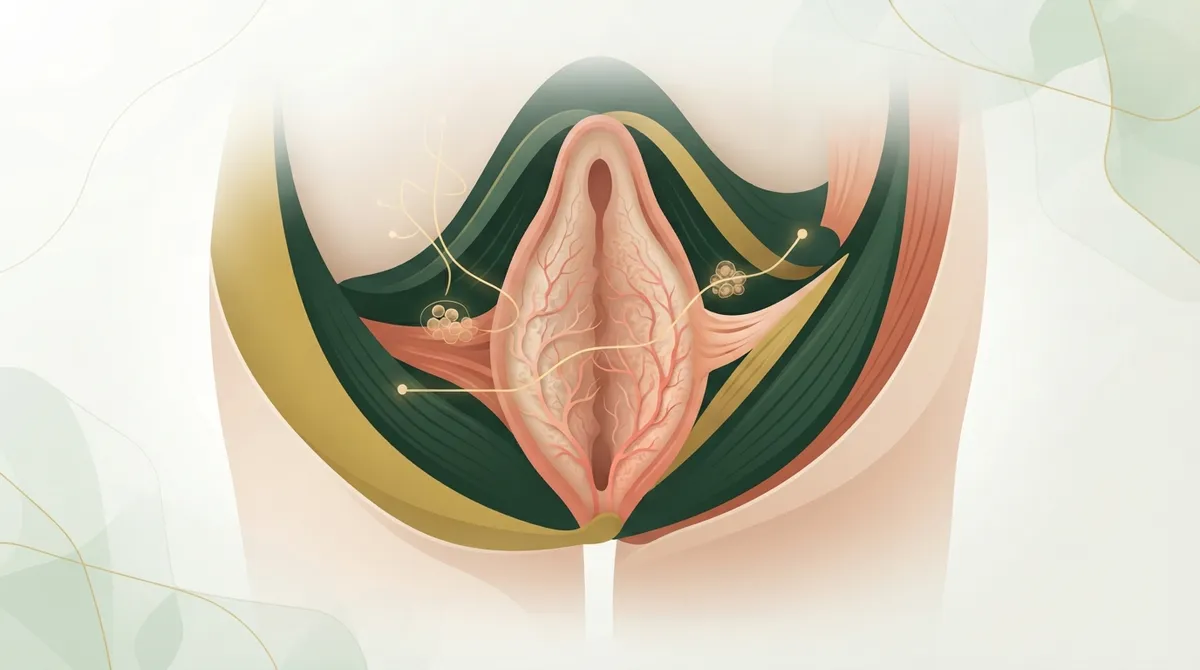
GSM is a fancy term for a simple problem: lower estrogen levels can change the tissues in your vagina and urinary tract. This can lead to dryness, irritation, pain during sex, and even more frequent urinary tract infections. Doctors usually diagnose GSM based on your symptoms, though they may check for other causes too, just to be thorough.
This isn’t just a minor inconvenience. For many women, it affects confidence, relationships, and everyday comfort. That’s exactly why understanding your treatment options matters so much, and why hormone therapy vaginal health solutions have become such an important topic in women’s wellness.

5 Key Facts About Hormone Therapy for Vaginal Health
1. Low-Dose Vaginal Estrogen Has the Strongest Evidence
According to the 2025 AUA/SUFU/AUGS guideline, low-dose vaginal estrogen is the treatment with the most solid research behind it for GSM. This guideline pulled from seven high-quality clinical trials involving more than 2,000 women, comparing vaginal estrogen to a placebo. The results showed real improvement in dryness, discomfort, and pain during sex.
Unlike systemic hormone therapy, vaginal estrogen works locally. That means it targets the tissue that needs help without sending large amounts of hormone throughout your whole body. It comes in a few different forms:
- Creams applied directly to the vaginal area
- Tablets or inserts placed internally
- Flexible rings that release a steady, low dose over time
Because it stays mostly local, doctors often prefer it over systemic hormone therapy when vaginal symptoms are the main concern.
2. It May Also Help Prevent Recurrent UTIs
Here’s something a lot of women don’t realize: low-dose vaginal estrogen can also reduce the chances of getting repeat urinary tract infections after menopause. The 2025 AUA/SUFU/AUGS guideline specifically calls this out as a benefit worth discussing with your provider.
That said, if urinary symptoms stick around or get worse, it’s smart to get checked for other causes. Not every bladder issue is related to hormones, so ruling things out matters.
3. There Are Other Options Beyond Vaginal Estrogen
Vaginal estrogen isn’t the only tool available. Depending on your symptoms and health history, your provider might also discuss:
- Vaginal DHEA (also known as prasterone), an insert used for moderate-to-severe symptoms
- Oral ospemifene, a pill that works differently than hormone-based treatments
- Vaginal moisturizers and lubricants, which can ease mild dryness without hormones at all
The right choice really depends on your symptoms, your medical background, and what feels comfortable for you. This is a decision best made together with your healthcare provider, using shared decision-making rather than a one-size-fits-all approach.
4. Safety Depends on Your Personal Health History
If you’ve had an estrogen-sensitive cancer, especially breast cancer, treatment decisions need extra care. Your oncology team and your other providers should work together on this. It’s also important that any unexplained vaginal or uterine bleeding gets checked out before starting estrogen therapy.
The NAMS position statement notes that long-term safety data on the uterine lining, beyond one year, is still limited for vaginal estrogen, vaginal DHEA, and ospemifene. This doesn’t mean these treatments are unsafe. It just means ongoing monitoring and honest conversations with your provider matter, every step of the way.
5. Peptide Therapy Is Not a Proven GSM Treatment (Yet)
This is an important one, and we want to be straight with you. Current medical guidelines, including the 2025 AUA/SUFU/AUGS guideline, do not identify peptide therapy as an established treatment for vaginal dryness, GSM, or recurrent UTIs. If you come across marketing claims about peptides “repairing” or “rejuvenating” vaginal tissue, those claims need product-specific clinical evidence and proper regulatory backing before they should be trusted.
That said, peptide therapy shines in other areas of women’s health and longevity. Many women turn to personalized peptides for women to support energy, metabolism, skin health, and overall vitality, which can make a real difference in how you feel day to day, even while working with your provider on GSM-specific treatment separately. To understand the science better, check out this helpful overview of what peptides actually are and how they work.
Comparing Your GSM Treatment Options
| Treatment | How It Works | Best For | Evidence Level |
|---|---|---|---|
| Low-dose vaginal estrogen | Local hormone delivery via cream, tablet, or ring | Dryness, painful sex, recurrent UTIs | Strongest (7+ RCTs, 2,000+ women) |
| Vaginal DHEA (prasterone) | Insert converted to hormones locally | Moderate-to-severe GSM symptoms | Established, guideline-supported |
| Oral ospemifene | Pill that acts on vaginal tissue receptors | Women who prefer non-vaginal dosing | Established, guideline-supported |
| Moisturizers & lubricants | Non-hormonal, topical relief | Mild dryness, occasional discomfort | Supportive, lower-strength evidence |
| Peptide therapy | Not established for GSM specifically | Broader wellness, energy, metabolism | Not proven for vaginal health claims |
How Peptide Therapy Fits Into Your Bigger Wellness Picture
While peptide therapy isn’t a substitute for guideline-supported GSM treatments, it can still play a meaningful role in how you feel overall during and after menopause. Many women experience fatigue, brain fog, and slower metabolism alongside hormonal shifts, and this is where personalized peptide protocols can genuinely help.
At Allura Longevity, treatment plans start with a simple $50 virtual consultation and comprehensive blood work through LabCorp. From there, licensed providers, led by board-certified Family Nurse Practitioner Ashley, build a customized six-month plan based on your actual lab results and health goals. If you’re curious about getting started, this guide on how to start peptide therapy safely walks through the process step by step.
Some of the areas peptide therapy may support alongside your menopause care include:
- Energy and mental clarity, which often dip during hormonal transitions
- Metabolic support, including weight loss peptides that actually work
- Skin health and collagen support for a more youthful appearance
- Sleep quality, which frequently suffers during perimenopause and menopause
If you want a broader look at how hormones and menopause interact, this article on menopause hormone imbalance facts covers what’s happening in your body and why.
Questions to Bring to Your Next Appointment
Before you talk with your provider about hormone therapy vaginal health options, it helps to walk in prepared. Here’s a simple checklist:
- What are my specific symptoms, and how long have I had them?
- Do I have any history of estrogen-sensitive cancers or unexplained bleeding?
- Which delivery method (cream, tablet, ring) fits my lifestyle best?
- How soon might I notice improvement, and how will we track progress?
- Are there other wellness goals, like energy or metabolism, worth addressing alongside this?
According to the National Library of Medicine, individualized care and open communication with your provider lead to better outcomes across nearly every area of menopause management. That’s a philosophy Allura Longevity takes seriously, too.
Why Personalized, Telehealth-Based Care Makes This Easier
Let’s be honest: talking about vaginal health isn’t always easy, even with a trusted doctor. Telehealth has changed that conversation for a lot of women by making care more private, more convenient, and easier to fit into a busy schedule. You can discuss your symptoms from home, get your labs done locally, and receive treatment plans without sitting in a crowded waiting room.
This is exactly the kind of convenience Allura Longevity was built around. Licensed in Florida, Georgia, Texas, Connecticut, Indiana, Maryland, New York, and California, the clinic offers ongoing monitoring and adjustments so your plan evolves as your body does. If you’re also curious about how peptides compare to traditional hormone approaches for other symptoms, this comparison of hormone therapy versus peptide therapy is a great next read. And if cost is on your mind, this piece on avoiding hormone therapy cost mistakes can help you plan smart.
You can also learn more about what peptides are and how they differ from hormone treatments, which can help clarify why they serve different purposes in your care plan.
Final Thoughts: Your Comfort and Confidence Matter
Vaginal health after menopause deserves real attention, not embarrassment or silence. Low-dose vaginal estrogen remains the gold-standard, evidence-backed option for most women dealing with GSM symptoms, and it’s worth an honest conversation with your provider. At the same time, supporting your whole-body wellness, energy, metabolism, skin, and mental clarity, can make this stage of life feel a whole lot better too.
If you’re ready to explore a personalized plan built around your actual lab work and goals, Allura Longevity’s licensed providers are here to help you feel like yourself again. Spots are limited each month, so if you’ve been thinking about it, now’s a great time to request a consultation and start building a plan that actually fits your body and your life. You can also reach the team directly at (813) 510-6277 with any questions.
FAQs
Q: What is genitourinary syndrome of menopause (GSM)?
A: GSM is a group of symptoms caused by lower estrogen levels after menopause, including vaginal dryness, irritation, painful sex, and urinary issues. It’s incredibly common, affecting anywhere from 27% to 84% of postmenopausal women, so please know you’re not alone in dealing with it!
Q: Does vaginal estrogen help vaginal dryness and painful sex?
A: Yes, it does, and the evidence is strong. The 2025 AUA/SUFU/AUGS guideline points to seven solid clinical trials showing real improvement in dryness and discomfort for women using low-dose vaginal estrogen.
Q: Is peptide therapy proven to improve vaginal health or treat GSM?
A: Not yet, and we want to be honest with you about that. Current medical guidelines don’t identify peptide therapy as a proven GSM treatment, though it can still be a wonderful addition to your overall wellness routine for energy, metabolism, and vitality.
Q: Is low-dose vaginal estrogen safe for breast cancer survivors?
A: This really depends on your individual history, so it’s best to work closely with both your oncologist and your regular provider. Treatment decisions should always be personalized, especially if you’ve had an estrogen-sensitive cancer.
Q: When should vaginal dryness or postmenopausal bleeding be evaluated by a clinician?
A: Any unexplained bleeding after menopause should be checked out right away, just to rule out other causes before starting any hormone treatment. If dryness or discomfort is bothering your daily life, that’s also a great reason to reach out to a provider sooner rather than later.





