
Key Takeaways
-
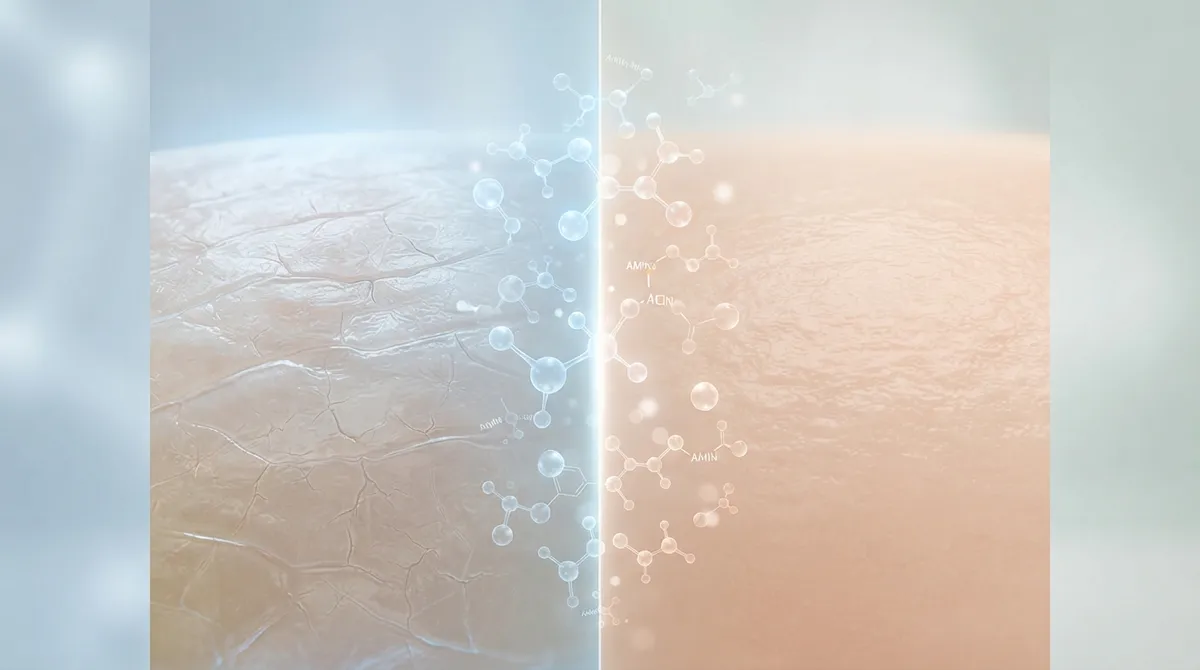
Estrogen decline during menopause causes collagen loss of nearly one-third in the first 5 years, followed by 2.1% yearly decline, resulting in visible dryness, fine lines, and reduced firmness.
-
Research shows only modest skin elasticity improvements from hormone therapy (standardized mean difference of 0.28), and skin benefits are not an approved use—they're considered a possible side effect of treatment for broader menopausal symptoms.
-
Hormone therapy and peptide therapy are fundamentally different; hormones regulate broad body systems while peptides are short amino acid chains signaling specific cell functions, so evidence for one does not apply to the other.
-
Before starting any hormone or peptide protocol, require bloodwork-based personalized assessment, choose a licensed provider with ongoing monitoring capabilities, and expect gradual results over 4-6 months rather than overnight improvements.
If you’ve noticed your skin feeling thinner, drier, or less bouncy as you get older, you’re not imagining things. Many people search for answers about hormone therapy skin health, hoping to understand what’s really happening and what actually helps. It’s a great question to ask, and you deserve honest, clear answers instead of hype.
Here’s the thing: there’s a big difference between traditional hormone therapy and peptide therapy, even though both get mentioned in the same conversations about aging skin. This article breaks down what the research actually shows, where peptide therapy fits in, and how to make smart, informed choices for your skin and overall wellness. Whether you’re a busy professional squeezing in research between meetings or a dedicated biohacker who loves digging into the data, we’ve got you covered.
1. Estrogen Decline Is Linked to Visible Skin Changes
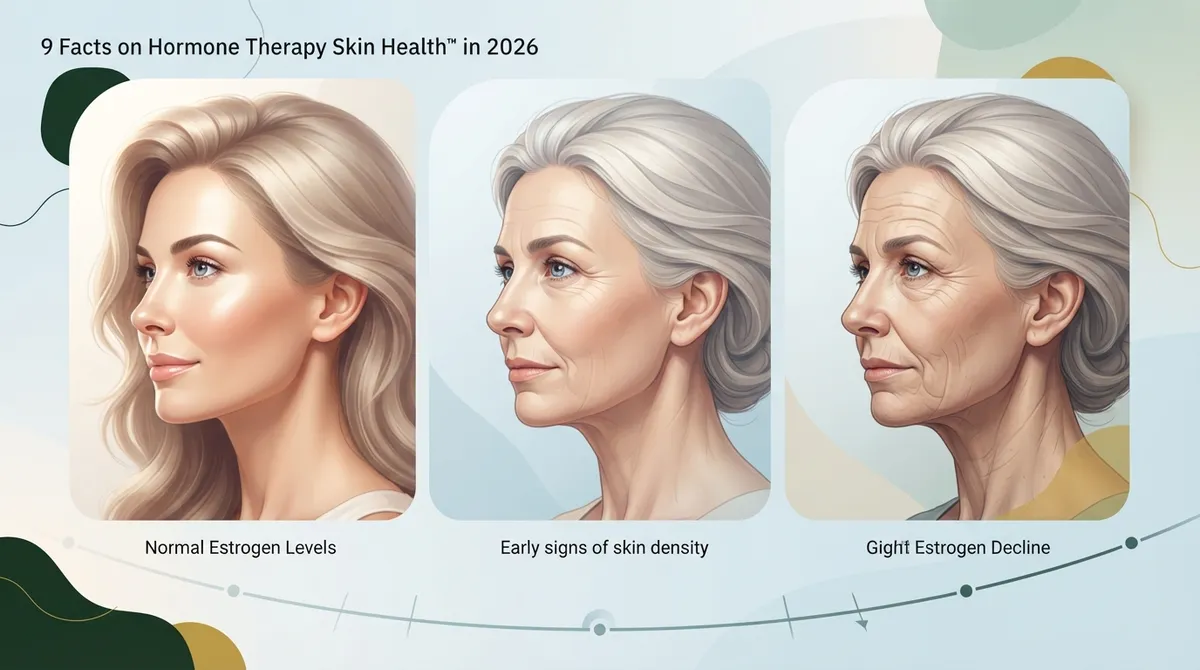
As estrogen levels drop during menopause, skin often loses collagen, thickness, elasticity, and moisture. This can show up as dryness, fine lines, and a less firm appearance. It’s a totally normal part of aging, and you’re definitely not alone in noticing it.
That said, hormones aren’t the only culprit. Sun exposure, smoking, genetics, and plain old chronological aging all play a role too. Understanding this bigger picture helps set realistic expectations for any treatment you consider, including peptide-based options.
2. What the Research Actually Says About Hormone Therapy and Skin
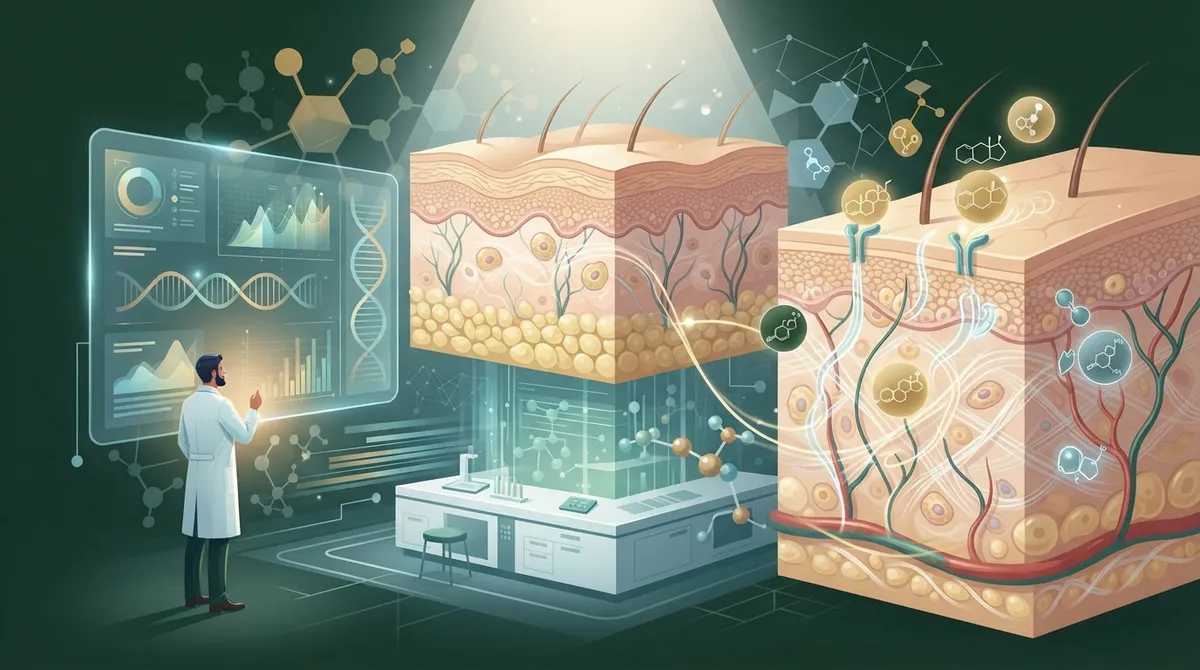
The North American Menopause Society’s 2022 position statement notes that estrogen therapy may benefit skin thickness, elasticity, collagen, and moisture when used around menopause. However, this isn’t an approved use on its own. Skin improvement is considered a possible side benefit, not a primary reason to start hormone therapy.
A systematic review and meta-analysis looked at 15 studies involving 1,589 participants. It found a modest improvement in skin elasticity, with a standardized mean difference of 0.28. Researchers were clear, though: the studies were limited, and better trials are still needed.
Key Numbers Worth Knowing
| Finding | Detail |
|---|---|
| Collagen loss after menopause | Nearly one-third lost in first 5 years |
| Ongoing yearly collagen decline | About 2.1% per year for next 15 years |
| Meta-analysis sample size | 15 studies, 1,589 participants |
| Elasticity improvement (SMD) | 0.28 (95% CI 0.03–0.54) |
| Recent trials in past decade | None identified in 2025 review |
These numbers are useful, but they’re averages. Your own skin journey may look different depending on genetics, lifestyle, and health history.
3. Hormone Therapy and Peptide Therapy Are Not the Same Thing
This is one of the biggest points of confusion out there, so let’s clear it up. Hormones like estrogen, progesterone, and testosterone are chemical messengers your body naturally produces. Peptides are short chains of amino acids that act more like precise signals telling cells what to do.
Evidence that estrogen may help skin does not automatically mean peptides do the same thing. Each peptide product needs its own body of human research to back up any claims. If you’re curious about the science, our guide on what peptides actually are is a great starting point.
4. Why Product-by-Product Evidence Matters
Laboratory studies and animal research get people excited, but they don’t prove a product works in humans. Topical cosmetic peptides are also different from injectable or compounded ones. It’s easy to see a headline and assume it applies broadly, but that’s rarely accurate.
When evaluating any peptide for skin health, ask these three questions:
- Has this specific peptide been studied in human clinical trials?
- Was the study designed well, with a reasonable number of participants?
- Does the delivery method (injectable, topical, oral) match how it was actually tested?
This kind of careful thinking protects your wallet and your health. Learn more about how to prepare for peptide injections in this practical guide.
5. Skin-Supportive Peptides Worth Discussing With Your Provider
Some peptides are being explored for their potential role in skin health, tissue repair, and collagen support. This is an evolving area, and it’s important to talk with a licensed provider about what’s realistic for your goals.
- Peptides studied for collagen stimulation and skin texture
- Peptides explored for wound healing and tissue repair
- Growth hormone-releasing peptides sometimes discussed alongside skin and recovery goals
For a deeper dive, check out our article on triggering collagen stimulation with peptides or our overview of what peptides really do for skin.
6. Risks to Understand Before Starting Any Hormone or Peptide Protocol
Systemic hormone therapy isn’t a one-size-fits-all anti-aging fix. It requires a careful look at your age, time since menopause, medical history, and the specific formulation and dose. This is why working with a qualified clinician matters so much.
The same logic applies to peptide therapy. Not every product is created equal, and not every provider follows the same safety standards. According to the National Library of Medicine, individualized assessment and monitoring are essential parts of any hormone-related treatment plan.
Quick Comparison: Hormone Therapy vs. Peptide Therapy
| Feature | Hormone Therapy | Peptide Therapy |
|---|---|---|
| What it is | Replaces declining hormones like estrogen | Short amino acid chains signaling specific cell functions |
| Skin evidence | Modest, limited clinical support | Varies widely by specific peptide |
| Approved for skin alone | No | No, evaluated product by product |
| Delivery methods | Pills, patches, creams, pellets | Injections, topicals, oral (less common) |
| Requires bloodwork | Yes | Yes, for personalized dosing |
7. How Personalized Care Makes a Real Difference
No two people age the same way, which is why cookie-cutter treatment plans rarely deliver great results. A thoughtful approach starts with bloodwork to understand your baseline hormone and health markers.
At Allura Longevity, every client begins with a virtual consultation and lab work through LabCorp. This data shapes a custom six-month plan built around your actual biology, not guesswork. Ashley, our board-certified Family Nurse Practitioner, and her team monitor your progress and adjust your protocol as needed.
This kind of personalized attention matters whether you’re focused on skin health, energy, or long-term vitality. If you want to understand how the process works from start to finish, read our guide on starting peptide therapy safely.
8. Realistic Expectations Set You Up for Success
It’s tempting to want overnight results, but skin health is a slow, steady process. Most people notice gradual changes over weeks and months, not days. Patience paired with consistency tends to deliver the best long-term outcomes.
Here’s a simple way to think about your timeline:
- Weeks 1–4: Baseline adjustment, some clients notice subtle changes in energy or skin texture.
- Months 2–3: More noticeable improvements may begin, depending on the specific protocol.
- Months 4–6: Cumulative benefits often become more apparent, especially with consistent use.
For a broader look at timing, our article on when peptide therapy results typically show offers helpful context.
9. Questions to Ask Before Choosing a Provider
Not all telehealth clinics or hormone providers are created equal. Before committing to any program, it’s smart to ask a few key questions:
- Is bloodwork required before starting treatment?
- Will a licensed provider personally review my labs and health history?
- How often will my plan be monitored and adjusted?
- Is the clinic licensed to practice in my state?
Allura Longevity is licensed in Florida, Georgia, Texas, Connecticut, Indiana, Maryland, New York, and California, with nationwide telehealth access for eligible clients. Our team is here to answer your questions honestly, without pressure or hype. To learn more about what quality peptide products look like, check out our resource on what are peptides.
Spots for new clients are limited each month, so if you’ve been curious about a personalized approach to skin health, energy, and vitality, now is a great time to reach out. You can request a consultation to start your own custom treatment plan, backed by real bloodwork and guided by licensed medical providers who genuinely care about your results.
FAQs
Q: Can hormone therapy improve skin elasticity and collagen after menopause?
A: Research suggests estrogen therapy may offer modest improvements in skin elasticity and collagen for some people around menopause. However, the studies are limited, and results vary from person to person, so it’s not a guaranteed outcome.
Q: Is hormone therapy approved specifically for skin rejuvenation?
A: No, skin benefits are considered a possible side effect rather than an approved standalone use. Hormone therapy is prescribed for broader menopausal symptoms, with skin changes as one part of the bigger picture.
Q: How is peptide therapy different from menopausal hormone therapy?
A: Hormones and peptides work differently in the body, even though people sometimes lump them together. Peptides are short amino acid chains that signal specific cell functions, while hormones like estrogen regulate broader systems, so evidence for one doesn’t automatically apply to the other.
Q: Is there solid clinical evidence that peptide therapy improves skin health?
A: Evidence varies quite a bit depending on the specific peptide and how it’s studied. It’s always smart to look for human clinical trials for that exact product rather than relying on lab or animal studies alone.
Q: What should I look for before starting a peptide protocol for skin health?
A: Look for a provider who requires bloodwork, offers personalized dosing, and provides ongoing monitoring. This kind of careful, individualized approach gives you the best chance at safe, meaningful results.





