
Key Takeaways
-
Hormones like estrogen, progesterone, cortisol, and thyroid hormones directly control gut motility and inflammation; imbalances cause bloating, constipation, and acid reflux that won't improve with diet changes alone.
-
Peptide therapy (BPC-157, GLP-1, Sermorelin) supports both hormone and digestive health by repairing gut lining, reducing inflammation, and regulating appetite and metabolism simultaneously.
-
Blood work is essential before treatment—personalized plans based on actual lab results from LabCorp are significantly more effective than generic protocols for addressing hormone-related digestive issues.
-
Digestive symptoms worsening around your cycle, paired with fatigue or new food sensitivities after age 35-40, are key indicators that hormones—not just diet—are causing your gut problems.
Ever notice how your gut feels off when your hormones are out of whack? You’re not imagining it. Your stomach and your hormones are best friends, whether you realize it or not. When one struggles, the other usually follows close behind. If you’ve been dealing with bloating, weird digestion, or an upset stomach along with hormone symptoms, this article is for you.
We’re going to break down the real connection between hormone therapy digestive health and how peptide therapy can support both at the same time. This matters whether you’re a busy professional trying to feel normal again, someone tracking every biomarker you can, or simply a person who wants their body to work the way it used to. Let’s dig in together, in plain, friendly terms.
The Surprising Link Between Hormones and Your Gut
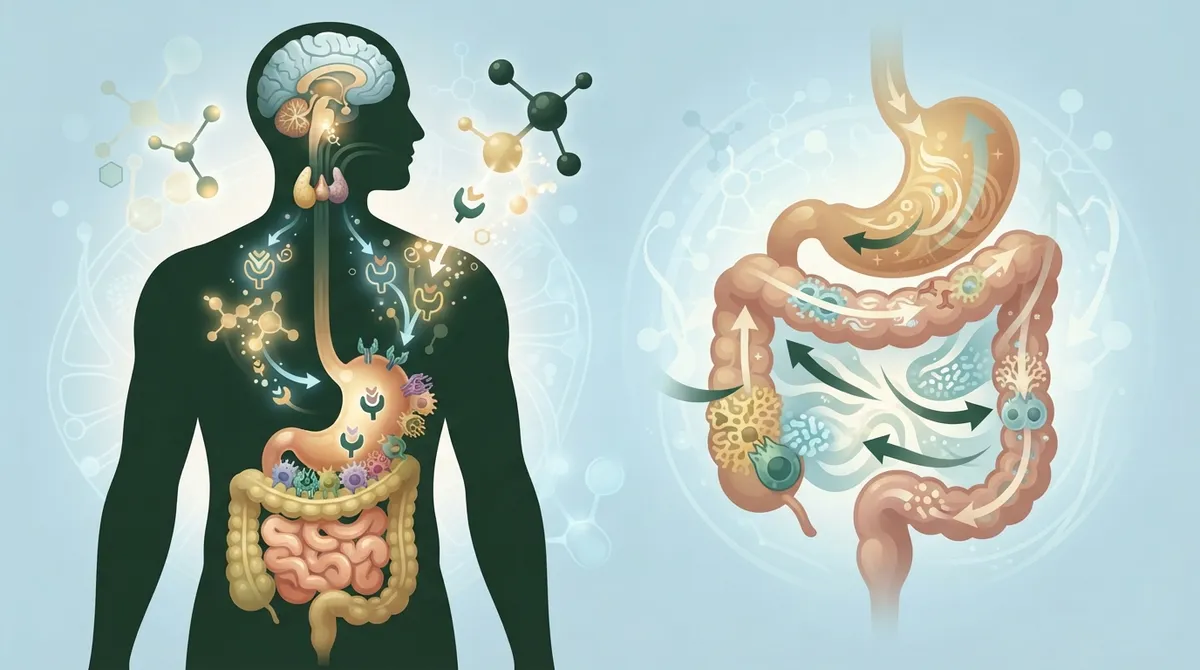
Your gut isn’t just for digesting food. It’s basically a second control center for your whole body. Scientists even call it the “second brain” because it has its own network of nerves and hormones. When your hormone levels shift, your gut chemistry shifts too.
Estrogen, progesterone, testosterone, and cortisol all play a role in how fast food moves through your system, how much inflammation you carry, and even which bacteria thrive in your gut. This is well documented in scientific research, including studies published by the National Library of Medicine, which explores how hormone changes influence gut function and overall wellness.
Common Digestive Symptoms Tied to Hormone Imbalance
- Bloating that seems to come out of nowhere
- Constipation or unpredictable bathroom habits
- Acid reflux or heartburn that gets worse with stress
- Food sensitivities that appeared later in life
- Slow metabolism paired with sluggish digestion
If any of these sound familiar, you’re definitely not alone. Many of our clients at Allura Longevity come to us describing this exact pattern before they even mention low energy or brain fog.
How Hormones Control Digestion Behind the Scenes
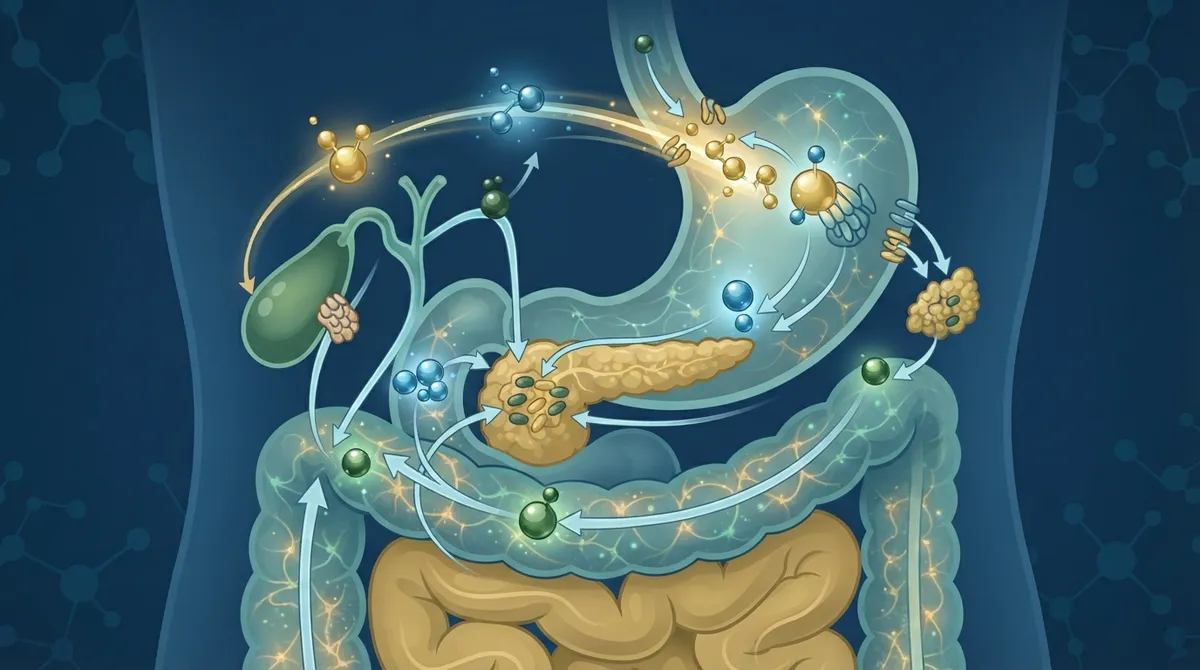
Think of your hormones as the managers running different departments in your body. When they’re doing their job well, everything flows smoothly. When they’re overwhelmed or understaffed, things start to back up, literally.
Estrogen and Progesterone
These two hormones affect gut motility, which is the speed food moves through your intestines. Low estrogen can slow things down, leading to constipation. Progesterone can relax intestinal muscles too much, causing bloating. This is especially common during perimenopause and menopause.
Cortisol
Your stress hormone directly impacts digestion. High cortisol levels can trigger acid reflux, cramping, and an imbalance in gut bacteria. Chronic stress keeps cortisol elevated, which keeps your gut on edge.
Testosterone
Low testosterone in men is often linked to slower metabolism and more visceral fat, which can affect digestion and gut comfort. Balanced testosterone supports better metabolic function overall.
Thyroid Hormones
Thyroid issues are notorious for digestive symptoms. An underactive thyroid slows digestion dramatically, while an overactive thyroid can speed things up too much.
Where Peptide Therapy Fits Into the Picture
This is where things get exciting. Peptide therapy doesn’t just chase symptoms, it works with your body’s natural signaling system. Peptides are short chains of amino acids that act like messengers, telling your cells what to do. If you want a deeper foundation on this topic, check out our guide on 8 Facts That Explain What Are Peptides in 2026.
For gut and hormone health specifically, certain peptides have shown real promise. According to what are peptides, these molecules can support tissue repair, reduce inflammation, and help regulate hormone production, all things that touch your digestive system.
Peptides That Support Both Hormones and Gut Function
- BPC-157: Known for supporting gut lining repair and reducing inflammation. Many clients use it alongside hormone support for a full-body reset. Learn more in our breakdown of 9 BPC-157 Peptide Facts to Know Before You Start.
- Sermorelin and CJC-1295: These support growth hormone release, which helps regulate metabolism and can improve digestion indirectly by supporting better sleep and recovery.
- GLP-1 peptides: These regulate appetite and slow gastric emptying, which can help balance blood sugar and reduce digestive stress tied to hormone swings.
- Thymosin Alpha-1: Supports immune balance, which matters because a large part of your immune system lives in your gut.
Combining these approaches with proper hormone support creates a more complete picture. If you’re curious how GLP-1 options work for metabolic and digestive balance, our article on How to Understand GLP-1 Peptide Therapy in 2026 breaks it down simply.
Comparing Hormone Therapy Approaches for Digestive Support
| Approach | Primary Focus | Digestive Benefit | Best For |
|---|---|---|---|
| Bioidentical Hormone Therapy | Restoring estrogen, progesterone, testosterone | Improved motility, reduced bloating | Midlife men and women |
| Peptide Therapy | Cellular signaling and repair | Gut lining repair, reduced inflammation | Health optimizers, biohackers |
| GLP-1 Support | Appetite and blood sugar regulation | Better digestion, less bloating | Weight loss focused clients |
| Thyroid Optimization | Metabolic hormone balance | Regulated digestion speed | Those with sluggish metabolism |
Every body is different, which is why personalized plans matter so much. A cookie-cutter approach rarely works for something as individual as hormone and gut health.
Signs Your Hormones Might Be Affecting Your Gut
Not sure if hormones are the real culprit behind your digestive troubles? Here are some clues worth paying attention to.
- Digestive symptoms that worsen around your cycle or with age
- Bloating paired with fatigue, mood swings, or brain fog
- Weight gain around the midsection despite no diet changes
- New food sensitivities showing up after 35 or 40
- Sleep problems that seem connected to stomach discomfort
If you’re nodding along to several of these, it might be time to look deeper than just your diet. Blood work can reveal a lot. To learn more about starting that process safely, take a look at How to Start Peptide Therapy Safely and See Real Results.
How Allura Longevity Approaches Hormone and Gut Health Together
At Allura Longevity, we don’t separate hormone health from gut health because your body doesn’t separate them either. Our process starts with a simple $50 virtual consultation. From there, we send you to LabCorp for comprehensive blood work so we can actually see what’s happening inside your body instead of guessing.
Once we have your results, Ashley, our board-certified Family Nurse Practitioner, builds a personalized six-month treatment plan just for you. This might include hormone support, targeted peptides, or a combination based on your specific labs and goals. Everything ships right to your door, and you get ongoing monitoring to make sure your plan keeps working as your body changes.
What Makes This Approach Different
- Personalized dosing based on your actual blood work, not generic protocols
- Licensed medical providers overseeing every step of your care
- Convenient telehealth visits that fit into a packed schedule
- Ongoing check-ins and plan adjustments over six months
- Direct-to-home delivery so you never have to visit a clinic in person
We’re proud to offer this service across Florida, Georgia, Texas, Connecticut, Indiana, Maryland, New York, and California. If you’re a busy professional who can’t fit a clinic visit into your week, this model was built with you in mind.
Simple Steps You Can Take Right Now
While you’re considering professional support, here are a few habits that support both hormone balance and gut health at the same time.
- Prioritize sleep, since poor sleep raises cortisol and disrupts digestion
- Eat fiber-rich foods to support healthy gut bacteria
- Manage stress with simple daily practices like walking or breathing exercises
- Stay hydrated, since dehydration slows digestion significantly
- Get your hormone levels tested instead of guessing what’s wrong
These small changes won’t fix everything on their own, but they create a strong foundation while you explore more targeted therapy options like those we offer for peptides for women and peptides for men.
When to Consider Professional Support
If lifestyle changes alone aren’t cutting it, that’s a sign your body might need more targeted help. Persistent bloating, ongoing fatigue, stubborn weight gain, or digestive issues that won’t quit are all valid reasons to get real answers through proper testing.
Many of our clients tell us they tried everything on their own for years before finally getting blood work done. Once they saw their actual numbers, everything made more sense. That’s the power of a personalized plan built on real data instead of guesswork.
Ready to Feel Like Yourself Again
Your gut and your hormones are constantly talking to each other, whether you’re listening or not. When you support one, you often support the other. That’s the beauty of a well-designed peptide therapy plan paired with proper hormone care.
At Allura Longevity, we make this process simple, convenient, and completely personalized to you. With licensed providers, real lab work, and treatment plans delivered straight to your home, you don’t have to figure this out alone. Spots are limited each month, so if you’re ready to get real answers about your hormone therapy digestive health connection, now is a great time to reach out. You can request a consultation today and take the first step toward feeling better inside and out. You can also call us directly at (813) 510-6277 to speak with our team.
FAQs
Q: Can hormone imbalance really cause digestive problems?
A: Absolutely, it happens more than most people realize. Hormones like estrogen, cortisol, and thyroid hormones directly control how fast your gut moves and how much inflammation it carries, so an imbalance can easily show up as bloating, constipation, or discomfort.
Q: How does peptide therapy support digestive health alongside hormones?
A: Peptides like BPC-157 are known for supporting gut lining repair and calming inflammation, while other peptides help regulate metabolism and hormone signaling. Together, they can create a more balanced, comfortable digestive system.
Q: Do I need blood work before starting hormone or peptide therapy?
A: Yes, and we always recommend it because guessing just isn’t as effective as seeing your real numbers. At Allura Longevity, we use LabCorp testing to build a treatment plan that’s actually tailored to your body.
Q: How long does it take to see improvement in digestion with hormone therapy?
A: Many clients start noticing changes within a few weeks, though full results typically build over a six-month plan. Everyone’s timeline is a little different since it depends on your starting labs and overall health.
Q: Is telehealth peptide therapy a good option for digestive and hormone issues?
A: It’s a wonderful option, especially if you have a busy schedule or don’t have easy access to a specialty clinic nearby. You get licensed provider support, personalized dosing, and home delivery, all without stepping into a waiting room.





