
Key Takeaways
-
Estrogen therapy started near menopause showed modest verbal memory improvements in a 2024 meta-analysis of 34 randomized trials, but combined hormone therapy in older women was associated with lower cognitive scores.
-
Hormone therapy is not approved to prevent dementia or cognitive decline; a 2024 evidence synthesis found no significant link between hormone therapy use and lower dementia rates.
-
Menopause-related cognitive complaints stem from multiple overlapping factors including sleep disruption, anxiety, mood changes, and metabolic issues—not estrogen alone—requiring personalized medical evaluation.
-
Testosterone therapy for cognition lacks strong clinical trial support; while 39% of women reported feeling mentally sharper in a 2024 observational study, this wasn't a randomized trial and may reflect placebo effects.
-
Intranasal insulin and GLP-1 peptides show early promise for brain health in limited studies, but lack sufficient human evidence for approval; ask providers for randomized trial data before trying any peptide marketed for cognition.
-
Many compounded or unapproved peptide products marketed for brain health lack solid safety data; responsible providers should require baseline blood work, provide clear dosing explanations, and offer ongoing medical monitoring.
If you’ve ever walked into a room and forgotten why, you’re not alone. Many women and men going through hormone shifts notice their memory feels a little fuzzy or their focus slips. It’s completely normal to wonder if hormone therapy or peptide therapy could help clear that fog. The good news? Science has looked into this, and we’re here to walk you through what’s actually true, what’s still being studied, and what’s just marketing hype.
At Allura Longevity, we believe you deserve honest answers, not empty promises. This guide breaks down seven key facts about hormone therapy and cognitive function, with a close look at how peptide therapy fits into the bigger picture. Whether you’re a busy professional juggling deadlines, a biohacker who tracks every lab result, or simply someone who wants to feel like yourself again, this article will help you separate real science from wishful thinking.
1. Hormone Therapy and Peptide Therapy Are Related, But Not the Same Thing
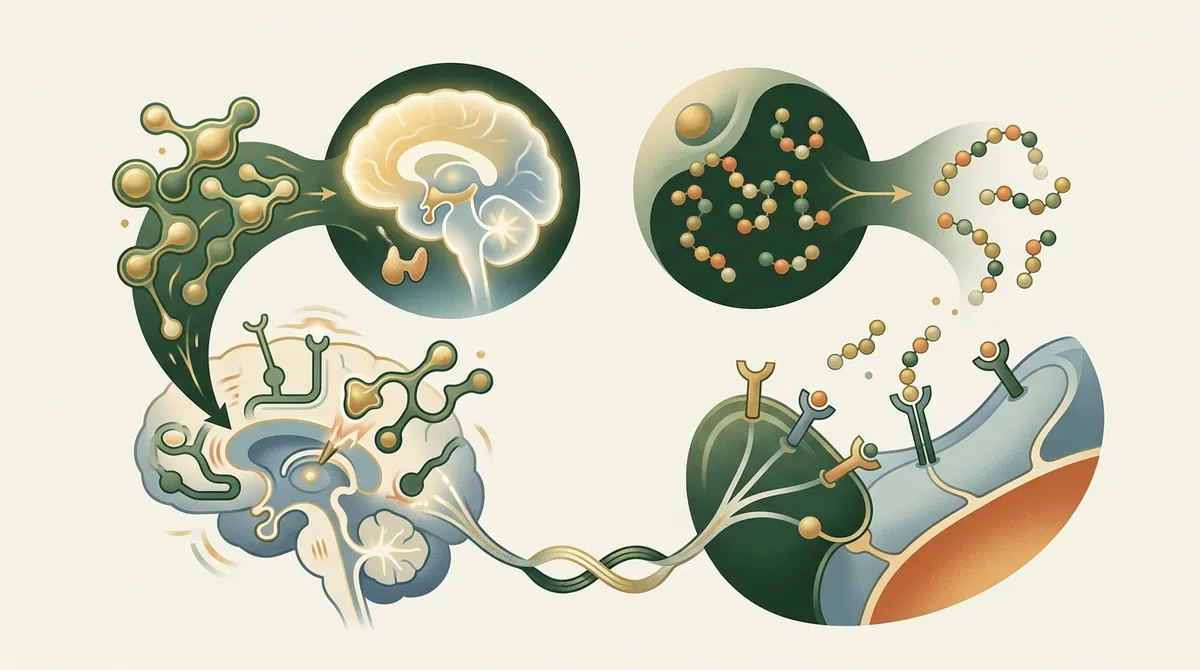
Let’s clear up some confusion right away. Hormone therapy usually means estrogen, progesterone, or testosterone. Peptide therapy is a bit different. It can include things like GLP-1 medications, growth-hormone-related peptides, and other specialized compounds. Some peptides even work alongside your body’s natural insulin and hormone signals.
Both approaches can influence how your brain functions, but they do it in different ways. If you want a deeper breakdown of the science, our article on what peptides actually are is a great place to start. Understanding this difference matters because it shapes what kind of results you can realistically expect.

2. Menopause-Related Hormone Changes Can Affect Memory and Focus
During menopause, estrogen levels drop. This shift can affect sleep, mood, and attention. Many women notice they feel more forgetful or scattered during this time.
But here’s the important part: cognitive complaints during menopause don’t automatically mean something serious is happening in the brain. They might be linked to:
- Hot flashes disrupting sleep
- Anxiety or low mood
- Poor sleep quality overall
- Side effects from other medications
- Underlying metabolic issues like blood sugar imbalances
Because so many factors overlap, it’s smart to talk with a licensed provider who can look at your full health picture. Our team at Allura Longevity reviews your blood work carefully before recommending anything, and you can request a consultation to get personalized answers instead of guesswork.
3. Hormone Therapy Is Not Approved to Prevent Dementia
This one is important, so let’s be direct. Hormone therapy should not be used solely to prevent dementia or reverse cognitive decline. That’s not what the research supports, and any provider promising this isn’t giving you the full picture.
Decisions about hormone therapy should be based on:
- Your current symptoms and how much they affect your life
- Your age and how close you are to menopause
- The specific formulation being considered
- Your personal risk factors, including heart health and cancer history
- Your overall health goals
A 2024 evidence synthesis found no significant link between hormone therapy use and lower rates of dementia or mild cognitive impairment overall. This reinforces why hormone therapy isn’t a stand-alone brain-protection plan.
4. Timing and Type of Hormone Therapy Seem to Matter
Here’s where things get interesting. A major 2024 systematic review and meta-analysis pooled results from 34 randomized controlled trials, involving nearly 15,000 hormone-treated participants compared to almost 13,000 on placebo. Overall, hormone therapy didn’t significantly improve cognitive scores across the board.
However, there was a notable exception. When estrogen therapy started during midlife or near menopause, it was linked to better verbal memory performance. Researchers measured a standardized mean difference of 0.394, which suggests a modest but real benefit in that specific window.
On the flip side, the same review found that combined estrogen-progestogen therapy for spontaneous menopause was associated with lower cognitive test scores in some studies involving older women. This tells us timing truly matters. Starting therapy early in the menopause transition looks very different from starting it many years later.
| Factor | Potential Cognitive Impact | Evidence Strength |
|---|---|---|
| Estrogen started near menopause | Possible verbal memory improvement | Moderate, mixed |
| Combined therapy in older women | Possible lower cognitive scores | Limited, observational |
| Hormone therapy for dementia prevention | No supported benefit | Not recommended |
| Testosterone for cognition | Unclear, insufficient trials | Weak |
5. Testosterone Therapy Isn’t a Proven Brain Booster
Testosterone gets a lot of buzz for energy and vitality, and for good reason in many cases. But when it comes to memory, focus, or concentration, the evidence is still thin.
A 2024 observational study followed 510 peri- and postmenopausal women using transdermal testosterone for four months. About 39% reported feeling sharper mentally, and 47% reported improved mood. Those numbers sound encouraging, but this wasn’t a randomized controlled trial. That means placebo effects and other factors could explain some of the improvement.
Testosterone may be considered under specialist care for specific conditions like hypoactive sexual desire disorder. But using it purely as a memory or focus enhancer isn’t backed by strong clinical trial data yet. If you’re curious how testosterone fits into a broader wellness plan, check out our guide on the real benefits of hormone therapy for men.
6. Peptide-Based Approaches Show Promise, But Are Still Experimental
This is where things get exciting for the biohacker crowd. Some peptide-based therapies are being studied for their potential brain benefits.
Intranasal Insulin
Intranasal insulin is designed to boost insulin signaling in the brain without significantly raising blood sugar levels elsewhere in the body. A small 2008 pilot study published in Neurology tested this on 25 people with early Alzheimer’s disease or mild cognitive impairment. The insulin group showed better memory retention and attention compared to placebo. Fasting glucose and insulin levels stayed stable, which supported the idea that the treatment worked directly on the brain.
That said, 25 people is a tiny sample size. This research is promising, but it’s far from enough to call intranasal insulin a proven treatment.
GLP-1 Receptor Agonists
GLP-1 medications are well known for supporting weight loss and blood sugar control. Researchers are now exploring whether they might also protect brain cells. Insulin and incretin signaling both play roles in brain health, which makes this an active area of study according to the National Library of Medicine.
Right now, though, GLP-1 therapies are not established treatments for Alzheimer’s disease or general cognitive enhancement. If you want to learn more about how these medications work for their approved uses, our article on understanding GLP-1 peptide therapy covers the details.
7. Not All Peptide Products Marketed for Brain Health Are Safe or Proven
Here’s a truth that deserves a spotlight: some compounded or unapproved peptide products marketed for cognition simply lack solid human safety data. This includes certain growth-hormone secretagogues, some BPC-157 products marketed beyond their studied uses, and various “research chemicals” sold online.
Before trying any peptide marketed for brain health, ask yourself these questions:
- Is this backed by actual randomized controlled trials, or just testimonials?
- Does the provider offering it check my blood work first?
- Are dosing and sourcing clearly explained?
- Is there ongoing medical monitoring built into the plan?
This is exactly why working with a licensed telehealth provider matters so much. At Allura Longevity, every treatment plan starts with LabCorp blood work and is reviewed by our board-certified Family Nurse Practitioner, Ashley, before anything gets shipped to your door. You can read more about the process in our guide on how to start peptide therapy safely.
How to Evaluate Hormone and Peptide Therapy Claims About Brain Health
It’s easy to get swept up in bold marketing claims. Here’s a simple three-step way to think it through:
- Check the source. Is the claim based on a peer-reviewed study or just a product page?
- Look at the sample size. A study of 25 people is a starting point, not proof.
- Ask about monitoring. Any responsible provider should track your labs and adjust your plan over time.
According to WebMD’s overview of peptides, these compounds are powerful tools, but they still require medical guidance to use safely and effectively. That’s the standard we hold ourselves to at Allura Longevity.
Common Risks Worth Knowing
Different therapies carry different risks. Here’s a quick breakdown:
| Therapy Type | Possible Risks |
|---|---|
| Estrogen-containing hormone therapy | Blood clots, stroke risk, breast or endometrial concerns in some cases |
| Testosterone therapy | Acne, unwanted hair growth, cholesterol changes |
| Intranasal insulin | Low blood sugar, nasal irritation |
| GLP-1 medications | Nausea, digestive upset, certain contraindications |
This is exactly why individualized medical supervision isn’t optional. It’s essential. If you’re managing side effects from GLP-1 therapy already, our article on managing GLP-1 side effects offers practical tips.
Bringing It All Together for Your Wellness Journey
So where does this leave you? Hormone therapy can genuinely help with menopause symptoms like sleep disruption and mood swings, which indirectly supports mental clarity. Peptide therapy offers exciting, evolving options for energy, metabolism, and recovery, with some early research into brain health too. But neither should be marketed as a guaranteed cure for brain fog or memory loss.
The smartest path forward is personalized care. That means real blood work, a provider who actually reviews it, and a plan built around your specific goals. If you’re exploring options for energy and mental clarity, our guide on picking peptides for energy is a helpful next read.
Final Thoughts
Feeling mentally sharp shouldn’t feel like a mystery you have to solve alone. With the right combination of honest information and personalized medical care, you can make confident decisions about your health. Whether you’re curious about hormone therapy, peptide therapy, or how the two might work together, the most important step is getting a plan built specifically for you.
Ready to get real answers instead of guesswork? Our team at Allura Longevity starts every journey with a simple $50 virtual consultation and comprehensive LabCorp blood work, so your plan is built on facts, not assumptions. Spots are limited each month, so don’t wait to request a consultation and take the next step toward feeling clear, focused, and like yourself again. You can also give us a call at (813) 510-6277 if you’d rather talk it through with a real person first.
FAQs
Q: Can hormone therapy improve memory or concentration during menopause?
A: It might help indirectly by improving sleep and mood, which often affects focus and memory during menopause. Some studies show verbal memory benefits when estrogen therapy starts near menopause, but results vary a lot depending on timing and individual health. It’s not a guaranteed fix, so working with a provider to look at your full picture is the best approach.
Q: Does estrogen therapy prevent dementia or Alzheimer’s disease?
A: No, current research does not support using estrogen therapy specifically to prevent dementia. A 2024 evidence review found no significant link between hormone therapy and reduced dementia risk overall. Hormone therapy decisions should be based on your actual symptoms and health needs, not brain-protection promises.
Q: Can testosterone therapy improve cognition in women or men?
A: The evidence is still pretty limited here. A 2024 study found some women reported feeling sharper on testosterone, but it wasn’t a randomized trial, so we can’t say for sure it caused the improvement. Testosterone therapy is better supported for other specific concerns, not as a stand-alone cognitive booster.
Q: What is intranasal insulin, and is it approved for cognitive decline?
A: Intranasal insulin is an experimental peptide-based approach that delivers insulin directly to the brain through the nose. A small 2008 study showed promising memory improvements, but with only 25 participants, it’s nowhere near enough evidence for approval. It remains investigational, not a routine treatment.
Q: Do GLP-1 peptide medications improve brain health or memory?
A: GLP-1 medications are approved for metabolic health, like blood sugar control and weight loss, and researchers are curious about possible brain benefits too. Right now, though, there isn’t enough clinical evidence to call them a memory or brain-health treatment. If you want the full picture, our team can walk you through what these medications are actually proven to do.





