

Key Takeaways
-
Peptide therapy (semaglutide and tirzepatide) produces clinically significant weight loss of 13-22.5% when combined with medical supervision, lifestyle changes, and realistic expectations—not as a standalone shortcut.
-
Proper lab work and medical evaluation before starting peptide therapy is essential to identify contraindications like thyroid cancer history and establish baseline metrics for safe monitoring.
-
Preserve muscle mass during weight loss by doing resistance training 2-3 times weekly and consuming adequate protein, as rapid weight loss without exercise can reduce lean muscle and metabolism.
-
Plan for weight regain after stopping peptide therapy by developing a tapering strategy and maintenance habits with your provider, since appetite-regulating effects fade once treatment ends.
If you have tried diet after diet and still feel stuck, you are not alone. Weight loss management has changed a lot in the last few years, and peptide therapy is a big reason why. Medicines like semaglutide and tirzepatide are helping people lose real, meaningful weight, not just a few stubborn pounds. But here is the thing: these treatments work best as part of a bigger plan, not a magic shortcut.
Whether you are a busy professional squeezing in health goals between meetings, a biohacker who loves tracking every metric, or someone simply ready to feel like yourself again, this guide is for you. We will walk through eight practical steps for weight loss management using peptide therapy, backed by real clinical data. Grab a cup of coffee, get comfortable, and let’s talk about what actually works in 2026.

1. Understand What Peptide-Based Weight Loss Really Means
Peptide therapy for weight loss mostly centers on GLP-1 receptor agonists like semaglutide, and dual-action GIP/GLP-1 medicines like tirzepatide. These are naturally inspired molecules that mimic hormones your gut already makes. They help control appetite, slow digestion, and support healthy blood sugar levels.
Think of them as tools that help quiet the constant “I’m hungry” signal your brain sends. This makes it easier to eat less without feeling like you are white-knuckling your way through every meal. If you want a deeper dive into how these peptides work in the body, check out this guide on how GLP-1 peptide therapy works.
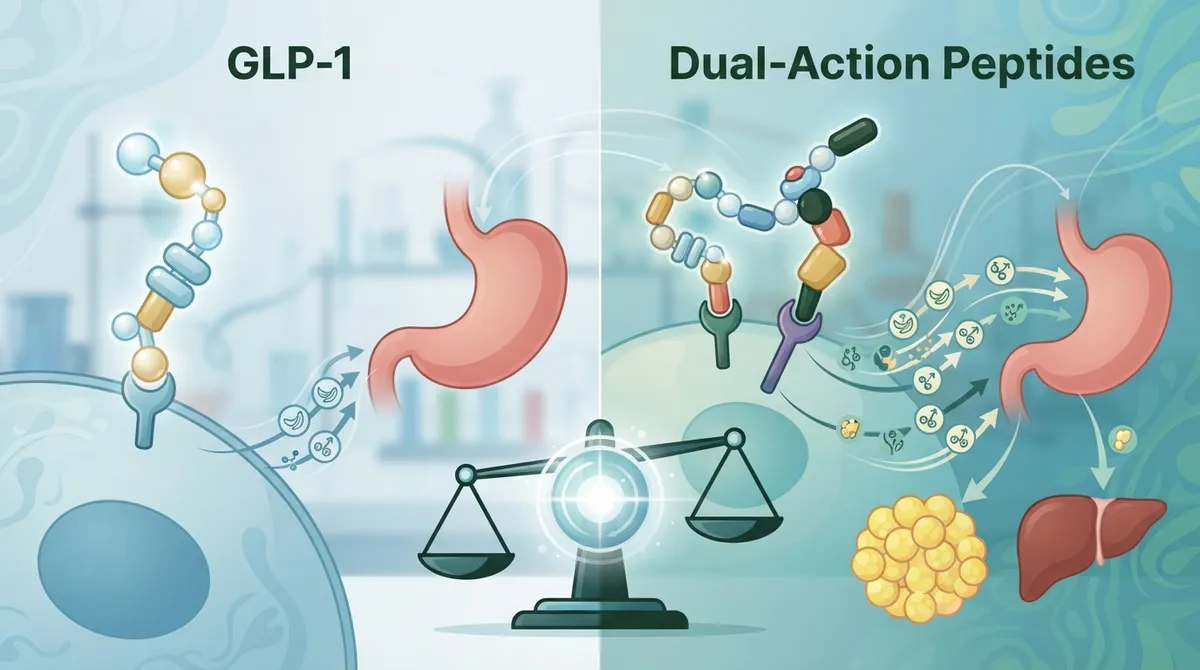
2. Know the Difference Between GLP-1 and Dual-Action Peptides
Not all weight loss peptides are the same, and knowing the difference helps you set realistic expectations.
- GLP-1 agonists (semaglutide): Target one hormone pathway, slow stomach emptying, and reduce appetite.
- Dual GIP/GLP-1 agonists (tirzepatide): Target two hormone pathways, often leading to greater average weight loss.
- Individual response varies: Genetics, starting weight, and lifestyle habits all play a role.
- Both require medical supervision: Dosing is gradual and monitored closely by a licensed provider.
Research comparing these two options directly is growing. If you are curious about the science, this breakdown of GLP-1 vs. dual-agonist peptides lays it out clearly.
Clinical Trial Snapshot
| Medication | Trial | Average Weight Loss | Duration |
|---|---|---|---|
| Semaglutide 2.4mg | STEP 1 | 14.9% | 68 weeks |
| Tirzepatide 15mg | SURMOUNT-1 | ~22.5% | 72 weeks |
| Tirzepatide (head-to-head) | SURMOUNT-5 | 20.2% | 72 weeks |
| Semaglutide (head-to-head) | SURMOUNT-5 | 13.7% | 72 weeks |
These numbers come from published trials, including the National Library of Medicine, and reflect group averages. Your personal results may look different depending on your body and health history.
3. Get Real Lab Work Before You Start
Skipping blood work is one of the biggest mistakes people make when starting peptide therapy. A responsible provider should check your metabolic health, kidney function, and thyroid history before prescribing anything.
This step matters because certain conditions, like a personal or family history of medullary thyroid cancer, mean these medications are not a good fit. Getting proper labs also gives your provider a baseline to track progress. Allura Longevity uses LabCorp testing as part of every custom treatment plan, so your protocol is based on your actual numbers, not guesswork.
4. Set Realistic Expectations for Your Timeline
Weight loss with peptide therapy is not instant. It takes time to titrate up to an effective dose, and your body needs time to respond.
- Weeks 1-4: Starting dose, mild appetite changes, possible nausea.
- Weeks 4-12: Dose increases, more noticeable appetite control.
- Months 3-6: Steady weight loss as your body adjusts.
- Months 6+: Maintenance phase and ongoing monitoring.
In the landmark STEP 1 trial, 86.4% of participants lost at least 5% of their body weight by week 68, and over half lost 15% or more. That is encouraging, but it also shows why patience matters. For a clearer picture of what to expect month by month, this peptide therapy timeline guide is a helpful read.
5. Manage Side Effects Like a Pro
Nobody loves talking about nausea, but let’s be honest about it. Most side effects happen during dose increases and tend to fade as your body adjusts.
- Nausea and mild stomach upset are the most common complaints.
- Constipation can happen, especially early on.
- Reduced appetite is expected and part of how the medicine works.
- Staying hydrated and eating smaller meals often helps a lot.
More serious risks, like gallbladder issues or pancreatitis, are rare but worth discussing with your provider. If nausea or digestion issues are slowing you down, this article on managing GLP-1 side effects offers practical tips that actually help.
6. Protect Your Muscle While You Lose Fat
Here is something people often overlook: losing weight quickly can mean losing muscle too, if you are not careful. That is bad news for your metabolism and your long-term strength.
Resistance training two to three times a week, along with enough protein in your diet, helps preserve lean muscle mass during weight loss. Some clients also pair GLP-1 therapy with peptides designed to support muscle and recovery. If building strength while losing weight is a priority, this guide to peptides for fat loss covers combinations worth knowing about.
7. Plan for Life After Peptide Therapy
This is the part nobody wants to hear, but it is important. When people stop GLP-1 or dual-agonist therapy, appetite-regulating effects fade, and weight regain is common.
That does not mean you are stuck on medication forever. It means your plan should include a strategy for tapering, maintaining habits, and possibly cycling doses under medical guidance. Weight management works best as an ongoing relationship with your provider, not a one-time fix. Learning how to lose weight with peptide therapy the sustainable way sets you up for long-term success.
8. Choose a Provider You Can Trust
Not all peptide sources are created equal. Unapproved or compounded products bought online without medical oversight can carry real risks, from incorrect dosing to contamination.
A trustworthy weight loss management program should include:
- A thorough medical history review and lab work before treatment starts.
- Prescription medications from licensed, regulated sources.
- Ongoing check-ins to adjust your dose safely.
- Clear education about risks, benefits, and what to expect.
- Support for nutrition, exercise, and lifestyle changes alongside medication.
This is exactly the kind of care Allura Longevity provides. Every client starts with a $50 virtual consultation, followed by LabCorp blood work and a personalized six-month plan. Ashley, our board-certified Family Nurse Practitioner, and our licensed medical team monitor your progress and adjust your protocol as needed. To understand more about what a legitimate program looks like, see this piece on getting prescription peptides safely.
Comparing Approaches to Weight Loss Management
| Approach | Medical Supervision | Typical Results | Long-Term Safety |
|---|---|---|---|
| Unsupervised compounded peptides | None or minimal | Unpredictable | Uncertain, risk of contamination |
| Diet and exercise alone | None required | Modest, varies widely | Generally safe |
| FDA-approved GLP-1/GIP therapy with telehealth support | Full monitoring, labs, dose adjustments | 13% to 22.5% average loss in trials | Well-studied, monitored for risks |
As you can see, the combination of medical oversight and proven medications tends to offer the most predictable, safest path forward. According to what are peptides resources, these molecules are naturally occurring building blocks in the body, which is part of why they can work so well when used correctly.
Why Telehealth Makes Weight Loss Management Easier
Let’s be real: doctor visits are hard to fit into a packed schedule. Telehealth removes that barrier by bringing licensed care straight to your phone or laptop.
Allura Longevity offers this exact model. You complete a virtual consultation, get lab work done locally through LabCorp, and receive your peptides shipped directly to your door. No waiting rooms, no rearranging your whole week. This convenience is especially valuable for busy professionals and anyone managing a demanding schedule. Learn more about why GLP-1 telehealth is a smart way to lose weight if convenience matters to you.
Bringing It All Together
Weight loss management through peptide therapy is not about chasing a quick fix. It is about combining proven medications with smart monitoring, good nutrition, and realistic expectations. The clinical data is genuinely exciting, but your journey will be personal, guided by your labs, your goals, and your body’s response.
If you are ready to explore whether peptide therapy fits your goals, our team at Allura Longevity is here to help. We serve clients in Florida, Georgia, Texas, Connecticut, Indiana, Maryland, New York, and California, all through convenient telehealth visits. Spots for new clients are limited each month, so if you have been thinking about it, now is a great time to reach out. Request a consultation today and let’s build a plan that actually fits your life. You can also call us directly at (813) 510-6277 to ask questions before you get started.
FAQs
Q: How does peptide therapy help with weight loss management?
A: Peptide therapy uses medicines like semaglutide and tirzepatide that mimic natural gut hormones. They help slow digestion, curb appetite, and support steady, gradual weight loss when paired with healthy habits.
Q: How much weight can I realistically expect to lose?
A: Clinical trials show average losses ranging from about 13% to over 22% of body weight, depending on the medication and duration. Everyone is different, so your results will depend on your body, dose, and lifestyle choices.
Q: Are there side effects with GLP-1 weight loss medications?
A: Yes, nausea, mild stomach upset, and constipation are common, especially during dose increases. Most people find these ease up over time, and your provider can help you manage them comfortably.
Q: What happens if I stop taking peptide therapy for weight loss?
A: Appetite-regulating effects tend to fade after stopping treatment, which can lead to weight regain for some people. That is why a long-term plan, developed with your provider, matters so much.
Q: Is it safe to get peptide therapy through telehealth?
A: Yes, as long as you work with a licensed provider who reviews your labs and monitors your progress. Allura Longevity offers exactly this kind of supervised, personalized telehealth care nationwide.





