
Key Takeaways
-
Oral hydrolyzed collagen peptides have the strongest human clinical evidence, with studies showing hydration improvements in 4-6 weeks and wrinkle/elasticity benefits by week 12 at doses around 1,000-1,650 mg daily.
-
Topical signal peptides like GHK-Cu and palmitoyl peptides show promise in lab research but lack large-scale human trials; results depend heavily on formulation quality, concentration, and skin penetration rather than ingredient names alone.
-
Peptides work best as one component of a comprehensive skincare strategy and cannot replace daily sunscreen use, retinoids, adequate protein intake, or treatment of underlying skin conditions.
-
Medically supervised peptide therapy requires licensed provider oversight to ensure sterility, accurate dosing, and personalized treatment plans based on blood work—injectable peptides carry more risks than oral supplements.
-
Results vary significantly between oral collagen (most consistent), topical peptides (formulation-dependent), and medical treatments; set realistic expectations aligned with actual scientific evidence rather than social media trends.
-
Most studies show modest but measurable improvements in skin hydration and elasticity over 12 weeks, with individual results varying; patience and consistent use are required rather than dramatic overnight transformations.
If you’ve been scrolling through skincare shelves or peptide therapy menus wondering which option actually helps your skin look and feel younger, you’re not alone. Between oral collagen powders, topical creams packed with copper peptides, and medically supervised peptide treatments, it’s easy to feel a little lost. The good news? Science has actually given us some solid answers about which peptides work, how long they take, and what results you can realistically expect.
This guide breaks down the best peptides for skin in plain, friendly terms. We’ll cover oral collagen peptides (the ones with the strongest evidence), topical signal peptides like GHK-Cu, and where medically supervised peptide therapy fits into the picture. Whether you’re a busy professional squeezing in self-care between meetings, a wellness seeker ready to level up your routine, or simply someone who wants fewer wrinkles and more glow, this article is for you. Let’s get into what actually works.
Why Peptides Matter for Skin Health
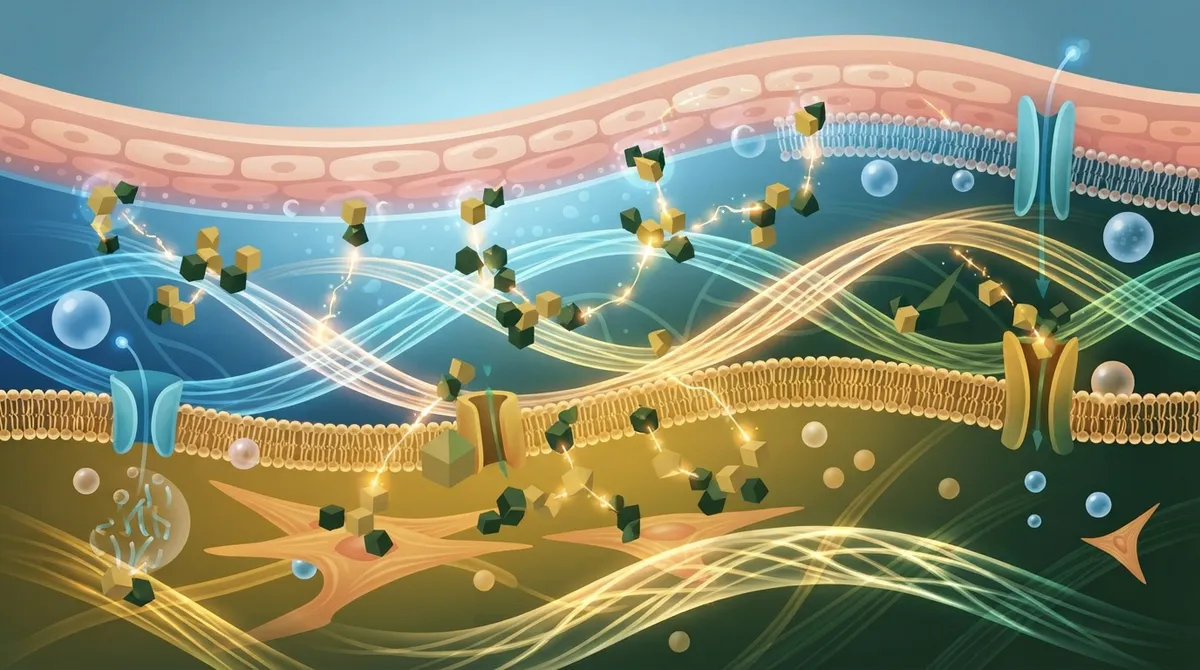
Peptides are small chains of amino acids, basically tiny building blocks that help your body make proteins like collagen and elastin. As what are peptides explains, these molecules act as messengers, telling your skin cells what to do. As we age, our natural collagen production slows down. That’s where peptide therapy steps in, giving your skin extra support to stay firm, hydrated, and resilient.
Not all peptides work the same way, though. Some are swallowed as supplements. Others are rubbed on as creams. And some are part of medically administered treatment plans. Understanding these differences helps you make a smart, informed choice instead of just grabbing whatever’s trending on social media.
The 3 Main Categories of Skin Peptides
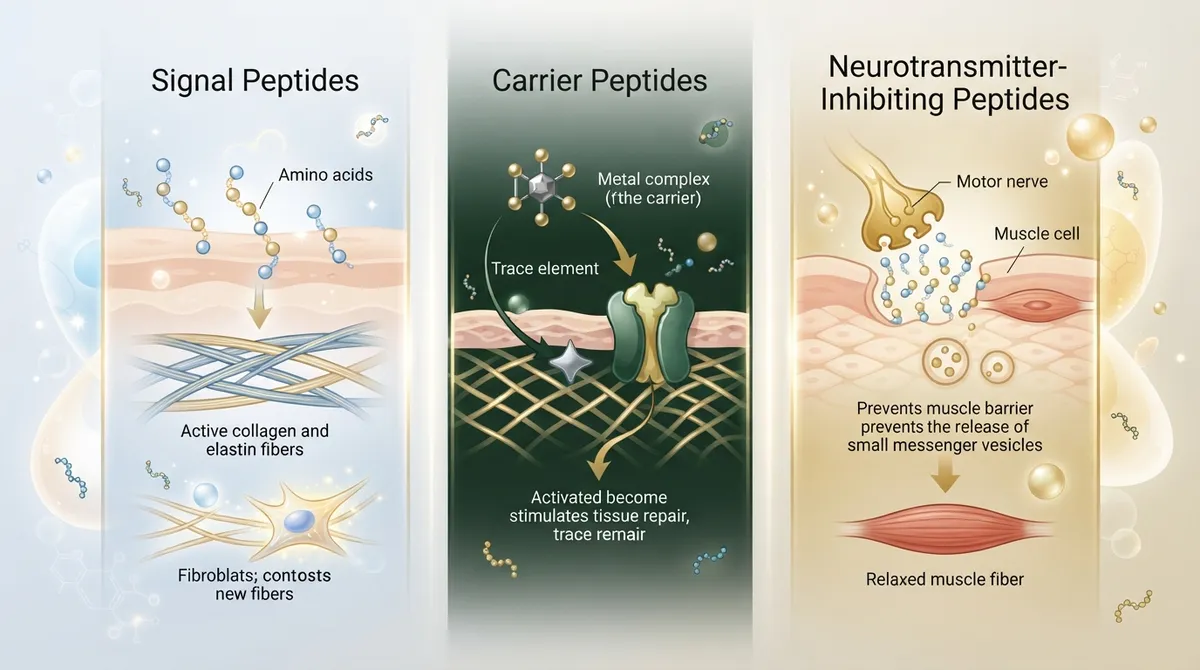
Before diving into specifics, it helps to know that skin peptides generally fall into three buckets. Each one has a different level of evidence behind it, and mixing them up can lead to confusion or unrealistic expectations.
- Oral collagen peptides — swallowed supplements broken down into amino acids that may support your skin’s collagen matrix from the inside out.
- Topical signal peptides — creams and serums containing peptides like copper tripeptide-1 or palmitoyl peptides, designed to sit on the skin’s surface and support repair.
- Medically administered peptide therapy — treatments overseen by licensed providers, which may support broader skin, tissue, and wellness goals as part of a personalized plan.
Knowing which category a product falls into helps you set realistic expectations. Oral collagen won’t work overnight, and topical creams aren’t the same as a medically supervised protocol. Let’s look at each one closely.
Oral Collagen Peptides: The Best-Studied Option
If you want the option with the most human research behind it, oral hydrolyzed collagen peptides are it. These supplements are broken down in your gut into amino acids and smaller bioactive fragments, including hydroxyproline-containing peptides. Some research suggests these fragments may act like little signals, encouraging your skin’s dermal layer to behave like it’s producing more collagen.
Here’s what the research actually shows:
- A 2023 randomized, double-blind, placebo-controlled trial of 100 women gave participants 1,650 mg of collagen peptides daily for 12 weeks. Results showed real improvements in hydration, skin shedding patterns, wrinkling, and elasticity compared to placebo, according to research published in RSC Food & Function.
- Another controlled study of 99 women found collagen peptides boosted water content in the skin and reduced water loss through the skin barrier over 12 weeks. Interestingly, elasticity and thickness didn’t change much in that particular study.
- A 2018 study in Nutrients gave women ages 40 to 60 about 1,000 mg daily. Hydration improved by week 6, and by week 12, participants saw better wrinkling scores and elasticity too.
- A 2019 placebo-controlled study reported a 28% increase in measured skin hydration after 12 weeks of a collagen-containing supplement, along with gains in elasticity, roughness, and skin density.
The pattern here is pretty clear: hydration improves fastest, usually within 4 to 8 weeks, while elasticity and wrinkle improvements tend to show up closer to the 12-week mark. If you want to dig deeper into how peptides trigger these changes, check out how to trigger collagen stimulation with peptides.
Typical Collagen Peptide Study Results at a Glance
| Study | Dose | Duration | Reported Benefits |
|---|---|---|---|
| 2023 RSC Food & Function (n=100) | 1,650 mg/day | 12 weeks | Hydration, desquamation, wrinkling, elasticity |
| PubMed-indexed trial (n=99) | Not specified | 12 weeks | Water content up, transepidermal water loss down |
| Nutrients, 2018 (n women 40-60) | 1,000 mg/day | 12 weeks | Hydration at 6 weeks; wrinkling, elasticity at 12 weeks |
| 2019 placebo-controlled study | Not specified | 12 weeks | 28% hydration increase; elasticity, roughness, density improved |
It’s worth noting a 2023 systematic review found the most consistent benefit across studies was improved hydration, while effects on wrinkles and elasticity varied more between trials. Some newer meta-analyses report pooled improvements across hydration, elasticity, and water loss, but those figures should always be checked against final published data before being treated as settled fact.
Topical Signal Peptides: What They Can and Can’t Do
You’ve probably seen ingredients like palmitoyl pentapeptide-4 or copper tripeptide-1 (GHK-Cu) listed on serum labels. These are topical signal peptides, and they’re designed to sit on your skin’s surface and encourage repair processes.
Here’s the honest truth: results depend heavily on the formulation. Things like peptide concentration, how well it penetrates the skin barrier, and overall product quality all matter. Not every jar on the shelf delivers the same results, even if the ingredient list looks similar.
Common Topical Peptides Used in Skincare
- Palmitoyl pentapeptide-4 — often marketed for fine lines and firmness support.
- Palmitoyl tripeptide-1 — used in anti-aging formulations targeting collagen-related pathways.
- Palmitoyl tetrapeptide-7 — associated with skin repair and calming irritated skin.
- Copper tripeptide-1 (GHK-Cu) — studied in labs for wound healing, inflammation control, and extracellular matrix signaling.
GHK-Cu gets a lot of buzz in peptide therapy conversations because of promising laboratory findings. However, robust large-scale human trials for injectable or systemic GHK-Cu specifically for cosmetic skin aging remain limited compared to the mountain of evidence backing oral collagen peptides. That doesn’t mean it’s useless, it just means we should be careful not to treat early research as a guaranteed outcome.
Medically Supervised Peptide Therapy: Where Caution Matters Most
This is where things get more serious. Injectable or compounded peptide treatments are not the same as popping a collagen capsule or applying a cream. Sterility, dosing accuracy, product sourcing, and regulatory oversight all become critical concerns.
Peptides like BPC-157 are sometimes marketed for skin repair and recovery, but they don’t carry the same human evidence base for cosmetic skin rejuvenation that oral collagen peptides do. If you’re curious about BPC-157 specifically, our guide on 9 BPC-157 peptide facts to know before you start covers what’s actually known versus what’s still being studied.
This is exactly why working with licensed medical providers matters so much. At Allura Longevity, treatment plans are built around your actual blood work and health goals, not guesswork or trends. That kind of oversight helps ensure you’re getting a plan suited to your body, not a one-size-fits-all approach pulled from a wellness influencer’s feed.
Questions to Ask Before Starting Any Skin Peptide Protocol
- Is this peptide backed by human clinical trials, or mostly laboratory and animal research?
- What’s the expected timeline for seeing results, and does that match my goals?
- Is this treatment being supervised by a licensed medical provider?
- Has my provider reviewed my blood work before recommending a dose or protocol?
- What are the known side effects or contraindications for my health history?
If you’d like a deeper walkthrough of getting started safely, our article on how to start peptide therapy safely and see real results is a great next stop.
Comparing Your Options Side by Side
| Type | Evidence Level | Typical Timeline | Best For |
|---|---|---|---|
| Oral collagen peptides | Strongest human evidence | 6-12 weeks | Hydration, elasticity, mild wrinkle support |
| Topical signal peptides (GHK-Cu, palmitoyl peptides) | Formulation-dependent, mixed | Varies widely | Surface-level firmness, repair support |
| Medically supervised peptide therapy | Requires clinical oversight, evidence varies by peptide | Individualized | Personalized, provider-guided skin and wellness goals |
Notice that oral collagen peptides currently sit at the top for reliable human evidence. That doesn’t mean topical or medically administered options don’t have a place, it just means expectations should match the science we actually have right now.
What Peptides Can’t Replace
Here’s a friendly reality check: peptides are a helpful tool, not a magic fix. They work best alongside, not instead of, foundational skin care habits. Even the National Library of Medicine’s research on National Library of Medicine collagen peptide studies emphasizes that results are modest improvements, not dramatic transformations.
Peptides won’t replace:
- Daily sunscreen use, which remains the single best defense against collagen breakdown and photoaging.
- Retinoids, when appropriate for your skin type and prescribed by a provider.
- Adequate protein intake to support your body’s natural collagen production.
- Quitting smoking, which accelerates skin aging significantly.
- Treatment for underlying dermatologic conditions that need direct medical attention.
Think of peptides as one strong piece of a bigger puzzle. For a broader look at how peptides fit into an overall anti-aging strategy, see our guide on anti aging peptide treatment: what really works in 2026.
How Allura Longevity Approaches Skin-Focused Peptide Therapy
At Allura Longevity, we understand that no two people’s skin, hormones, or health goals look the same. That’s why our process starts with a simple $50 virtual consultation, followed by comprehensive blood work through LabCorp. From there, our licensed providers, led by board-certified Family Nurse Practitioner Ashley, design a personalized six-month treatment plan tailored to your actual biology.
Everything ships directly to your home, so you can manage your routine without carving out extra time for clinic visits. We also provide ongoing monitoring and adjustments, because your body’s needs can shift over the course of treatment. If you’re curious how peptides support skin alongside energy, recovery, and metabolism, our piece on 12 peptide skin rejuvenation facts worth knowing (2026) is worth a read.
We’re proud to offer nationwide telehealth access, with licensing in Florida, Georgia, Texas, Connecticut, Indiana, Maryland, New York, and California. And because spots are limited each month, it’s worth reaching out sooner rather than later if you’re ready to explore a personalized plan.
Simple Steps to Get Started
- Book your virtual consultation to discuss your skin and wellness goals.
- Complete blood work through LabCorp so your provider understands your unique baseline.
- Receive a customized six-month plan built around your labs and goals.
- Get your peptides shipped straight to your door for convenient at-home use.
- Check in regularly with your provider for monitoring and adjustments as needed.
This structured approach takes the guesswork out of peptide therapy, something DIY supplement shopping simply can’t offer. For related reading on building a broader personalized health strategy, take a look at 12 steps to a personalized wellness plan in 2026.
Ready to Explore Peptide Therapy for Your Skin?
Choosing the best peptides for skin doesn’t have to feel overwhelming. Whether you’re drawn to oral collagen for its strong track record, curious about topical signal peptides, or interested in a fully personalized, medically supervised plan, the key is working with people who genuinely understand the science and your unique body.
Our team at Allura Longevity is here to help you build a plan that fits your goals, your schedule, and your labs, not a generic template. If you’re ready to take the next step toward healthier, more resilient skin, request a consultation today and let’s build your personalized plan together. With limited spots available each month, now’s a great time to get started.
FAQs
Q: What are the best peptides for skin aging and wrinkles?
A: Oral hydrolyzed collagen peptides currently have the strongest human research behind them, with studies showing real improvements in hydration, elasticity, and wrinkling after about 8 to 12 weeks. Topical peptides like GHK-Cu show promise too, but the evidence is more formulation-dependent, so results can vary quite a bit.
Q: Are oral collagen peptides better than topical peptides for skin?
A: For now, oral collagen peptides have more consistent human clinical evidence than most topical peptide products. That said, topical peptides can still play a nice supporting role, especially when paired with good sun protection and a solid skincare routine.
Q: Does GHK-Cu or copper peptide actually improve collagen production?
A: GHK-Cu shows encouraging results in lab studies related to wound healing and collagen-related processes, but large, robust human trials are still limited. It’s a promising ingredient, just not one with the same weight of evidence as oral collagen peptides yet.
Q: How long do collagen peptides take to improve skin?
A: Most studies show hydration improvements within 4 to 6 weeks, with elasticity and wrinkle benefits typically showing up around the 12-week mark. Everyone’s skin responds a little differently, so patience really is part of the process.
Q: Are injectable peptides safe for skin rejuvenation?
A: Injectable or compounded peptide treatments require careful medical supervision because product quality, sterility, and dosing all matter a great deal. This is exactly why working with licensed providers, like the team at Allura Longevity, is so important before starting any injectable protocol.





