

Key Takeaways
-
Fezolinetant (Veozah), an FDA-approved NK3 receptor blocker, reduced daily hot flashes by 55-64% in clinical trials, making it the most effective non-hormone prescription treatment currently available for moderate-to-severe symptoms.
-
Hot flashes result from estrogen drops making the hypothalamus (brain's thermostat) oversensitive; the peptide neurokinin B (NKB) plays a key role, but no FDA-approved peptide therapy for hot flashes exists yet despite marketing claims.
-
Compounded peptides like BPC-157 and CJC-1295 lack clinical evidence specifically for hot flashes; misleading wellness clinic claims about hormone balancing aren't backed by menopause-specific trials, so verify your provider's credentials.
-
Effective treatment options include hormone therapy (MHT), low-dose SSRIs, gabapentin, and lifestyle changes like cooling bedrooms and avoiding caffeine; choice depends on your medical history and symptom severity, requiring personalized medical guidance.
-
Before starting any peptide product, confirm FDA approval for your specific concern, ask for menopause-related clinical evidence, verify blood work monitoring, and ensure your provider is licensed—red flags include vague answers or no oversight.
-
Hot flashes accompanied by unexplained weight changes, persistent fatigue, rapid heartbeat, or fever may signal thyroid disease, infections, or medication side effects rather than menopause, requiring full medical evaluation before treatment.
If you’ve ever felt a sudden wave of heat wash over you out of nowhere, you know how frustrating hot flashes can be. One minute you’re fine, the next you’re fanning yourself in a meeting or waking up drenched at 3 a.m. You’re not alone, and you’re definitely not broken. Millions of women go through this every year, and the good news is science is getting better at explaining why it happens.
Here’s where things get interesting for anyone curious about peptide therapy. Hot flashes are tied to tiny messenger molecules in your brain called peptides, specifically ones involved in your body’s temperature control system. But before you assume there’s a peptide injection that fixes hot flashes overnight, let’s slow down. This article will walk you through the real science, what’s actually approved by the FDA, and what’s still being researched. We’ll keep things honest, clear, and genuinely helpful, because that’s what you deserve when making decisions about your health.
What Are Hot Flashes, Really?
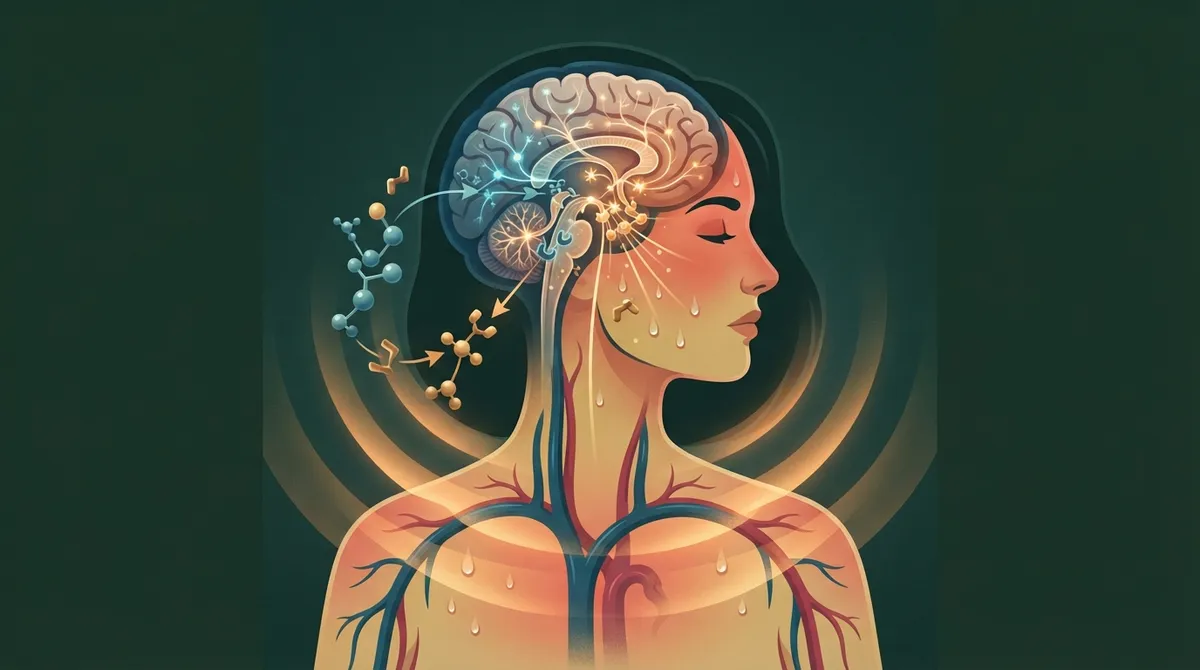
Hot flashes, also called vasomotor symptoms (VMS), are sudden episodes of heat, sweating, flushing, and sometimes chills or a racing heart. They often disrupt sleep, which can leave you feeling exhausted the next day. These episodes happen because of changes in how your hypothalamus, the brain’s thermostat, regulates body temperature during menopause.
As estrogen levels drop, this internal thermostat becomes more sensitive. Even small changes in body temperature can trigger a full-blown hot flash. Understanding this brain-based cause is the first step toward finding a treatment that actually works for you.
The Peptide Connection in Your Brain
This is where peptide biology enters the picture. A peptide called neurokinin B (NKB) plays a big role in triggering hot flashes. When estrogen falls, NKB activity increases in the hypothalamus. This extra activity confuses your brain’s temperature control center, causing it to think you’re overheating even when you’re not.
Two other peptides, kisspeptin and dynorphin, work alongside NKB in a tiny cluster of neurons sometimes nicknamed “KNDy neurons.” Together, they help regulate reproductive hormones and temperature. When estrogen drops, this trio gets out of balance, and hot flashes are often the result. If you want to understand more about how peptides work in the body generally, this what are peptides guide offers a helpful overview.

Is There an FDA-Approved Peptide Therapy for Hot Flashes?
Here’s the honest answer: no. There is currently no FDA-approved peptide therapy specifically designed to treat hot flashes. That might surprise you, especially with so much buzz around peptides for wellness, muscle recovery, and anti-aging. But when it comes to menopausal hot flashes, the leading treatment tied to this peptide pathway isn’t actually a peptide at all.
That treatment is called fezolinetant, sold under the brand name Veozah. It’s a small-molecule drug, not a peptide, that blocks the neurokinin-3 receptor (NK3R). This receptor is what NKB binds to when it triggers a hot flash. By blocking it, fezolinetant helps calm down the overactive signal in your hypothalamus.
How Well Does Fezolinetant Work?
The results from clinical trials are genuinely encouraging. According to research summarized by the Endocrine Society, fezolinetant significantly reduced both the frequency and severity of moderate-to-severe hot flashes, with benefits holding steady through a 52-week study period.
- In the SKYLIGHT 2 trial, women taking 45 mg of fezolinetant saw their daily hot flashes drop from about 11.79 at the start to 5.67 by week 4, roughly a 55% reduction.
- By week 12, that number fell further to 4.49 episodes per day, about a 64% reduction from baseline.
- A 2024 meta-analysis found fezolinetant reduced daily hot flash frequency by about 2.38 episodes compared to placebo, a statistically strong result.
- The same analysis showed a meaningful improvement in hot flash severity scores compared to placebo.
These numbers matter because they show real relief, not just a placebo effect. Still, it’s worth noting that fezolinetant requires liver function testing before starting and periodic monitoring afterward, since it carries a small risk of liver enzyme elevation. You can read the full FDA approval details directly from the FDA’s official announcement on this medication.
Peptide Therapy vs. Fezolinetant: What’s the Difference?
People often ask us this exact question, so let’s break it down clearly in a simple table.
| Feature | Peptide Therapy (General) | Fezolinetant (Veozah) |
|---|---|---|
| Drug Type | Small chain of amino acids | Small-molecule oral medication |
| FDA Approval for Hot Flashes | None currently approved | Approved in 2023 |
| Mechanism | Varies by peptide (metabolism, recovery, immunity) | Blocks NK3 receptor in hypothalamus |
| Administration | Usually injectable | Oral tablet, 45 mg daily |
| Monitoring Needed | Depends on peptide and goals | Liver function tests required |
This distinction matters a lot. Peptide therapy, like the kind offered through Allura Longevity, focuses on areas such as metabolism, recovery, sleep, and cellular repair, not on treating hot flashes directly. Understanding what peptides are and how they work can help you set realistic expectations before starting any protocol.
What Actually Works for Hot Flashes Today?
Since peptide injections aren’t an approved hot-flash solution yet, let’s look at what does work. Treatment choice depends on your age, symptom severity, medical history, and personal risk factors.
1. Menopausal Hormone Therapy (MHT)
For many women, hormone therapy remains one of the most effective options for moderate-to-severe hot flashes. It’s not right for everyone, though. Women with a history of certain cancers, blood clots, or liver disease may need to explore other paths. A licensed provider can help you weigh the benefits against your personal risk profile.
2. Nonhormonal Prescription Options
If hormone therapy isn’t the right fit, there are several other options worth discussing with your provider:
- Fezolinetant (Veozah): Targets the NK3 receptor pathway directly, as discussed above.
- Low-dose paroxetine: An SSRI antidepressant approved specifically for hot flash relief at lower doses.
- Other SSRIs or SNRIs: Can reduce hot flash frequency, especially helpful if mood symptoms are also present.
- Gabapentin: Originally used for nerve pain, it can also calm nighttime hot flashes and improve sleep.
- Clonidine: Sometimes used, though generally considered less effective than other options.
3. Lifestyle Adjustments
These won’t replace medical treatment for moderate-to-severe symptoms, but they can help take the edge off:
- Dressing in layers so you can adjust quickly
- Keeping your bedroom cool at night
- Identifying and limiting personal triggers like caffeine, alcohol, or spicy foods
- Practicing good sleep hygiene
- Staying physically active
- Cutting back on tobacco use
These small changes add up, but they generally provide less relief than prescription treatment for more intense symptoms. For a deeper dive into hormone-based options, you might also enjoy our guide on what menopause treatment options really work in 2026.
Why You Should Be Cautious About Compounded “Hot Flash Peptides”
You may have seen wellness clinics or online sellers marketing compounded peptides as hot flash cures. This is where we want to be extra clear with you: peptides like BPC-157, CJC-1295, or ipamorelin have real, evidence-backed uses in areas like tissue repair and metabolic support, but they are not proven treatments for menopausal hot flashes.
Claims that these peptides “balance hormones” or “stop hot flashes” are not backed by strong, menopause-specific clinical trials. A trustworthy peptide therapy provider will always be upfront about what the science does and doesn’t support. This is a core value at Allura Longevity, and it’s part of why personalized, medically guided care matters so much. You can learn more in our article on FDA-approved vs. compounded peptides.
Questions to Ask Before Trying Any Peptide Product
Before starting anything new, ask these key questions:
- Is this peptide FDA-approved for my specific concern, or is it being used off-label?
- What clinical evidence supports this use in people going through menopause?
- Who is monitoring my blood work and safety markers?
- Is the source of this peptide regulated and tested for purity?
- Does my provider have a license to prescribe and adjust my treatment plan?
If a provider can’t answer these clearly, that’s a red flag worth taking seriously.
When Hot Flashes Might Mean Something Else
Not every hot flash is caused by menopause. Sometimes other conditions mimic these symptoms, and it’s smart to rule them out with proper testing. Consider getting evaluated if hot flashes are paired with:
- Unexplained weight loss or gain
- Rapid heartbeat that doesn’t go away
- Persistent fatigue or weakness
- Fever or signs of infection
- New medications that may be causing side effects
Thyroid disease, certain medications, and even some infections can trigger flash-like symptoms. This is why a full picture, built from real lab work, matters so much before starting any treatment plan.
How Allura Longevity Approaches Personalized Care
At Allura Longevity, we believe in starting with real data, not guesswork. Every client begins with a simple $50 virtual consultation, followed by comprehensive blood work through LabCorp. This lets our licensed providers, led by board-certified Family Nurse Practitioner Ashley, build a treatment plan based on your actual biology, not a one-size-fits-all template.
While we don’t market peptides as a hot flash cure, we do help many women and men optimize energy, sleep, metabolism, and overall vitality through personalized peptide therapy. If hot flashes are part of a bigger picture involving fatigue, weight changes, or hormone shifts, a full evaluation can help connect the dots. Our guide on menopause hormone imbalance is a great place to start learning more.
Your six-month plan comes with ongoing monitoring, so adjustments happen as your body responds. Everything ships directly to your home, and telehealth makes it easy to fit expert care into a busy schedule. This approach is explained in more detail in our piece on how to start peptide therapy safely.
What Sets Personalized Telehealth Care Apart
| Step | What Happens |
|---|---|
| 1. Consultation | $50 virtual visit to discuss your symptoms and goals |
| 2. Lab Work | Comprehensive blood panel through LabCorp |
| 3. Custom Plan | Six-month treatment plan built around your results |
| 4. Delivery | Peptides shipped directly to your home |
| 5. Ongoing Monitoring | Regular check-ins and dose adjustments by licensed providers |
This kind of structured, monitored approach is a much safer path than trying random products marketed online without any medical oversight. According to a review published by the National Library of Medicine, personalized and monitored treatment approaches tend to produce better outcomes and fewer complications than unsupervised self-treatment.
Making the Right Choice for You
Choosing a hot flash treatment isn’t about picking the trendiest option. It’s about finding what fits your body, your health history, and your comfort level. Some women do wonderfully with hormone therapy. Others find real relief with fezolinetant or an SSRI. And for many people, addressing broader hormonal and metabolic health through personalized peptide therapy helps them feel more like themselves again, even if it’s not a direct hot-flash fix.
The most important step is talking with a licensed provider who takes your full health picture into account. Skipping this step and jumping straight to unregulated compounded products can be risky and, frankly, a waste of your money.
Ready to Get Real Answers About Your Symptoms?
You deserve a treatment plan built around your actual lab results, not guesswork or trendy marketing claims. If you’re curious whether personalized peptide therapy could support your broader health goals alongside proper hot flash care, our team is here to help. Request a consultation today and take the first step toward feeling like yourself again. You can also call us directly at (813) 510-6277. Spots are limited each month, so don’t wait too long to reach out.
FAQs
Q: Can peptide therapy reduce menopausal hot flashes?
A: Right now, there’s no FDA-approved peptide therapy specifically for hot flashes. The peptide pathway involved (neurokinin B) is real science, but the approved treatment targeting it, fezolinetant, is a small-molecule drug, not a peptide.
Q: What’s the difference between peptide therapy and fezolinetant?
A: Peptide therapy uses chains of amino acids for things like metabolism, recovery, and wellness support. Fezolinetant is a different kind of medication entirely, one that blocks a specific brain receptor to calm hot flash signals.
Q: Are compounded peptide injections safe for menopause symptoms?
A: We always recommend caution here. Peptides like BPC-157 or ipamorelin have their own research-backed uses, but they’re not proven treatments for hot flashes, so it’s best to avoid unsupported marketing claims.
Q: Is hormone therapy more effective than peptide therapy for hot flashes?
A: For moderate-to-severe hot flashes, hormone therapy is generally considered one of the most effective options available today. Peptide therapy serves a different purpose and isn’t currently positioned as a hot-flash treatment.
Q: When should hot flashes be evaluated for other causes?
A: If your hot flashes come with a racing heart, unexplained weight changes, or persistent fatigue, it’s worth getting checked out. Thyroid issues, infections, and certain medications can all mimic menopausal symptoms.





