
Key Takeaways
-
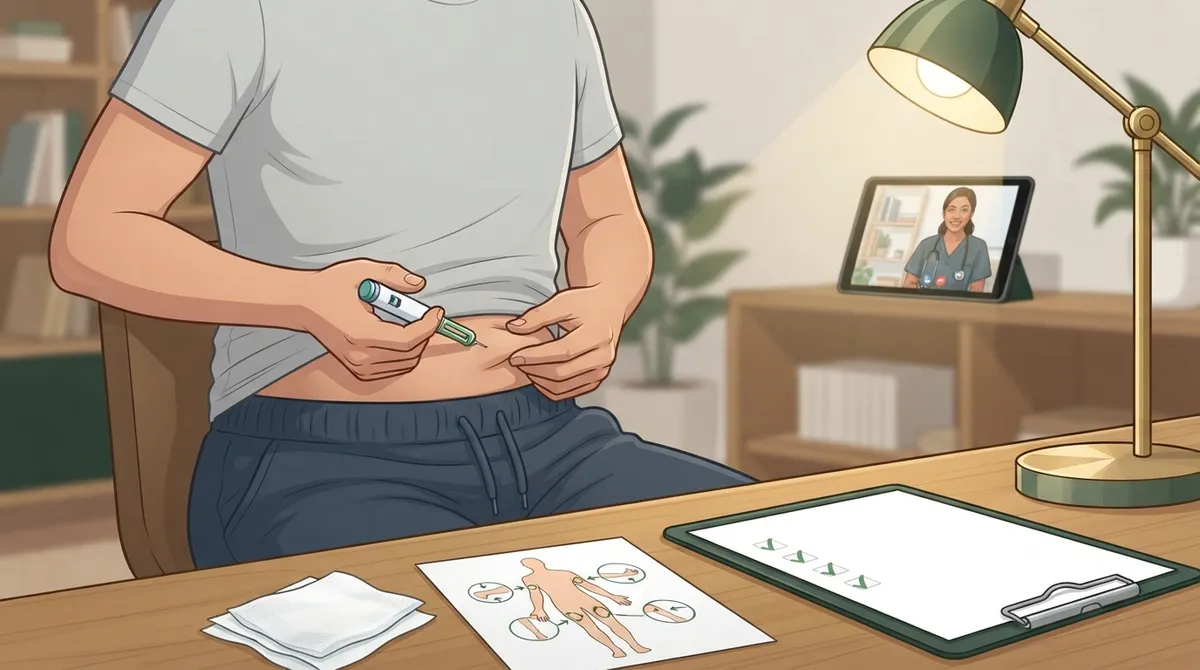
Medical supervision is essential for safe at-home GLP-1 injections; choose providers who offer baseline labs, injection training, and ongoing monitoring rather than one-time transactions.
-
FDA-approved medications like semaglutide and tirzepatide show 14.9-20.9% body weight loss in clinical trials, while compounded versions lack FDA approval and have 990+ adverse event reports as of May 2026.
-
Rotate injection sites weekly between abdomen, thighs, and upper arms to reduce irritation and improve medication absorption, avoiding scarred or bruised areas.
-
Common side effects include nausea, diarrhea, and reduced appetite, but seek immediate medical attention for persistent vomiting, severe abdominal pain, or signs of dehydration.
-
Ask your provider four critical questions before starting: Is the prescriber licensed? Is the pharmacy regulated? What exact formulation are you receiving? What's the monitoring plan?
-
Store unopened pens in the refrigerator, dispose of all needles in FDA-cleared sharps containers never household trash, and follow product-specific instructions for missed doses rather than guessing.
Picture this: your GLP-1 medication arrives at your door, and you feel ready to take charge of your health from your own kitchen table. That’s the beauty of modern peptide therapy. GLP-1 injections at home have become one of the most popular ways to manage weight and metabolic health without constant clinic visits. But here’s the thing, friend: convenience only works when it’s paired with real medical guidance. This guide will walk you through everything you need to know to do it right, safely, and with confidence.
Whether you’re a busy professional squeezing self-care between meetings, a wellness seeker ready to level up your routine, or someone simply curious about what this whole GLP-1 thing is about, you’re in the right place. We’ll cover the medications themselves, how to inject safely, what side effects to watch for, and why working with a licensed provider makes all the difference. Let’s get into it.
What Are GLP-1 Injections and Why Take Them at Home?
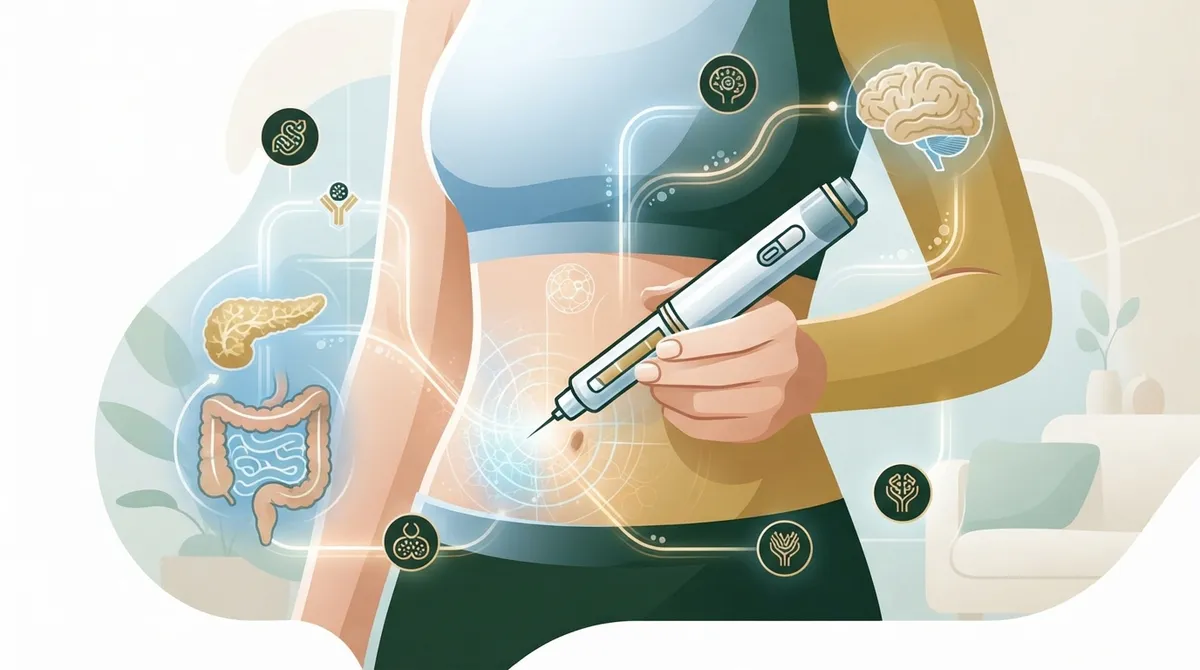
GLP-1 stands for glucagon-like peptide-1. It’s a natural hormone in your body that helps control blood sugar and appetite. Medications that mimic this hormone include semaglutide (found in Wegovy and Ozempic), liraglutide (Saxenda and Victoza), and tirzepatide (Zepbound and Mounjaro). These are prescription peptide-based therapies, and the right one for you depends on your health history, goals, and a full clinical evaluation.
Home injection simply means you administer your weekly dose yourself, using a prefilled pen or a vial and syringe, after receiving training from a licensed provider. It’s convenient. No waiting rooms, no scheduling headaches, no rearranging your whole week. But convenience should never replace proper medical oversight. If you want to understand the full picture of this therapy, check out our guide on how to understand GLP-1 peptide therapy in 2026.
Who Typically Uses At-Home GLP-1 Therapy
- Adults managing weight who want a medically supervised, structured plan
- People with metabolic concerns like insulin resistance or prediabetes
- Busy professionals who need flexible treatment without frequent office visits
- Wellness seekers already investing in labs, supplements, and preventive care
- Aging adults looking to protect metabolic health as part of a longevity plan
How to Prepare for Your First Home Injection
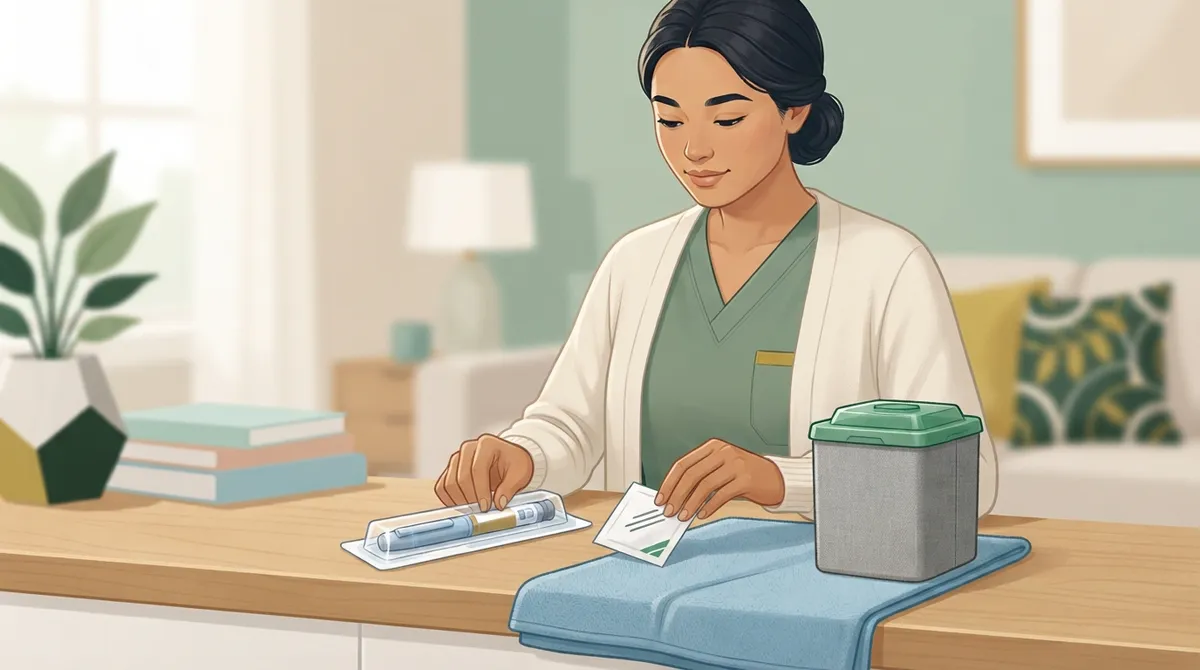
Getting started the right way sets the tone for your whole treatment journey. Here’s a simple step-by-step process most reputable peptide-therapy providers will walk you through:
- Complete a medical evaluation. A licensed provider reviews your health history, current medications, and bloodwork to confirm GLP-1 therapy is appropriate for you.
- Get baseline labs. Bloodwork helps your provider understand your metabolic health and rule out contraindications.
- Receive injection training. A nurse or provider should show you exactly how to prepare, inject, and store your medication.
- Review your dosing schedule. Most GLP-1 medications are weekly injections with gradual dose increases to improve tolerability.
- Set up your supplies. This includes your pen or vial, alcohol swabs, and an FDA-cleared sharps container for safe disposal.
If you’re new to this whole process, our article on how to prepare for safe, effective peptide injections breaks down even more helpful details.
Step-by-Step: How to Safely Self-Inject GLP-1 Medication
Once you’ve been trained, the actual injection process is fairly simple. Here’s a general overview (always follow your specific product’s instructions):
- Wash your hands thoroughly with soap and water.
- Check the medication name, strength, expiration date, and appearance before use.
- Clean your injection site with an alcohol swab and let it dry.
- Pinch the skin gently and insert the needle at the recommended angle.
- Inject the full dose slowly and steadily, following your pen’s instructions.
- Dispose of the needle immediately in a sharps container. Never reuse or share needles or pens.
Best Injection Sites for GLP-1 Medications
Rotating your injection site helps reduce irritation and improves absorption. Common sites include:
- Abdomen (avoiding a two-inch area around the belly button)
- Front or outer thigh
- Outer upper arm (if you have help injecting)
Avoid injecting into scarred, bruised, or irritated skin. Rotating sites weekly can make a real difference in comfort over time.
Comparing Common GLP-1 Medications Used at Home
| Medication | Active Ingredient | Typical Frequency | Clinical Trial Weight Loss Results |
|---|---|---|---|
| Wegovy / Ozempic | Semaglutide | Weekly | ~14.9% body weight at 68 weeks (STEP 1 trial) |
| Zepbound / Mounjaro | Tirzepatide | Weekly | ~20.9% body weight at 72 weeks (SURMOUNT-1 trial) |
| Saxenda / Victoza | Liraglutide | Daily | ~8.0% body weight at 56 weeks (SCALE trial) |
These numbers come from major clinical trials, and individual results vary based on dose, diet, activity, and personal biology. If weight loss is your main goal, our resource on which weight loss peptides actually work in 2026 offers more context.
Understanding Side Effects and Warning Signs
Most people tolerate GLP-1 medications reasonably well, especially with gradual dose increases. That said, side effects are common, and knowing what to expect helps you stay calm and informed.
Common Side Effects
- Nausea and mild vomiting
- Diarrhea or constipation
- Reduced appetite
- Abdominal discomfort
Warning Signs That Need Medical Attention
- Persistent vomiting or inability to keep fluids down
- Severe or worsening abdominal pain
- Signs of dehydration like dizziness or dark urine
- Symptoms of an allergic reaction, such as swelling or difficulty breathing
- Low blood sugar symptoms, especially if combined with insulin
If you experience any of these, contact your provider right away. Our article on what causes GLP-1 side effects and how to manage them goes deeper into practical solutions that can help you feel more comfortable throughout treatment.
Why the Compounded vs. FDA-Approved Question Matters
This part is important, so let’s slow down here. Compounded semaglutide and tirzepatide are not FDA-approved products. According to the FDA, compounded drugs are not reviewed for safety, effectiveness, or quality before they reach patients. As of May 2026, the FDA reported receiving 990 adverse-event reports linked to compounded semaglutide and more than 730 linked to compounded tirzepatide. These reports don’t prove the medication caused every event, but they highlight real concerns around dosing accuracy, contamination, and labeling.
Before starting treatment anywhere, ask these questions:
- Who is prescribing my medication, and are they licensed in my state?
- What pharmacy dispenses the product, and is it properly regulated?
- What exact formulation and concentration am I receiving?
- How will my provider monitor me over time?
- What is the plan if I experience side effects?
A trustworthy peptide-therapy provider will answer these questions clearly and without hesitation. Learn more in our guide on FDA-approved vs. compounded peptides: what wins.
Storage, Missed Doses, and Disposal Basics
Every GLP-1 product has its own storage and handling instructions, but here are some general best practices:
- Store unopened pens in the refrigerator, away from the freezer compartment.
- Once in use, many pens can be kept at room temperature for a limited time; check your specific label.
- Multidose vials are generally used within 28 days after first puncture, unless your pharmacy’s validated labeling says otherwise.
- If you miss a dose, follow your product’s specific missed-dose instructions rather than guessing.
- Always dispose of needles and syringes in an FDA-cleared sharps container, never in household trash.
Who Should Not Use GLP-1 Medications
GLP-1 and GLP-1/GIP medications aren’t right for everyone. Based on current product labeling, they are generally not recommended for people with:
- A personal or family history of medullary thyroid carcinoma
- Multiple endocrine neoplasia syndrome type 2
- Certain gastrointestinal conditions, pending provider evaluation
- A history of pancreatitis, depending on individual circumstances
This is exactly why a real medical evaluation matters so much. A quick online quiz simply can’t replace bloodwork and a conversation with a licensed provider. For a deeper look at what makes peptides safe and appropriate, see 8 facts that explain what are peptides in 2026, and learn more about the science from the what are peptides overview and this peer-reviewed research from the National Library of Medicine.
How Ongoing Monitoring Makes Home Injections Safer
Home injections work best as part of an ongoing relationship with your care team, not a one-time transaction. Good monitoring includes:
| Monitoring Element | Why It Matters |
|---|---|
| Follow-up bloodwork | Tracks metabolic changes and confirms treatment is working safely |
| Dose adjustments | Helps manage side effects and improve results over time |
| Check-ins with your provider | Catches problems early and answers your questions |
| Access to urgent guidance | Gives you a clear path if something feels wrong |
At Allura Longevity, treatment starts with a simple $50 virtual consultation, followed by complete bloodwork through LabCorp. From there, you receive a custom six-month plan, with peptides delivered right to your home and ongoing monitoring from licensed providers led by Ashley, a board-certified Family Nurse Practitioner. It’s the kind of thoughtful, personalized care that makes home injections feel supported rather than solo.
Building Home GLP-1 Therapy Into Your Bigger Wellness Picture
GLP-1 therapy tends to work best when it’s part of a broader plan, not a standalone fix. Many clients pair it with strategies for muscle preservation, energy support, or hormone balance. If you’re curious how peptides can support fat loss alongside metabolic health, take a look at 13 peptides for fat loss that really work in 2026. And if convenience is a top priority for you, our comparison of local clinic vs. telehealth: best peptide therapy near you can help you decide what setup fits your lifestyle.
Tips to Stay Consistent With Your Treatment
- Set a weekly reminder on your phone for injection day.
- Keep supplies organized in one dedicated spot at home.
- Track your side effects in a simple notes app to share with your provider.
- Stay hydrated, especially during the first few weeks of dose escalation.
- Communicate openly with your care team about how you’re feeling.
Bringing It All Together
GLP-1 injections at home offer real convenience, but the magic ingredient is proper medical supervision. From baseline labs to injection training to ongoing check-ins, every step matters for both your safety and your results. You deserve a treatment plan built around your body, your goals, and your life, not a one-size-fits-all approach.
If you’re ready to explore whether GLP-1 peptide therapy is right for you, Allura Longevity offers personalized, physician-supervised care delivered straight to your door, with licensed providers available across Florida, Georgia, Texas, Connecticut, Indiana, Maryland, New York, and California. Spots are limited each month, so if you’re feeling ready, now’s a great time to take the next step. You can request a consultation today, or call (813) 510-6277 to talk with our team. Your future self will thank you.
FAQs
Q: Can I give GLP-1 injections to myself at home?
A: Yes, most people can self-inject GLP-1 medications at home once they’ve received proper training from a licensed provider. It’s totally normal to feel a little nervous at first, but with practice, it becomes a quick and simple part of your weekly routine.
Q: How do I inject semaglutide or tirzepatide safely at home?
A: Wash your hands, check your medication, clean your injection site, and follow your pen’s specific instructions for angle and timing. Always dispose of needles in a sharps container right away, and never reuse or share your pen with anyone, even family.
Q: What should I do if I miss my weekly GLP-1 injection?
A: Follow the missed-dose instructions specific to your medication, since these can vary between products. When in doubt, reach out to your provider so they can guide you safely rather than guessing on your own.
Q: Are compounded semaglutide and tirzepatide safe for home use?
A: Compounded versions aren’t FDA-approved, and the FDA has reported concerns about dosing errors, contamination, and labeling issues. It’s worth asking your provider detailed questions about the source, formulation, and monitoring plan before starting any peptide therapy.
Q: How does a medical peptide-therapy clinic monitor patients using GLP-1 injections at home?
A: A good clinic will schedule follow-up bloodwork, check in on side effects, and adjust your dose as needed over time. This kind of ongoing support is exactly what makes home injections feel safe, guided, and genuinely effective for your goals.





