
Key Takeaways
-
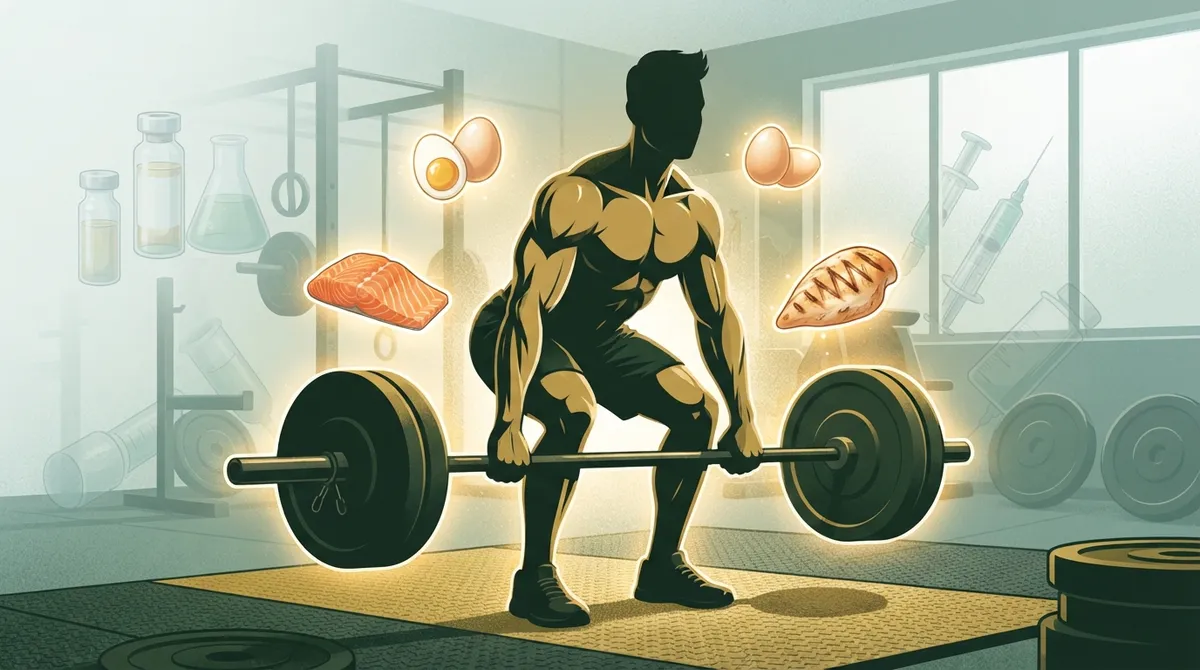
Resistance training combined with adequate protein remains the gold standard for muscle recovery, with strong clinical evidence showing muscle mass and strength improvements in older adults—far superior to most unproven peptides.
-
Growth-hormone peptides like CJC-1295 and ipamorelin are popular but lack FDA approval for muscle building, and clinical research supporting their use for muscle loss recovery remains limited despite marketing claims.
-
GLP-1 medications (semaglutide) approved for weight loss can cause unintended lean muscle loss alongside fat loss, making resistance training and protein intake essential if using these medications.
-
BPC-157, TB-500, and similar tissue-repair peptides show promise only in animal and laboratory studies; human evidence is sparse, and safety, dosing, and quality control remain unsettled.
-
Growth-hormone-related peptides carry real risks including joint pain, carpal-tunnel symptoms, glucose intolerance, and insulin resistance, requiring baseline blood work, medical supervision, and ongoing monitoring.
-
Work with licensed providers who verify human trial evidence, check FDA approval for your specific condition, and establish baseline measurements—cookie-cutter peptide protocols rarely deliver hoped-for results.
Losing muscle feels sneaky. One year you can carry groceries in one trip, and the next you’re wondering why your arms feel weaker after a bad flu or a few months of skipping the gym. If you’ve been researching peptide therapy as a way to help your body bounce back, you’re in good company. Muscle loss recovery is one of the most searched topics among people who care about aging well, staying strong, and feeling like themselves again.
Here’s the honest truth: peptide therapy can be a helpful piece of the puzzle, but it’s not a magic fix. Some peptides show real promise. Others are still being studied. And a few popular ones simply don’t have the human evidence yet to back up the hype. This guide breaks down what actually works, what’s still unproven, and how to build a smart, safe plan with the help of a licensed provider. Let’s dig in together.

What Muscle Loss Recovery Really Means
In the world of what are peptides and how they interact with your body, muscle loss recovery refers to efforts to rebuild lean mass, strength, and function. This can happen after aging, illness, injury, immobilization, or rapid weight loss.
It’s not just about looking toned. It’s about being able to climb stairs without getting winded, carry your kids, or recover from surgery without months of frustrating weakness. Muscle is closely tied to metabolism, balance, and even immune health, so protecting it matters at every age.
Why This Topic Is Getting So Much Attention
- More people are using GLP-1 medications for weight loss, and some are losing muscle along with fat
- Aging adults want to stay independent and avoid frailty
- Biohackers are tracking body composition and looking for an edge
- Busy professionals want efficient recovery after injury or intense training
- Wellness seekers are curious whether peptides can support what diet and exercise already do
1. Growth-Hormone Peptides Are Popular, But Evidence Is Still Limited
Peptides like CJC-1295 and ipamorelin are often marketed as tools for muscle recovery and anabolic support. They work by encouraging your pituitary gland to release more growth hormone. That sounds promising, but here’s the catch: they are not FDA-approved for general muscle building or age-related muscle loss.
Clinical research on these specific peptides for muscle recovery remains limited. That doesn’t mean they’re useless, but it does mean claims should be taken with a grain of salt. If you’re curious about how these peptides work, it’s worth reading more about how to use CJC-1295 peptide safely for real results before starting anything on your own.
2. Tesamorelin Has a Narrow, Approved Use
Tesamorelin is FDA-approved, but only for reducing excess abdominal fat in adults with HIV-associated lipodystrophy. It is a growth-hormone-releasing factor analog, which sounds impressive. But that approval doesn’t mean it’s an approved treatment for everyday muscle loss or sarcopenia.
This is an important distinction. Just because a peptide has FDA approval for one use doesn’t mean it’s proven for another. A licensed provider can help you understand where a peptide’s evidence actually applies to your goals.
3. BPC-157 and TB-500 Show Promise, But Mostly in Labs
BPC-157, TB-500, and GHK-Cu get a lot of buzz for tissue repair and muscle-related benefits. The research so far is mostly from animal and laboratory studies. Human evidence is still sparse, and things like dosing, quality control, and long-term safety aren’t fully settled yet.
If you want a deeper dive, our guide on 9 BPC-157 peptide facts to know before you start covers what’s known and what’s still uncertain. The same goes for TB-500, which you can explore in 13 facts about TB-500 peptide you need in 2026.
4. GLP-1 Medications Can Cause Muscle Loss Alongside Fat Loss
Semaglutide and similar GLP-1 medications are peptide-based drugs approved for diabetes and obesity. They are not designed to build muscle. In fact, rapid weight loss on these medications can include a loss of lean mass, not just fat.
This is exactly why resistance training and adequate protein matter so much if you’re using a GLP-1 medication. A two-year registered clinical trial is currently studying semaglutide with and without exercise, tracking muscle mass and strength outcomes. That tells us this question is still being actively researched, not settled science. If you’re on this path, our article on 8 GLP-1 weight loss maintenance tips that last (2026) offers practical strategies to protect your muscle.
5. Resistance Training and Protein Remain the Gold Standard
Here’s the part nobody wants to skip, but it’s the most proven approach we have. Multiple studies confirm that combining resistance exercise with enough protein produces real, measurable improvements in muscle mass and strength.
| Study | Population | Key Result |
|---|---|---|
| 2024 meta-analysis (8 studies) | 854 adults, 60+ | Muscle mass improved (SMD 0.95); strength improved (SMD 0.32) |
| Systematic review (13 RCTs) | 1,057 adults, 65+ | Skeletal muscle index up 0.89 kg/m²; grip strength up 2.64 kg |
| 2024 whey protein meta-analysis (10 RCTs) | 1,154 older adults | Appendicular muscle mass index improved (SMD 0.47); grip strength up with training (SMD 0.67) |
These numbers may look technical, but the takeaway is simple. Lifting weights and eating enough protein works, and the evidence is far stronger than what we currently have for most trendy peptides. According to the National Library of Medicine, this combination remains one of the most reliable ways to preserve muscle as we age.
6. Newer Peptides Are Being Studied, But Confirmation Takes Time
A 2025 scoping review identified 87 different peptides connected to muscle wasting research, ranging from collagen tripeptide to insulin. That number sounds exciting, but it reflects the breadth of research interest, not a list of proven treatments.
One small 12-week trial looked at a synthetic peptide called Myoki in 80 people with muscle atrophy, measuring muscle mass, grip strength, and walking speed. This is a single study and needs independent confirmation before it can be generalized to other products. If you’re tracking emerging research, our piece on what are regenerative medicine peptides, and do they work is a helpful companion read.
Steps to Take Before Trying Any New Peptide
- Ask whether human trials exist, not just animal studies
- Check if the peptide is FDA-approved for your specific concern
- Talk to a licensed provider about your personal health history
- Get baseline blood work to track real changes over time
- Set realistic expectations based on the actual evidence
7. Safety and Monitoring Should Never Be Optional
Growth-hormone-related peptides can carry real risks. These include joint or muscle pain, swelling, carpal-tunnel-like symptoms, glucose intolerance, insulin resistance, headaches, and worsened sleep apnea in some people. Anyone with cancer risk factors or uncontrolled metabolic disease needs extra caution and close medical supervision.
There’s another layer to consider too. Unregulated or compounded peptide products may have unclear purity, sterility, or concentration. That’s a real concern, and it’s exactly why working with a licensed clinician matters so much. A good provider will check your labs, review your medications, and track measurable outcomes rather than just handing you a vial and wishing you luck.
Questions to Ask Your Provider
- What lab tests will you use to measure muscle changes?
- How will you monitor side effects during treatment?
- What happens if the peptide isn’t working for me?
- How does this fit with my current medications and health history?
- What’s the plan if I want to stop treatment?
Building a Smarter Muscle Recovery Plan
Think of peptide therapy as one tool in a much bigger toolbox. It works best alongside the fundamentals, not instead of them. Here’s a simple comparison to keep things in perspective.
| Approach | Evidence Level | Best Used As |
|---|---|---|
| Resistance training + protein | Strong, well-established | Foundation of any recovery plan |
| Tesamorelin | FDA-approved, narrow use | Specific medical condition only |
| CJC-1295, Ipamorelin | Limited human evidence | Adjunct under medical supervision |
| BPC-157, TB-500 | Mostly animal/lab studies | Investigational, closely monitored |
| GLP-1 medications | Approved for weight loss, not muscle building | Paired with exercise and protein |
If you’re building your own plan, it also helps to understand the bigger picture of how these treatments fit together. Our article on how to start peptide therapy safely and see real results walks through the process step by step, and 14 peptides for muscle gain worth knowing (2026) offers a broader look at options currently being explored.
Why Personalized, Medically Supervised Care Matters
No two bodies respond to peptide therapy the same way. Your age, hormone levels, activity level, and health history all play a role. That’s why cookie-cutter protocols rarely deliver the results people hope for.
At Allura Longevity, care starts with a simple $50 virtual consultation and blood work through LabCorp. From there, licensed providers, led by board-certified Family Nurse Practitioner Ashley, build a customized six-month plan based on your actual lab results and goals. Everything ships directly to your home, and your plan gets adjusted along the way as your body responds. This kind of ongoing, hands-on monitoring is exactly what the research says matters most when using growth-hormone-related therapies responsibly.
Whether you’re focused on peptides for women navigating midlife changes or exploring peptides for men looking to rebuild strength after an injury, personalized care makes a real difference. You can also learn more about the basics in 7 Facts That Get Peptide Therapy Explained (2026).
Putting It All Together
Muscle loss recovery isn’t about chasing the newest trend. It’s about combining what’s proven, like resistance training and protein, with careful, supervised use of peptides that show genuine promise for your situation. Some peptides may help. Others need more research. And your safety always comes first.
If you’re ready to stop guessing and start with real answers based on your own blood work, our team is here to help. Spots fill up quickly each month, so if you’re serious about protecting your strength and vitality, now’s a great time to act. Request a consultation today and let’s build a plan that actually fits your body and your goals. You can also reach our team directly at (813) 510-6277 to ask questions before you commit to anything.
FAQs
Q: Can peptide therapy help recover muscle lost from aging or weight loss?
A: It might help as part of a bigger plan, but it’s not a standalone fix. The strongest results still come from resistance training, enough protein, and treating any underlying health issues, with peptide therapy used carefully alongside those basics under medical guidance.
Q: Which peptides are used for muscle loss recovery?
A: Growth-hormone peptides like CJC-1295 and ipamorelin get the most attention, along with tissue-repair peptides like BPC-157 and TB-500. That said, human evidence for most of these is still limited, so it’s worth having realistic expectations.
Q: Are CJC-1295 and ipamorelin FDA approved for muscle building?
A: Nope, they’re not approved by the FDA for muscle building or age-related muscle loss. They’re popular in wellness circles, but the clinical research backing them for this specific use is still pretty thin.
Q: Can GLP-1 medications like semaglutide cause muscle loss?
A: Yes, this can happen. Rapid weight loss from GLP-1 medications sometimes includes lean muscle, not just fat, which is exactly why pairing these medications with resistance training and adequate protein is so important.
Q: What tests measure muscle loss and recovery during peptide treatment?
A: Providers typically use blood work, body composition scans like DEXA, and simple strength tests like grip strength or walking speed. Tracking these over time helps confirm whether a treatment plan is actually working for you.





