

Key Takeaways
-
Menopausal hormone therapy (MHT) with estrogen and progestogen is the gold-standard, evidence-based treatment for perimenopause hot flashes, night sweats, and vaginal dryness, and works best when started during perimenopause or within 10 years of your final period.
-
Peptides like BPC-157, CJC-1295, and ipamorelin are not hormone replacements and lack perimenopause-specific clinical trials; any provider claiming they can substitute for estrogen or progesterone is a red flag.
-
No randomized controlled trials currently prove that non-GLP-1 peptides improve perimenopause symptoms like sleep, cognition, libido, or hormone balance, despite marketing claims from wellness clinics.
-
Women with a uterus must take progestogen alongside estrogen therapy to protect the uterine lining and reduce cancer risk, making individualized medical evaluation essential before starting any hormone treatment.
-
Transdermal estrogen (patches, gels, creams) may carry lower blood clot risk than oral estrogen for some patients, highlighting the importance of choosing the right formulation based on personal health factors.
-
Before starting any perimenopause treatment, get comprehensive blood work, ask providers for evidence supporting their recommendations, and reassess your plan every few months as your body changes.
If you’re waking up at 3 a.m. drenched in sweat, snapping at your kids over nothing, or watching the scale creep up despite eating the same way you always have, you’re not losing your mind. You’re probably in perimenopause. And if you’ve been scrolling wellness forums, you’ve likely seen peptides mentioned alongside hormone therapy like they’re interchangeable. They’re not, and understanding the difference could save you time, money, and frustration.
This guide breaks down what perimenopause hormone therapy actually is, where peptide therapy fits into the bigger picture, and how to make smart, safe choices for your body. Whether you’re a busy professional juggling a career and hot flashes, or a biohacker who wants the full evidence-based picture, we’ve got you covered. Let’s clear up the confusion together, in plain, friendly language.

1. What Perimenopause Hormone Therapy Actually Means
Perimenopause hormone therapy usually refers to menopausal hormone therapy, or MHT. This typically means estrogen, paired with a progestogen if you still have a uterus. It’s the gold-standard treatment for hot flashes, night sweats, and vaginal dryness during the years leading up to menopause.
According to the 2025 Menopausal Hormone Therapy Guidelines, MHT works best when started during perimenopause or within 10 years of your final period, ideally before age 60. This is not a peptide protocol. It’s a well-studied, FDA-regulated hormone treatment with decades of clinical research behind it.
2. Why Peptide Therapy Gets Confused With Hormone Therapy
Peptide clinics often market their treatments for energy, sleep, weight, and aging. Since perimenopause affects all of these things, it’s easy to see why people lump peptides and hormone therapy together. But they work in very different ways.
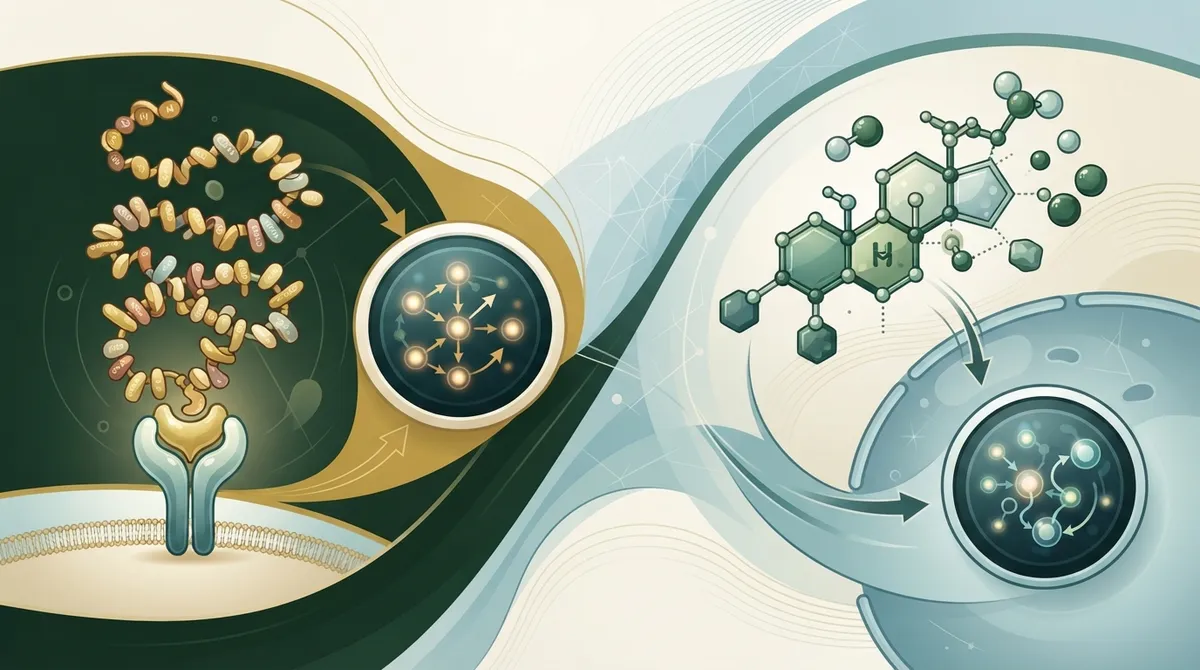
Peptides are short chains of amino acids that signal your body to do specific things, like release growth hormone or support tissue repair. If you’re curious about the basics, what are peptides is a helpful primer. Hormone therapy, on the other hand, directly replaces estrogen and progesterone that your ovaries are producing less of.
3. Peptides Like BPC-157 and CJC-1295 Are Not Hormone Replacements
Let’s be clear: peptides such as BPC-157, CJC-1295, ipamorelin, and tesamorelin are not substitutes for estrogen or progesterone. They’re not guideline-recommended treatments for perimenopause symptoms either.
A 2025 evidence review found only three published human studies on BPC-157, and none were randomized controlled trials proving effectiveness for perimenopause. If a clinic tells you a peptide will replace your hormones, that’s a red flag worth questioning.
4. The Evidence Gap for Wellness Peptides
Here’s something every wellness seeker deserves to know. A 2026 review found no relevant randomized controlled trials showing that non-GLP-1 peptides improve perimenopause or menopause symptoms. That includes claims about better sleep, sharper thinking, improved libido, or hormone balance.
This doesn’t mean peptides have no value. It means the specific claim of “peptides fix perimenopause” isn’t backed by strong science yet. Honest providers will tell you this upfront rather than overselling a product.
5. What MHT Actually Treats (And What It Doesn’t)
Menopausal hormone therapy is the most effective option for vasomotor symptoms, like hot flashes and night sweats, plus genitourinary symptoms such as dryness and discomfort. It can also help protect bone density in appropriate candidates.
Here’s a quick comparison to keep things straight:
| Treatment | What It Is | Proven Use in Perimenopause |
|---|---|---|
| MHT (estrogen + progestogen) | FDA-approved hormone replacement | Yes, for hot flashes, dryness, bone loss prevention |
| BPC-157 | Peptide for tissue repair | No perimenopause-specific trials |
| CJC-1295/Ipamorelin | Growth hormone releasing peptides | No proven claims for weight, sleep, or cognition in perimenopause |
| GLP-1 medications | FDA-approved for diabetes/obesity | Not approved for menopause symptoms, but may help weight management |
6. Who Needs Progestogen Alongside Estrogen
If you still have your uterus, adding a progestogen to estrogen therapy is important. This protects the uterine lining from overgrowth and reduces cancer risk. Estrogen-only therapy is typically reserved for women who’ve had a hysterectomy.
This is exactly why individualized care matters so much. A licensed provider will review your full health history before recommending any combination.
7. Transdermal vs. Oral Estrogen: Does Route Matter?
Yes, it can. Transdermal estrogen (patches, gels, creams) may carry a lower risk of blood clots compared to oral estrogen for some patients. This makes it a preferred option for women with elevated clotting risk factors.
Still, the right choice depends on your personal health picture. Your provider should weigh your age, symptoms, and risk factors before choosing a formulation.
8. The Truth About Compounded Hormones and Compounded Peptides
Compounded bioidentical hormones and compounded peptides are often marketed as “more natural” or “safer.” That’s not automatically true. Compounded products can vary in potency, sterility, and quality control because they don’t go through the same FDA approval process as regulated medications.
Professional guidance generally favors FDA-approved hormone products over routine compounded versions, precisely because approved products come with solid safety and efficacy data. If you’re weighing your options, this comparison of FDA-approved vs. compounded peptides is worth a read.
9. Who Should Think Twice Before Starting Hormone Therapy
Hormone therapy isn’t right for everyone. Certain situations call for extra caution or may rule it out entirely. Here are common concerns your provider will screen for:
- Unexplained vaginal bleeding
- Active or prior hormone-sensitive cancer (like some breast cancers)
- History of blood clots or stroke
- Significant liver disease
- Certain cardiovascular conditions
- Uncontrolled high blood pressure
This is why blood work and a real medical evaluation matter so much before starting any treatment plan, hormone or peptide. Learn more about how to start peptide therapy safely and see real results before jumping in.
10. Where GLP-1 Medications and Supportive Peptides Fit In
Here’s where things get interesting for health optimizers and biohackers. GLP-1 medications are FDA-approved for diabetes and obesity, not as hormone replacement for menopause. But many women in perimenopause struggle with weight gain, and GLP-1s may be a legitimate tool when prescribed appropriately for that specific purpose.
Similarly, some peptides may offer supportive benefits for energy, recovery, or metabolic health as part of a broader wellness plan, even though they aren’t proven perimenopause treatments on their own. If you’re curious how these medications work, how to understand GLP-1 peptide therapy in 2026 lays out the basics clearly.
How to Build a Smart, Safe Perimenopause Plan
So how do you put all this together without feeling overwhelmed? Here’s a simple step-by-step approach:
- Get comprehensive blood work done to understand your actual hormone levels.
- Talk with a licensed provider about your specific symptoms, not just general perimenopause info.
- Ask directly whether MHT is appropriate for your age, health history, and risk factors.
- If peptides are recommended, ask what evidence supports that specific use case.
- Avoid providers who claim peptides can fully replace estrogen or progesterone.
- Reassess your plan every few months as your body changes.
This kind of individualized, evidence-informed approach is exactly what quality telehealth providers should offer. According to the National Library of Medicine, personalized treatment planning based on real lab data leads to better outcomes than one-size-fits-all protocols.
Why Personalized Peptide Support Still Matters
Even though peptides aren’t a replacement for hormone therapy, they can still play a supportive role in your overall wellness picture. Think better sleep quality, workout recovery, or metabolic support that complements whatever hormone approach your doctor recommends.
This is where peptides for women designed around your actual blood work, not guesswork, become valuable. Allura Longevity’s licensed providers, led by board-certified Family Nurse Practitioner Ashley, start every client with a $50 virtual consultation and LabCorp blood work before building a custom six-month plan. Everything ships straight to your door, and your plan gets adjusted along the way based on how your body responds.
Common Peptide Options Discussed Alongside Wellness Goals
While these aren’t hormone replacements, here’s a quick look at peptides frequently discussed in wellness circles and what they’re generally associated with:
| Peptide | Commonly Associated With | Perimenopause-Specific Evidence |
|---|---|---|
| BPC-157 | Tissue and gut support | Limited human studies overall |
| CJC-1295 | Growth hormone support | No perimenopause trials identified |
| Ipamorelin | Sleep and recovery support | No perimenopause trials identified |
| Tesamorelin | Metabolic support | Approved for specific fat conditions, not menopause |
If you want to dig deeper into specific compounds, resources like 9 BPC-157 peptide facts to know before you start and Ipamorelin peptide therapy: benefits, dosing and safety offer honest, detailed breakdowns.
Questions to Ask Any Provider Before Starting Treatment
Before you commit to any perimenopause plan, whether it’s hormone therapy, peptides, or both, bring these questions to your consultation:
- What does my blood work actually show about my hormone levels?
- Is estrogen therapy appropriate for me, and do I need progestogen too?
- What symptoms are we targeting, and how will we measure progress?
- What are the realistic risks and benefits based on my personal history?
- Are any recommended peptides backed by research for my specific concern?
- How often will my plan be reviewed and adjusted?
A trustworthy provider will welcome these questions instead of brushing them off. Quality care always starts with transparency.
Bringing It All Together
Perimenopause is a big transition, but you don’t have to navigate it blindly. Menopausal hormone therapy remains the most researched, effective option for classic symptoms like hot flashes and vaginal dryness. Peptide therapy can play a supportive, complementary role for energy, recovery, and overall wellness, but it’s not a substitute for estrogen or progesterone.
The best path forward combines honest information, real lab testing, and a provider who treats you as an individual, not a trend. Whether you’re leaning toward MHT, curious about supportive peptides, or want both working together thoughtfully, the right team makes all the difference.
Ready to get real answers instead of guesswork? Request a consultation with Allura Longevity’s licensed providers today. With personalized plans built from your own blood work and ongoing support from a board-certified Family Nurse Practitioner, you’ll finally have a plan built just for you. Spots are limited each month, so reach out soon at (813) 510-6277.
FAQs
Q: Can peptide therapy replace estrogen or progesterone during perimenopause?
A: No, and any provider telling you otherwise deserves a second look. Peptides like BPC-157 or CJC-1295 simply haven’t been studied as hormone replacements. Estrogen and progesterone therapy remain the evidence-based standard for classic perimenopause symptoms.
Q: Are BPC-157, CJC-1295, or ipamorelin proven for perimenopause symptoms?
A: Not yet, unfortunately. Current research reviews haven’t found solid clinical trials proving these peptides help with hot flashes, sleep, or mood during perimenopause. They may still offer general wellness support, just not as a proven perimenopause fix.
Q: What is the difference between menopausal hormone therapy and peptide therapy?
A: Menopausal hormone therapy replaces the estrogen and progesterone your body makes less of, directly treating hot flashes and dryness. Peptide therapy uses amino acid chains to signal different body processes, like recovery or metabolism, but doesn’t replace hormones.
Q: Are compounded bioidentical hormones and compounded peptides safe for perimenopausal women?
A: They can work for some people, but they’re not automatically safer or better than FDA-approved options. Compounded products can vary in potency and quality since they skip standard FDA approval. Always ask your provider why they’re recommending compounded versus approved products.
Q: Can GLP-1 medications be used for perimenopause weight gain?
A: GLP-1 medications are FDA-approved for diabetes and obesity, not specifically for menopause symptoms. That said, many women use them under medical supervision to help manage weight changes that happen during this life stage. It’s worth discussing with your provider if weight gain is a major concern.





