
Key Takeaways
-
Men with total testosterone below 12 nmol/L on two separate morning tests typically need treatment; levels between 8-14 nmol/L with clear symptoms may warrant a therapeutic trial.
-
Low testosterone affects more than libido—it impacts mood, bone strength, energy, and fat storage; diagnosis requires confirmed low labs plus symptoms, not symptoms alone.
-
Primary hypogonadism (testicular damage) requires direct testosterone replacement, while secondary hypogonadism (brain signaling issues) may benefit from peptides that support natural hormone production.
-
Peptides alone typically won't treat significantly low testosterone from primary testicular failure; many men benefit from a combined approach using both peptides and hormone therapy under medical supervision.
-
Before starting hormone therapy, providers must screen for contraindications including active prostate cancer, high hematocrit, severe heart failure, and plans for fertility; regular monitoring is essential.
-
A personalized treatment plan should start with a virtual consultation, comprehensive bloodwork, provider review, and regular follow-up adjustments rather than generic one-size-fits-all dosing.
Feeling tired all the time? Losing your drive in the bedroom? Noticing your muscles just don’t bounce back like they used to? You’re not alone, and you’re not imagining things. Many men quietly deal with these changes for years before they ask for help. The good news is that figuring out when men need hormone therapy doesn’t have to be confusing or scary.
This guide breaks it down in plain language. We’ll cover the symptoms, the blood tests, and the exact numbers doctors look for. We’ll also talk about where peptide therapy fits into the picture, and when it’s not enough on its own. Whether you’re a busy professional squeezing in a lunchtime blood draw or a biohacker who tracks every lab value, this article will help you understand your options. And if you’re ready to get real answers, requesting a consultation is a simple first step.
What Hormone Therapy Actually Means for Men
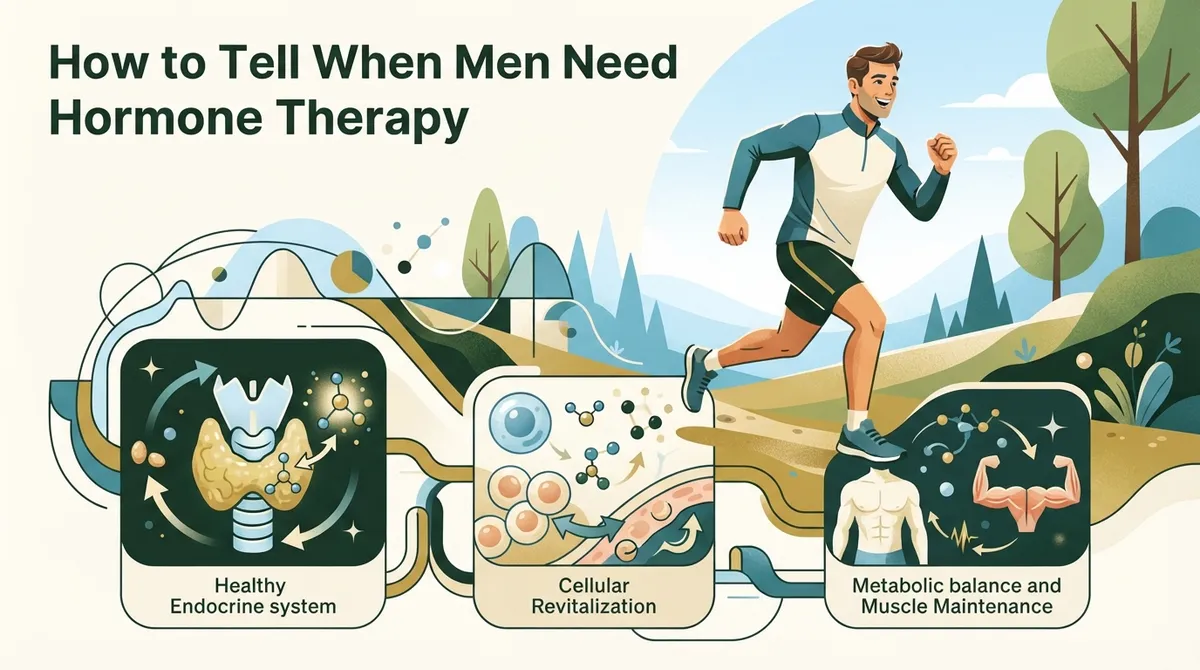
When people say “hormone therapy” for men, they almost always mean testosterone replacement therapy, or TRT. This is not about slowing normal aging. It’s about treating a real medical condition called hypogonadism, which just means your body isn’t making enough testosterone.
Testosterone affects way more than just muscle and libido. It plays a role in mood, bone strength, energy, and even how your body stores fat. When levels drop too low, you feel it in almost every part of daily life.
Hormone Therapy vs Peptide Therapy: What’s the Difference
Peptides and testosterone therapy are not the same thing, even though people sometimes lump them together. Peptides are short chains of amino acids that can signal your body to produce more of its own hormones or support recovery in other ways, as explained in this overview of what are peptides and how they work. Testosterone therapy, on the other hand, replaces the hormone directly.
Here’s a simple way to compare the two approaches:
| Feature | Testosterone Therapy (TRT) | Peptide Therapy |
|---|---|---|
| How it works | Replaces testosterone directly | Stimulates the body’s own hormone signaling |
| Best for | Primary or severe hypogonadism | Mild signaling issues, recovery, energy, wellness support |
| Speed of results | Often faster symptom relief | Gradual improvement over weeks to months |
| Fertility impact | Can suppress natural sperm production | Generally more fertility-friendly |
| Monitoring needs | Regular bloodwork for hematocrit and prostate markers | Routine labs to track hormone response |
If you want a deeper look at how these treatments differ, this breakdown on how to choose between bioidentical hormones and peptides walks through the decision step by step.
7 Signs You Might Need Hormone Therapy
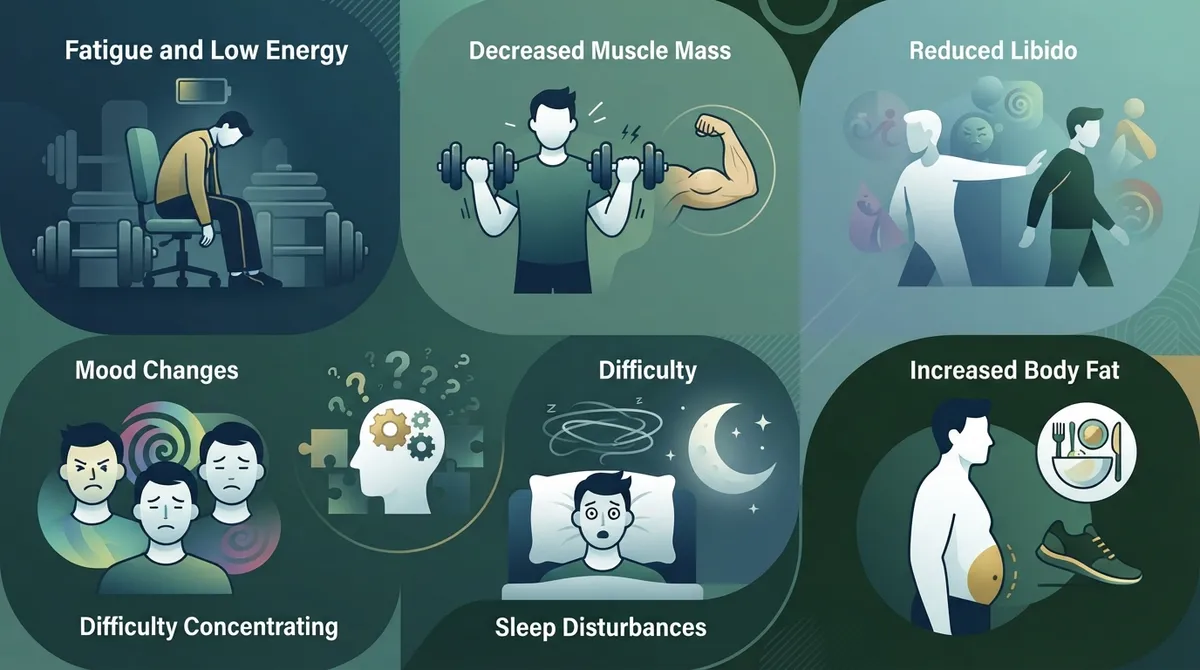
Low testosterone doesn’t always show up in obvious ways. Sometimes it creeps in slowly, and you just assume you’re getting older or more stressed. Here are the most common warning signs:
- Low sex drive that doesn’t bounce back with rest or lifestyle changes
- Erectile dysfunction that happens more often than it used to
- Constant fatigue, even after a full night’s sleep
- Mood changes, including irritability or a flat, depressed feeling
- Losing muscle mass despite regular workouts
- Gaining body fat, especially around the belly
- Weak bones or a bone density scan that comes back low
If a few of these sound familiar, it might be time to get your levels checked. According to the Endocrine Society, symptomatic testosterone deficiency combined with confirmed low labs is the standard for starting treatment, not just a single off-day or symptom.
How Doctors Confirm Low Testosterone
Feeling tired isn’t enough on its own. Doctors need lab proof before recommending hormone therapy. This usually means:
- Getting a blood draw early in the morning, when testosterone is naturally highest
- Repeating the test on a separate day to confirm the result
- Reviewing your symptoms alongside the numbers, not just the numbers alone
- Ruling out other causes, like thyroid issues or medication side effects
- Checking related markers, such as LH and FSH, to find out why levels are low
This two-test approach matters because testosterone naturally swings throughout the day and can dip temporarily due to stress, poor sleep, or illness.
The Numbers That Matter: Testosterone Thresholds
So how low is too low? This is where lab work gets specific. According to the British Society for Sexual Medicine’s 2023 guideline, men with total testosterone below 12 nmol/L, or free testosterone below 225 pmol/L, on two separate morning tests usually need treatment. Men in the 8 to 14 nmol/L range may still benefit from a trial of therapy if they have clear symptoms.
| Testosterone Level | What It Usually Means |
|---|---|
| Below 8 nmol/L | Treatment is typically recommended |
| 8–14 nmol/L with symptoms | A therapeutic trial may be appropriate |
| Above 14 nmol/L | Hormone therapy is less likely to be the answer; other causes should be explored |
The Endocrine Society’s guidance echoes this same idea: therapy is for men with symptomatic deficiency, and it should always involve a conversation about risks and benefits with your provider, as outlined in current hypogonadism treatment guidelines.
Primary vs Secondary Hypogonadism: Why It Changes Your Options
Not all low testosterone is the same. There are two main types, and knowing the difference matters a lot when deciding between peptides and traditional hormone therapy.
Primary Hypogonadism
This happens when the testes themselves are damaged or not working properly. Common causes include injury, certain infections, chemotherapy, or genetic conditions. In this case, peptides that try to stimulate the testes usually won’t help much, because the problem isn’t a lack of signal. It’s a lack of response. Men with primary hypogonadism typically need direct testosterone replacement.
Secondary Hypogonadism
This type starts higher up, in the brain’s signaling centers (the hypothalamus and pituitary gland). The testes are healthy, but they’re not getting the right signal to produce testosterone. This is where peptides for men can sometimes play a helpful role, since certain peptides may support the body’s natural signaling pathway instead of replacing the hormone outright.
Here’s a quick summary:
- Primary hypogonadism: testes are the problem, peptides are less effective
- Secondary hypogonadism: signaling is the problem, peptides may help support natural production
- Both types require lab confirmation before starting any treatment
- A provider can help determine which type you have through targeted bloodwork
Can Peptides Replace Testosterone Therapy?
This is one of the most common questions we hear, and the honest answer is: sometimes, but not always. Peptides are exciting tools for supporting energy, recovery, sleep, and general wellness. Some may even support the body’s own hormone production in mild cases. But if your testosterone is significantly low, especially from primary testicular failure, peptides alone typically won’t get you where you need to be.
Research summarized in the National Library of Medicine notes that androgen replacement remains the standard treatment for confirmed hypogonadism, while peptide-based approaches are often better suited for supporting overall hormone balance rather than replacing severely deficient levels. That said, many men benefit from a combined approach, using both peptides and hormone therapy under medical guidance.
When Peptides Might Be the Right Starting Point
- Your labs show borderline-low testosterone without severe deficiency
- You’re dealing with fatigue, poor recovery, or sluggish metabolism
- You want to support natural hormone signaling before considering full replacement
- You’re focused on general wellness goals like better sleep or muscle recovery
If you’re curious about specific options, this guide on growth hormone peptides and how they work is a great place to start learning more.
Safety Considerations Before Starting Hormone Therapy
Hormone therapy isn’t right for everyone. Before starting treatment, your provider should screen for certain risk factors. According to research published by Harvard Health, testosterone therapy carries real considerations that deserve a careful look before diving in.
Here are important contraindications and risks to discuss with your provider:
- Active or suspected prostate cancer
- Male breast cancer
- Active desire to have children soon, since TRT can lower fertility
- High hematocrit, which increases blood clot risk
- Severe, uncontrolled heart failure
Ongoing monitoring is key. Your provider will likely check your hematocrit, prostate-related markers, and testosterone levels regularly to make sure everything stays on track. This is exactly why working with a licensed telehealth provider who reviews your full labs matters so much, rather than guessing at dosing on your own.
What a Personalized Plan Looks Like
Every man’s body responds differently, which is why cookie-cutter treatment rarely works well. A thoughtful plan usually looks something like this:
- Start with a virtual consultation to discuss symptoms and history
- Complete comprehensive bloodwork through a trusted lab
- Review results with a licensed provider who explains what they mean
- Receive a customized plan, whether that’s peptides, testosterone therapy, or both
- Get treatment delivered to your door for easy at-home use
- Follow up regularly so your provider can adjust the plan as needed
This is exactly the process Allura Longevity uses with new clients. It starts with an affordable $50 virtual consultation, followed by lab work through LabCorp, and results in a personalized six-month plan. Care is overseen by Ashley, a board-certified Family Nurse Practitioner, with ongoing check-ins to fine-tune your treatment. For a deeper dive into getting started safely, check out this guide on how to start peptide therapy safely and see real results.
Who Tends to Benefit Most
Certain groups of men often see the biggest improvements from a personalized hormone or peptide plan:
- Busy professionals who need convenient telehealth care instead of frequent office visits
- Aging adults looking to maintain strength, mood, and vitality
- Biohackers who want data-driven protocols based on real lab numbers
- Wellness seekers already investing in their long-term health
- Men noticing a steady decline in energy, libido, or recovery time
Making the Decision: A Simple Checklist
Still not sure if it’s time to look into hormone therapy? Run through this quick checklist:
- Have you noticed three or more symptoms from the list above for several months?
- Has your energy or mood dropped without an obvious cause, like poor sleep or high stress?
- Have you had bloodwork done recently, or is it overdue?
- Are you open to a personalized plan instead of a one-size-fits-all approach?
- Do you want convenient, at-home care instead of frequent clinic visits?
If you answered yes to a few of these, it’s a good sign that getting your levels checked is worth it. You don’t have to figure this out alone or guess based on internet forums.
Ready to Get Real Answers
You deserve to feel like yourself again, whether that means more energy, better focus, or getting your confidence back. Understanding when men need hormone therapy starts with real bloodwork and a provider who actually listens to your symptoms, not just a checklist. Allura Longevity makes this process simple, starting with an affordable consultation and ending with a personalized plan delivered right to your door.
Spots fill up each month, so don’t wait until you’re feeling worse to take action. Request a consultation today and let a licensed provider help you figure out the right path forward. You can also call (813) 510-6277 to speak with the team directly and get your questions answered.
FAQs
Q: What symptoms mean a man might need hormone therapy?
A: Common signs include low sex drive, erectile dysfunction, constant fatigue, mood changes, losing muscle, and gaining belly fat. If you’re noticing several of these together, it’s a great time to get your levels checked rather than just pushing through it.
Q: How low does testosterone need to be before treatment is recommended?
A: Most guidelines point to total testosterone below 12 nmol/L on two separate morning tests as a clear sign treatment may help. Levels between 8 and 14 nmol/L with real symptoms can still justify giving therapy a try, so don’t assume you’re in the clear just because your numbers are borderline.
Q: Can peptides replace testosterone therapy for men?
A: Sometimes, but it really depends on the cause of your low testosterone. Peptides can support natural hormone signaling in milder cases, but men with significantly low levels or primary testicular failure usually need direct testosterone replacement instead.
Q: What is the difference between secondary hypogonadism and primary hypogonadism?
A: Primary hypogonadism means the testes themselves aren’t working properly, while secondary hypogonadism means the signal from the brain isn’t reaching the testes correctly. This distinction matters a lot, since peptides tend to work better for secondary cases where signaling is the main issue.
Q: Is testosterone therapy safe for older men?
A: It can be safe for many men, but it does require careful monitoring of things like hematocrit and prostate health. That’s exactly why working with a licensed provider who reviews your full bloodwork regularly makes such a big difference in staying safe and seeing good results.





