

Key Takeaways
-
HRT works by replacing declining estrogen and progesterone, which directly influence neurotransmitters like serotonin; most people notice mood improvement within 3 months when started at the right time with medical monitoring.
-
Transdermal estrogen (patches or gels) may be more effective for anxiety and irritability than oral forms, suggesting delivery method matters as much as hormone type for emotional symptom relief.
-
Mood swings are driven by measurable hormone level fluctuations, not psychological issues; common triggers include poor sleep, stress, blood sugar swings, and nutrient imbalances that should be addressed alongside HRT.
-
Peptide therapy is not a primary treatment for menopausal mood swings like HRT is; peptides can only offer complementary support for sleep and stress resilience when combined with HRT under medical supervision.
-
A personalized treatment plan requires comprehensive bloodwork, detailed symptom discussion, and ongoing monitoring every few months rather than relying on generic templates or self-guided therapy combinations.
-
Lifestyle habits like 7-8 hours of sleep, daily movement, balanced meals, and stress reduction significantly amplify HRT benefits and should be prioritized alongside medical treatment.
If your emotions feel like a rollercoaster you never bought a ticket for, you are not alone. Mood swings during perimenopause and menopause are incredibly common, and they can leave you feeling frustrated, exhausted, and a little unlike yourself. The good news? You have real options. Hormone replacement therapy (HRT) is a well-studied treatment that can smooth out those emotional highs and lows, and some people also explore peptide therapy to support energy, sleep, and stress resilience alongside it. Let’s walk through what actually works, what the research says, and how to build a plan that fits your body and your life.
Whether you are a busy professional juggling deadlines and hot flashes, or a wellness seeker who tracks every lab number, this guide will help you understand your choices. We will cover how HRT works, what peptides can and cannot do, and how a personalized, medically supervised approach can help you feel steady again.
What Causes Mood Swings During Perimenopause and Menopause
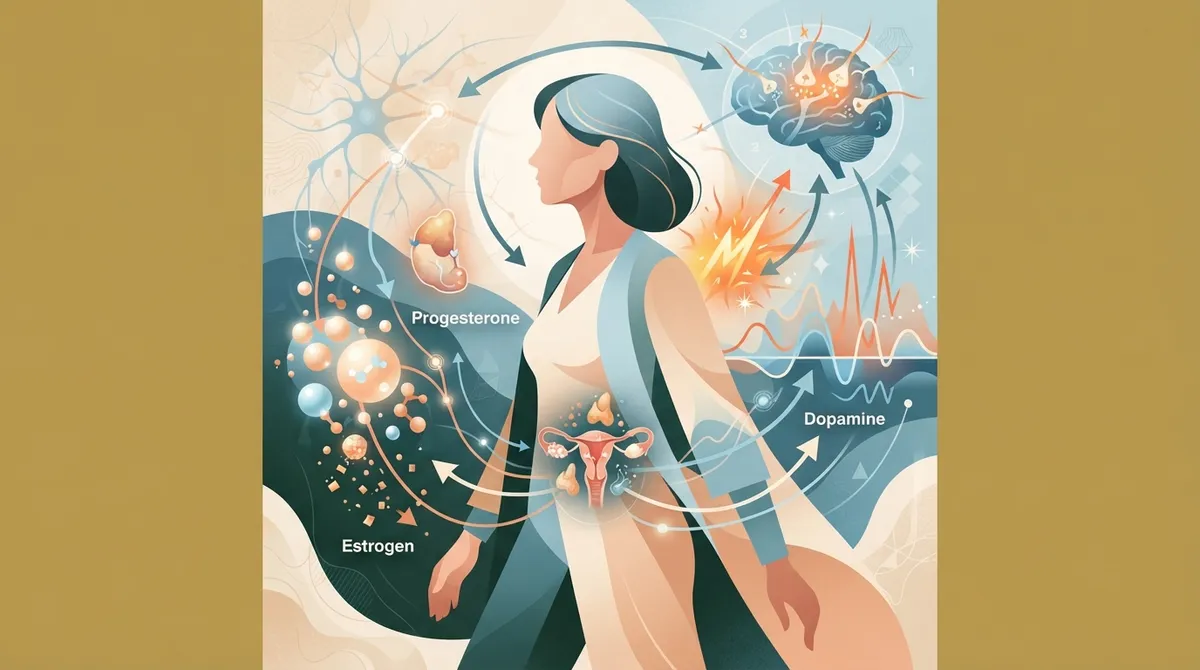
Mood swings during this life stage are not just “in your head.” They are driven by real, measurable shifts in hormone levels. As estrogen and progesterone decline, your brain chemistry changes too, since these hormones play a direct role in mood regulation.
According to a review published in the National Library of Medicine, fluctuating estrogen and progesterone levels are closely tied to irritability, anxiety, and low mood in menopausal women. This is why so many women notice emotional changes years before their periods even stop.
Common Triggers That Make Mood Swings Worse
- Poor sleep from night sweats or insomnia
- Chronic stress and high cortisol levels
- Blood sugar swings from skipped meals
- Underlying thyroid or nutrient imbalances
- Lack of physical activity or social support
How HRT for Mood Swings Actually Works
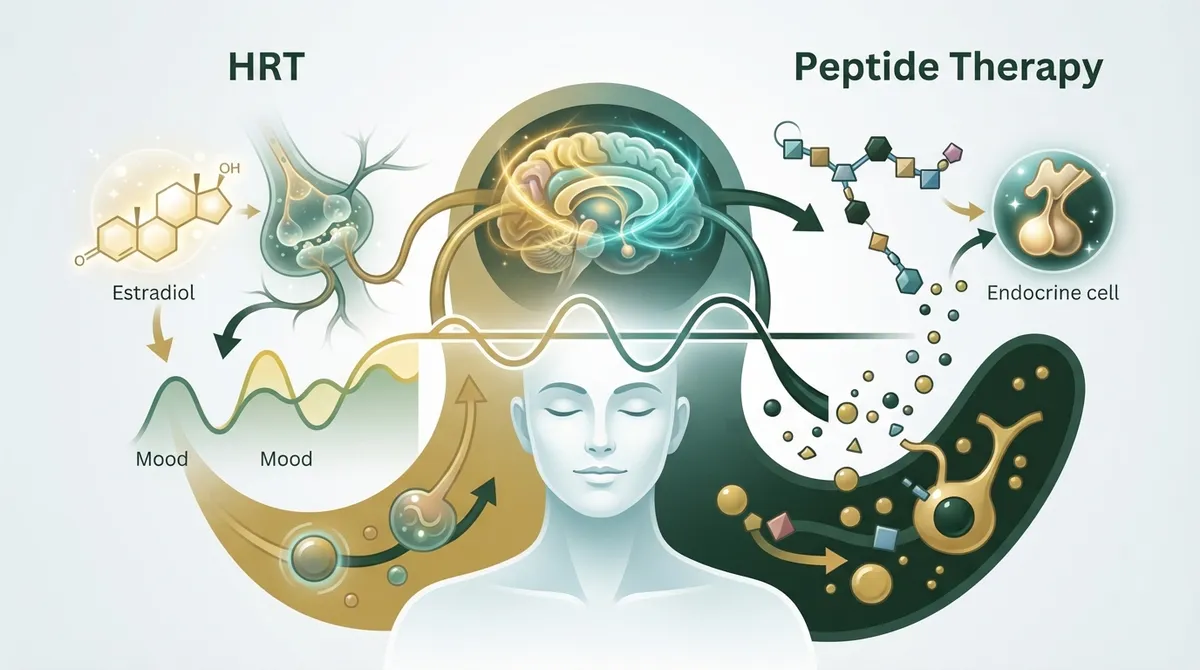
HRT works by replacing the estrogen and progesterone your body naturally produces less of during menopause. Since these hormones directly influence neurotransmitters like serotonin, restoring healthy levels can help calm mood swings, anxiety, and irritability.
The NHS lists mood swings as one of the core symptoms HRT is designed to treat, alongside hot flushes, night sweats, sleep problems, low mood, and vaginal dryness. This makes HRT one of the most well-established treatments for menopause-related emotional changes.
What the Research Says
A recent clinical review found that HRT can meaningfully reduce menopausal mood swings and sleep disturbances. The same review concluded that HRT works best when it is started at the right time, given to women at low risk of complications, and monitored periodically by a licensed provider.
Interestingly, not all forms of HRT behave the same way. One study tracking outcomes over four years found that oral and transdermal (patch or gel) estrogen did not produce identical effects on anxiety. This suggests that how you take your hormones may matter just as much as which hormones you take.
How Long Does HRT Take to Help With Mood Swings
Patience is part of the process, but relief usually does not take forever. Most people notice symptom improvement within about three months of starting HRT, though timing can vary based on dosage, formulation, and individual biology.
- Weeks 1 to 4: Hormone levels begin stabilizing, and some women notice small shifts in sleep quality.
- Weeks 4 to 8: Mood symptoms often start to feel less intense and less unpredictable.
- Around 3 months: Many women report noticeable improvement in mood swings, anxiety, and irritability.
- Ongoing monitoring: Providers reassess bloodwork and symptoms to fine-tune the dose over time.
HRT vs Peptide Therapy: What Is the Real Difference
This is one of the most common points of confusion, so let’s clear it up. HRT and peptide therapy are not interchangeable, even though both fall under the umbrella of hormone and wellness optimization.
HRT directly replaces sex hormones like estrogen and progesterone. Peptides, on the other hand, are short chains of amino acids that act as signaling molecules. They do not replace hormones directly. Instead, they may support the body’s own signaling pathways related to energy, recovery, sleep, and stress response. If you want a deeper dive into how these molecules work, this guide on How to Understand How Peptides Restore Cellular Function is a great starting point.
| Feature | HRT | Peptide Therapy |
|---|---|---|
| Primary Action | Replaces estrogen and progesterone | Supports signaling pathways in the body |
| Evidence for Mood Swings | Strong clinical support | Limited, mostly complementary |
| Delivery Methods | Pills, patches, gels, creams | Subcutaneous injections, typically at home |
| Time to Notice Effects | Around 3 months on average | Varies by peptide and goal |
| Best Used For | Menopause symptoms, mood, hot flushes | Energy, recovery, sleep support, metabolism |
Can Peptide Therapy Help With Menopause-Related Mood Swings
Some peptide-focused clinics market peptides as tools for emotional stability, energy, and stress resilience. While this sounds appealing, it is important to separate marketing claims from solid clinical evidence. Peptides are not currently established as a primary treatment for menopausal mood swings the way HRT is.
That said, peptides may play a supportive role for overall wellness. For example, some peptides are studied for their potential to support better sleep, which indirectly helps mood. Learn more about this connection in How to Pick Peptides for Energy That Actually Work.
Is It Safe to Combine Peptides With HRT
Many wellness seekers and biohackers wonder if they can combine both approaches. The honest answer is: it depends on your health history, and it should always be guided by a licensed provider.
Combining therapies without medical supervision is where people run into trouble. A personalized plan, built from real bloodwork rather than guesswork, is the safest way to explore this option. This is exactly the kind of individualized care described in How to Start Peptide Therapy Safely and See Real Results.
Steps to Safely Explore Combined Therapy
- Get comprehensive bloodwork through a certified lab
- Discuss your symptoms and goals with a licensed provider
- Start with the therapy that has the strongest evidence for your main concern
- Introduce additional support gradually, with monitoring
- Reassess every few months and adjust as needed
Choosing the Right HRT Type for Anxiety and Irritability
Not all HRT is created equal, and the right formulation can make a real difference in how you feel emotionally. Transdermal options, like patches or gels, may behave differently than oral pills when it comes to anxiety symptoms.
- Transdermal estrogen: Often preferred for women concerned about mood and anxiety
- Oral estrogen: Convenient, but may carry different mood-related outcomes
- Progesterone: Helps balance estrogen and may support calmer sleep
- Combined therapy: Often used for women who still have a uterus
Risks and Side Effects to Understand
No treatment is completely without risk, and HRT is no exception. Understanding the full picture helps you make an informed, confident decision.
| Consideration | What to Know |
|---|---|
| Blood Clot Risk | Slightly higher with oral estrogen versus transdermal forms |
| Breast Health | Requires ongoing monitoring, especially with combined HRT |
| Cardiovascular Factors | Timing of starting HRT relative to menopause onset matters |
| Individual Health History | Personal and family history should guide treatment choice |
The takeaway from current research is reassuring: HRT is considered effective and appropriate for women at low risk of complications, especially when started at the right time and reassessed periodically by a provider, according to findings summarized by the National Library of Medicine.
Building a Personalized Plan That Actually Works
Here is the part that matters most: your plan should be built around your body, not a generic template. This is especially true if you are managing mood swings alongside other goals like energy, weight management, or muscle recovery.
What a Thoughtful Treatment Plan Should Include
- Detailed bloodwork to check hormone levels and overall health markers
- A conversation about your specific symptoms, not just a checklist
- A treatment plan tailored to your goals, whether that is mood, sleep, or metabolism
- Convenient delivery, ideally to your home if you have a busy schedule
- Ongoing check-ins to adjust dosing as your body responds
This is where Allura Longevity stands out as a trusted option for women navigating this stage of life. Care is led by Ashley, a board-certified Family Nurse Practitioner, and every plan starts with a simple $50 virtual consultation and bloodwork through LabCorp. From there, you receive a customized six-month plan delivered directly to your home, with ongoing monitoring built in.
If you are curious how personalized peptide protocols are designed for women specifically, this resource on peptides for women breaks it down clearly. And for men navigating hormone-related mood and energy changes, peptides for men covers similar territory from a male health perspective.
Lifestyle Habits That Support Mood Stability
Treatment is powerful, but daily habits still matter. Small, consistent changes can amplify the benefits of any hormone or peptide protocol.
- Prioritize 7 to 8 hours of quality sleep each night
- Move your body daily, even if it is just a 20-minute walk
- Limit caffeine and alcohol, which can worsen mood swings
- Eat balanced meals to avoid blood sugar crashes
- Practice stress-reduction techniques like breathwork or journaling
Why Telehealth Makes This Easier Than Ever
For busy professionals and aging adults juggling packed calendars, in-person clinic visits are not always realistic. Telehealth removes that barrier completely.
You can complete bloodwork locally, talk to a licensed provider from your living room, and have your treatment delivered straight to your door. If you want to compare your options, this comparison of Local Clinic vs. Telehealth: Best Peptide Therapy Near You? is worth a read before you decide.
Allura Longevity operates nationwide through telehealth and is currently licensed in Florida, Georgia, Texas, Connecticut, Indiana, Maryland, New York, and California. Spots for new clients are limited each month, so if you are ready to feel steady again, now is a good time to explore your options.
Final Thoughts on Managing Mood Swings With Confidence
Mood swings during menopause are real, they are hormonal, and most importantly, they are treatable. HRT remains the most evidence-backed option for easing these symptoms, while peptide therapy can offer complementary support for energy, sleep, and overall vitality. The key is working with a licensed provider who looks at your whole health picture, not just one symptom in isolation.
You deserve a plan built around your body, your bloodwork, and your goals. If you are ready to stop guessing and start feeling like yourself again, you can request a consultation with Allura Longevity’s licensed team today, or call (813) 510-6277 to get started. Your calmer, more balanced days are closer than you think.
FAQs
Q: Does HRT really help with mood swings during menopause?
A: Yes, it does for many women. HRT works by replacing declining estrogen and progesterone, and both hormones play a big role in mood regulation. Research shows it can meaningfully ease mood swings, anxiety, and irritability when started at the right time and monitored by a provider.
Q: How long does it take for HRT to improve mood swings?
A: Most people notice improvement within about three months, though it can happen sooner or later depending on your body and the type of HRT used. Think of it as a gradual glow-up for your mood, not an overnight switch.
Q: Can peptide therapy replace HRT for mood swings?
A: Not really, and it is important to be honest about that. Peptides support signaling pathways related to energy, sleep, and recovery, but they are not established as a primary treatment for menopausal mood swings the way HRT is.
Q: Is it safe to combine peptide therapy with HRT?
A: It can be safe for some people, but it really depends on your health history and bloodwork. That is why working with a licensed provider who builds a personalized plan matters so much, rather than guessing on your own.
Q: Which type of HRT is best for anxiety and irritability?
A: Transdermal estrogen, like patches or gels, is often preferred for mood-related concerns, since research suggests it may behave differently than oral forms. Your provider can help you choose the option that fits your health profile best.





