
Key Takeaways
-
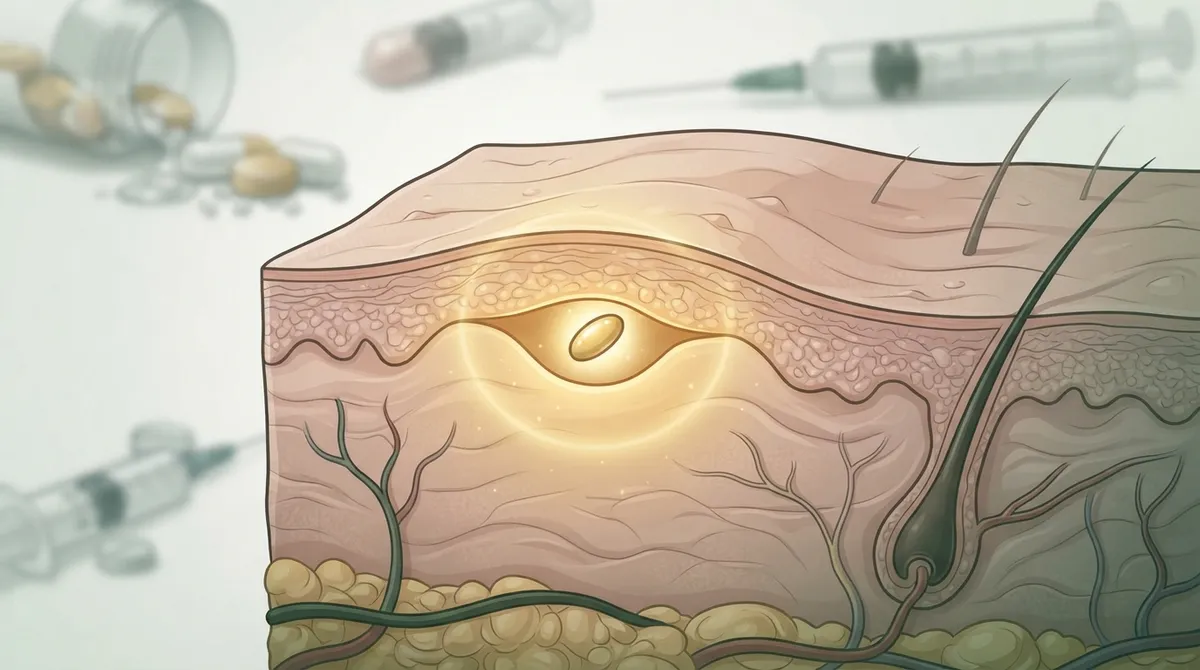
Testosterone pellets are rice-grain-sized implants placed under the skin that release testosterone steadily over 2-6 months, requiring only occasional in-office procedures unlike daily pills, creams, or injections.
-
Pellets have fixed dosing once implanted, making them inflexible if side effects occur or adjustments are needed—unlike adjustable telehealth peptide therapy that can be modified based on lab results.
-
FDA-approved Testopel pellets have extensive clinical data and decades of use, while compounded pellets show similar effectiveness but may face insurance coverage denials as investigational treatments.
-
Testosterone pellets deliver actual hormone directly, whereas peptide therapy uses amino acid chains to signal your body to produce its own hormones—making peptides a gentler alternative for those preferring natural pathways first.
-
Good candidates for pellet therapy have confirmed low testosterone via blood work and prefer low-maintenance treatment, but those wanting flexibility, at-home care, or gradual hormone optimization may benefit more from peptide therapy.
-
The hormone pellet therapy market is projected to nearly double from USD 385 million in 2024 to USD 745 million by 2033, reflecting growing mainstream adoption of hormone optimization across all ages.
If you’ve been researching ways to fix low testosterone, you’ve probably come across testosterone pellet therapy. Maybe a friend mentioned it. Maybe your doctor brought it up. Either way, you’re here because you want real answers, not confusing medical jargon. We get it, and we’re happy you found us.
Low testosterone can quietly drain your energy, mood, muscle strength, and even your confidence. It happens to both men and women, and it becomes more common as we age. Testosterone pellet therapy is one option people use to fight back. But it’s not the only option, and it’s not always the right fit for everyone. In this article, we’ll walk through exactly what pellet therapy is, how it compares to other approaches like peptide therapy, and how to figure out what makes sense for your body and your goals. By the end, you’ll feel confident about your next step, whether that’s pellets, injections, or a personalized peptide protocol.
What Is Testosterone Pellet Therapy?
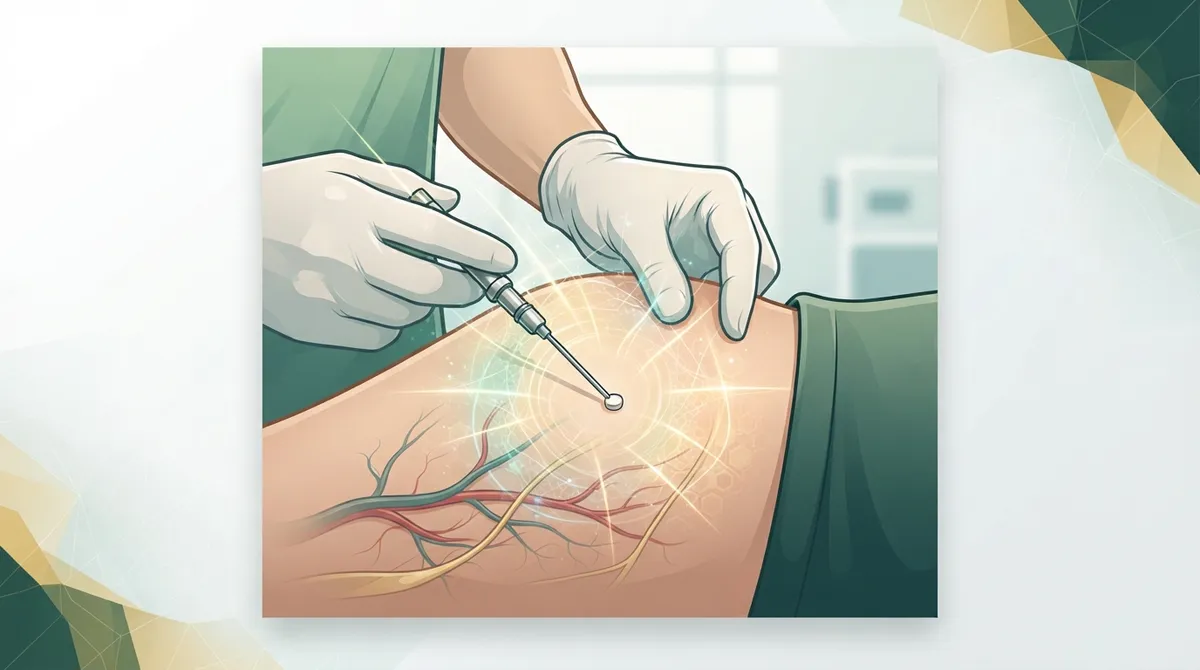
Testosterone pellet therapy is a type of hormone replacement treatment. Small pellets, about the size of a grain of rice, get placed under your skin. This is usually done in a quick office visit. Once inserted, the pellets slowly release testosterone into your bloodstream over time.
The most well-known FDA-approved version is called Testopel. Each Testopel pellet contains 75 mg of testosterone. Depending on your dose and how your body responds, the pellets typically last anywhere from 2 to 6 months before they need to be replaced.
This method has been used for decades to treat hypogonadism, which is the medical term for low testosterone. According to a review published by the National Library of Medicine, pellet therapy has a long track record as a reliable delivery method for testosterone replacement.
How the Procedure Works
Getting testosterone pellets is a simple, in-office process. Here’s what typically happens, step by step:
- Your provider numbs a small area of skin, usually near the hip.
- A tiny incision or needle insertion point is created.
- The pellets are inserted just under the skin using a special tool.
- The insertion site is closed with a small bandage or steri-strip.
- You go home the same day, often within minutes of the procedure.
There’s no daily routine to remember. That’s a big reason people like this method. But it does require an in-person visit, which is different from telehealth-based treatments that ship straight to your door.

Testosterone Pellets vs. Compounded Pellets: What’s the Difference?
Not all testosterone pellets are created equal, and this matters more than most people realize. Branded Testopel is FDA-approved. Compounded pellets are custom-made at compounding pharmacies and are not FDA-approved.
A recent retrospective study found that compounded E100 testosterone pellets were noninferior to Testopel. This means they produced similar testosterone levels and similar rates of side effects in men with testosterone deficiency. Still, some insurance companies consider compounded pellets investigational, which can affect coverage and cost.
| Feature | Testopel (FDA-Approved) | Compounded Pellets |
|---|---|---|
| FDA Approval | Yes | No |
| Dose per Pellet | 75 mg | Varies by pharmacy |
| Insurance Coverage | Often covered | May be denied as investigational |
| Duration | 2 to 6 months | Similar range, varies by patient |
| Clinical Data | Extensive | Growing, including noninferiority studies |
Is Testosterone Pellet Therapy the Same as Peptide Therapy?
This is one of the most common mix-ups we see, so let’s clear it up. Testosterone pellet therapy is not peptide therapy. Pellets deliver actual testosterone hormone directly into your body. Peptide therapy uses small chains of amino acids that signal your own body to produce more of its own hormones naturally.
Think of it this way: pellets are like handing your body a finished product. Peptides are more like giving your body better instructions so it can make that product itself. If you want to learn more about how these signaling molecules work, this guide on 8 Facts That Explain What Are Peptides in 2026 breaks it down in plain language.
Some people use peptides specifically to try to support their body’s natural testosterone production pathways, rather than replacing testosterone directly. This appeals to health optimizers and biohackers who prefer working with the body’s own systems first before jumping to direct hormone replacement.
Where Peptides Fit into the Bigger Picture
According to what are peptides, these molecules play many roles in the body, from supporting tissue repair to influencing hormone signals. For men and women exploring hormone optimization, peptides can be part of a broader, more personalized strategy alongside or instead of testosterone pellets.
If you’re curious whether peptides or direct testosterone therapy make more sense for you, this comparison on Testosterone vs. Peptides for Women: Which Wins? is a helpful place to start.
Benefits of Testosterone Pellet Therapy
People choose pellet therapy for several practical reasons. Let’s look at what draws so many patients to this option:
- No daily pills, creams, or gels to remember
- Steady, consistent hormone release without daily peaks and dips
- Fewer applications needed compared with weekly injections
- Long-lasting results, often between 2 and 6 months per treatment
- Backed by decades of clinical use and research
- Comparable serum testosterone levels to other delivery methods
For busy professionals who don’t want another task added to their morning routine, the low-maintenance nature of pellets is appealing. You get the treatment, then you can basically forget about it until it’s time for the next round.
Possible Downsides and Risks to Know
No treatment is perfect, and pellet therapy comes with some tradeoffs you should know about before deciding. Being informed helps you make the choice that’s truly right for you.
- Requires a minor in-office procedure, unlike at-home options
- Insertion site can experience soreness, bruising, or minor infection
- Dosing is harder to adjust once pellets are inserted
- Compounded pellets may not be covered by insurance
- Not reversible mid-cycle if side effects occur
Because the dose is fixed once it’s implanted, this can be frustrating for people who want more flexibility. That’s part of why many health optimizers and biohackers lean toward more adjustable protocols, including peptide-based approaches that can be fine-tuned based on lab results.
Who Is a Good Candidate for Testosterone Pellet Therapy?
Testosterone pellet therapy tends to work best for certain types of patients. Generally, good candidates include:
- Men diagnosed with clinically low testosterone confirmed by blood work
- Patients who struggle with remembering daily doses
- People comfortable with a minor in-office procedure every few months
- Those without contraindications like certain prostate conditions
- Patients seeking steady, long-acting hormone levels
On the other hand, if you want more flexibility, prefer at-home treatment, or want to explore your body’s natural hormone pathways first, other options might make more sense. This is where personalized peptide therapy plans, like the ones offered through peptides for men and peptides for women, can offer a gentler starting point.
The Growing Market for Hormone and Pellet Therapies
Interest in hormone optimization has exploded in recent years, and the numbers back this up. The global hormone pellet therapy market was valued at approximately USD 385 million in 2024. It’s projected to reach USD 745 million by 2033, growing at a rate of about 7.6% each year.
Some market reports suggest even faster growth for the broader pellet therapy space, with estimates around 14.27% annual growth between 2022 and 2032. This surge reflects growing awareness that hormone health matters at every age, not just for older adults.
| Market Metric | Value |
|---|---|
| Hormone Pellet Market (2024) | USD 385 million |
| Projected Market (2033) | USD 745 million |
| Annual Growth Rate (CAGR) | 7.6% |
| Broader Pellet Therapy CAGR (2022-2032) | 14.27% |
How Telehealth Peptide Therapy Compares to In-Office Pellets
One of the biggest differences between testosterone pellets and peptide therapy is how you receive care. Pellets require an in-person procedure at a clinic. Peptide therapy through telehealth providers can be managed almost entirely from home.
Here’s how the two approaches generally compare for busy people balancing work, family, and everything in between:
| Factor | Testosterone Pellets | Telehealth Peptide Therapy |
|---|---|---|
| Location | In-office procedure required | At-home, delivered to your door |
| Adjustability | Fixed once implanted | Can be adjusted based on labs |
| Frequency | Every 2 to 6 months | Ongoing, personalized schedule |
| Approach | Direct hormone replacement | Signals the body’s own systems |
| Monitoring | Periodic in-office visits | Ongoing virtual check-ins |
If your schedule barely has room for one more appointment, telehealth-based peptide care might feel like a relief. Companies like Allura Longevity have built their entire model around this convenience, starting with a simple $50 virtual consultation and blood work through LabCorp.
How to Decide What’s Right for You
Choosing between testosterone pellets, injections, or peptide therapy comes down to your goals, lifestyle, and lab results. Here’s a simple process to help you think it through:
- Get blood work done to check your actual hormone levels
- Talk with a licensed provider about your symptoms and goals
- Consider how much flexibility you want in your treatment
- Think about whether an in-office visit or at-home care fits your life
- Review your options, including peptide-based support, before committing
If you want to explore how peptide therapy might fit into your hormone journey, this article on How to Start Peptide Therapy Safely and See Real Results walks through the process step by step. You might also enjoy learning about How to Start Testosterone Cypionate Therapy Safely if injections are on your radar too.
Why Personalized Care Matters So Much
Hormone health isn’t one-size-fits-all. Your ideal treatment depends on your bloodwork, your symptoms, your lifestyle, and your long-term goals. This is exactly why cookie-cutter approaches often fall short.
At Allura Longevity, every treatment plan starts with real lab data, not guesswork. Licensed providers, led by board-certified Family Nurse Practitioner Ashley, review your results and build a six-month plan tailored just for you. Everything gets shipped straight to your home, so you can start feeling better without rearranging your whole week.
Whether you’re interested in testosterone support, weight loss peptides, better sleep, or faster recovery, a personalized plan makes all the difference. You can learn more about building the right protocol in this guide on How to Choose the Right Type of Peptide Therapy.
Bringing It All Together
Testosterone pellet therapy has helped many people manage low testosterone with a low-maintenance, long-acting approach. It’s backed by decades of research and remains a trusted option for many patients. But it’s not the only path toward feeling like yourself again.
Peptide therapy offers a different kind of support, one that works with your body’s own signals and can be adjusted as your needs change. For busy professionals, wellness seekers, and anyone craving a more personalized, convenient path to feeling their best, telehealth peptide care might be the better fit.
Ready to find out what your body actually needs? Request a consultation with Allura Longevity today. Spots are limited each month, and our licensed providers are ready to build a plan made just for you. You can also call us directly at (813) 510-6277 to get started.
FAQs
Q: What is testosterone pellet therapy?
A: It’s a hormone treatment where tiny pellets get placed under your skin to slowly release testosterone over time. Think of it as a low-maintenance way to keep your levels steady without daily doses. Most people get the pellets replaced every few months, depending on how their body responds.
Q: How long do testosterone pellets last?
A: Pellets typically last anywhere from 2 to 6 months, though 3 months is common in many clinical settings. Your exact timeline depends on your dose and how quickly your body absorbs the testosterone. Your provider will help you figure out the right replacement schedule for you.
Q: Is testosterone pellet therapy the same as peptide therapy?
A: Nope, they’re actually quite different! Pellets deliver real testosterone directly into your bloodstream, while peptides send signals that encourage your body to produce its own hormones. Both can support hormone health, but they work in very different ways.
Q: What’s the difference between Testopel and compounded testosterone pellets?
A: Testopel is FDA-approved and has extensive clinical backing, while compounded pellets are custom-made at specialty pharmacies without FDA approval. Studies show they can perform similarly, but insurance coverage often differs between the two. It’s worth asking your provider which option fits your situation and budget best.
Q: Who is a good candidate for testosterone pellet therapy?
A: Great candidates usually have confirmed low testosterone through blood work and prefer a low-maintenance treatment schedule. If you’re comfortable with a quick in-office procedure every few months, pellets might be a nice fit. That said, if you want more flexibility or prefer at-home care, personalized peptide therapy could be worth exploring too.





