

Key Takeaways
-
Bioidentical hormone therapy directly replaces testosterone with a molecularly identical version, while peptide therapy signals your body to produce its own hormones—they work through different mechanisms and can be combined for optimal results.
-
Lab work confirming clinically low testosterone and symptoms affecting quality of life is essential before starting BHRT; the FDA states bioidentical hormones aren't inherently safer than traditional options, so proper testing, dosing, and medical monitoring matter most.
-
BHRT typically shows results in 2-4 weeks at $200-$500 monthly, while peptides take 4-12 weeks but cost $150-$500+ monthly; testosterone replacement can reduce natural sperm production, so discuss fertility concerns with your provider.
-
Common signs you may benefit from BHRT include persistent low energy, reduced libido, mood swings, muscle loss despite workouts, increased belly fat, and brain fog that don't improve with sleep or lifestyle changes.
-
Telehealth makes hormone therapy more accessible by eliminating travel barriers—virtual consultations, local lab work, and home delivery allow busy professionals to complete the entire process without visiting a physical clinic.
-
Hormone therapy produces better results when combined with sleep optimization, proper nutrition, stress management, and exercise; choosing a licensed provider who conducts comprehensive testing and offers ongoing monitoring ensures personalized, safe treatment.
If you’ve been feeling tired, unmotivated, or just not like yourself lately, you’re not alone. So many men reach midlife and start wondering why their energy has dropped or why the gym isn’t giving the same results anymore. Bioidentical hormone therapy for men is one of the most talked-about solutions right now, and for good reason. It’s a science-backed way to help restore what your body may be missing, especially when combined with modern peptide protocols. Let’s break down exactly what this therapy is, how it works, and how it fits alongside peptide therapy so you can make a confident, informed choice.
At Allura Longevity, we see men every week who are ready to feel like themselves again. Whether you’re a busy professional running on fumes or a biohacker who tracks every number on your labs, this guide will help you understand your options. We’ll also show you where bioidentical hormones and peptides overlap, and where they’re completely different tools.

What Is Bioidentical Hormone Therapy for Men?
Bioidentical hormone therapy, often called BHRT, replaces hormones your body isn’t producing enough of anymore. For men, this almost always means testosterone. The word “bioidentical” simply means the hormone has the exact same molecular structure as the testosterone your body naturally makes.
This matters because your body can’t tell the difference between bioidentical testosterone and what it produces on its own. Many clinics describe these hormones as plant-derived or compounded, but the real story is about molecular structure, not where the ingredients came from. Men usually turn to BHRT when blood work confirms low testosterone, also called hypogonadism, along with symptoms that are affecting daily life.
Common Signs That Bring Men to BHRT
- Low energy that doesn’t improve with sleep or coffee
- Reduced sex drive or performance changes
- Mood swings, irritability, or unexplained sadness
- Loss of muscle mass despite regular workouts
- Increased body fat, especially around the midsection
- Brain fog or trouble focusing at work
If several of these sound familiar, it might be time to check your levels. Many men wait years before finally getting labs done, only to wish they’d started sooner.
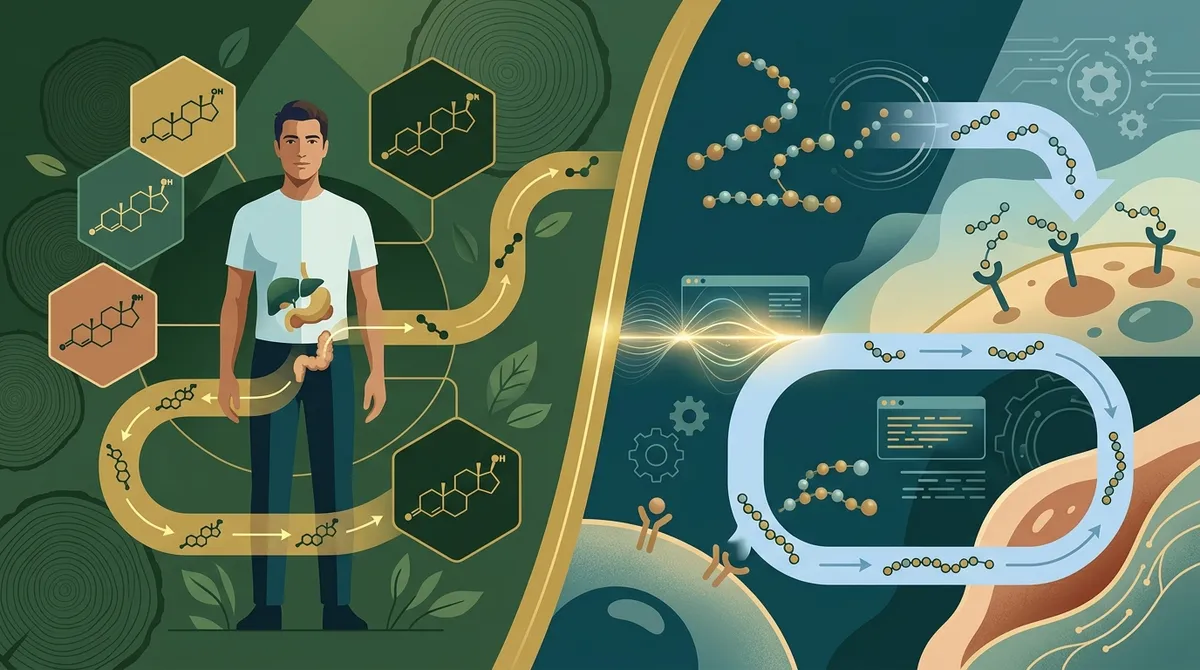
How Bioidentical Hormone Therapy Differs From Peptide Therapy
This is where things get interesting, and honestly, where a lot of confusion happens. BHRT replaces a hormone directly. Peptide therapy works differently. Peptides are short chains of amino acids that send signals to your body, encouraging it to produce more of its own hormones or improve specific functions like recovery, metabolism, or sleep.
Think of it this way: BHRT hands your body the finished product. Peptides act more like a coach, nudging your body’s own systems to work harder and smarter. If you want to dive deeper into what these tiny molecules actually do, this guide on 8 facts that explain what are peptides in 2026 is a great place to start.
| Feature | Bioidentical Hormone Therapy | Peptide Therapy |
|---|---|---|
| How It Works | Directly replaces hormones like testosterone | Signals the body to produce or regulate hormones |
| Common Use in Men | Low testosterone, hypogonadism symptoms | Growth hormone support, recovery, metabolism, libido |
| Time to Notice Results | About 2 to 4 weeks | About 4 to 12 weeks |
| Typical Monthly Cost | $200 to $500 | $150 to $500, some over $1,000 |
| FDA Approval Status | Varies by formulation | Many are not specifically FDA-approved |
Can Peptides Increase Testosterone in Men?
This is one of the most common questions we hear. The honest answer is that most peptides don’t raise testosterone directly. Instead, some peptides, like gonadorelin, work on the pathway that tells your body to produce its own testosterone. This is different from simply adding testosterone from outside the body.
Other peptides commonly discussed alongside men’s hormone health include sermorelin, CJC-1295, and ipamorelin. These are generally positioned as supportive therapies for things like body composition, sleep quality, and recovery, not as testosterone replacements themselves. If you’re curious how ipamorelin fits into a broader wellness plan, this breakdown of ipamorelin peptide therapy benefits, dosing, and safety covers the essentials.
Peptides Often Paired With Men’s Hormone Protocols
- Sermorelin, which supports natural growth hormone release
- Gonadorelin, which supports the body’s own gonadotropin signaling
- CJC-1295, often used for recovery and body composition support
- Ipamorelin, commonly paired for sleep and lean muscle goals
- BPC-157, frequently used for injury recovery and tissue repair
Combining these approaches thoughtfully is part of what makes personalized care so valuable. A good provider looks at your full picture, not just one number on a lab report.
Is Bioidentical Testosterone Safer Than Regular Testosterone?
Here’s something important to understand. The term “bioidentical” gets used a lot in marketing, but it doesn’t automatically mean safer. The what are peptides conversation often gets lumped in with hormone safety claims, so it’s worth separating fact from hype.
The FDA has actually stated there isn’t enough evidence to say bioidentical hormones are inherently safer than traditional hormone therapy. That doesn’t mean BHRT is unsafe. It simply means the word “bioidentical” shouldn’t be the only factor in your decision. What matters most is proper testing, correct dosing, and ongoing supervision from a licensed provider.
Who Is a Good Candidate for BHRT?
Not every man with low energy needs hormone therapy right away. That’s why lab work always comes first. A good candidate usually has:
- Blood work confirming clinically low testosterone
- Symptoms that are affecting quality of life, not just occasional tiredness
- No untreated conditions that would make hormone therapy risky
- Realistic expectations about timeline and results
- A willingness to commit to follow-up labs and monitoring
Aging adults and busy professionals often make great candidates because the impact on daily life is so noticeable. Athletes and biohackers may also explore BHRT alongside peptides to fine-tune performance and recovery, always under medical guidance.
What Labs Are Needed Before Starting Treatment?
Before starting any hormone or peptide program, your provider needs a clear picture of what’s happening inside your body. This isn’t a guessing game, it’s a data-driven process.
- Total and free testosterone levels
- Estradiol levels, since testosterone can convert to estrogen
- Complete blood count to check for safety markers
- Prostate-specific antigen, especially for men over 40
- Thyroid panel, since thyroid issues can mimic low testosterone symptoms
- Metabolic panel to assess liver and kidney function
At Allura Longevity, treatment always starts with a simple $50 virtual consultation, followed by blood work through LabCorp. From there, our team builds a customized six-month plan tailored to your actual numbers, not a one-size-fits-all template. If you’re ready to get real answers about your hormone levels, you can request a consultation and get started this month.
Does BHRT Affect Fertility in Men?
This is a fair and important question, especially for younger men or those planning to grow their families. Testosterone replacement can sometimes reduce natural sperm production because it signals the brain to slow down its own hormone production.
This is actually one reason some providers pair BHRT with peptides like gonadorelin, which help keep the body’s natural signaling pathways active. If fertility is a concern for you, it’s essential to bring this up during your consultation so your plan can be adjusted accordingly.
Cost Considerations for Men’s Hormone Therapy
Budgeting matters, and it’s smart to know what you’re getting into before you start. Costs can vary depending on the delivery method, dosage, and whether peptides are included in your plan.
| Treatment Type | Typical Cost Range | Frequency |
|---|---|---|
| Standard BHRT (injections or gels) | $200 to $500 per month | Weekly or daily application |
| Pellet Therapy | Around $2,900+ per year | Every 5 to 6 months |
| Peptide Add-On Protocols | $150 to $500 per month, some higher | Varies by peptide |
Many men are surprised by how manageable these costs can be once broken down monthly. Still, it’s worth reading about 6 hormone therapy cost mistakes that drain your wallet before committing to any provider.
How Telehealth Makes This Easier
One of the biggest barriers to starting hormone therapy used to be time. Driving to appointments, waiting rooms, and juggling schedules kept a lot of men from ever getting started. Telehealth has changed that completely.
With a platform like Allura Longevity, you can complete your consultation from your couch, get your labs done locally, and have your treatment plan shipped straight to your door. This is especially valuable for busy professionals and men who simply don’t have hours to spare each week. Curious how this compares to visiting a physical clinic? This comparison of local clinic vs. telehealth for peptide therapy lays out the pros and cons clearly.
Steps to Start Bioidentical Hormone Therapy Through Telehealth
- Book a virtual consultation with a licensed provider
- Complete blood work at a local LabCorp location
- Review your results with your provider one-on-one
- Receive a personalized six-month treatment plan
- Get your medication delivered directly to your home
- Follow up regularly for dosing adjustments and monitoring
This process takes the guesswork out of hormone health. You’re not self-diagnosing based on symptoms alone. You’re working with real data and a licensed professional every step of the way.
Combining BHRT With a Bigger Wellness Strategy
Hormone therapy works best when it’s part of a bigger picture. Sleep, nutrition, stress management, and exercise all play a role in how your body responds to treatment. Many men also explore peptides for energy, recovery, or metabolism alongside their hormone plan.
If weight management is part of your goals, it’s worth learning about which weight loss peptides actually work in 2026. And if you’re dealing with nagging injuries that won’t heal, peptides like BPC-157 are worth researching too, as covered in this guide on 13 facts about TB-500 peptide you need in 2026.
According to research published by the National Library of Medicine, hormone optimization combined with lifestyle support tends to produce more consistent, lasting results than hormone therapy alone. This reinforces why a personalized, whole-body approach matters so much.
Choosing the Right Provider Matters
Not all hormone clinics are created equal. You want a provider who takes the time to review your full history, not just hand you a prescription after a quick chat. Look for these qualities:
- Licensed medical providers who specialize in hormone and peptide therapy
- Comprehensive lab testing before any treatment begins
- Ongoing monitoring and dose adjustments over time
- Clear pricing with no hidden fees
- Convenient telehealth access if you have a busy schedule
At Allura Longevity, our plans are built around your actual lab results and health goals, led by Ashley, a board-certified Family Nurse Practitioner. We currently serve clients in Florida, Georgia, Texas, Connecticut, Indiana, Maryland, New York, and California, and spots fill up fast each month.
Bringing It All Together
Bioidentical hormone therapy for men can be a genuine game-changer when it’s done right. The key is starting with real lab data, working with a licensed provider, and staying open to combining it with peptide support if that fits your goals. Whether you’re chasing better sleep, more energy, or simply feeling like yourself again, this journey starts with one honest conversation about your health.
If you’re ready to stop guessing and start feeling better, our team is here to help you build a plan around your actual needs. Request a consultation today and take the first step toward the energy, strength, and confidence you deserve.
FAQs
Q: What is bioidentical hormone therapy for men?
A: It’s a treatment that replaces hormones, most often testosterone, with a version that matches your body’s own hormone structure exactly. It’s typically used when blood work confirms low testosterone and symptoms like fatigue or low mood are affecting your daily life.
Q: How is BHRT different from peptide therapy?
A: BHRT directly replaces a hormone your body isn’t making enough of, while peptide therapy sends signals to encourage your body to produce or regulate hormones on its own. They work through different mechanisms, though some men use both together for a more complete approach.
Q: Can peptides increase testosterone in men?
A: Most peptides don’t raise testosterone directly, but some, like gonadorelin, support the natural pathway your body uses to produce it. Other peptides focus more on recovery, sleep, and body composition rather than testosterone itself.
Q: Is bioidentical testosterone safer than regular testosterone?
A: Not necessarily. The FDA has noted there isn’t enough evidence to say bioidentical hormones are inherently safer than traditional options. What really matters is proper testing, correct dosing, and consistent medical monitoring.
Q: What labs are needed before starting bioidentical hormone therapy?
A: You’ll typically need total and free testosterone levels, estradiol, a complete blood count, PSA, thyroid panel, and a metabolic panel. This gives your provider a full picture so your treatment plan is truly personalized to you.





