

Key Takeaways
-
Peptides work as precise cellular messengers that bind to specific receptors and trigger signaling cascades, making them more targeted than broad-acting drugs with fewer off-target effects.
-
Results typically take 3-6 months for full benefits depending on your goal; expecting overnight changes is the biggest reason people quit early and miss real progress.
-
Blood work before starting is essential—your hormone levels and metabolic markers should guide which peptides you use and at what dose to ensure personalized effectiveness.
-
Different peptides target completely different pathways (GLP-1 for appetite, growth hormone secretagogues for recovery, BPC-157 for tissue repair), so using the wrong one wastes time and money.
-
Consistent dosing schedules with medical supervision are critical; skipping doses, using unverified sources, or ignoring lifestyle factors quietly sabotages results more than dramatic peptide choice.
-
Subcutaneous injection remains the gold standard for reliable absorption, while oral, topical, and intranasal methods vary significantly in effectiveness based on peptide type.
So you keep hearing about peptide therapy, but nobody explains how does peptide therapy work in a way that actually makes sense. You’re not alone. Most people jump into peptides expecting magic in a syringe, then get confused or disappointed when results feel slow or unclear. The truth is, peptide therapy works through simple biology, but small mistakes can quietly block your progress.
Whether you’re a busy professional squeezing in telehealth visits between meetings, a biohacker who tracks every lab marker, or someone simply trying to feel like yourself again, understanding the real science matters. This guide breaks down exactly how does peptide therapy work, then walks through the 12 most common mistakes that stop people from getting real results. By the end, you’ll know what to avoid and how to actually make peptide therapy work for your body.
What Peptide Therapy Actually Is
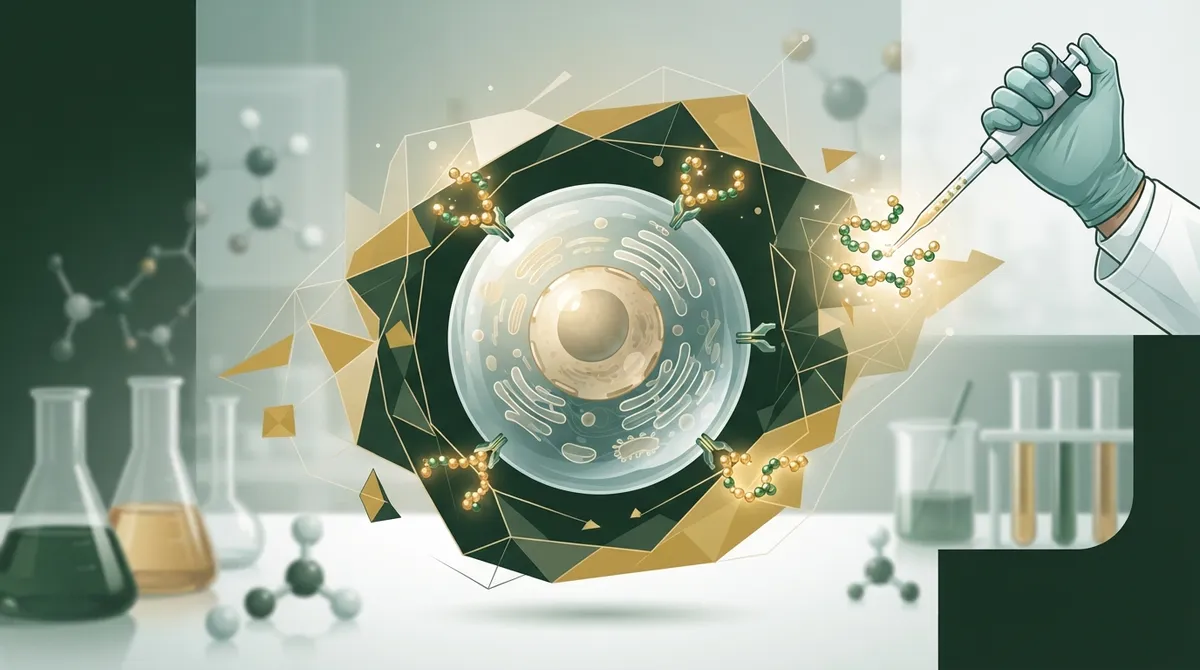
Peptides are short chains of amino acids, usually somewhere between 2 and 50 of them linked together. Think of them as tiny messengers that travel through your body carrying specific instructions. According to what are peptides, these molecules act like keys designed to fit particular locks, called receptors, on the surface of your cells.
When a peptide finds its matching receptor, it locks in and sends a signal inside the cell. That signal can trigger all sorts of responses, like releasing growth hormone, reducing inflammation, or helping repair damaged tissue. This is the core answer to how does peptide therapy work: precise signaling, not blunt force.
Mistake 1: Thinking All Peptides Work the Same Way
One of the biggest misunderstandings is assuming every peptide does the same job. In reality, different peptides target completely different pathways in your body.
- GLP-1 peptides act on appetite and blood sugar control
- Growth hormone secretagogues stimulate your pituitary gland
- BPC-157 supports tissue and gut repair
- Melanocortin peptides influence skin pigmentation and libido
- Immune-modulating peptides help balance inflammatory responses
Each one binds to a different receptor and triggers a different chain reaction. If you want to learn more about the building blocks behind these treatments, check out 8 Facts That Explain What Are Peptides in 2026.

The Science Behind Peptide Signaling
Here’s where it gets interesting, but we’ll keep it simple. Once a peptide attaches to its receptor, it activates something called a signaling cascade inside the cell. This often involves pathways like G-protein, cAMP, or calcium signaling, which sounds technical but basically means the message gets passed along like a relay race.
A 2022 review published through the National Library of Medicine found that therapeutic peptides show high affinity and specificity for their targets. That means they’re generally more precise than broad-acting drugs, with fewer off-target effects. This precision is exactly why so many health optimizers and biohackers are drawn to peptide protocols instead of one-size-fits-all treatments.
Mistake 2: Ignoring the Route of Administration
Not all peptides are delivered the same way, and this matters more than people realize. The delivery method affects how well your body absorbs and uses the peptide.
- Subcutaneous injection, the most common method for GLP-1s and growth hormone peptides
- Oral capsules, used for select stable peptides
- Topical creams, often used for skin and localized repair
- Intranasal sprays, used for certain neuro-focused peptides
Subcutaneous injection remains the gold standard for many therapeutic peptides because it allows for more reliable absorption. Skipping proper technique or using the wrong method can significantly reduce effectiveness.
How Peptide Therapy Supports Different Health Goals
Peptide therapy isn’t a single treatment. It’s a toolbox of options tailored to specific goals. Here’s a quick breakdown of common categories and what they support.
| Peptide Category | Primary Target | Common Use |
|---|---|---|
| GLP-1 Agonists | Appetite and glucose regulation | Weight management, metabolic health |
| Growth Hormone Secretagogues | Pituitary gland stimulation | Muscle recovery, sleep, anti-aging |
| Tissue Repair Peptides | Cellular repair pathways | Injury recovery, gut healing |
| Immune Peptides | Cytokine signaling | Immune balance, inflammation support |
If weight loss is your main goal, it helps to understand which options actually have evidence behind them. Our guide on 13 Peptides for Fat Loss That Really Work in 2026 breaks this down clearly.
Mistake 3: Expecting Overnight Results
Peptide therapy is not an instant fix. Growth hormone secretagogues, for example, are typically evaluated over 3 to 6 months in clinical practice. Your body needs time to respond to consistent signaling before you notice real changes in energy, sleep, or body composition.
Patience matters here. If you stop too early because you don’t see dramatic results in week two, you’re cutting off the process before it can really work.
Mistake 4: Skipping Blood Work Before Starting
This one is huge, and it’s honestly where most at-home peptide attempts go wrong. Your hormone levels, metabolic markers, and overall health status should guide which peptides you use and at what dose.
At Allura Longevity, every client starts with a simple virtual consultation, then completes blood work through LabCorp before any treatment plan is created. This isn’t extra paperwork, it’s the foundation that makes personalized peptide therapy actually effective.
Common Mistakes That Undermine Peptide Therapy Results
Beyond the basics we’ve already covered, there are several other slip-ups that quietly sabotage progress. Let’s walk through them one by one.
Mistake 5: Using Unregulated or Unverified Sources
Buying peptides from unverified online sellers is risky. Quality, purity, and dosing accuracy can vary wildly, and there’s no medical oversight to catch problems early.
Mistake 6: Inconsistent Dosing Schedules
Peptides rely on steady signaling to work properly. Skipping doses or changing timing randomly disrupts the biological rhythm your treatment plan is designed around.
Mistake 7: Not Adjusting the Protocol Over Time
Your body changes, and your treatment should too. Ongoing monitoring allows licensed providers to tweak dosages based on how you’re responding, something that’s a core part of care led by providers like Ashley, a board-certified Family Nurse Practitioner overseeing Allura Longevity’s clients.
Mistake 8: Ignoring Lifestyle Factors
Peptides work best alongside good sleep, balanced nutrition, and regular movement. Treating peptide therapy as a replacement for healthy habits, rather than a complement to them, limits your results.
Mistake 9: Combining Peptides Without Guidance
Stacking multiple peptides might sound appealing, but doing it without professional input can cause unpredictable interactions. If you’re curious about this approach, read Single Peptides vs. Peptide Stacks: Which Wins? before experimenting on your own.
Mistake 10: Overlooking Side Effect Management
Some peptides, especially GLP-1 medications, can cause mild digestive side effects when starting out. Understanding what to expect helps you manage symptoms instead of quitting prematurely. Our article on What Causes GLP-1 Side Effects and How to Manage Them covers this in detail.
Mistake 11: Choosing Convenience Over Medical Supervision
It’s tempting to go the cheapest, fastest route, but peptide therapy without licensed oversight can be unsafe. Comparing your options matters, and our comparison of Local Clinic vs. Telehealth: Best Peptide Therapy Near You can help you decide what fits your lifestyle.
Mistake 12: Not Starting With a Clear, Personalized Plan
Generic protocols rarely deliver the results people hope for. Peptide therapy works best when it’s built around your specific blood work, goals, and health history, not a one-size-fits-all template pulled from the internet.
Steps to Start Peptide Therapy the Right Way
If you’re ready to avoid these mistakes and get started properly, here’s a simple roadmap that reflects how legitimate, medically supervised care actually works.
- Schedule a virtual consultation with a licensed provider
- Complete comprehensive blood work through a trusted lab like LabCorp
- Review your results with your provider to identify target areas
- Receive a personalized six-month treatment plan
- Get your peptides delivered directly to your home
- Follow proper administration technique consistently
- Attend follow-up check-ins for monitoring and adjustments
This structured approach is exactly why so many people trust How to Start Peptide Therapy Safely and See Real Results as their go-to resource for getting it right the first time.
Comparing Peptide Therapy Goals and Realistic Timelines
Understanding what to expect timeline-wise can help you stay motivated and avoid giving up too soon.
| Goal | Typical Peptide Type | Realistic Timeline |
|---|---|---|
| Weight Management | GLP-1 Agonists | 4-12 weeks for noticeable change |
| Muscle Recovery | Growth Hormone Secretagogues | 3-6 months for full benefit |
| Injury Healing | BPC-157 | 4-8 weeks depending on injury |
| Skin and Hair Support | Collagen and signaling peptides | 2-4 months for visible change |
Curious about muscle-focused options specifically? Take a look at 14 Peptides for Muscle Gain Worth Knowing (2026) for a deeper breakdown.
Why Personalized, Supervised Care Makes the Difference
The global peptide therapeutics market was valued around $140.9 billion in 2025, with projections reaching $294.6 billion by 2033. That growth reflects real demand, but it also means more unregulated products flooding the market. This makes choosing a licensed, medically supervised provider more important than ever.
Allura Longevity stands out by combining personalized blood work analysis with ongoing provider monitoring, all delivered through convenient telehealth visits. Clients across Florida, Georgia, Texas, Connecticut, Indiana, Maryland, New York, and California can access customized treatment plans without ever stepping into a waiting room. For those exploring hormone-related support alongside peptides, our piece on 13 Ways to Find Hormone Therapy Near Me in 2026 offers helpful context.
What Makes This Approach Different
- A simple $50 virtual consultation to get started
- Comprehensive blood work through LabCorp
- Six-month personalized treatment plans
- Peptides shipped directly to your door
- Ongoing monitoring led by licensed providers
- Nationwide telehealth access in licensed states
This kind of structure directly answers how does peptide therapy work in the real world, not just in theory. It’s about combining solid science with individualized, ongoing care.
Final Thoughts on Making Peptide Therapy Work for You
Understanding how does peptide therapy work is the first step toward avoiding costly, frustrating mistakes. Peptides are powerful signaling tools, but they only work as well as the plan behind them. Proper blood work, personalized dosing, consistent routines, and professional monitoring all play a role in whether you see real, lasting results.
Spots for new clients open up monthly, and they tend to fill quickly given the personalized nature of care. If you’re ready to skip the guesswork and start a plan built specifically around your body and goals, now is a great time to act. You can request a consultation today and take the first step toward feeling like your best self again. You can also call (813) 510-6277 to speak with our team directly.
FAQs
Q: How does peptide therapy work in the body?
A: Peptide therapy works by sending short amino acid chains to bind with specific receptors on your cells. Once attached, they trigger signaling pathways that can boost growth hormone release, support tissue repair, or regulate appetite. It’s like sending a very specific text message that only certain cells know how to read.
Q: How long does it take for peptide therapy to work?
A: Most people notice gradual changes within 4 to 12 weeks, though some goals like muscle recovery can take 3 to 6 months for full benefits. Everyone’s body responds a little differently, so patience and consistency really pay off here.
Q: Are peptide therapies safe when done correctly?
A: Yes, when peptide therapy is medically supervised with proper blood work and dosing, it’s generally considered safe for most healthy adults. That said, safety really depends on using a licensed provider who monitors your progress and adjusts your plan as needed.
Q: What is the difference between peptides and hormones?
A: Peptides are the messengers, while hormones are often the larger, more complex molecules they help regulate. Think of peptides as the specific instructions that tell your body when to produce or release certain hormones.
Q: Can I do peptide therapy from home?
A: Absolutely, that’s actually one of the biggest perks of modern telehealth care. With Allura Longevity, you can complete blood work locally, meet with a licensed provider virtually, and have your peptides delivered right to your door.





