
Key Takeaways
-
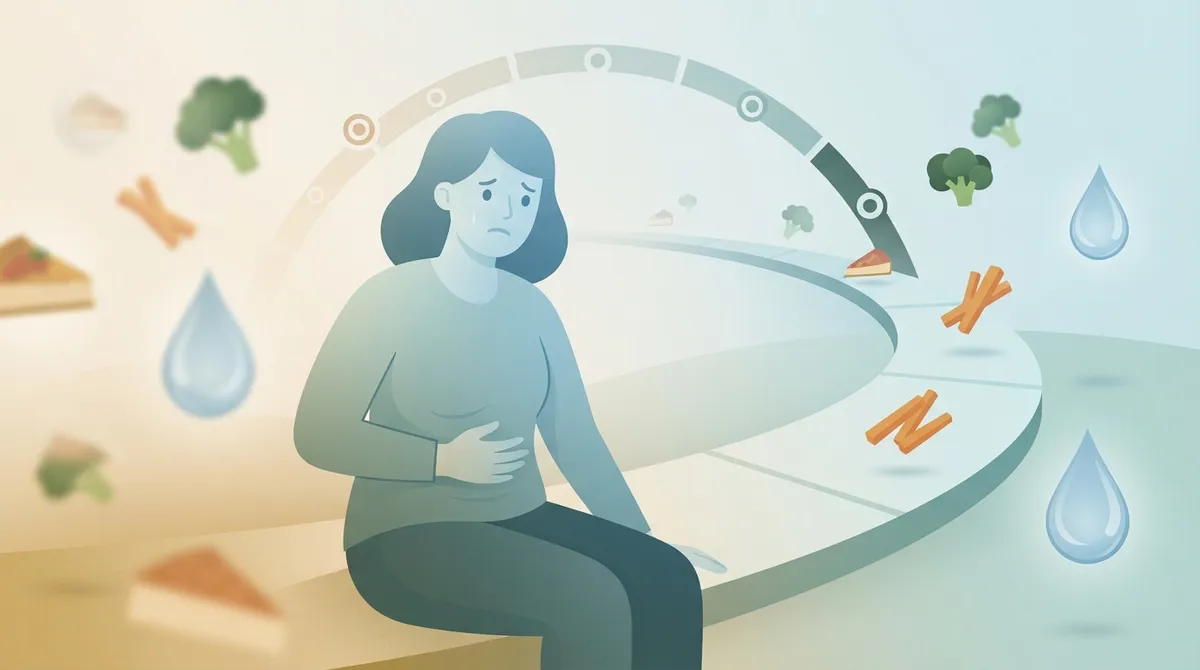
Nausea is the most common GLP-1 side effect, affecting 20-44% of users, but typically resolves within 2-4 weeks as your body adjusts to the medication's effects on stomach emptying.
-
Gastrointestinal side effects peak during initial treatment and after dose increases; gradual dose titration is critical because rushing the dosing schedule significantly worsens symptoms.
-
Practical strategies like eating smaller meals, avoiding greasy foods, staying hydrated, and eating slowly can substantially reduce nausea and digestive discomfort without stopping treatment.
-
Rare serious risks including gallbladder disease, pancreatitis, and bowel obstruction exist; inform your surgical team about GLP-1 use before anesthesia due to aspiration risks from delayed stomach emptying.
-
Certain groups require extra caution: those with medullary thyroid carcinoma history, prior pancreatitis, severe gastroparesis, or active gallbladder disease should avoid GLP-1 therapy or require closer monitoring.
-
Medical supervision with bloodwork and personalized dosing adjustments based on your actual biology produces dramatically better outcomes than self-treatment, especially regarding side effect management and safety.
Starting a new peptide therapy can feel exciting and a little nerve-wracking at the same time. If you’re considering GLP-1 treatment for weight loss or metabolic health, you’ve probably wondered what your body might go through. The good news? Most GLP-1 side effects are mild, predictable, and manageable with the right guidance. Let’s walk through exactly what to expect, so you can feel confident and prepared every step of the way.
GLP-1 medications work by mimicking a natural hormone that regulates appetite, blood sugar, and digestion. Because they affect how your stomach empties and how your gut communicates with your brain, side effects tend to show up in the digestive system first. Understanding this connection helps take the mystery (and worry) out of the process. Whether you’re a busy professional squeezing in telehealth visits between meetings or a longevity-focused biohacker tracking every metric, this guide breaks down what the research actually shows.

What Are the Most Common GLP-1 Side Effects?
If you’re starting GLP-1 peptide therapy, nausea is the side effect you’re most likely to notice first. It’s incredibly common, and honestly, most people find it fades within a few weeks. According to research summarized in the National Library of Medicine, gastrointestinal symptoms dominate the side effect profile of these medications.
Here’s a breakdown of what tends to show up most often:
- Nausea, often the very first symptom people notice
- Vomiting, usually mild and tied to eating too much or too fast
- Diarrhea, which can come and go during the adjustment period
- Constipation, sometimes alternating with looser stools
- Injection-site reactions like redness or mild swelling for injectable forms
- Reduced appetite, which is actually the intended effect for weight management
Clinical trial data backs this up in a big way. Nausea has been reported in roughly 20% to 44% of participants in semaglutide studies, with the range depending on dosage and what condition was being treated. Diarrhea shows up in about 10% to 22% of patients across various trials. A systematic review covering 39 randomized controlled trials confirmed increased risks of nausea, vomiting, diarrhea, and constipation compared to placebo groups.
Why Do These Side Effects Happen?
GLP-1 peptides slow down how quickly food moves through your stomach. This is actually part of why they help with weight loss and blood sugar control. But that slower digestion is also exactly why nausea and fullness show up. Think of it like your stomach getting a “please slow down” message it’s not quite used to yet.
| Side Effect | Reported Frequency | Typical Onset |
|---|---|---|
| Nausea | 20% to 44% | First 1 to 4 weeks |
| Diarrhea | 10% to 22% | Early treatment or dose increase |
| Vomiting | 10% to 20% | Dose escalation periods |
| Constipation | Varies by agent | Can appear anytime |
How Long Do GLP-1 Side Effects Typically Last?
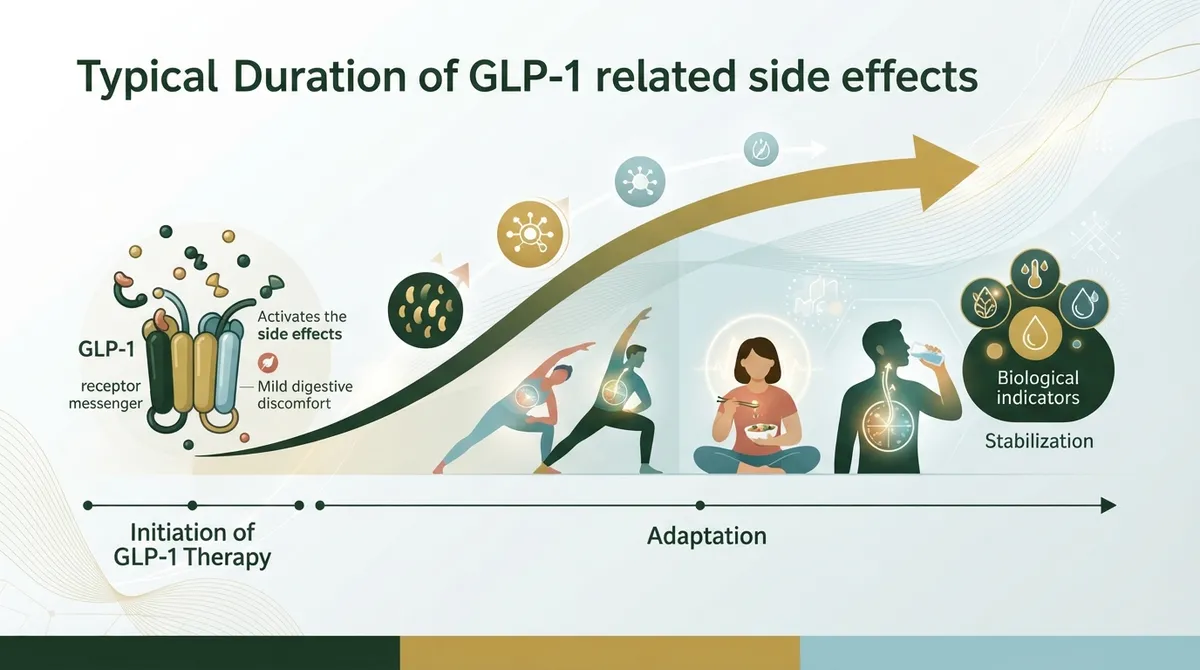
This is probably the question we hear most from new clients. The honest answer is that it varies, but there’s a clear pattern worth knowing. Most gastrointestinal side effects cluster around two specific moments in treatment.
- When you first start the medication, as your body adjusts to a completely new signal
- After each dose increase, since your system has to recalibrate all over again
- During the first few weeks at any new dose level, before things settle down
- Rarely, side effects can persist longer and may require a treatment plan adjustment
Many people notice symptoms improving significantly within two to four weeks at a stable dose. This is exactly why gradual dose titration matters so much. Rushing the process tends to backfire, while a slow and steady approach gives your body time to adapt comfortably.
Tips to Reduce Nausea and GI Discomfort
You don’t have to just white-knuckle your way through side effects. There are practical, everyday habits that make a real difference for most people.
- Eat smaller meals more frequently instead of large portions
- Avoid greasy, fried, or overly rich foods that slow digestion further
- Stay hydrated throughout the day, especially if you experience diarrhea or vomiting
- Eat slowly and stop before you feel completely full
- Avoid lying down immediately after eating
- Talk to your provider before skipping doses on your own
Learning how to understand GLP-1 peptide therapy in more depth can also help you feel more in control of your own treatment journey.
What Serious Risks Should You Watch For?
While most side effects are mild and temporary, it’s important to know about the rarer, more serious risks too. Being informed isn’t about scaring you, it’s about empowering you to catch warning signs early.
| Serious Risk | What It Involves | Warning Signs |
|---|---|---|
| Gallbladder Disease | Gallstones or inflammation | Upper right abdominal pain, fever |
| Pancreatitis | Inflamed pancreas | Severe stomach pain radiating to back |
| Kidney Injury | Often linked to dehydration | Reduced urination, extreme fatigue |
| Bowel Obstruction | Rare, related to slowed motility | Severe bloating, inability to pass gas |
A 2024 review of GLP-1 safety data confirmed that while gastrointestinal symptoms are overwhelmingly the most common finding, rare serious adverse events like gallbladder disorders and acute pancreatitis have also been documented. This is exactly why medical supervision matters so much throughout your treatment.
Delayed Gastric Emptying and Anesthesia Concerns
One lesser-known consideration involves how GLP-1 medications slow stomach emptying. This is a known pharmacologic effect, and it’s linked to concerns about acid reflux and, importantly, aspiration risk during anesthesia or deep sedation. If you have surgery or a procedure scheduled, always tell your medical team you’re using GLP-1 peptide therapy. They may recommend adjusting your dosing schedule beforehand for safety.
Who Should Be Extra Cautious With GLP-1 Therapy?
Not everyone is an ideal candidate for GLP-1 peptide therapy, and that’s exactly why personalized bloodwork and provider oversight matter so much. Here are groups who need closer monitoring or may need to avoid these peptides altogether:
- People with a personal or family history of medullary thyroid carcinoma
- Those with a history of pancreatitis
- Individuals with severe gastroparesis or significant digestive motility issues
- Patients using insulin or sulfonylureas, due to increased low blood sugar risk
- Anyone with active gallbladder disease
This is one of the biggest reasons cookie-cutter treatment plans don’t work well for peptide therapy. Everyone’s health history, labs, and goals are different, and your protocol should reflect that. This is also true across other peptide categories, not just GLP-1s, whether you’re exploring peptides for fat loss or peptides for muscle gain.
Comparing GLP-1 Side Effects Across Treatment Stages
Understanding how side effect risk shifts over time can help set realistic expectations for your own journey. Here’s a simple breakdown many providers use to guide client conversations.
- Initial starting dose: Mild nausea is common as the body adjusts to the new signal
- First dose increase: GI symptoms often peak briefly before settling down again
- Maintenance dose: Most people report side effects becoming minimal or disappearing
- Long-term use: Occasional flare-ups can happen with lifestyle changes like travel or illness
This pattern is one reason why working with an experienced provider matters so much. Adjusting timing, dose, or supportive strategies at the right moment can make all the difference in your comfort level.
Why Medical Supervision Changes the Experience
Self-treating with peptides sourced online, without lab work or provider guidance, is one of the riskiest ways to approach GLP-1 therapy. Licensed oversight allows for dose adjustments based on how your body actually responds, not a generic schedule. If you’re wondering how to start peptide therapy safely and see real results, professional guidance is really the foundation everything else builds on.
At Allura Longevity, treatment plans start with a $50 virtual consultation and comprehensive LabCorp bloodwork. This data-driven approach means your GLP-1 dosing, monitoring, and any adjustments are based on your actual biology, not guesswork. Licensed providers, led by board-certified Family Nurse Practitioner Ashley, review your labs and health goals to build a customized six-month plan delivered right to your door.
Comparing GLP-1 Therapy to Other Peptide Options
If gastrointestinal side effects feel like a concern, it helps to know how GLP-1 peptides stack up against other popular options in the longevity and wellness space.
| Peptide Type | Primary Use | Common Side Effects |
|---|---|---|
| GLP-1 Peptides | Weight loss, metabolic health | Nausea, diarrhea, constipation |
| BPC-157 | Injury recovery, gut healing | Mild injection site reactions |
| Growth Hormone Peptides | Muscle, recovery, sleep | Water retention, tingling |
Curious how these compare more broadly? Reviewing a cross-class peptide safety guide can offer helpful context beyond GLP-1s alone. And if you’re weighing your options for weight management specifically, this breakdown of which weight loss peptides actually work is a great next read.
Making an Informed, Confident Decision
Knowledge really is power here. Understanding what are peptides and how they interact with your body’s natural systems takes so much anxiety out of starting treatment. GLP-1 side effects are real, but for most people, they’re temporary bumps on the road to meaningful results, not permanent roadblocks.
Whether you’re focused on longevity, weight management, or overall metabolic wellness, having a licensed provider guide your dosing and monitor your progress makes an enormous difference. This is especially true if you’re balancing GLP-1 therapy with other goals, like exploring peptides for energy or supporting recovery and vitality as you age.
Choosing Telehealth vs. In-Person Care
Many people wonder whether telehealth peptide therapy can really match in-person care. The short answer? Absolutely, especially when bloodwork and provider access are built into the process from day one. This comparison of local clinic vs. telehealth peptide therapy breaks down exactly what to expect from each option.
Allura Longevity was built for exactly this kind of convenience, without cutting corners on medical oversight. Their telehealth model means you get personalized peptides for women or peptides for men protocols, ongoing monitoring, and direct-to-door delivery, all without sacrificing the safety net of licensed care.
Your Next Step Toward Feeling Your Best
GLP-1 side effects don’t have to be a mystery or a source of stress. With the right education, a gradual dosing approach, and a provider who actually reviews your labs, most people move through the adjustment period smoothly. Nausea, mild digestive changes, and temporary discomfort are common, but they’re manageable, especially with expert support in your corner.
If you’re ready to explore personalized GLP-1 peptide therapy backed by real bloodwork and licensed medical guidance, now’s a great time to take that next step. Spots for new clients open up monthly, so don’t wait too long to get started. Request a consultation today and let Allura Longevity’s team build a plan designed just for you.
FAQs
Q: What are the most common GLP-1 side effects?
A: Nausea is the most commonly reported side effect, followed closely by diarrhea, vomiting, and constipation. Most people find these symptoms are mild and improve within a few weeks as their body adjusts.
Q: How long do GLP-1 side effects usually last?
A: Most gastrointestinal side effects show up during the first few weeks of treatment or right after a dose increase. The good news is they typically fade as your body gets used to the medication, often within two to four weeks.
Q: How can nausea from GLP-1 peptide therapy be reduced?
A: Eating smaller meals, avoiding greasy foods, staying hydrated, and eating slowly can all help reduce nausea significantly. Working closely with your provider on dose timing also makes a real difference.
Q: Are GLP-1 side effects worse when the dose is increased?
A: Yes, side effects often spike briefly after a dose increase before settling back down. This is exactly why gradual dose titration under medical supervision is so important for comfort.
Q: Do GLP-1 drugs cause pancreatitis or gallbladder problems?
A: These are rare but documented risks associated with GLP-1 therapy, according to safety research. That’s exactly why regular bloodwork and provider monitoring matter throughout your treatment journey.





