
Key Takeaways
-
BPC-157 and KPV show promising results only in animal studies; human clinical evidence remains extremely limited with no FDA approvals for any gut conditions yet.
-
Long-term human safety data for these peptides is lacking, including unknown optimal dosing, drug interactions, and potential reproductive or immune effects that require caution.
-
KPV enters cells via the PepT1 transporter which increases in inflamed tissue, creating a promising theory for targeted delivery, but this mechanism has not been proven in human trials.
-
Unregulated peptide sources pose significant quality control risks with unreliable potency, contamination, or mislabeling; working with licensed providers ensures product authenticity and safety.
-
Persistent abdominal pain, blood in stool, unexplained weight loss, fever, and sudden bowel changes require immediate medical evaluation rather than experimental peptide treatment.
-
A responsible peptide therapy approach includes comprehensive lab work, detailed health history review, personalized treatment planning, and ongoing medical monitoring by licensed providers.
If your gut has been giving you trouble, you have probably stumbled across the term “gut healing peptides” while scrolling through wellness forums or chatting with friends about digestion woes. Maybe you have bloating that just won’t quit, or you are dealing with nagging inflammation that no amount of probiotics seems to fix. You are not alone, and honestly, it makes sense that you are curious. Peptides like BPC-157 and KPV get a lot of buzz for gut support, but there is a big difference between promising lab research and proven human results. This guide breaks down what the science actually shows, what remains unknown, and how to think about these compounds if you are considering peptide therapy as part of your wellness journey. We will keep things simple, honest, and grounded in real research, because you deserve facts, not hype.
1. What Gut Healing Peptides Actually Means
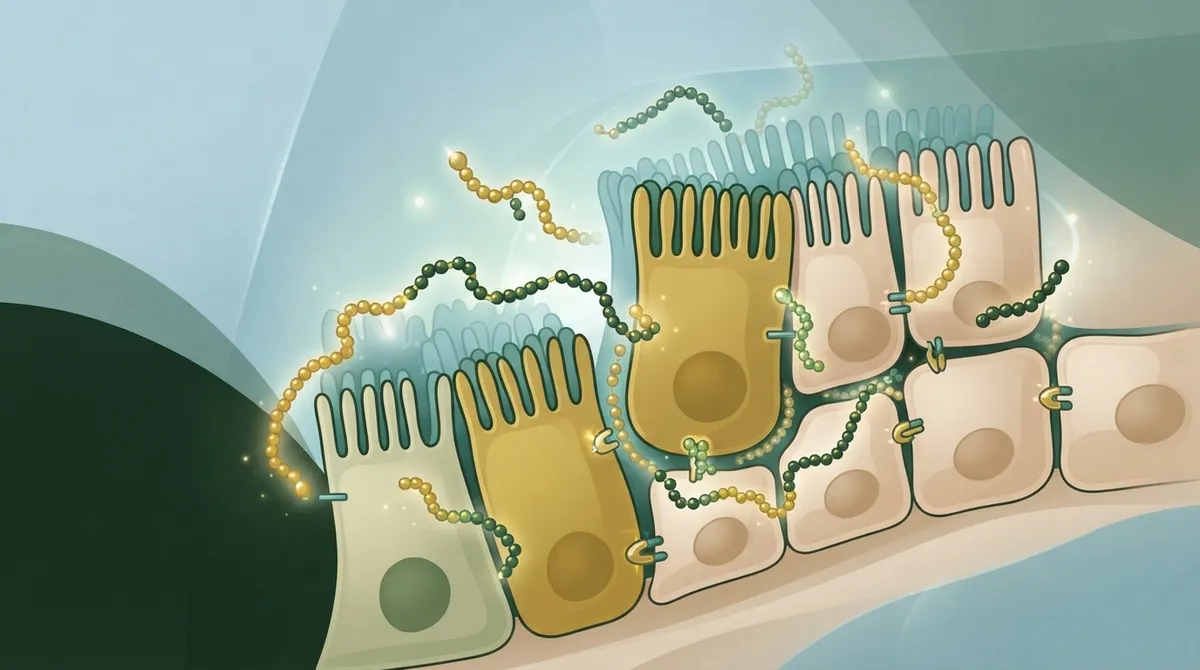
“Gut healing peptides” is not an official medical category. It is a term that popped up in wellness circles and research communities to describe peptides being studied for digestive support. Most conversations center around two compounds: BPC-157 and KPV. Both come from natural sources, but that does not mean they are approved treatments for gut conditions.
Understanding what are peptides helps set the stage here. Peptides are small chains of amino acids that act like messengers in your body. Some influence hormones, some target inflammation, and some are being explored for tissue repair. If you want a deeper foundation, check out this guide on what peptides are and how they work.
2. Meet BPC-157: The Gastric-Derived Peptide
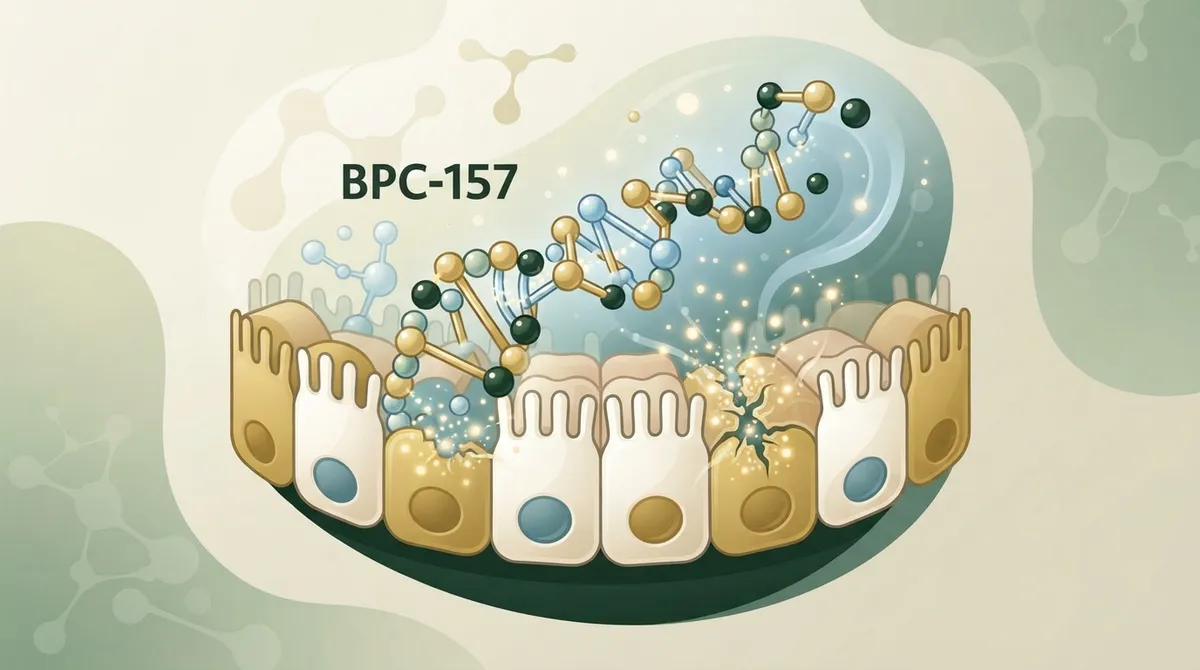
BPC-157 is a synthetic peptide made of 15 amino acids. It is based on a sequence found in gastric juice, which is part of why researchers got curious about its potential gut-related effects. Animal studies have looked at BPC-157 in models of stomach ulcers, intestinal injury, colitis, and even surgical healing after bowel procedures.
Here is the catch: none of this research has translated into approved human treatments yet. The National Library of Medicine has published reviews showing promising mechanisms in rodents, but human trials are still lacking. If you are curious about this peptide specifically, this deep dive into BPC-157 peptide facts covers helpful background.
3. Meet KPV: The Anti-Inflammatory Tripeptide
KPV is a tiny tripeptide that comes from a fragment of alpha-melanocyte-stimulating hormone. Scientists have studied it because it seems to calm down inflammatory signals in cells, including a pathway called NF-κB. In simple terms, this pathway helps control how much inflammation your body produces.
A 2008 study published in Gastroenterology found that KPV reduced inflammatory markers and improved outcomes in mice with induced colitis. Another 2008 study in Inflammatory Bowel Diseases showed similar results, including reduced inflammation and better body weight in colitis-model mice. These are encouraging signals, but they are mouse studies, not proof that KPV treats Crohn’s disease or ulcerative colitis in people.
4. How KPV Gets Into Cells: The PepT1 Connection
One interesting detail about KPV is how it enters cells. Research suggests it uses a transporter called PepT1, which tends to increase in people with certain inflammatory bowel conditions. This creates a scientifically interesting theory: maybe KPV could specifically target inflamed tissue more efficiently.
That said, a good theory is not the same as clinical proof. According to research summarized on peptide research databases, no large human trials have confirmed that KPV works this way in people with IBD. It is a promising mechanism, but it is still early days.
5. What the Research Actually Shows (And Doesn’t)
Let’s keep this straightforward. Here is a quick comparison of what current evidence supports versus what remains unproven:
| Peptide | Preclinical Evidence | Human Clinical Evidence | FDA Approval Status |
|---|---|---|---|
| BPC-157 | Animal studies on ulcers, colitis, fistulas, NSAID damage | Very limited; small safety observations only | Not approved for any human use |
| KPV | Mouse colitis models showing reduced inflammation | No large-scale human trials | Not approved for any human use |
A 2025 evidence review described BPC-157’s gastrointestinal research as “very low certainty,” mostly because the data comes from animal studies rather than well-controlled human trials. This does not mean the compound is useless, but it does mean the science has not caught up with the marketing claims yet.
6. Common Myths About Gut Healing Peptides
Because these peptides show up so often in wellness content, some myths have taken hold. Let’s clear a few up:
- Myth: BPC-157 is FDA-approved for gut healing. Reality: it is not approved for any human condition.
- Myth: KPV cures IBD. Reality: only mouse studies support this, not human trials.
- Myth: Animal research guarantees human safety. Reality: dosing and safety in people remain largely unknown.
- Myth: All peptide products are the same quality. Reality: sourcing and purity vary widely and matter enormously.
- Myth: You can self-treat leaky gut or IBS with these peptides. Reality: professional evaluation is essential first.
7. Risks, Safety Gaps, and What You Should Watch For
Even promising research comes with real gaps. Long-term human safety data for BPC-157 and KPV is limited. We do not have solid answers on optimal dosing, drug interactions, reproductive effects, or long-term immune impacts.
There is also a quality control issue. Peptides purchased outside regulated pharmacy channels may have unreliable potency, contamination, or mislabeled ingredients. This is one reason working with a licensed provider matters so much, whether you are exploring gut-related peptides or something like TB-500 for tissue repair.
Watch for these warning signs that need real medical attention rather than experimental peptides:
- Persistent abdominal pain that does not go away
- Blood in stool or unexplained gastrointestinal bleeding
- Unexplained weight loss
- Fever paired with digestive symptoms
- Frequent vomiting
- Signs of anemia, like fatigue or paleness
- Sudden changes in bowel habits
If you notice any of these, please see a medical provider promptly. These symptoms may point to conditions that need established treatments, not experimental compounds.
8. How Peptide Therapy Providers Approach Gut Support
At a responsible telehealth clinic, gut-related concerns are handled with a full picture of your health, not a single peptide. This usually starts with lab work through a trusted provider like LabCorp, followed by a detailed review of your symptoms and goals.
Here is a general step-by-step process reputable providers follow:
- Initial consultation to discuss symptoms and history
- Comprehensive blood work to check inflammation markers and overall health
- Provider review of lab results alongside your goals
- Development of a personalized plan based on evidence and safety
- Ongoing monitoring and dose adjustments as needed
This is the same approach used across other peptide categories, whether someone is exploring options for fat loss, muscle gain, or general wellness support. If you are wondering how to begin this process safely, this resource on starting peptide therapy safely is a great starting point.
9. Questions to Ask Before Trying Any Gut-Related Peptide
Before jumping into any peptide protocol, it helps to ask a few honest questions. This keeps you protected and informed.
- Has this peptide been studied in humans, or only in animals?
- What does my provider say about my specific symptoms and lab results?
- Where does this peptide come from, and is it third-party tested?
- What are the known risks, even if rare?
- Is there a licensed provider monitoring my progress?
These questions apply broadly across peptide therapy, not just gut-focused options. For a wider view on evidence-backed gut peptides, this article on which peptides for gut health actually have evidence is worth a read.
Why Working With Licensed Providers Matters
Peptide therapy is not a one-size-fits-all situation. Your gut health, hormone levels, and lifestyle all play a role in what might help you. This is why individualized care, guided by blood work and licensed medical oversight, tends to produce safer and more meaningful outcomes than self-directed peptide use.
Allura Longevity takes this personalized approach seriously. Every treatment plan starts with lab work and a review by licensed providers, led by a board-certified Family Nurse Practitioner. This ensures that any peptide discussion, gut-related or otherwise, happens within a safe, medically supervised framework rather than guesswork.
Comparing Popular Peptides Discussed for Gut Support
| Peptide | Proposed Mechanism | Research Stage | Key Consideration |
|---|---|---|---|
| BPC-157 | Tissue repair, anti-inflammatory activity | Preclinical (animal studies) | No confirmed human dosing standard |
| KPV | Reduces NF-κB inflammatory signaling | Preclinical (mouse colitis models) | Uses PepT1 transporter; human data limited |
If you are also curious about how gut-related peptides might fit into a broader wellness plan, including energy, recovery, or hormone balance, this comparison of single peptides versus peptide stacks offers useful context.
Bringing It All Together
Gut healing peptides are an exciting area of research, but they are still early-stage. BPC-157 and KPV show interesting results in labs and animal models, yet human evidence remains thin. That does not mean these compounds are dismissed entirely. It means they deserve careful, honest conversations with licensed providers rather than confident promises from a product label.
If your gut has been bothering you, the safest first step is a real evaluation, not a guess based on internet claims. A qualified provider can review your labs, symptoms, and health history to figure out what actually makes sense for you. Learn more from the peer-reviewed KPV research if you want to dig into the science yourself.
Ready to get personalized guidance instead of guesswork? Request a consultation with Allura Longevity today and take the first step toward a plan built around your actual health data, not internet hype.
FAQs
Q: What are gut healing peptides, exactly?
A: Gut healing peptides is a term people use to describe compounds like BPC-157 and KPV, which are being studied for digestive support. It is not an official medical term, and neither peptide is approved by the FDA for gut conditions yet. Think of it as an exciting area of research rather than a proven treatment category.
Q: Does BPC-157 really heal the stomach or intestines?
A: Animal studies have shown promising results for things like ulcers and intestinal injury, but human evidence is still very limited. We simply do not have enough well-controlled human trials yet to say BPC-157 heals the gut in people. It is worth watching the research closely, but it is not a guaranteed fix.
Q: Is KPV effective for Crohn’s disease or ulcerative colitis?
A: KPV has shown encouraging anti-inflammatory effects in mouse studies of colitis, which is genuinely exciting from a research standpoint. However, no large human trials have confirmed it works the same way for Crohn’s disease or ulcerative colitis in people. If you have IBD, please work with a gastroenterologist for proven treatment options.
Q: Are there risks with using BPC-157 or KPV?
A: Yes, there are real gaps in long-term safety data for both peptides, including unclear dosing and potential interactions. Product quality is also a concern if peptides come from unregulated sources. This is exactly why working with a licensed provider matters so much before trying anything experimental.
Q: How can I safely explore peptide therapy for gut or overall wellness?
A: The best first step is getting blood work done and talking with a licensed provider who can look at your full health picture. This helps you avoid guesswork and reduces safety risks tied to unregulated products. A personalized, medically supervised plan will always beat a one-size-fits-all approach from an online forum.





